South Georgia in Snow Expedition Announcement September 2027

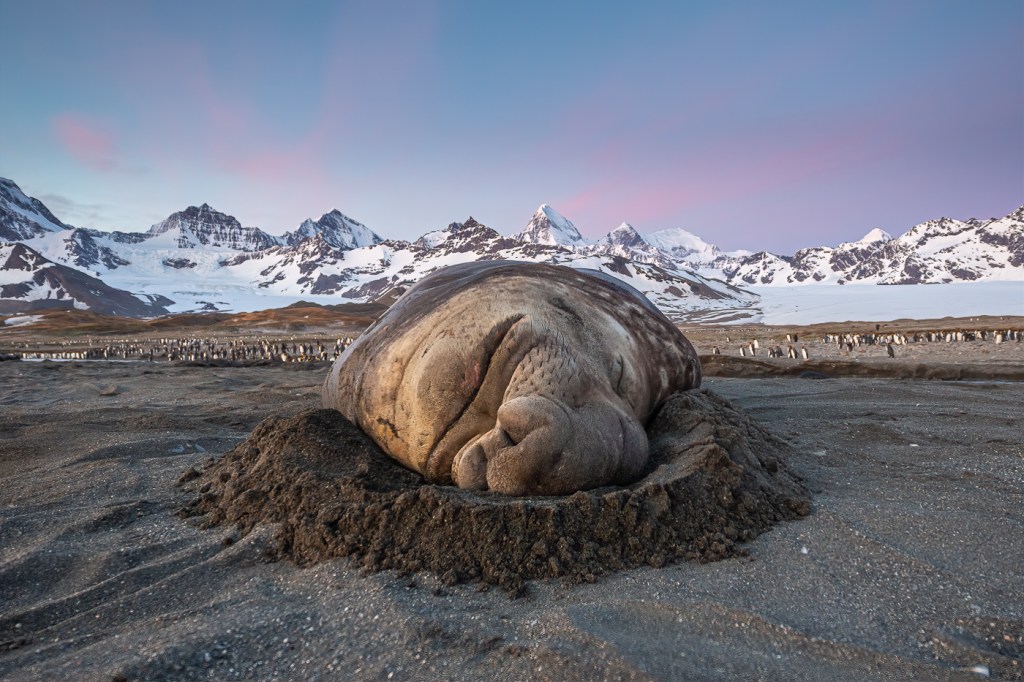
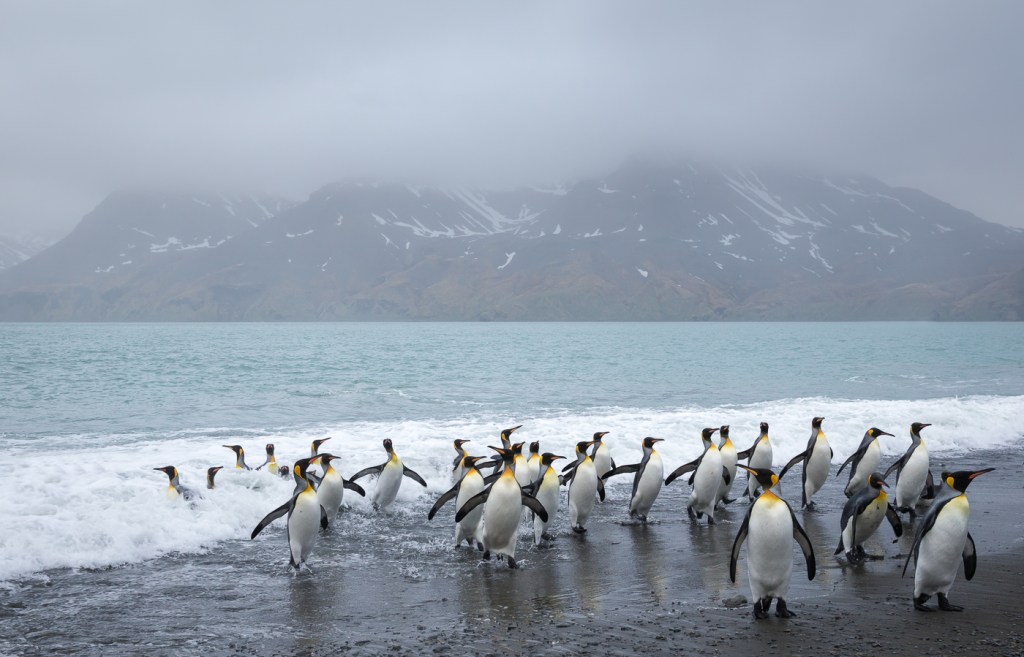
Today, I am extremely excited to formally announce an all-new expedition to the magnificent South Georgia Island in September of 2027 – One of the world’s greatest wildlife destinations! It has long been a dream of mine to lead an expedition to South Georgia in September. At this time of year, the mountains and landscape will be blanketed in snow, offering a truly extraordinary opportunity to photograph King Penguins in a winter setting!
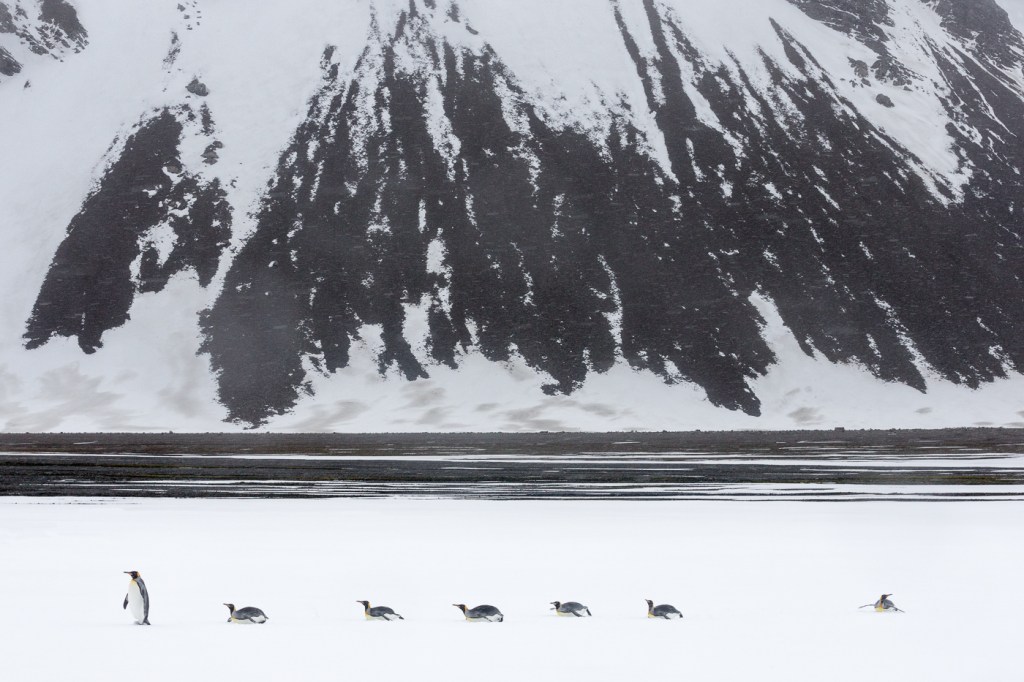
South Georgia Island, with its precipitous peaks draped in snow and ice, is a place that evokes and inspires the imagination. It is a dramatic Himalayan-style landscape of mountains that plunge almost directly to sea level. It is, as they say, ‘off the charts’ in photographic terms. This unique expedition ventures to this remote sub-Antarctic Island in early September to search for King Penguins amid winter snow.
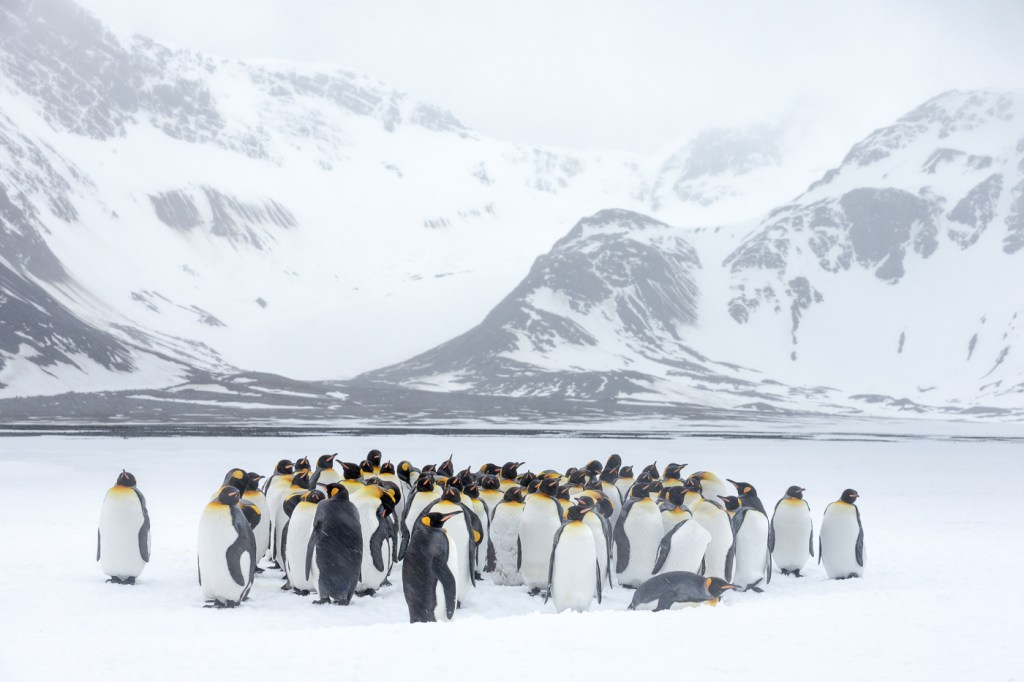
The main focus of this expedition will be King Penguins, Elephant seals and other local wildlife. In September, the light conditions in South Georgia can be magical. Most commonly, South Georgia expeditions begin in November and run through until March in the Polar summer. With our expedition ship, we will explore in September, before the arrival of the territorial Fur seals and when the landscape is still covered in clean, pristine snow. This time of year offers unique photographic opportunities that most will never experience.
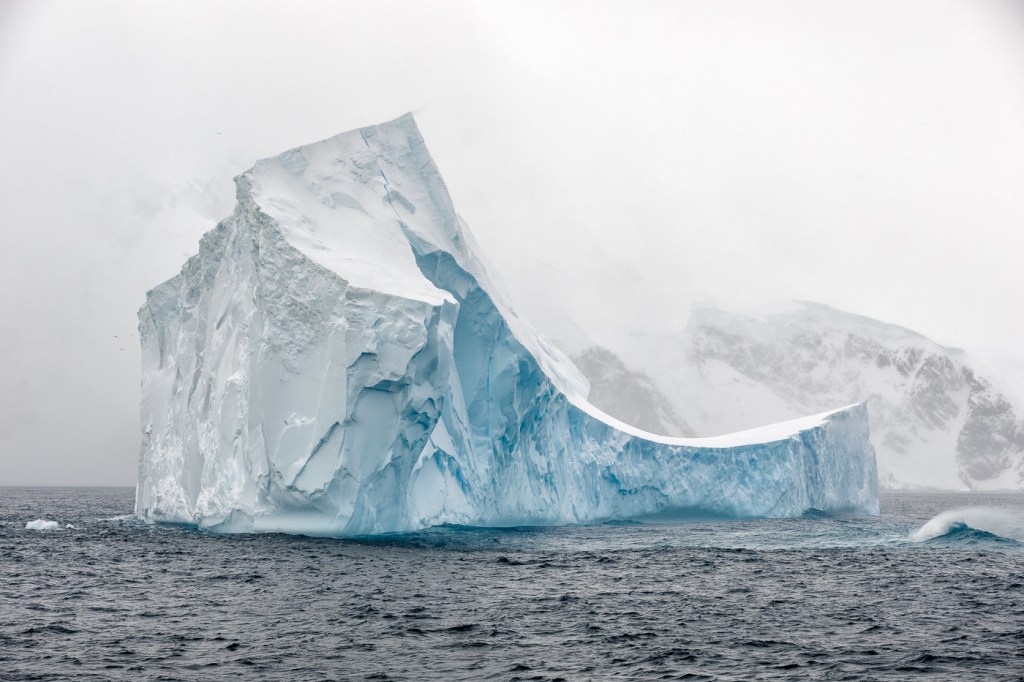
We plan to circumnavigate the island of South Georgia and explore both its east and west coasts. In conditions permitting, we will also photograph the giant icebergs that drift up from the Weddell Sea, as well as explore Drygalski Fjord. Drygalski Fjord is a bay one mile wide, which recedes northwestwards seven miles, entered immediately north of Nattrass Head along the southeast coast of South Georgia. The landscape in this region is breathtaking and not to be missed. In September, the landscape will be bathed in a combination of blue hour and golden light from the sun’s low angle, providing a stunning backdrop for photographing this evocative location.
For this expedition, my company, Wild Nature Photo Travel, has chartered the recently refitted and ice-hardened ship, M.V. Aureum. With a capacity of just 36, we will be an exceptionally small group of photographers for an expedition such as this. The expedition will run for a full two weeks from September 18th until the 2nd of October, 2027 and will begin and end in the Falkland Islands. We expect to have 9 full days in South Georgia, which is a fantastic amount of time to explore the many colonies and world-famous locations such as Saint Andrews, Gould Bay and Salisbury Plain.
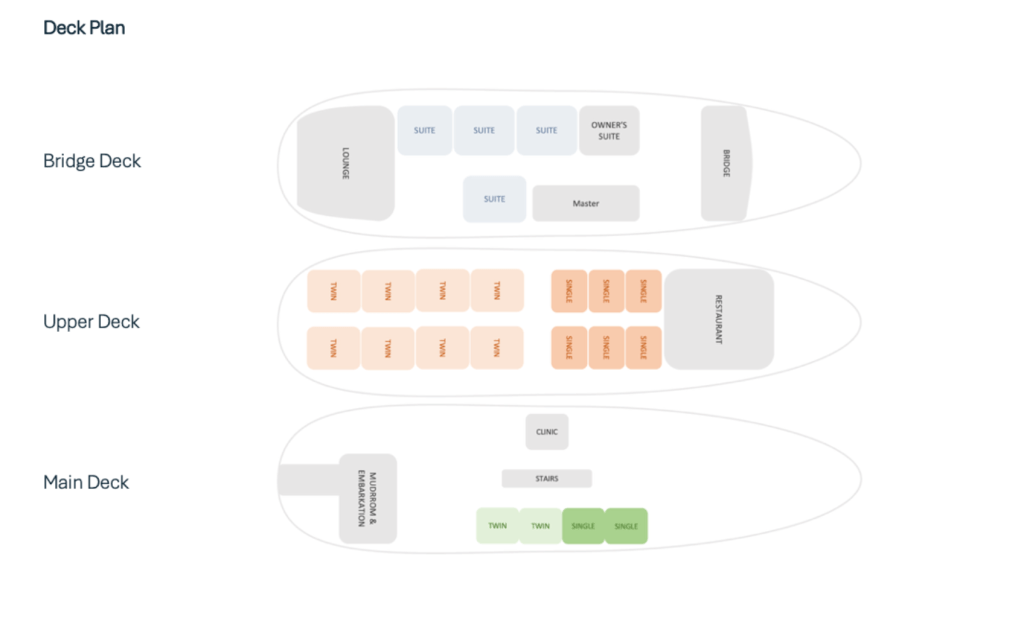
Full details on the expedition are now on the website HERE. Twin-Share cabins start from $19,995 USD, and dedicated single cabins are available (while they last). Some cabins are already booked and spoken for, so please reach out if you have a specific cabin in mind. This is truly an expedition of a lifetime, not to be missed.

Please get in touch if you would like to reserve one of the remaining cabins or have any queries about the expedition.
Rest in Peace Jeff Schewe, June 2026

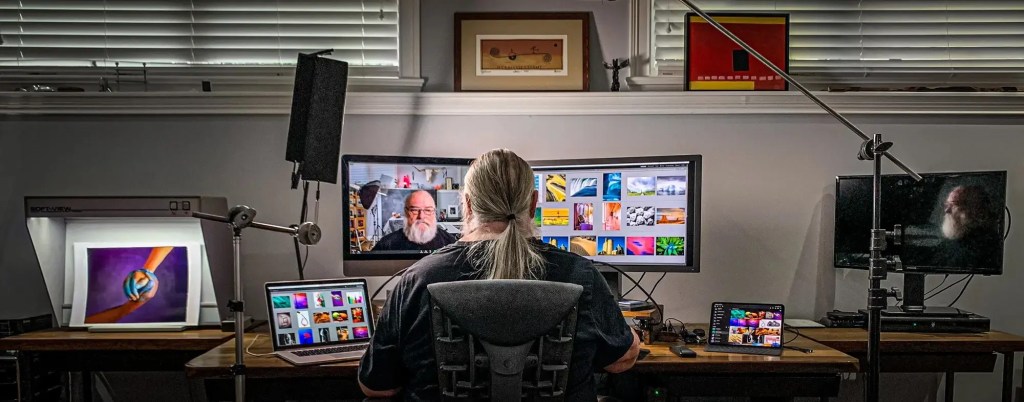
The photography world lost an icon this month – Jeff Schewe. For those who don’t know: Jeff was a Chicago-based commercial photographer, a digital imaging pioneer, an author, and an educator. It was this last point that first introduced me to him. He was instrumental to my education in my early days when I was learning about colour management, digital image processing, and printing. It would be an understatement to say he had a major impact on my photographic education, approach and technique. When Jeff spoke, I listened and learned and would eagerly consume his educational and instructional videos – particularly those he created with the late Michael Reichman. Jeff had a knack for cutting through the endless disinformation on the internet and for simplifying results-driven processes. The photography world is less for his passing. Rest in peace, Jeff.

Zululand South Africa Wildlife Masterclass Single Place Availability 2027

Due to a medical cancellation, a single place has just become available on my previously sold-out May 2027 wildlife masterclass in Zululand, South Africa. This workshop is for you if you have ever wanted to photograph African wildlife at eye level – something available almost nowhere else in South Africa.

This exclusive workshop will run from May 6th to May 15th, 2027 and is fully inclusive of luxurious accommodation, private game drives, private hides and all photographic tuition. This is a full camp takeover, meaning it will be just us in the entire reserve – no one else. This maximises the time we have available for game drives and hide sessions, giving you the best possible opportunities. You will not be limited to the usual one-night session, but will have many opportunities over the course of the workshop. During this workshop, you can also expect to get out of the safari vehicles and walk with Cheetahs (an incredible photographic experience). You can get an idea of what to expect from this workshop by reading the 2024 trip report HERE and by checking out the portfolio on my website HERE. This is the workshop for you if you have ever wanted to photograph African wildlife at ground and eye level and create truly incredible wildlife images. For more information, please drop me an email. First in best dressed.

WNNP Episode 157 – Laponia Majestic Stillness Book Review

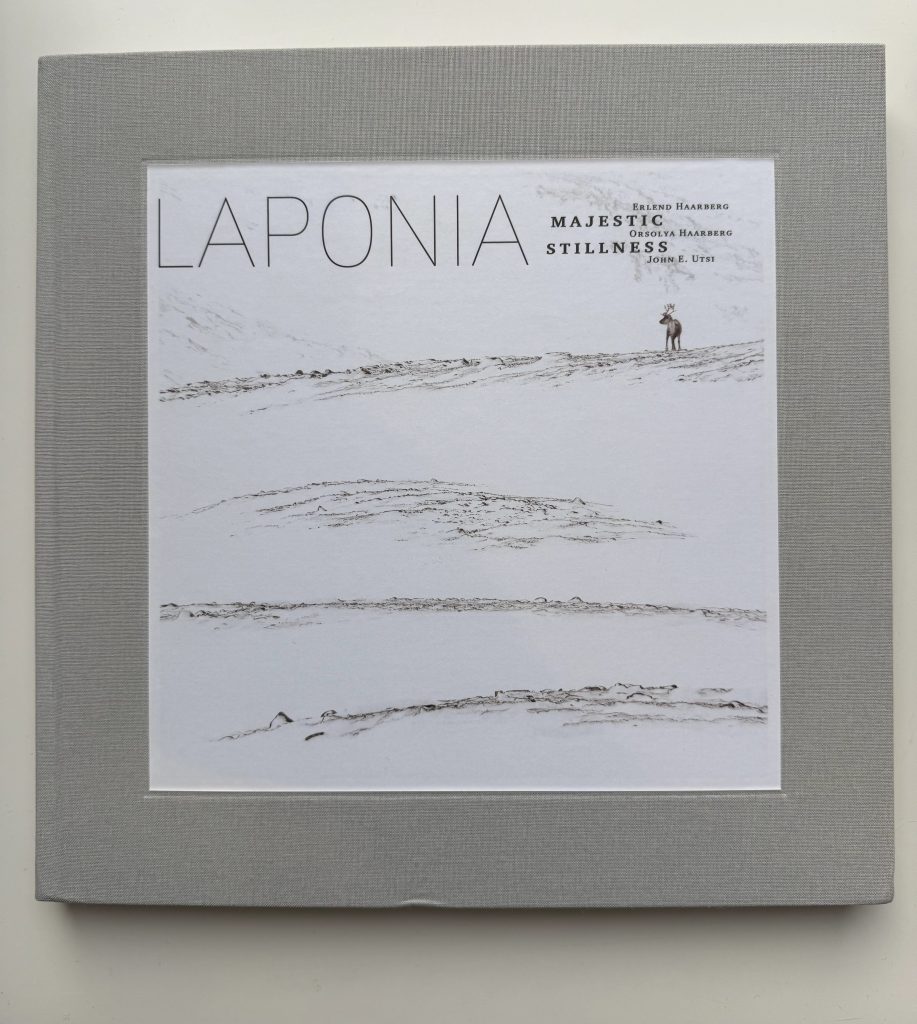
I have just published episode 157 of my Wild Nature Photography Podcast. In this episode, I review the book ‘Laponia Majestic Stillness’ by Erlend and Orsolya Haarberg. This is a book I have a love/hate relationship with. Whilst I am a big fan of these two photographers’ work, I find this book disappointing, with poor design and paper choice that ultimately leave me conflicted and confused. Laponia is available to purchase online HERE.

Photograph of the Month June 2026 – Reindeer on the March

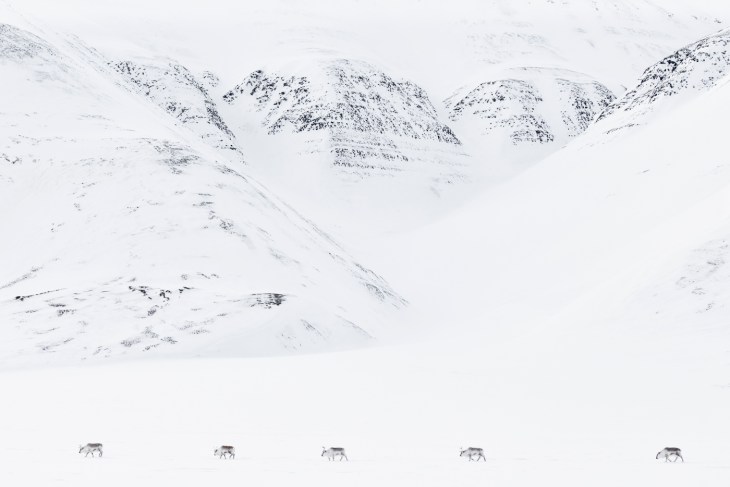
The photograph of the month for June 2026 comes from my recent snowmobile expedition to Svalbard this April (Read the Trip Report) and is of a group of Reindeer walking beneath the mountains. This photograph is a wonderful example of why it’s always a good idea to have both a short lens and a longer lens when photographing wildlife. Opportunities such as this offer chances to tell the environmental story of the wildlife in the landscape. During this encounter, I had predominantly been photographing individual Reindeer with the Canon RF600mm F4L IS lens, but saw an opportunity to capture the entire group as they formed a near-perfect line beneath the mountains. Fortunately, I had my 100-300mm lens with me and was able to capture the entire scene. By switching to a shorter lens, I was not only able to capture all of the Reindeer, but to place them below the mountains to help create a wonderful sense of scale. This photograph ended up far more powerful and evocative than the 600mm shots.