Antarctica’s Icebergs – Sculptures of Ephemeral Beauty

As a photographer and explorer, I have been fortunate to encounter and photograph some of the world’s most awe-inspiring landscapes. However, one place in my heart holds an irreplaceable allure—the frozen wonderland of Antarctica. Antarctica’s icebergs have a captivating beauty. They are natural sculptures that testify to Nature’s creative and transformative powers.

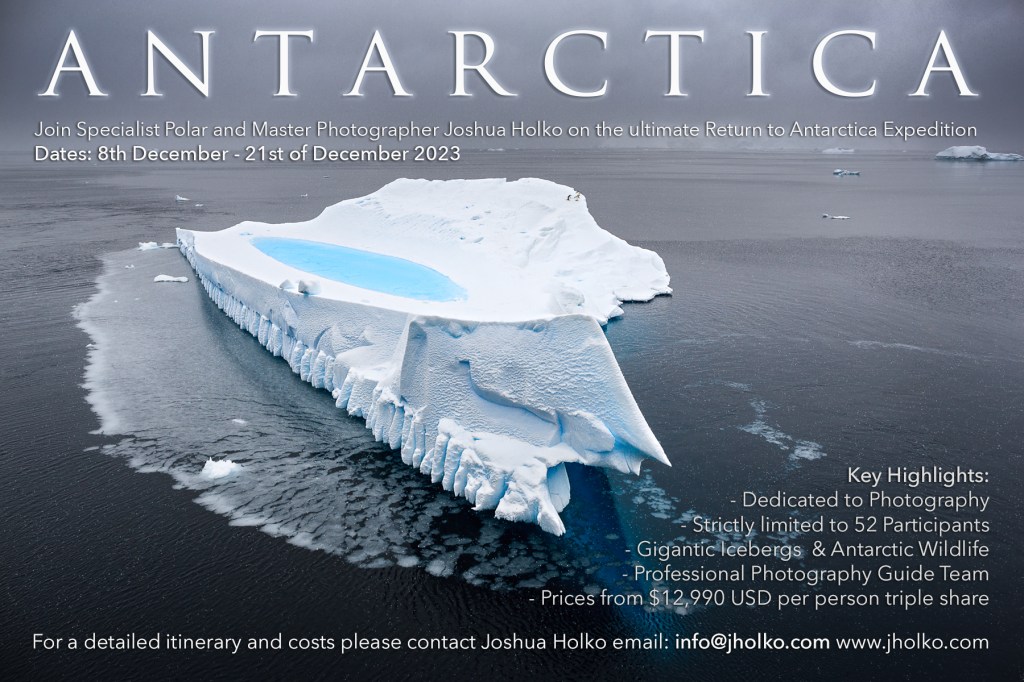
Antarctica’s icebergs begin their journey as ancient glaciers that calve into the ocean, creating massive chunks of ice that can rival and even vastly exceed city skyscrapers in size. I have stood on the deck of many an expedition ship and watched icebergs bigger than city blocks plough through ocean waters. These icebergs embark on a voyage, carried by currents and winds, sculpted by Nature into intricate shapes. Each iceberg’s unique form tells a story of its origins, and capturing its intricate details through photography is a way of preserving this transient beauty.

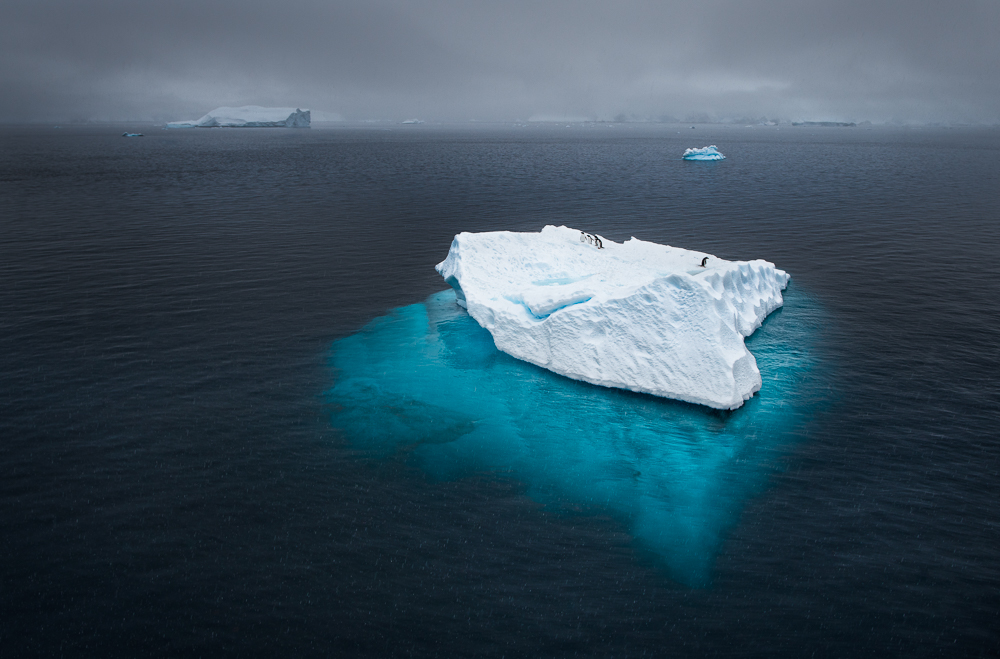
Lone Berg in Antarctica

From the purest white to ethereal blues and mesmerizing turquoise, the colours of Antarctica’s icebergs are a visual symphony that unfolds before the lens. These hues come from the interplay of light and ice, a dance that shifts as the sun moves across the polar sky. Photographing these colours is a challenge and a privilege, as they evoke a sense of wonder unique to this frozen realm.

Icebergs are Nature’s sculptures, shaped by the elements in a slow dance that spans centuries. As a photographer, I’m constantly drawn to their dynamic shapes and textures—sharp edges, deep crevices, and smooth surfaces that create a tactile feast for the eyes. The play of light and shadow on these three-dimensional forms offers endless opportunities to capture their grandeur and intricate details.

In Antarctica, icebergs are more than just ice chunks—they reflect the continent’s soul. They mirror the ever-changing moods of the environment, from the calm serenity of still waters to the wild energy of crashing waves. Photographing these reflections captures their physical beauty and conveys the profound connection between ice and sea.

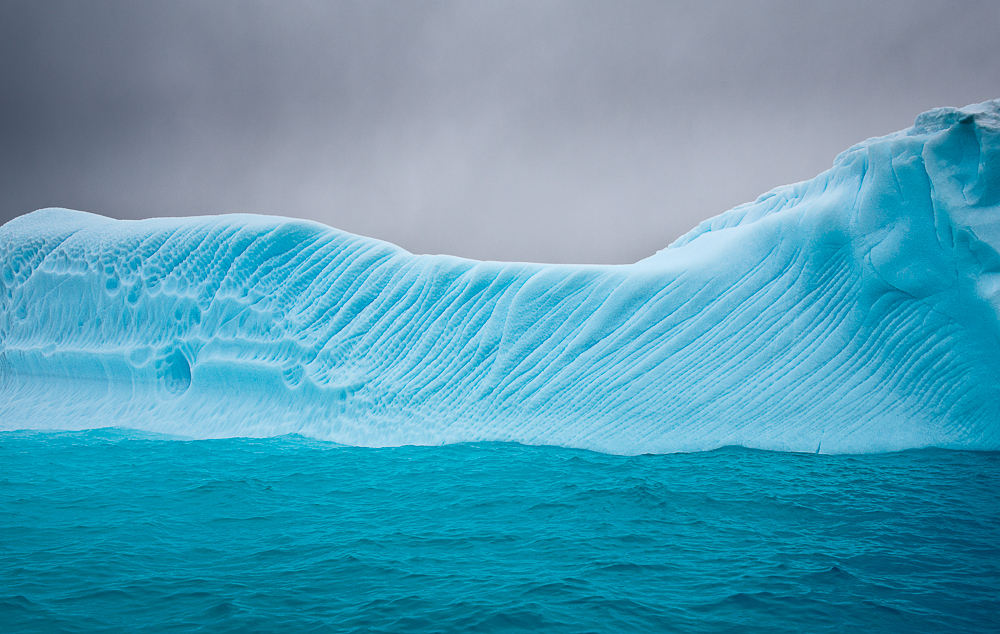
Iceberg in Wilhemina Bay in Antarctica

The beauty of Antarctica’s icebergs is bittersweet—a transient magnificence that can vanish as quickly as it appears. These frozen behemoths are subject to the relentless forces of Nature, melting and fragmenting as they drift. As a photographer, capturing their beauty becomes a race against time, a way of immortalizing their fleeting existence for generations to come. One of the great joys of photographing icebergs in Antarctica is their transient Nature. No other photographer will ever experience the iceberg in the same form under the same light.

Antarctica

Photographing the icebergs of Antarctica is a journey into an otherworldly realm—a world where Nature’s creative forces are on full display. Through the lens, photographers strive to capture the elegance, power, and fragility of these frozen sculptures, sharing their beauty with the world and advocating for the preservation of the environment that births them. In the presence of Antarctica’s icebergs, I am reminded of the Earth’s enduring ability to shape and transform and of our responsibility to protect the delicate balance of our planet. As photographers, we are the storytellers, the visual chroniclers of these remarkable natural wonders. Through our images, we invite the world to marvel at the splendour of the icebergs and to embrace the urgent need to safeguard the future of Antarctica.
Embracing Antarcticas Frozen Frontier – A Life Changing Journey

Throughout my journey as a wildlife and landscape photographer, I have been fortunate to witness the breathtaking beauty of nature in its purest form. Yet, no experience compares to the awe-inspiring majesty of Antarctica. In this post, I’ll share my perspective on why this frozen frontier should be at the top of every photographer’s bucket list—an unparalleled destination that promises a sensory overload of raw beauty, unique experiences, and an unwavering connection to the wild.

Antarctica is a visual masterpiece—its untouched landscapes reminiscent of an untouched canvas waiting for the artist’s touch. Imagine capturing the ethereal glow of the golden hour reflecting off massive glaciers, the intense blue hues of icebergs, and the majesty of giant castellated icebergs as they slowly drift through frigid Antarctic waters. Every frame embodies the serene beauty that has remained unspoiled for millennia.

For photographers seeking intimate wildlife encounters, Antarctica is a dream come true. Here, you can stand among penguin colonies, observe seals lounging on ice floes, and witness whales breaching in icy waters. The proximity and variety of wildlife offer unparalleled opportunities to capture captivating behaviours, evoking emotions and narrating stories that transcend the frame.

The unique light conditions in Antarctica are a photographer’s paradise. The sun’s low angle casts dramatic shadows, creating a dynamic interplay of light and darkness. This presents a canvas of endless creative possibilities. Whether it’s the ethereal glow of the polar twilight or the stark contrasts between the ice and the sky, every moment becomes an opportunity to tell a visual story.

Antarctica is an oasis of solitude—a sanctuary where you can disconnect from the world’s chaos and immerse yourself in the purity of nature. The serene landscapes, the quiet rustling of the ice, and the occasional cry of wildlife create an environment where you can truly be present. This solitude enhances your connection to the environment, allowing you to capture the essence of Antarctica with undistracted focus.

Exploring Antarctica means joining a select group of adventurers who have ventured to the world’s edge. From the footsteps of explorers to the beauty captured by photographers, each person contributes to the narrative of this enigmatic land. By documenting your journey through your lens, you contribute to the visual tapestry that tells the story of this frozen frontier.

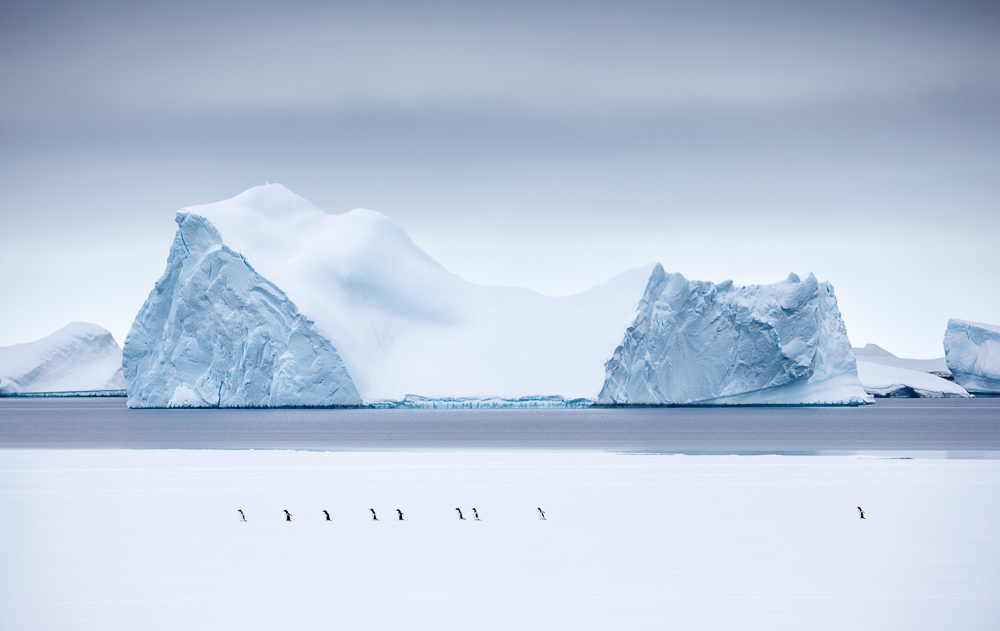
Iceberg in Antarctica

Antarctica isn’t just a destination; it’s an immersive experience transcending ordinary travel. Every moment spent on this vast and surreal continent offers a chance to capture the soul-stirring beauty of nature at its most unfiltered. With every photograph, you become a steward of this pristine wilderness, sharing its wonders with the world and advocating for its preservation.

Antarctica is Earth’s southernmost continent, encapsulating the South Pole. It is situated in the Antarctic region of the Southern Hemisphere, almost entirely south of the Antarctic Circle, and is surrounded by the Southern Ocean. At 14.0 million km it is the fifth-largest continent in area after Asia, Africa, North America, and South America. For comparison, Antarctica is nearly twice the size of Australia. About 98% of Antarctica is covered by ice that averages at least 1 mile (1.6 km) in thickness.

Including Antarctica on your photography bucket list isn’t just about capturing stunning visuals—it’s about embarking on a transformative journey, embracing the challenges and rewards of photographing the world’s last true wilderness. So, heed the call of the frozen frontier and prepare to capture the essence of Antarctica through your lens, forever preserving its raw beauty for generations to come.

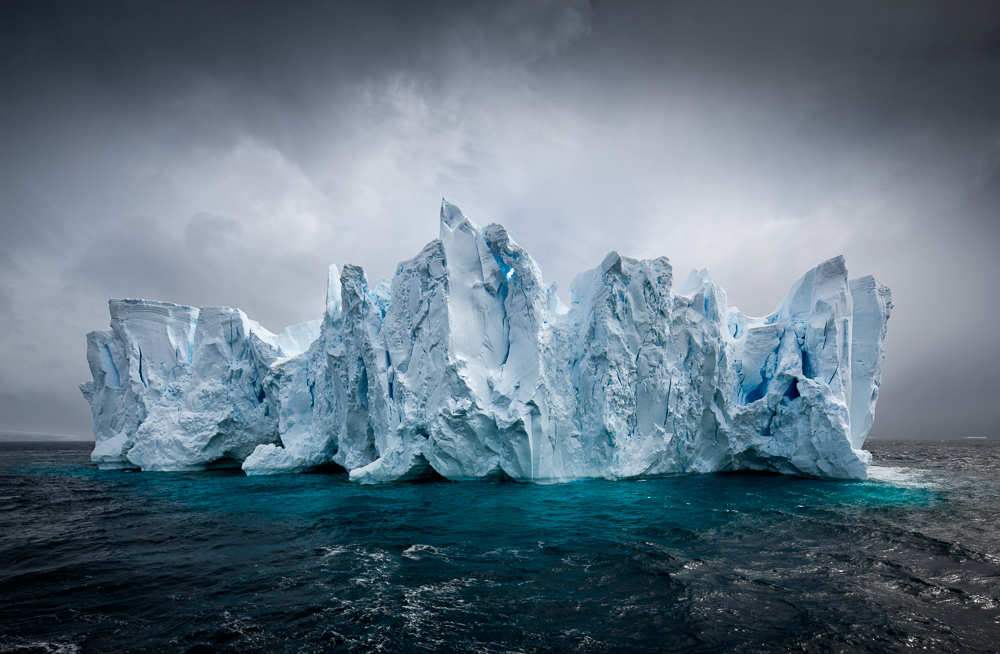
Iceberg in Antarctica

Capturing Antarctica’s Beauty – A Lens Selection Guide

Photographing the unparalleled beauty of Antarctica requires some planning and consideration of photographic equipment. As someone privileged to explore and document the frozen wonders of this pristine continent, I understand the importance of choosing the right lenses to capture its grandeur (and ensure ease of travel). In this post, I’ll guide you through the lens selection process, helping you choose the best optics to bring Antarctica’s breathtaking landscapes to life and emphasising the significance and importance of zoom lenses for their flexibility in Antarctica’s dynamic environment.

Two camera bodies are highly recommended for any Antarctic expedition, both for redundancy and the added versatility of quickly changing focal lengths without changing lenses too often in the field. Antarctica is an incredibly dusty environment, and minimising the opportunity for dust on the sensor is always a good idea.

Wide-Angle Lens (16-35mm or 14-35mm)
Antarctica is a land of vast, expansive landscapes that demand to be captured in all their glory. A wide-angle lens, such as a 16-35mm or 14-35mm, is indispensable for showcasing the sweeping panoramas of icebergs, glaciers, and icy shorelines. It excels in creating a sense of scale, emphasising the endless horizons, and allowing you to incorporate the mesmerising skies and otherworldly light that Antarctica offers. A wide-angle zoom will also enable you to better frame and compose your image than a fixed focal length lens – especially when shooting from Zodiac.

Mid-Rang Zoom Lens (24-105mm)
In the dynamic environment of Antarctica, flexibility is key. A zoom lens in the range of 24-105mm provides versatility to capture both expansive landscapes and wildlife encounters without the need to change lenses. This flexibility ensures that you’re ready to capture any moment, whether you’re framing a distant iceberg or a close-up of a penguin colony. This lens is a workhorse that adapts to the ever-changing scenes and compositions Antarctica offers. Many mid-range zoom lenses also offer macro capability and can be an intelligent choice to minimise the number of lenses you may pack for an Antarctic expedition.

Telephoto Zoom Lens (70-200mm)
A telephoto zoom lens is a versatile tool that lets you bring distant subjects closer, making it perfect for capturing wildlife and minor landscape details. In Antarctica, you can photograph magnificent creatures such as penguins, seals, and whales. A 70-200mm lens strikes a balance between reach and flexibility, enabling you to capture close-ups of wildlife while maintaining the stunning environment as the backdrop. It also lets you focus on more intimate landscape details if the light is too harsh for grand vistas.

Super-Telephoto Lens (200-500mm)
To truly immerse yourself in Antarctica’s wildlife, consider a super-telephoto lens in the 200-500mm range. This lens offers remarkable reach, allowing you to capture the intricate details of animals’ behaviours without disturbing them. Whether it’s a penguin colony in the distance or a seal resting on an ice floe, a super-telephoto lens offers an intimate view into the lives of the continent’s inhabitants. It also allows you to maximise telephoto compression to help isolate your subject.

Photographing Antarctica demands a well-rounded lens kit that covers the vast array of visual opportunities this frozen continent provides. From expansive landscapes to intimate wildlife encounters, the lens selection process requires consideration of your creative goals and desired outcomes. Whether you’re capturing the grandeur of an iceberg-studded coastline, the majesty of a breaching whale, or the intricate details of ice formations, the right lens can turn your vision into a stunning reality.


Before embarking on your Antarctic journey, I recommend researching your specific camera system and lens compatibility. Remember, the key to successful photography in Antarctica is to be prepared for anything—changing light, unpredictable wildlife behaviour, and the sheer magnitude of the environment. Zoom lenses will maximise your opportunities far more than fixed focal length lenses. Armed with the right lenses and a passion for the art, you’ll be well-equipped to capture the unparalleled beauty of this frozen wonderland.

Nature’s Best Photography Semi-Finalist 2023

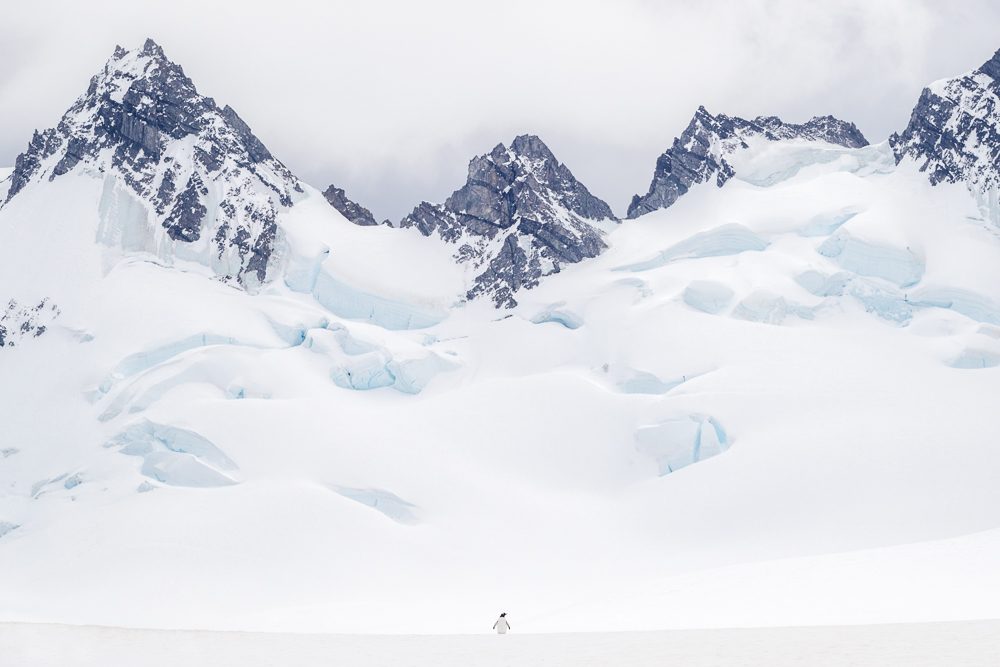
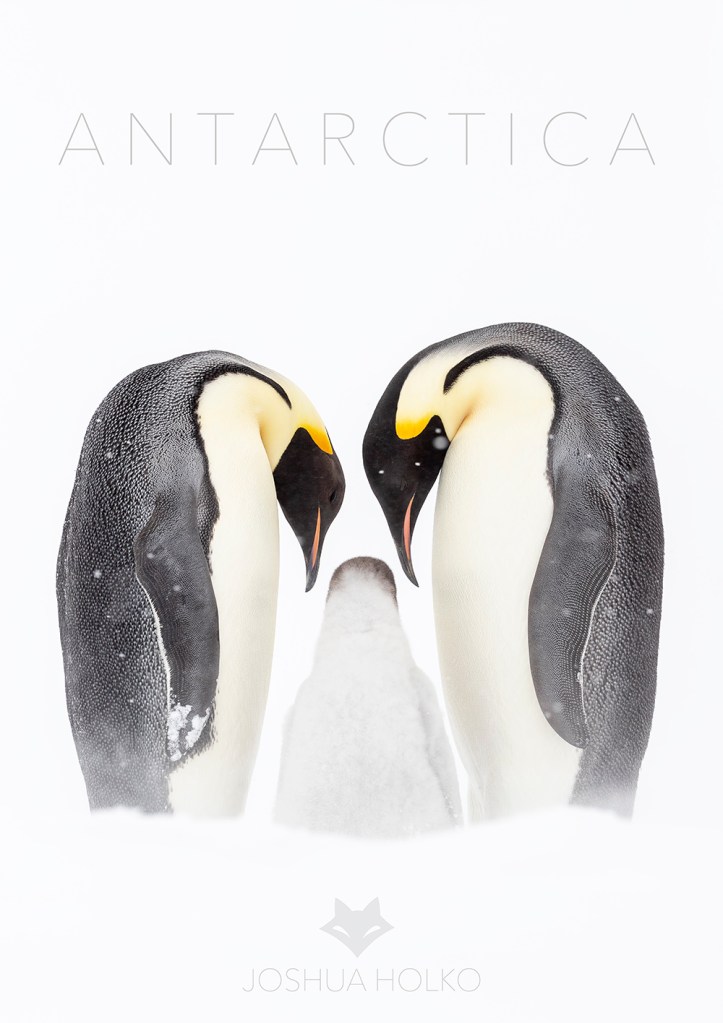
In some pleasant news, I received an email yesterday that one of my photographs from Antarctica has been selected as a semi-finalist in the 2023 Nature’s Best Photography Competition. Somewhat embarrassingly, I don’t actually remember entering the competition this year, and can’t seem to find any record of my entry at my end. Nevertheless, it’s wonderful news to receive and looking forward to seeing the overall winners later this year. Which photograph made the finals? Sadly, I am not allowed to share that as yet – but I will as soon as the winners are announced. In the meantime, please enjoy another Antarctic image – one of my personal favourites.