Days are quickly ticking down to my ‘Return to the White Continent’ Antarctica expedition, and there remains much work to do here in the office. However, I wanted to get a few thoughts down ‘on paper’ before I do a podcast and make final travel preparations. I will fly out of Australia a week from today, on the 5th of December, overnighting in Buenos Aires before I make my way down south to Ushuaia. I will have a couple of days in Ushuaia to get over jetlag before boarding our ship for the journey down to Antarctica. I have quite literally lost count of how many times I have been to Antarctica, but this will be my 12th season visiting this miraculous continent. Even after so many visits, the excitement remains palpable, and the thought of stepping foot on the continent to the sound of thousands of calling penguins in soft snow remains as alluring as it did on my first journey over a decade ago.

There is no place else on earth I have been that provides an other-worldly experience like Antarctica. Sailing down the Beagle Channel and into the Drake Passage is as close as most of us will ever get to visiting another planet. The sighting of the first iceberg as the ship crosses the Antarctic convergence draws audible gasps from passengers and photographers alike, and standing on the bridge or deck of the ship conjures up thoughts and images of what it must have been like for the first explorers to plough these treacherous waters as they ventured south for the very first time. Arrival in Antarctica evokes feelings of exploration, adventure and awe that can be hard to put into words. Photographic opportunities are limitless; the only limitation is one’s vision and imagination.
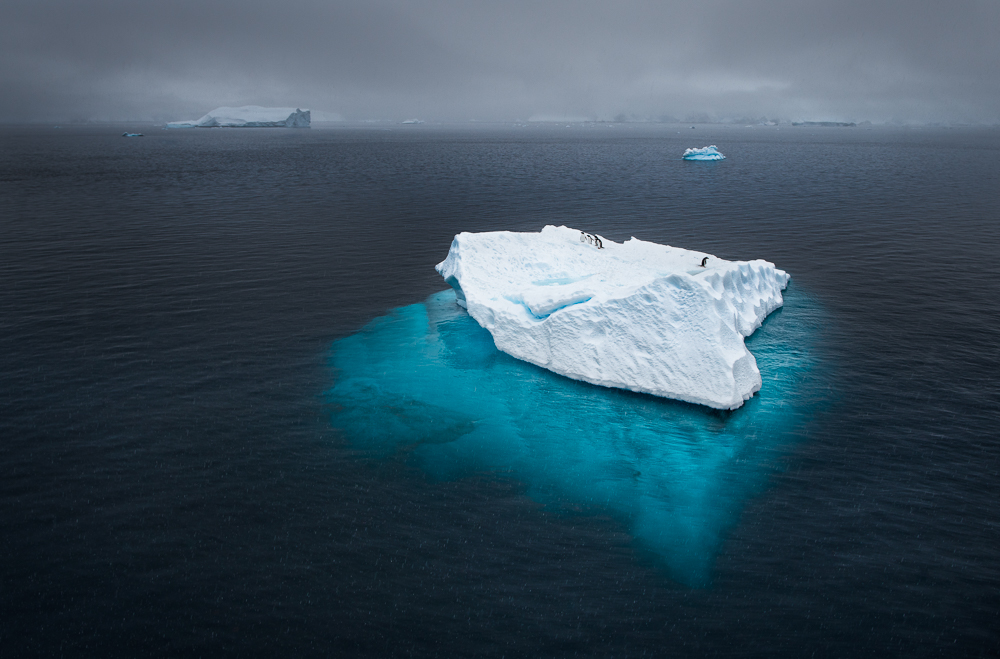
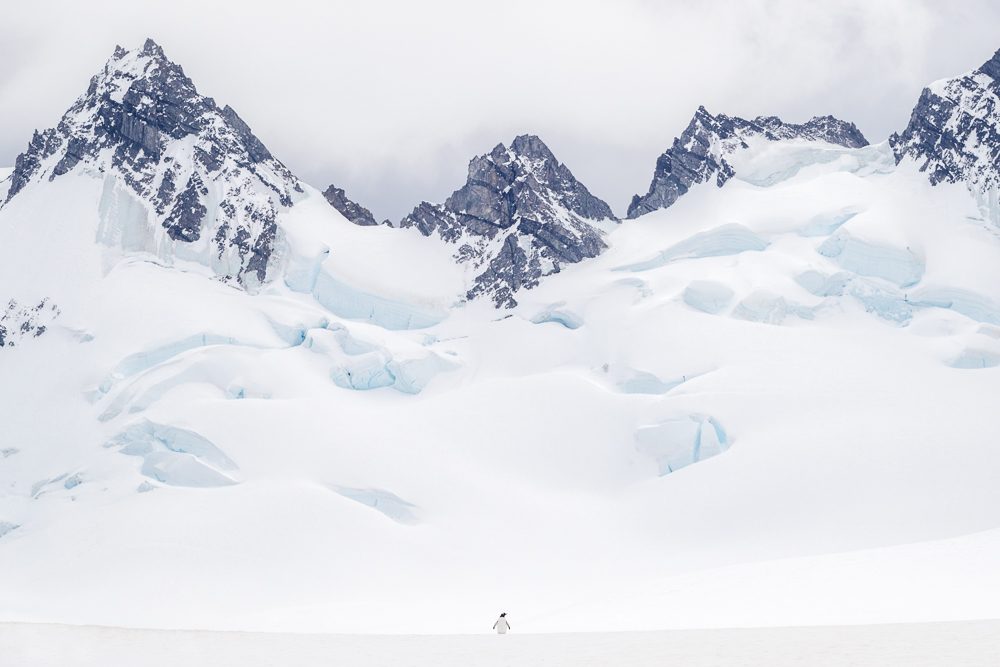
One of the greatest joys of these expeditions for me is sharing these incredible experiences with like-minded travellers and photographers. The smiles on their faces tell the story better than any poetic prose ever could. For the first-time visitor, there is the thrill of the first iceberg sighting, the first penguins and, of course, the direct experience of beholding the sheer majesty of a stunningly beautiful continent. Antarctica’s precipitous obsidian black peaks, plunging ice-blue glaciers, and endless pristine snow-covered plains stir the emotions, welling up tears in even the most hardened veteran. Few humans ever get to visit Antarctica, and those who do are truly blessed with an experience that will alter them forever.

These expeditions forge friendships that last a lifetime. Time and expedition experience establish a bond between fellow travellers and photographers that only a shared journey to such a miraculous place can manifest. These friendships and shared experiences are as important as the photographs we make. Like our photographs, they will outlast the expedition dates and continue into other shared travel and experiences. Even those who may not travel or photograph together again will remain bonded by their Antarctic experience. The experience is life-changing.

With the days ticking down, my thoughts are on packing, equipment and travel. Regarding equipment, I will leave that discussion to my upcoming podcast. Suffice it to say, there are no real surprises in the equipment I am taking with me, and it will be the usual assortment of Canon RF glass and R3 and R5 cameras. I did decide to pass on the new Canon 10-20mm RF lens. Ultimately, after reviewing the photographs in my Lightroom catalogue, I came to the conclusion that there were very few images I had ever shot wider than 14mm that I actually felt were successful. The Canon RF 14-35mm is such an excellent wide-angle lens and offers flexibility in a zoom range that really works for me. I came to the conclusion that adding a 10-20mm lens was just going to add weight to my equipment bag and would likely see very little use. In nature, the use case for lenses wider than 14mm is generally extremely limited in my experience. Even in the pack ice of Antarctica (or the Arctic), the use case for a lens wider than 14mm remains limited. In those few cases where I find myself bobbing on a zodiac close to an iceberg and needing something wider than 14mm, I can simply shoot two photographs and stitch them together in post. I did own the EF 11-24mm lens and found, through experience, that I rarely liked images I made with this lens that were wider than 14mm. My decision not to purchase is no reflection on the optical quality of the 10-20mm lens, which is truly outstanding. I feel interior and architectural photographers will love the 10-20mm and that that is likely the best use case for this ultra-wide lens, but I will discuss this further in an upcoming podcast.
For those of you who have expressed interest in future expeditions to Antarctica: I will return again in 2024 and 2025 to lead expeditions to the remote sea ice of Gould Bay in the Weddell Sea region of Antarctica to photograph the mighty Emperor Penguins. The 2024 expedition is long sold out, but I have now opened bookings for 2025, and the first details are now on my website in the Workshops tab HERE. I am currently also looking into other future opportunities in Antarctica, but I wanted to clarify that these will not be shared trips with other tourists (as most other photographers are offering). Such trips offer limited opportunities for photography, with the emphasis always being on tourism instead of photography in the best possible light and conditions. Any future offerings from my company, Wild Nature Photo Travel, will be on dedicated charters, such as this 2023 expedition. By chartering the entire ship and dedicating it to photography, it is possible to ensure that everyone’s significant investment is maximised for the best opportunities throughout the voyage.

If you plan a future trip to Antarctica, I highly recommend you take a few moments out of your day and check out the extensive guide I have written on making your journey all it can be. This guide is written from the point of view of photography as the primary reason for travel. It is based on the twelve seasons of experience I have had guiding and leading expeditions to Antarctica. You can download the guide HERE.

As the last few days trickle past before I depart Australia for Antarctica, I plan to spend some quality time with my photography books from Antarctica and take inspiration from others who have also visited and photographed this beautiful continent. Although I have been travelling to Antarctica for more than a decade, I still feel there is enormous untapped photographic potential, and it’s vital to go into such a journey free from worrisome expectations. When we free ourselves from expectations, we open our minds to creative possibilities and opportunities that we would have otherwise missed. Beginning such a journey with expectations will only result in expected (and boring) photographs. By opening up our minds and allowing creativity to flow, we can seize opportunities, and that is where genius resides in photography. It is worth remembering that, as photographers, we are visual storytellers and that the best way to tell any story is through an emotional connection that we establish between viewer and photograph. A successful photograph from Antarctica will generate a strong emotional response and stimulate the viewer’s thoughts, feelings and imagination. We want to tell stories with our photographs, but we want those stories to be impactful. It is, after all, the job of the photographer to continuously deepen the mystery. See you soon in Antarctica.
 www.WILDNATUREPHOTOTRAVEL.com