In late February and March this year I lead my annual winter workshop to Iceland with good friend Daniel Bergmann. For our 2016 workshop we decided to head north for the second part of our trip and spend more time in areas less often visited during the winter months. Heading north in winter is always a bit of a gamble in Iceland in winter. Roads are often closed due to winter snow storms and it is possible to get stuck up north if there are a few days of very bad weather. Thankfully, we were never trapped by the weather, although it did throw up a series of challenges throughout our workshop. We ended up loosing the better part of our last full day to a large winter storm that swept down from the Arctic that closed many of the mountain passes. The turn in weather necessitated a hasty retreat from the north a day earlier than we had originally planned. The weather was dramatic, but problematic for photography on occasion. The high winds did give us some pretty dramatic opportunities on the peninsula near Keflavik where we spent our last two nights.
During our winter trip we had a small window of opportunity for Aurora Borealis (northern lights) whilst we were at Jökulsarlon glacial lagoon and again in the north near Myvatn. Our opportunity at Jökulsarlon was somewhat anticlimactic due to heavy cloud cover that obscured the best display. Our chance was better in the north with a faint display during mostly clear skies. If you haven’t photographed the Aurora before it can be an incredibly exciting experience. The camera sees and captures a great deal more colour than the naked eye – so even a faint display can yield some very impressive results in camera.
One of the participants (James Shih) on this years winter trip has published a day by day account of our workshop – included Below. To see James’s images from the trip please visit his blog. I am still sorting through and processing my own photographs from the trip – a few of which are included below with James’s text. You can also watch a short video James put together on Vimeo of his Aurora images.
Iceland Winter Workshop Report by James Shih – Photographs Joshua Holko
(Editors Note: Apologies for the grammar in the below report – it has been translated rom Taiwanese into English by Google Translate). Our group was led by the Australian awarded photographer Mr. Joshua Holko and experienced Iceland photographer Mr. Daniel Bergmann in a small group of 12 photographers, with nationality of Australia、Great Britain、USA、Germany、Canada、Hong Kong and Taiwan, We visited many winter famous photography spots, including the frozen beach, sunrise and sunset, glaciers lakes of icebergs frozen waterfalls, of course we have also seen the beautiful northern light activities. We took our time to shoot during the 9 days travel, we got some important key points before each shooting event, so the efficiency of photography shooting can be retained, as the member of the group are all experienced photographers, we shared each other with the experiences and equipment, and could enjoy each event, I could feel the strong passion and the spirit of hard job among all of us, looked like treating the photography as part of our living, we harvested by learning with one another and exchange the viewpoints of the advanced equipment, to learn the knowledge of the composition and shooting skill from the other people are the most precious memory.  Day one: In the morning around 10 o’clock I was collected from the hotel, the transportation is a Mercedes medium vehicle with capacity of total 14 passengers, we started from Reykjavik drove to the east in the southern coast, arrived a port called “Vik”, we shot the famous the three rocks and the frozen beach. After lunch we went to the other side of the beach in the morning, to shoot the sunset and huge waves under the cliff, the sun sometimes showed its face through the clouds, which a treacherous mood aroused among clouds.
Day two: we got up early for the shooting of the “Cascadas Skogafoss” waterfall, which the water running swiftly down from over 60 meters cliff impacts the viewers, group leaders advised to move rapidly if we would like to shoot some clean waterfall images, because there can be many travel groups in front of the waterfall in anytime (and it was then). Afterwards we arrived the famous glaciers of Iceland, the “Jokulsarlon” lagoon, we would stay 3 nights in this area, we had some shoots of the icebergs along the lakes, there were some sea birds and seals spreading on the ice, the weather was getting unstable as we moved to the other side of the lagoon. We then went to an ice cave, when we crouched in, an ice roof formed by the blue frozen ice revealed, we shot some amazing detailed texture of the ice roof.  (Editors Note: We also had a good deal of fun with photographing a frozen iceman in the caves).
 Day three: we came again to the lagoon but the weather again not stable with small rain, we went to the sea shore close to the lagoon and had some shoots of the wave, by a long exposure about 1-4 seconds of shutter speed, the wave slapped the icebergs turned beautify milky sheets prints on the sea shore. We planned to see the northern lights in the evening, but because of the heavy clouds there was a small aurora activities around mid night, so went back late with nothing.
 Day four: we started late this morning because of the late came back last evening, today we arrived the “Hvannadalshnukun” national park of volcano, the sun coming out now and then, we had shoots of the blue glacier rocks and closing shoot of the texture by telescope lens, because the bad weather we stayed in the hotel to manage our photos for the rest of the day.
Day five: we came again to the sea shore closing to the “Jokulsarlon” lagoon, there were several big or small icebergs spreading along the winter sea shore, again shot the long exposure images to express the beauty which has no replacement by nature. After lunch we kept east to the port town “Breithdalsvik” where we will shoot sunrise tomorrow morning. 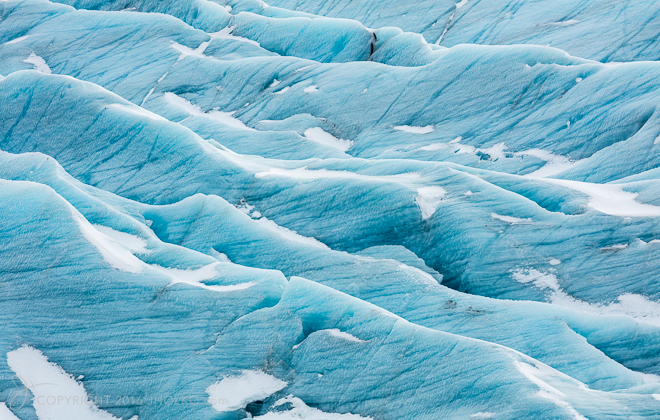
Day six: In the morning we started at 6:45 before breakfast, drove about 40 minutes to a valley that scattered with lots of small streams, the morning just broken the peak of the mountains turning orange from the cold blue as the daylight brighter and brighter, we took pictures with both wide angle and tele lens, which gave different mood of the landscape. After the breakfast we moved to shoot the volcano sites which were full of the underground heats and the smell of sulphur in the air, to shoot with long exposure shutter, the heavy smoke soaring to the sky turned out to be a great view. When we came back to the hotel, the sunset view by the lake can’t be missed of its calm and beauty by long exposure, even the sky has been dark but the reflection of residual light against the snowing ground still kept it bright. Day seven: Today we started at 10:00 in the morning heading for the “Godafoss” waterfall, which is the most famous waterfall in Iceland, the name of the waterfall is according to the history, that the predecessor of the Icelander decided to have the religion of Christ, and threw the symbol of many other gods to the waterfall. The waterfall are composed by 3 sections, you could already feel its magnificent from far, when approaching close, we felt a huge air stream with water against, the water rumbling down from a height of 12 meters cliff, we should wipe the lens from time to time to have a clear image, the sun was shining occasionally provided a slice of gold light in the waterfall, I tried some fish-eye shoots gave a different prospect, the selection of the foreground should be a key in this landscape shooting. After lunch on the way back we took some images of the snow landscape with bushes, the dark color of the bush against the snow providing high contrast can be good for B&W photos, we met by chance a group of horses, a white one was curious of our presence and came approaching as our model. After dinner the sky getting clear, around 9:00 we found the aurora activities along the lakeside from dimming and getting brighter and brighter, a duration of about 3 hours till midnight, I set the exposure as f/2.8, ISO 800-1600(most of the time), shutter was from 5 to 10 seconds, but to adjust according to the brightness of the aurora is needed.
  Day eight: Today after breakfast we drove back to the Reykjavik peninsular, the weather forecasting warned a dangerous strong wind were presented, it was nearly not possible for a photography activities.
Day nine: The weather was not on our side again today, there were small raining except the strong wind. After lunch we have arrived a rock sea shore along the peninsula, no tripod possible with such a strong wind situation, we wanted to shoot some sunset landscape, but the water wetting the lens and nearly couldn’t get a clear images, may be you can enjoy more for a summer Iceland I thought. We had a great dinner of farewell afterwards.
Day ten: the whole journey ended today and say good-bye with one another and hope to see again someday.
Iceland in winter can be quite challenging with weather, but the opportunities in a snow covered landscape can be exceedingly beautiful. Daniel Bergmann and I will be running our annual winter trip again in 2017 and bookings are now open. Just drop me an email if you would like to join us.
 This expedition departed from Punta Arenas in South America. Punta Arenas has quickly become my preferred departure point for expeditions to Antarctica. The Chileans just seem to be much better organised with their airport timing than the Argentinians and everything seems to run like a well oiled machine. Although Chile also charges a reciprocity fee on entry for Australians (and Americans) it can at least be paid on arrival without having to pre-purchase.
 As we sailed through the passage the light just continued to get better and better, reaching its peak in colour around the narrowest point in the channel. I have been fortunate to venture through the Lemaire channel on many occasions now and this was without doubt the very best light I have yet experienced in this remarkable location. The light actually proved quite challenging in post production as the color in the sky was so intense and the reflected light contained such a strong color caste from the sky that white balance selection was somewhat difficult. In the end the above photograph taken from the front bow of the ship with the cameras auto white balance best matched my recollection of the morning.
 We also visited the surreal Deception Island (one of my personal favourite places in Antarctica for photography). Conditions were misty, with low cloud and strong winds on our arrival, which provided a chance to capture some evocative moody images. Deception Island never fails to disappoint with its myriad of rusty whalers remnants that make for interesting subject matter.
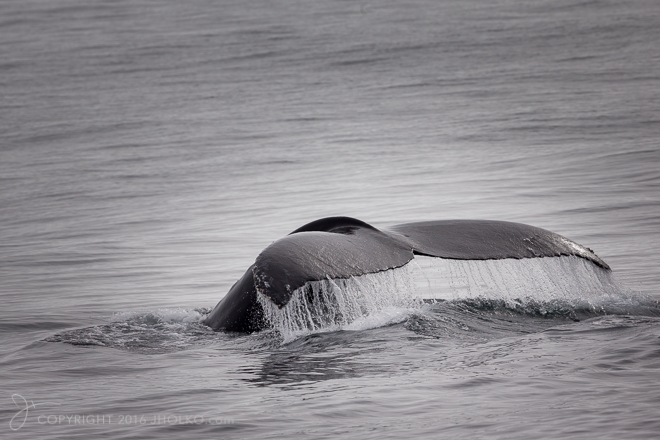 Over the course of the expedition we encountered over 100 whales including Humpbacks. Orcas, Fin whales, Hour Glass Dolphins, Peale’s Dolphins and Minke Whales. We also saw and photographed numerous Albatross including Black-browed, Grey Headed, Sooty, Wandering and Light Mantled as well as numerous other Antarctic bird species.
 Our return drake crossing proved a little bumpier than our first crossing, but on the whole was relatively mild.
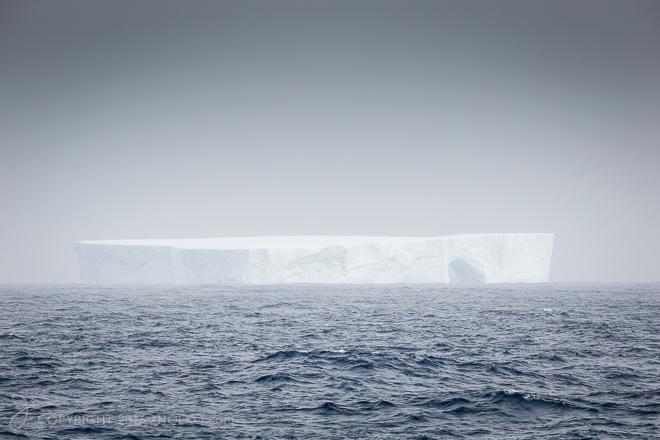 I will be leading a new Antarctica expedition in 2017 that I am code naming ‘Iceberg Hunter’, that is dedicated to photographers and the photography of icebergs and antarctic landscapes. This expedition will depart earlier than all previous trips (in late October) in order to provide us with the best chance to find and photograph icebergs of all sizes and shapes (including giant tabulars) in good light. If you would like to get the jump on this expedition you can register your interest now (no obligation at this point) by dropping me an email at
  The book is divided up into the seperate competition categories. The layout is logical and the photographs have been nicely matched on facing pages. My review of this book is not based on the inclusion of three of my photographs and I would feel the same way about this book regardless of their inclusion or exclusion.
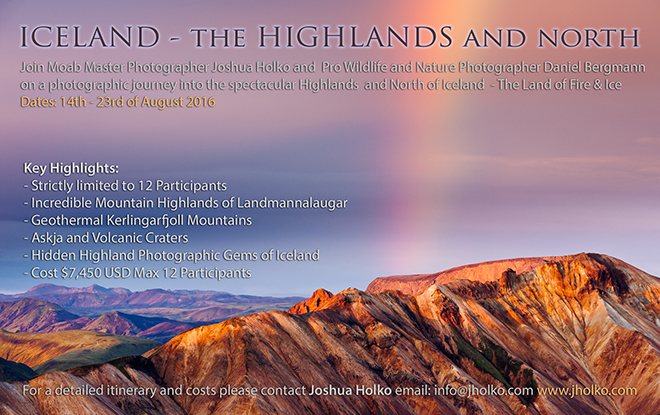 The second workshop will run from the 28th of August until the 6th of September 2016 and will focus on the Southern Highlands and eastern coastal regions of Iceland. Our intention on this workshop is to focus on some of the lesser known highland areas in the southern part of Iceland. We will also visit the precipitous ocean lined mountains at Stokksnes as well as vising the spectacular Laki Volcano and the world famous Jokulsarlon glacial lagoon. You can download a detailed itinerary and information PDF form for the second workshop
 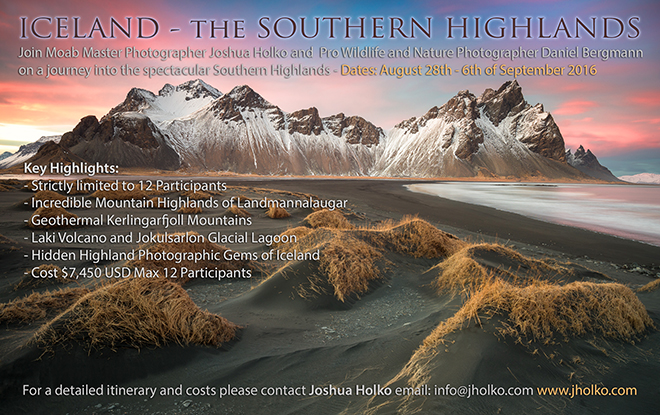 We have chosen August and early September for these workshops as this is an ideal time to visit Iceland for photography. The days are still long with Sunrise around 5 a.m. and sunset just before 10 p.m. The best light for landscape photography is therefore during the evening and early morning. This means that we may have an early dinner and then head out to photograph and sometimes be out before breakfast for a morning shoot. On cloudy days we’ll have a more normal routine. What we’ll do exactly on any given day will be decided around the weather and other conditions and there will be small changes to our original plan to make the most of our time in each area.
 www.WILDNATUREPHOTOTRAVEL.com