In May of 2017 Daniel Bergmann and l lead a new workshop to the north of Iceland specifically to photograph the Atlantic Puffin and other Arctic bird species. Iceland is one of the best places in the world to photograph Puffins and other Arctic birds in their natural environment and late May is the ideal time to ensure plenty of action in the colonies. Our plan was to focus the majority of our attention on Puffins; although we also planned to visit several different locations around Iceland to photograph different species. We had outstanding access to the Puffins living in burrows on the edge of sea cliffs during this workshop and we had timed our trip to ensure we were in the best locations at the best times to photograph these wonderful birds. There is a lot activity in the bird colonies in late May and early June and we were not disappointed with the sightings and displays.
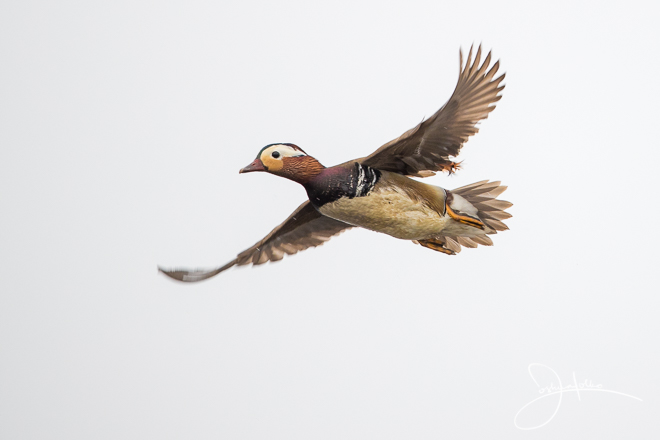
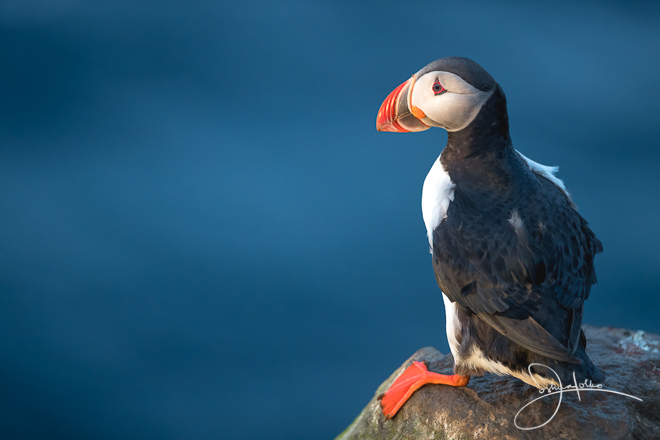 Our workshop took us to a number of different locations around Iceland including the bird cliffs at Latrabjarg in the West fjords as well as the rarely visited northernmost part of Iceland – Grimsey Island. We also photographed at the Snaefellsness peninsula as well as several other lesser known wetland areas (for Red Throated Divers, Phalaropes and more). Our first stop after Snaefellsness was Flatey Island. Flatey Island is a great location to photograph Black Guillemots, Snow Buntings, Puffins, Arctic Terns and other common Icelandic breeding birds. We spent one evening at the island and photographed at both sunrise and sunset. At this time of year we were blessed with midnight sun and as such we were able to spend a great deal of time in the field (although we had to dodge the odd rain shower at Flatey island). I was fortunate to see and photograph the very beautiful Mandarin duck whilst at Flatey; which was definitely a highlight of this stop for me.
 From Flatey Island and the ferry port at the northern side of Breidafjordur bay we journeyed north to Breidavik, where we were based for the next three nights. From there we had superb access out to the magnificent seabird cliff Latrabjarg. This westernmost point of Europe is the home of millions of seabirds and is very well known for its Puffin colony. The cliffs are a spectacular location and rise 440m out of the sea and are approximately 14km long. We photographed many different bird species in this area and were also fortunate to encounter and photograph an Arctic fox on his evening patrol along the cliff edge.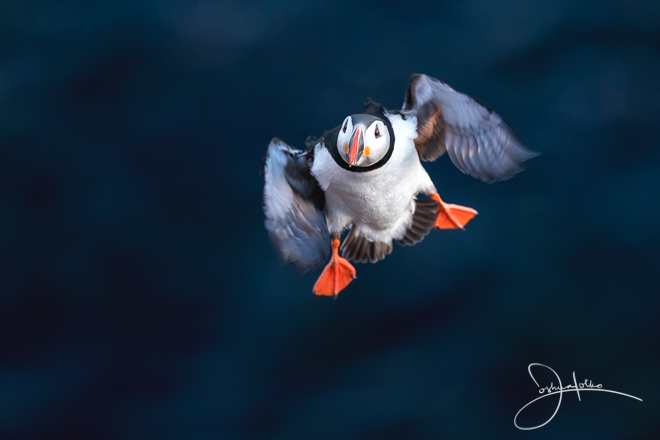
 From Breidavik we travelled to Dalvik to take the car-ferry out to Grimsey Island. This was my first time to Grimsey Island and I can say with a great degree of enthusiasm it was an incredible experience (I am itching to go back!) Grimsey Island is located just inside the Arctic circle and is approximately three and a half hours by car ferry from the northern most part of the mainland. This small island is home to literally thousands of Puffins, Razor bills, Black Guillemots and more. It offers an amazing array of sea cliffs with access from sea level to giant cliffs that soar more than 400 feet high. At this time of year the towering bird cliffs are perfectly aligned with the midnight sun and as such there are simply magnificent opportunities for both wildlife and landscape photography in golden light.
 In order to easily access the entire island we took our super jeep on the car ferry which enabled us access to all of the cliffs and landscape of this incredible island. Accomodation on Grimsey Island for our workshop was a small comfortable and clean guest house that was perfectly situated for our needs. Although accomodation options on the island are extremely limited the guest house is extremely well equipped and was ideal for our workshop.
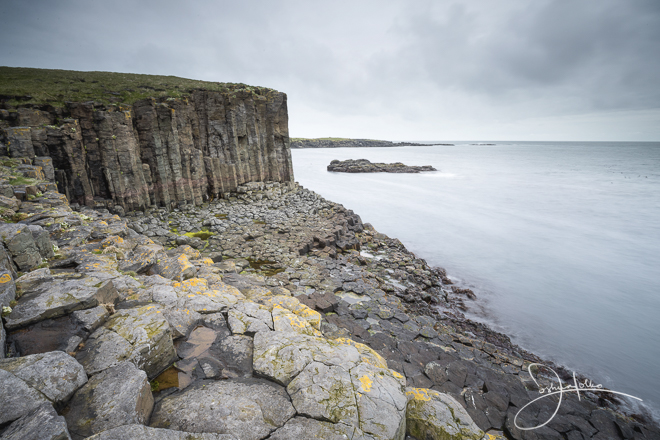
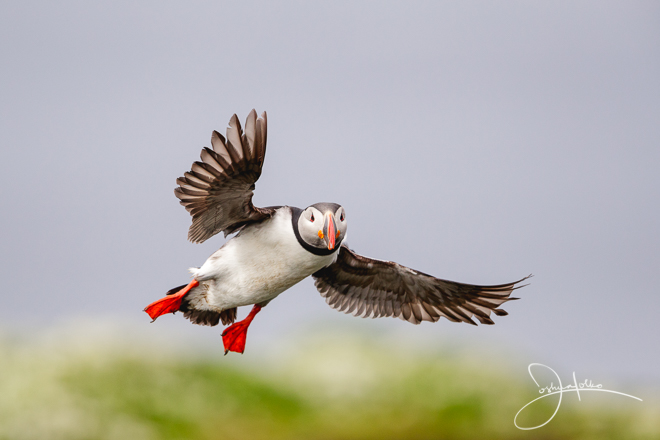 Grimsey Island is perhaps best known for its gigantic Puffin colonies; but there is also a fantastic landscape to photograph in just about every direction. Plunging sea cliffs, dramatic Arctic skies, spectacular basalt columns are all found in abundance. I was personally in awe of the landscape at Grimsey Island and found it thoroughly refreshing to be making photographs in an area so infrequently visited and photographed by tourists. In an era where Iceland is heavily touristed on the South coast it was blissful to be in the far north with a spectacular Island to ourselves for hours and hours of wildlife and landscape photography.
 During this workshop we saw and and photographed nearly fifty different species of birds. Our rarest sighting for the trip was the Sabines gull which we saw only briefly at Grimsey Island amongst a flock of black-legged Kitiwakes resting on the ocean (unfortunately none of us was quick enough to get a photograph). It was also fantastic to briefly encounter the Short-eared owl as well as the colourful Mandarin duck. Landscape opportunities were in abundance during our time at Grimsey Island and it was definitely an unexpected bonus to have such a fantastic landscape available.
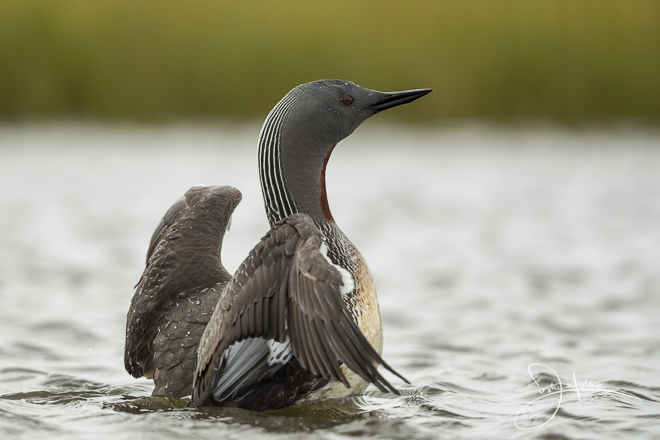
 On our last day during our return to Reykjavik we visited some wetland areas to photograph nesting red-throated divers.
 This was a remarkable workshop that offered up some fabulous wildlife and landscape opportunities. As such, Daniel and I have decided to return to Grimsey Island next year for a second workshop that focuses on both the birds of Iceland as well as the landscapes of this remarkable Island. We are currently finalising details, but if you would like to amongst the first to be notified once bookings are open you can register your interest now by dropping me an email at info@jholko.com
 To those of you who missed out on a place on the 2018 expedition you can still
  The entry edition for the both the Premiere Print Awards and the Australian Print Awards was produced by
 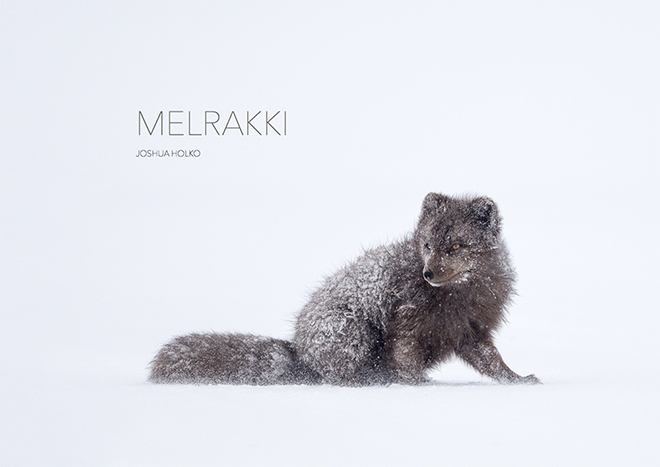 I am absolutely thrilled with these results and I want to thank Michael Warshall and his amazing team at Nulab again for all of their efforts in the production of this super deluxe limited edition. Originally produced as a single one off edition just for both these awards we have decided to make this super deluxe limited edition available for sale in the limited quantity of just five (5) copies (the first edition is already sold). The remaining four will be made available for sale on my
 www.WILDNATUREPHOTOTRAVEL.com