New Zealand South Island Experience and Victoria’s Great Ocean Road

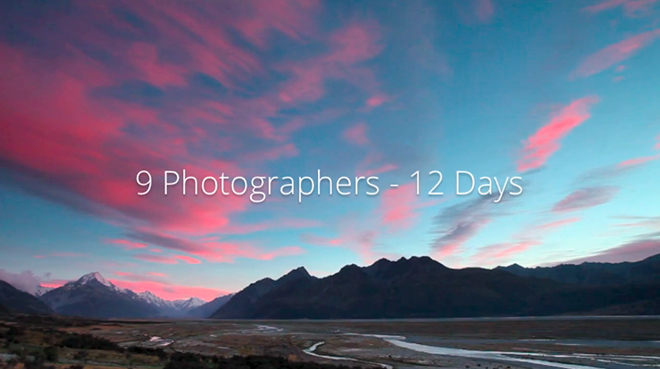
In a few short days I am heading back to New Zealand for a workshop tour of the magnificent South Island with my friend Phillip Bartlett and our group of participants. The South Island of New Zealand is an incredible part of the world and boasts spectacular mountain alps which run down the spine of this amazing country. These mountains plunge almost straight into the sea on both sides of the country. It is the only place in the world I know of where alpine mountains plunge straight into temperate forest that directly hugs such a rugged and wild coastline. I was in the South Island of New Zealand only a few weeks ago completing a week long commercial assignment and I very pleased to be returning again so soon. On this trip we will be circumnavigating the South Island and taking in the best of its many iconic locations as well as visiting some of its hidden treasures and lesser known areas. We will be chartering a helicopter with doors removed for photography over the alps and enjoying a private boat charter for playful Dusky Dolphins and Sea Lions off the coast of Kaikoura. If you want to get an idea of what this tour is going to be like be sure to watch the short tester video below.
Packing for this trip is somewhat of a challenge for me as I am quite keen to take my newly acquired Canon 600mm F4L IS MKII Lens (why own it if you don’t intend to carry it) as well as the 200-400mm F4L Lens – for both Sea Lions, Dusky Dolphins and Albatross in and around Kaikoura. I plan to carry these two lenses to both Iceland and Namibia in March this year so this trip to New Zealand is an ideal opportunity to see how they travel together on international flights. These two lenses add up to a not insignificant amount of weight, but perhaps of more immediate concern is the sheer bulk and space they require inside the camera bag. With both of these lenses in my Gura Gear camera bags there is little room for much else. Nevertheless it never ceases to amaze me just how much gear can be squeezed into the Bataflae 32L bag. So, after some trial packing I will be carrying the following on this trip: (I know this is a ridiculous amount of equipment but I am a person who prefers to carry it and not need it rather than need it and not have it.) Just as a side addendum to this; I used to think I carried a lot of equipment, but then I worked with a video guy last year in the Arctic who redefined what it meant to carry a lot of gear!)

Gura Gear Bataflae 32L Camera Bag

  • Canon EOS 1DX
  • Canon EOS 1DS MKIII
  • Canon 600mm F4L IS MKII (Lens hood goes in the checked luggage bag)
  • Canon 70-200mm F2.8L IS MKII
  • Canon 24-70mm F2.8L MKII
  • Canon 24mm F3.5L TSE MKII
  • Canon 17mm F4L TSE
  • Canon 1.4 TC MKIII
  • LEE Filter System including Graduated ND filters and Polariser
  • Cable Release and other accessories

Gura Gear Chobe Camera Bag

  • 15″ MacBook Pro, back-up hard drive, card reader and accessories
  • Canon 200-400mm F4L IS with inbuilt 1.4 TC (incredibly this does fit in the Chobe!)

North Face Rolling Thunder Duffle *

  • Clothes and Personal Items
  • Really Right Stuff Tripod, BallHead and Jobu Gimbal Mount

* I really like the North Face Rolling Thunder Duffle as a travel bag. It is extraordinarily tough and copes very well with the rigours and violence that checked luggage is exposed to (I really have no idea what baggage handlers do behind the scenes but I am sure it involves some sort of contact sport with people’s luggage). The only downside to this bag is it weighs eleven pounds or five kilograms empty. On flights with a 20 kilogram luggage limit that is one quarter of the limit before you start putting things like clothes in it. Thankfully many of the airlines I travel with these days have more reasonable 25 to 30 kilogram luggage limits and I can usually get close enough to these limits to avoid excess luggage charges.

Victoria – The Great Ocean Road

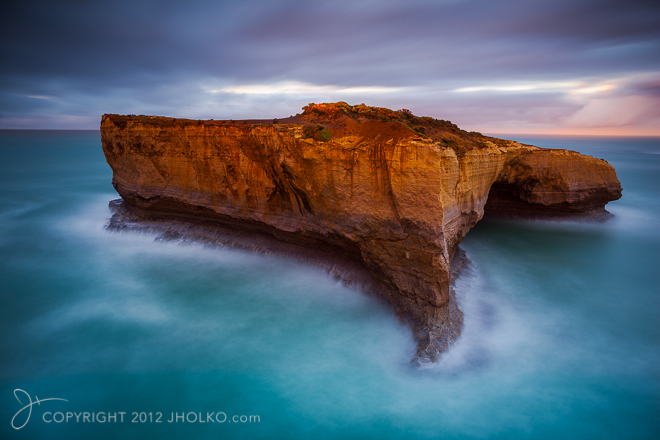
Just before I depart for New Zealand later this week I will be leading a private three day trip down Victoria’s spectacular Great Ocean Road. The Great Ocean Road is home to some iconic Victorian scenery including the Twelve Apostles, London Bridge, The Wreck Coast and more. It has been nearly a year since I last photographed this part of Victoria and I am looking forward to spending a few days in the field in my home state and sharing these amazing locations with my first time visitors. I am offering further one-on-one private workshops here in Victoria by appointment and based around my existing travel schedule both this year and next for anyone who would like to experience the best of this part of Victoria. Please contact me to discuss timing, cost and availability if you are coming to Australia in the near future.
A Polar Photography Experience Video Interview and Outtakes

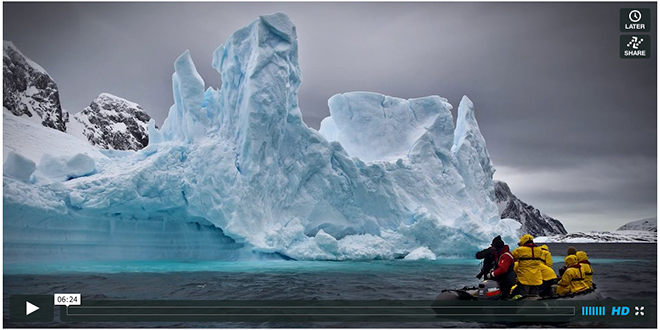
Late last year I released a short movie I produced in conjunction with Untitled Film Works in the Arctic on what it was like to travel on a dedicated photographic expedition to the Polar regions – A Joshua Holko Photography Polar Experience Video. This video was a huge amount of fun to produce and work on with the crew from Untitled Film works. During the filming we were fortunate to experience and capture some truly spectacular sights including an incredible free standing iceberg collapse amongst some incredible landscape and wildlife experiences. The video was shot on a combination of a RED Epic Cinema Camera and a couple of Canon 1DC 4K Cinema Cameras. Audio for the film was recorded separately by a dedicated sound person. The entire movie was shot over a two week period in the Arctic using our ship ‘Polar Pioneer’ as a base of operations. We departed from Iceland in August and sailed across the Denmark Strait to Greenland where we explored the many fjords before we sailed across to Svalbard and docked in Longyearbyen. If you have not seen the movie click on the image below to watch it in full high definition.

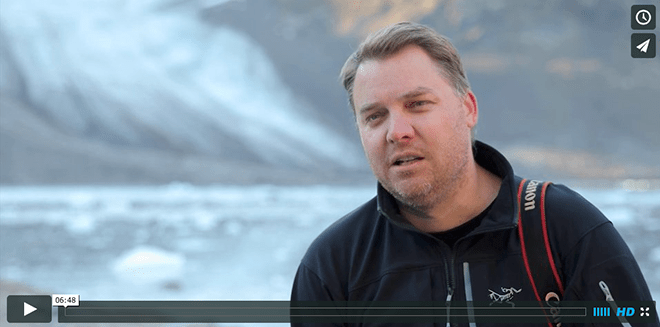
One of the really enjoyable things for me during the production was the video interview we shot high in the Arctic near the calving face of one of Svalbard’s glaciers. The full interview includes all of the final cut footage included in the film as well as all of the outtakes, stumbles and slips that are a part of video production and interviews. The full unedited interview is included below. Enjoy – And remember its outtakes as well!Equipment for this Project

Since the release of this video I have had a few emails asking me specifically what equipment was used to produce this film. So I am including below a list of hardware we took to the Arctic and utilised for the production of this movie.  All of the editing and post production work was completed by Untitled Film Works at their studio in Sydney and a number of different software programs were used depending on wether the footage in question was shot with the RED Epic or the Canon 1DC cameras.  The RED Epic RAW footage requires different grading to the motion jpeg produced in the Canon 1DC cameras and so it was necessary to process them separately before combing the footage in the final edit. The entire project was however shot in 4K resolution and much of it was also shot in very high frame rate on the RED Epic.

Camera for this project included:

  • Red Epic 5K Cinema Camera for high frame rate slow motion footage in 4k resolution
  • Canon 1DC 4K Cinema Cameras x 2
  • Canon 1DX Camera (behind the scenes)
  • Canon 5D MK3 Cameras x 2 (behind the scenes)
  • Several Go Pro Cameras were also used for filming but none of the footage was included in the final cut

Lenses for this project included:

  • Sigma 15mm Fisheye
  • Canon 17mm F4L TSE
  • Canon 24mm F3.5L TSE
  • Canon 24-70mm F2.8L MKII
  • Canon 70-200mm F.27L IS MKII
  • Canon 200-400mm F4L IS with inbuilt 1.4 TC
  • Canon 2X Teleconverter

Other Equipment included:

  • Really Right Stuff TVC-24L 4 Section Tripod x 2
  • Really Right Stuff BH-55 Ballhead x 2
  • Really Right Stuff Levelling Plate x 2
  • Really Right Stuff L Mount Camera Brackets for Canon 1DC, 1DX and 5D MK3 cameras
  • Really Right Stuff Lens Plates for 70-200 and 200-400mm lenses
  • Really Right Stuff MonoPod with RRS Ballhead
  • Miscellaneous Really Right Stuff Accessories including Multi-tool and universal clamps
  • Glide Cam
  • Miller Video Tripod and Fluid Head
  • Various Rode shotgun and lapel microphones
  • Audio Recording Devices
  • 15 Terrabytes of Hard Drives and numerous laptops and associated accessories.

February Photo of the Month: Petermann Island Antarctica

My photograph of the month for February is of a Penguin rookery high on the mountain side at Petermann Island in Antarctica. Petermann Island is one of those incredible Antarctic locations where it is possible to go ashore and wander amongst the many Penguin rookeries making photographs. In this instance, we landed late in the evening via zodiac at Petermann Island and spent several hours photographing the landscape and penguins as the sun slowly set in perfect weather conditions. This photograph was taken around 11pm at night and illustrates just how much light is available this late in the evening in Antarctica. We were very fortunate during this landing to have just about perfect conditions with wonderful light and atmospherics. Dedicated expeditions for photography such as this one (Read the Report) are the key difference between capturing images such as this in ideal lighting conditions and just snapshots taken in the middle of the day. If you are interested in travelling to Antarctica for photography I am running two expeditions to the great white continent this year. The first is an extended expedition to South Georgia Island and Antarctica with my good friend Andy Biggs. The second is a shorter expedition to the Antarctic peninsula with fellow Australian photographer Antony Watson. Full details, including an itinerary is available for download on the workshops page of my website at www.jholko.com There are only very limited places remaining on both expeditions. If you want to get more of an idea what it is like to travel on a dedicated photography expedition be sure watch the Polar Experience Video I produced late las year.

Creating Intimate Wildlife Photographs

One of the easiest things you can do to dramatically improve your wildlife photography is to get down low. Chris Gamel who was a participant on my photography expedition to Antarctica last November touched on this briefly with his ‘Alter the Perspective‘ tip in his guest post here on my blog a week or so ago. It is worth emphasising the importance of this advice as getting down low allows the photographer to connect with the subject and create a far more intimate photograph than one taken at the average human standing height. When you get down low (to eye level) with the wildlife you have a much better chance to connect with your subject and to create a photograph that tells the viewer much more about the life of the critter and the environment in which it lives. Many banal wildlife images could easily have been improved if the photographer had made the effort to get down to the perspective of the subject. Getting down low is not always the answer of course. There are occasions when raising the perspective is the preferred approach and these instances should be relatively obvious.

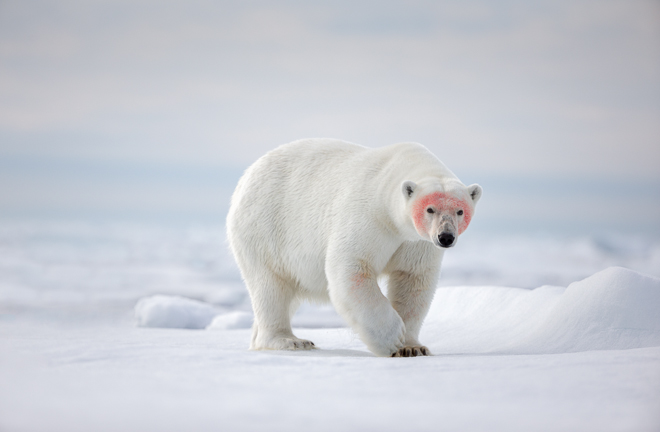
I am including an example below that illustrate the importance of getting down low and connecting with your subject in wildlife photography. I want to place particular emphasis on ‘connecting with the subject’ as this is something professional portrait and street photographers often talk about and with good reason. When you connect with your subject you have a far better chance to successfully capture their character and personality. You are going to create a photograph that tells the viewer something about the subject and perhaps gives an insight into who they are.  Connecting with a subject does not always mean you have to make eye contact either. Connecting in this case simply means you are shooting the subject in a manner in which you are trying to tell their story. When it comes to telling the story of wildlife my preference is often to shoot landscape photographs that include wildlife rather than head and shoulder portraits. Photographs that include the animal in the landscape tell the viewer something about the environment in which the animal lives and helps place the critter in context. In this example I am including a photograph that is more portrait orientated to better illustrate the importance of perspective. I photographed this Polar Bear at 80º North of Svalbard at the edge of the permanent pack ice. This bear showed no fear whatsoever of the small ship (with only twelve photographers aboard) I was travelling on and approached within just a few feet of us. The opportunity to create a great photograph was a combination of being in the right place at the right time, but just as important as actually being there was getting down low. In this instance I got down as low as I possibly could and waited until such time as the bear and I made eye contact before I pressed the shutter and took the photograph. The result is an intimate and personal photograph that speaks volumes about the environment in which the animal lives and how it perceives its surroundings. The viewer perceives the sea ice and surroundings from the perspective of the bear which helps connect the viewer with the subject. In this instance, eye contact with the bear helps draw the viewer into the photograph and emphasises the connection with the subject.

I want to emphasise that getting down low and connecting with your subject starts long before you arrive on the scene and take a photograph. You have to consider the location you are going to be shooting from and how this relates to where your subject might be when you press the shutter. And of course you have to take into account the all important background amongst a myriad of other technical, aesthetic and compositional concerns and challenges.  Some forward planning can go a long way when you are planning your next wildlife photography sojourn. Give serious consideration to the places you will be able to take photographs from and the opportunities that location will provide you. Your chance to get down low and connect with wildlife could be more than hampered by a poor choice of vessel or vehicle. Large cruise ships with hundreds of people and big buses that place the photographer high up are not ideal shooting platforms if you want to get down to eye level with your subject. Be it an African Big Cat Safari or an expedition to Photograph Polar Bears take a moment and find out what your real options are for connecting with your subject. It could well be the difference between an outstanding wildlife image and just another snapshot.

Better Photography Magazine – The Jewels of the Arctic Report by Peter Eastway

One of the real pleasures of 2013 for me was having Grand Master of Photography Peter Eastway co-lead the Jewels of the Arctic expedition last August to Greenland and Svalbard. Peter is one of the most accomplished, awarded and respected landscape photographers working today and it was fantastic to be able to work with him during this expedition. On top of being a landscape photographer Peter is also owner and editor of Australia’s Better Photography Magazine. He recently documented our journey through the Arctic for the Summer 2014 issue and has generously allowed me to release the article here as a PDF for download. Be sure to visit Better Photography and subscribe for future articles and issues.Just in case you missed it – Be sure to watch the short film produced by my good friends at Untitled Film Works of our experiences in the Arctic. Make sure you watch it full screen in glorious 1080p High Definition!

For those of you who have already enquired about the expedition I will be leading in July 2015 to Photograph Polar Bears I will be opening bookings in the next few days. This expedition will be limited to just twelve photographers and there are preliminary details on my website in the WORKSHOPS section.