
In November of 2018 I lead an expedition for a small group of photographers to the frozen sea ice of Gould Bay in Antarctica to camp with and photograph Emperor Penguins. The colony at Gould Bay is actually the most southerly Emperor Penguin colony in Antarctica and is also one of, if not the most, difficult colonies to reach. This was my third expedition to this remote region of Antarctica and it proved extremely productive. This was also the first time I have been able to properly explore and photograph one of Antarctica’s dry valleys – a location not far from Union Glacier known as the Elephants Head.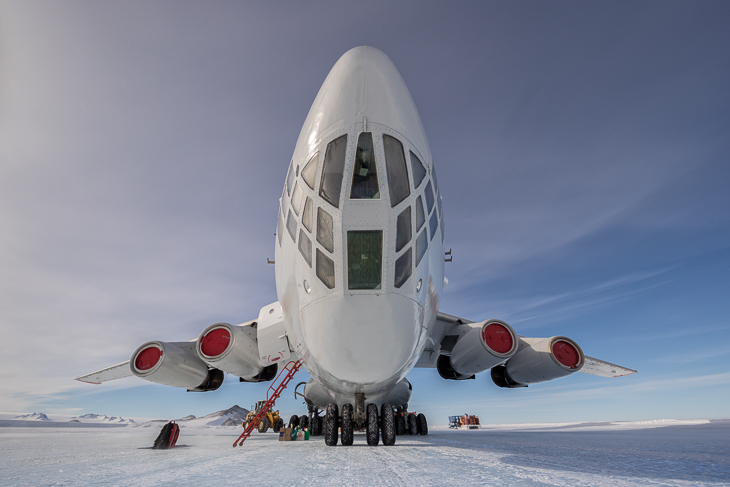
There are plenty of species the world over that are much harder to find than Emperor Penguins. To my knowledge however, none is as difficult or as expensive to reach as the Emperor Penguin; and thats the conundrum of Emperor Penguin photography. We know exactly where they are located, we just cant get to them without great difficulty and significant expense. Living on the sea ice in remote and difficult to reach areas of Antarctica the Emperor Penguin is therefore as difficult to reach as the enigmatic snow leopard is to locate in the wilds of its mountainous territories. It is an odd problem for wildlife photographers to recognise and accept that we know exactly where our subject is located but that we just cant get to it.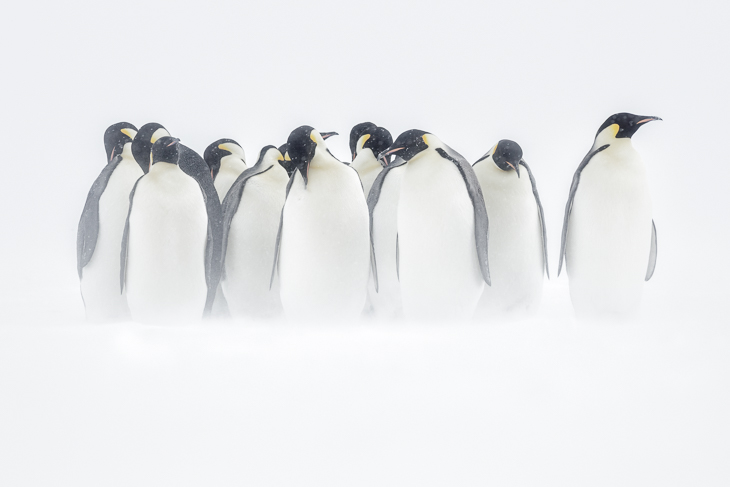
After more than a year of anticipation, our expedition began with the five of us meeting in the small town of Punta Arenas in Chile at the bottom of South America. Our expectations and hopes were high and we were all buzzing with excitement at the prospect of getting underway. Our plan involved taking a flight on a Russian Ilyushin cargo aircraft and landing on the blue ice of Union Glacier in the deep interior of Antarctica at approximately 79º south (approximately 1100km from the South Pole). We had planned to depart on or around the 18th of November depending on the prevailing weather. Once at Union Glacier we would establish a camp from which we would take a twin-otter aircraft equipped with skis out to the remote sea ice in Gould Bay where we would establish our advance camp around three kilometres from the Emperor Penguin colony (and around ten miles from the ice edge). The flight from Union Glacier to the sea ice is around three hours. Once on location we would be in one of the most remote and isolated camps in the world. We would then commute by walking on the sea ice to the colony for photography during the small hours of the night when the sun was at its lowest and the light at its softest.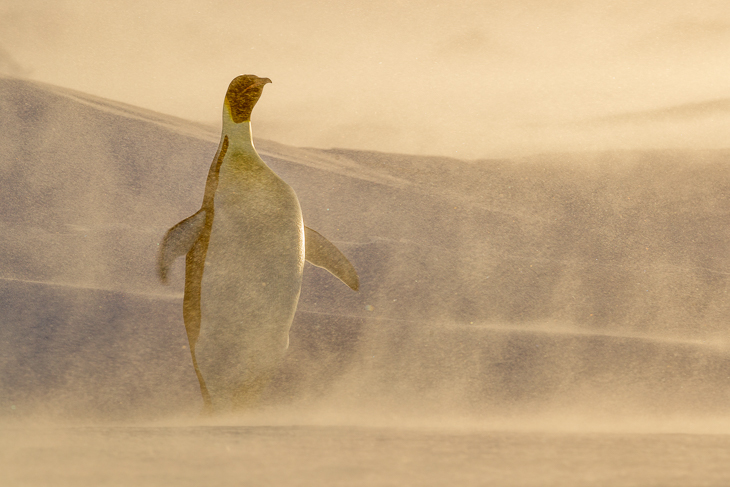
This year we were delayed by only a single day in Punta Arenas before we had a suitable weather window to take off and land on the ice at Union Glacier. The flight time from Punta Arenas to Union Glacier was approximately five hours. This year the Chileans were doing works on the runway at Punta Arenas which meant we had to land in Ushuaia to fully fuel the plane before we made our way to Antarctica.
The Ilyushin cargo aircraft is equipped with military jump seats, little insulation and few feature comforts; making the ride exciting and far removed from the average commercial flight. Landing at Union Glacier on blue glacial ice is a surreal experience that is unmatched by any other flight I have ever experienced. When the rear cargo door of the big Ilyushin swings open and you step down onto Antarctic blue ice that is approximately a kilometre thick at the point of touchdown there is a real visceral thrill. Temperatures out on the blue ice were around -20º Celsius with wind chill on our landing. We took the opportunity to photograph the plane whilst all the luggage and supplies were unloaded before it took off for its return flight to Punta Arenas (The Ilyushin has to turn around as quickly as possible due to the risk of the plane and engines icing). We then loaded up the specially modified super jeeps and made our way across the glacier to basecamp.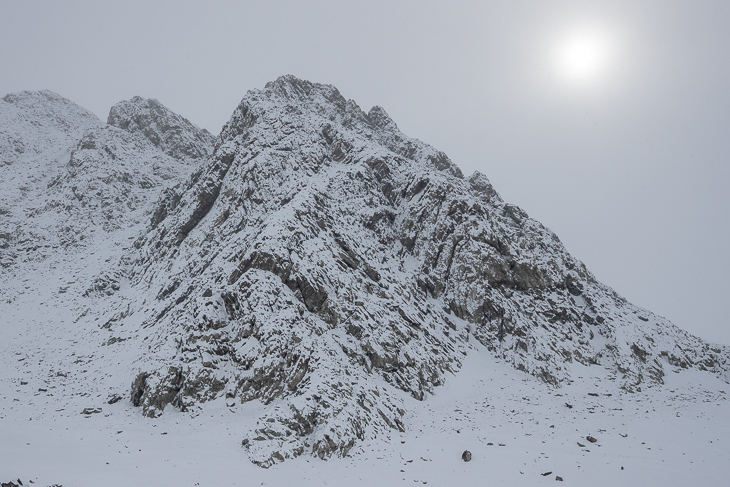
With basecamp established we now needed a second weather window with sufficient visibility for us to take off from Union Glacier and then land on the sea ice at Gould Bay. After a couple of days at basecamp (during which time we took the opportunity to explore a little and do some landscape photography including exploring one of Antarctica’s dry valleys) the wind was finally dropping and visibility improving and we were able to load up the twin-otter plane and make the three hour flight from Union Glacier out to the remote sea ice at Gould Bay. The sea ice at our chosen camp site was approximately two metres thick and extended ten miles from where we were camped out to open water (a distance the Penguins commute for fishing on a daily basis). We quickly set about establishing camp before we grabbed a few hours sleep and prepared ourselves to walk the three kilometres across the sea ice to the main penguin colony for some stunning photography. We used sleds to carry our gear which we dragged behind us across the ice. This is actually far easier than it sounds and even fully laden with camera gear the sleds slide with relative ease across the ice.
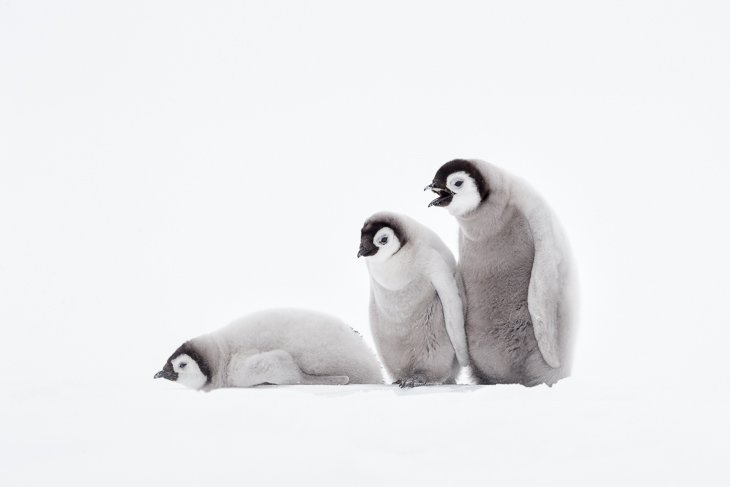
The sun never sets this far south in Antarctica during the summer months so we planned to do most of our photography during the night hours when the sun was at its lowest and the light at its softest. We spent hour after hour photographing the penguins during the midnight sun and I confess that I completely lost track of time during these sessions. It wasn’t until fatigue and hunger set in that I would glance at my watch and realise we had been photographing for more than five hours; at which point I realised I could no longer feel my fingers. Temperatures averaged around -15º Celsius with wind chill, with only our last evening being warmer at around -10º Celsius.

I felt we were extremely fortunate to have quite consistent 15-20 knot plus winds during our time on the sea ice this year which made camping and commuting to the colony difficult but proved absolutely superb for photography. With strong winds and blowing snow the Emperors and their chicks were often plastered with snow which made for very emotive and dramatic photography. We were also fortunate to experience a real variety of light during our time with the Penguins.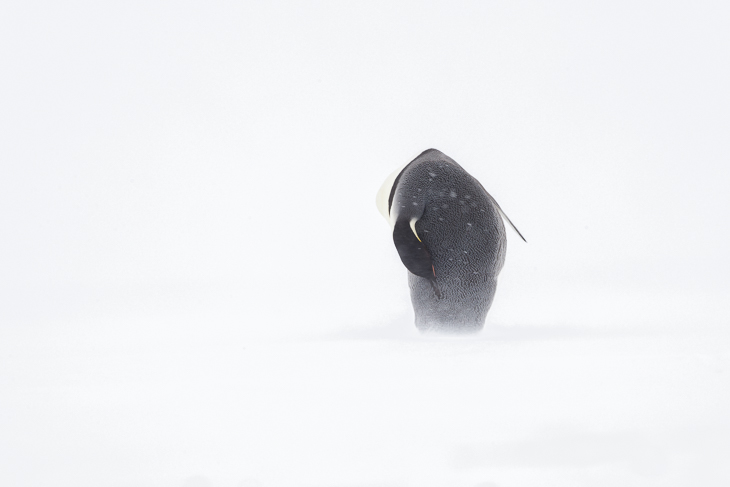
In the early hours of the morning, when we had tired and could no longer tolerate the cold, wind or hunger took over we would hike the three kilometres back to our mountain tents for a meal and some warming drinks. We would then grab a few hours shut eye before breakfast and more photography sessions with the penguins.
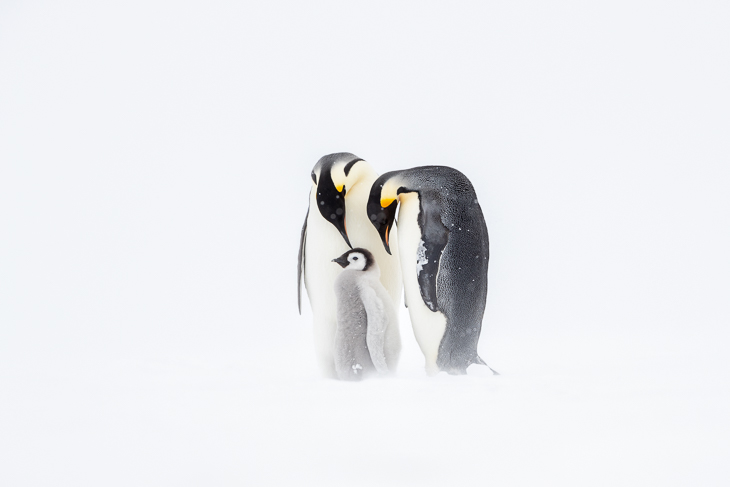
On occasion we had to walk no further than a few metres from our tents to photograph lines of Emperors coming and going on their way to the ocean. Everyone in our group took the opportunity to make photographs whenever the chance arose (which was often). I think we each only slept a few hours a day in total; although I don’t really remember as that part of the expedition already seems somewhat of a blur. The constant daylight and 15-20 knot winds whipping the mountain tents around makes sleep somewhat more difficult than usual. Thankfully though, the tents themselves are solar heated by the 24 hour sun and as such are actually quite warm inside. During the day I found I only needed a base layer of marino wool to stay warm in my tent. Anything else was too hot.
For this expedition I chose to shoot with two cameras (2 x Canon EOS 1DX MKII) pretty much the entire time. By far my most used lens was the 400mm F2.8L IS MKII and the 16-35mm F4L. I also shot with the 70-200mm F2.8L IS MKII and made a few images with the 24-70mm f4L IS. I did also carry the 300mm f2.8L IS MKII but had bought this lens specifically to loan to one of my clients for their use during the expedition.
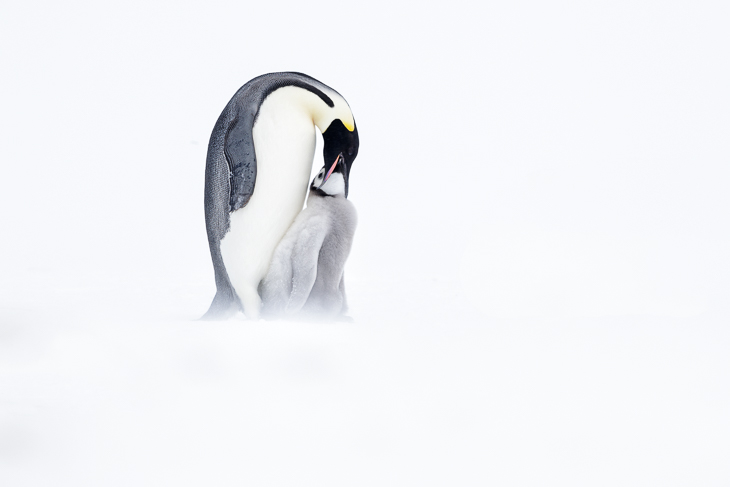
I had arranged for a small step ladder to be taken down with us to our camp on the sea ice with the idea that we could use it to get some height over the colony. The idea I feel was a good one, and several great panoramic images of the colony resulted. After several days of camping with the Emperors we had to take advantage of a weather window to reverse engineer ourselves back to Union Glacier and back onto Punta Arenas.

Only a small handful of photographers ever visit and photograph the Emperor Penguins. By comparison approximately thirty-thousand people plus visit the peninsula of Antarctica annually. In 2020 I plan to return to both the remote frozen sea ice and the interior of Antarctica for both the Emperor Penguins and the interior landscapes of Antarctica. You can register your interest in this unique expedition by dropping me an email and I will keep you updated as logistics progress. There is no obligation at this point. To see the full portfolio of images from this expedition please visit my website at www.jholko.com


 www.WILDNATUREPHOTOTRAVEL.com