Very excited that for the third year in a row (and my third time entering), I have multiple photographs in the final round of judging of Bird Photographer of the Year. For 2025, four of the eight photographs I entered into the competition have been accepted into the final round of judging (same as 2024!). I cannot as yet share which photographs made the finals, but I will do so as soon as possible. In the meantime, please enjoy this photograph of the Atlantic Puffin, shot in Iceland during a scouting trip to Grimsey Island. This is just one of the incredible bird species to be found on my Ultimate Puffins workshop later this year.
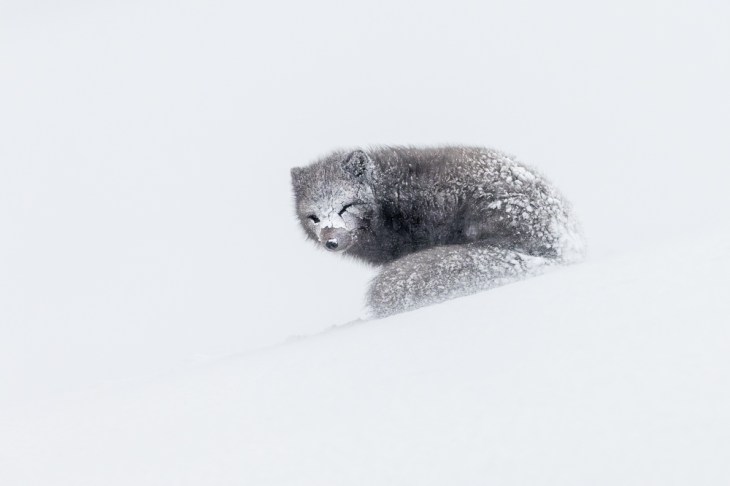
Tomorrow morning we are kicking off the second of our two back-to-back sold out workshops for the Arctic fox here in the far north west of Iceland. Iceland is never dull and you never know what the weather will do next with its wild freeze / thaw winter climate. Our first trip saw us start with a good cover of snow and end with a touch of Spring! With a little luck we will have some incredible conditions out in the Hornstrandir nature reserve over the coming week. Of course, we hope for lots of flying snow to capture incredible images of Nature’s greatest feat of engineering.
There are now just a few places remaining on next years 2026 workshop. If you have ever wanted to photograph Arctic Fox in winter then this is absolutely the workshop for you. We have a small group size, personal one-on-one tuition and private cabin for the duration of the trip. We pioneered this trip and have been successfully running workshops for Arctic Fox for more than ten years now to the remote north west of Iceland. What our clients say about this workshop:
“We just got home yesterday. I hope everyone had an easy journey! It was great being there and great having such a wonderful group of people. Josh, THANK YOU for all the hard work to make this trip a RESOUNDING SUCCESS (also thanks to the photo gods for great weather and our beautiful little melraaki). Thank you for your Post-processing help offer and the offer to print!!!! Will stay in touch Best to all”
“Hi Josh, you had a bunch of very kind and special people on this trip. Those stars have a tough time aligning, and your trip made that possible. Your arctic fox trip had way too many kind and special people. Not every tour leader can claim that. Looking forward to our next trip with you. You assemble and run the best tours!!!”
“Hi Josh!I just wanted to drop you a line, having taken a look at your selection of top images for 2024 – firstly, of course, they are all fantastic……but what really strikes me is that I have three almost identical ones – and that’s down to you. There is no doubt that you are taking us, your clients, to the absolute top spots, in the right conditions with the top in-field guides, then pushing to make the most of what we find. And on top of that, you are always up for last minutes in-field shooting questions and post-processing recommendations.Can’t thank you enough!”
We are continuing to receive incredible feedback on our Lightroom Noise Reduction Pre-sets for the Canon EOS R1, EOS R5 MK2, EOS R3 and EOS 1DX MK3. Much of this feedback from users of these presets is seen across social media platforms and I just wanted to take a moment and say thank you to all those who have purchased the pre-sets and have posted about them – thank you. Your feedback helps spread the word and is hugely appreciated. Pre-sets have been heavily requested for the original Canon EOS R5 as well as the EOS R6 MKII. Whilst we cannot promise we can create optimised pre-sets for these specific cameras (as I am travelling extensively this year) you can use the EOS R5 MK2 for the EOS R5 and the EOS 1DXMK3 for the R6MKII.
Our all new Best of Antarctica by Air expedition in January 2027 is already sold out – thank you. This bespoke fly-in, fly-out expedition (No Drake Passage!) to Antarctica is for dedicated and passionate Nature photographers who want to capture evocative and powerful photographs of Antarctica and its incredible wildlife. We have an extremely small group size of just ten people, a full fourteen days in Antarctica, and personal, one-on-one tuition for the duration of the expedition. Perhaps best of all for those prone to seasickness; we avoid the Drake Passage! As this expedition sold out so quickly, we are currently looking into the viability of a second trip if we can secure our preferred additional dates and vessel and will update both here on our blog and and our website in due course. If you are keen to photograph the majesty of Antarctica with the most experienced polar photography guides on earth please get in touch with us.
Why Travel to Antarctica with us? We have been leading and guiding expeditions to Antarctica for more than fifteen years and have an intimate knowledge and experience of the best places to visit at the best times – when the weather and conditions are right. Our experience ensures you are in the right place at the right time – when conditions and light come together – to give you unequalled opportunities. No two expeditions to Antarctica are ever the same and the choice of photography guide and leader is often the difference between a mediocre experience and an incredible one.
What our clients say about our Expeditions: “If you can only go to Antarctica once in your life you owe it to yourself to go with Joshua Holko and his team Wild Nature Photo Travel. Having done five different expeditions myself to Antarctica no one else has even come close to offering the same experience or photographic opportunities. Joshua will go the extra mile every time, putting zodiacs in the water for opportunities other leaders would missand making sure everyone is getting the best possible photographs. I cannot recommend his expeditions more highly. Go with the expert.”Dan.