My fourth book review for 2015 is Arctic The Best Photographs. Arctic the Best Photographs is a publication of the winning, runner up and highly commended photographs from the 2013 Russian Global Arctic Awards Photographic competition. Arctic the Best Photographs is therefore a collection of photographers work (90 different photographers) that was judged to be the best from the 2013 Global Arctic Awards. As such, there is a broad diversity of work throughout the book from many different photographers and the genres range from wildlife to landscape, people, travel and more. I found this diversification of work to be an enjoyable experience as it really showcases how many different aspects there are to life in the Arctic. If you value photography from the Arctic regions you will certainly find many images that will appeal to you. As you would expect for a “Russian photographic publication” the included text is presented in Russian as the first language and the English translation supplied next to it.
With a shelf price of 35 Euro Arctic the Best Photographs isn’t exactly inexpensive, but on the other hand no quality photographic book ever is and the pricing is commensurate with similar publications. Just as an aside, freight to Australia for Arctic the Best Photographs was considerable at more than twenty Euros making the cost of ownership higher than would perhaps be expected. First world problems…
Presentation: Arctic the Best Photographs is hardbound in a nice clean glossy finish with de-bossed silver text on the cover (there is no dust jacket). Consisting of approximately 160 pages in an almost square (26cm x 24 cm) format there is a large amount of material enclosed and as such the book is quite hefty for its size. The choice of square format for this publication was a clever decision that gives equal billing to both portrait and horizontal images. The paper is a medium weight semi-gloss lustre that is satisfactory; if somewhat lacking to some of the finer papers found in higher quality publications. Although, I personally prefer art papers to lustre papers the choice of paper in Arctic the Best Photographs is suitably chosen and appropriate for the imagery. I like the inclusion of matching end papers that increase the overall quality of the presentation. Most of the included photographs are printed with a white paper border to help frame and contain the image and keep the eye from running off the page. There are a few full bleed images included and I felt these detracted from the rest of the presentation. Whilst I appreciate the use of the occasional full bleed image to help break up a book I do feel that their use really takes away from the images that receive this treatment. Otherwise the layout is pleasing with each photograph receiving its warranted billing. Each photograph is titled with the image title, photographers name and the location of where the photograph was taken (in both Russian and English). Overall the presentation is satisfactory, but falls short of excellence.
Print Quality: The 2014 Canon APPA Gold awards book I reviewed earlier this year remains the gold standard in print quality that surpasses anything I have yet seen from an offset printer. Arctic the Best Photographs unfortunately falls more than a little short of this benchmark with quality that can perhaps best be described as average. As you would expect of a book that encompasses the best photographs of the Arctic, many of them were shot in superb light and its unfortunate that this has not translated well in print. The print quality is better than I have seen from many self publish books, but is definitely not representative of the best it can be. I am always left somewhat disappointed when I am looking at fantastic photographs that are poorly printed – it really detracts from the overall experience and leaves me unfulfilled. Just as an aside Arctic the Best Photographs was printed in Latvia. I have several other books I purchased recently also printed in Latvia and they range in quality from quite good, to mediocre. Arctic the Best Photographs unfortunately falls in the mediocre camp.
Conclusion: Arctic the Best Photographs is a solid two star presentation of the best photographs from the 2013 Global Arctic Awards. The photographs contained therein are for the most part superb and on their own would rate much higher (although there is the odd cliché image that obviously still managed to woo the judges). I really wanted to give Arctic the Best Photographs more than two stars as there are so many fantastic photographs included in the book; however, the print quality really lets down the photographs and left me feeling somewhat short changed. Arctic the Best Photographs is a worthwhile addition to any photographic library that values photography from the Arctic regions. ** Consider buying this book if the subject matter appeals to you.
Footnote: Arctic the Best Photographs (2013) is now in limited supply and Arctic the Best Photographs (2014) appears to be already sold out.
 During both expeditions we were fortunate to see and photograph Polar Bears on the pack ice including a number of Bears on recent seal kills. Seeing a Polar Bear on a seal kill is a very rare event and as luck would have it were able to photograph the kills and all aboard were able to capture some really fantastic photographs.
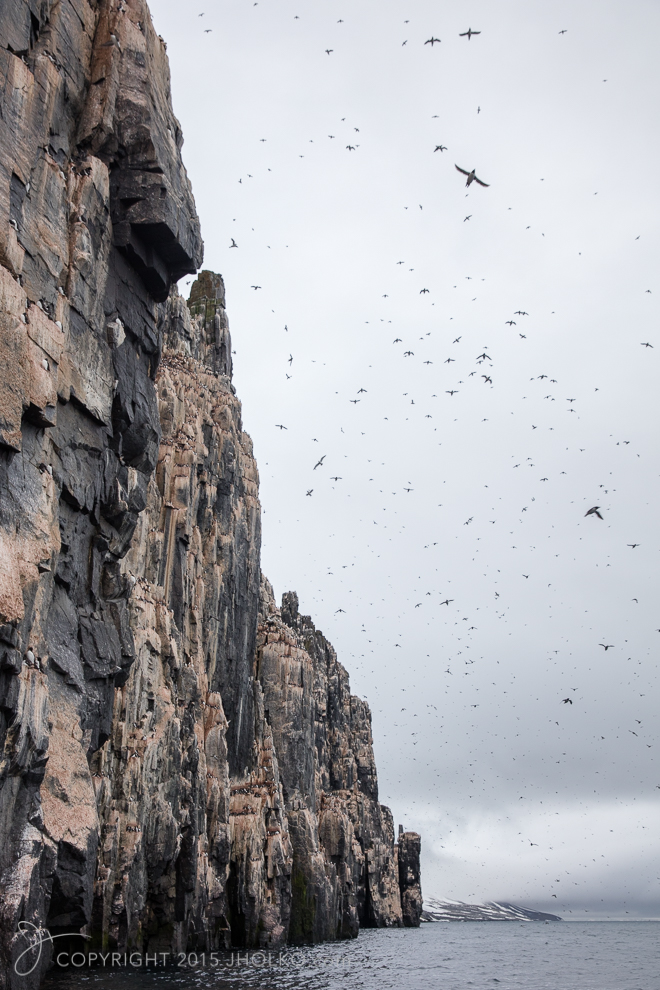
 We continued our northerly travels encountering a mix of weather and fog before we arrived into better conditions in the Hinlopen strait. In this area we explored and photographed the spectacular 200 mile+ long glacier face Bråsvellbreen and the plunging bird cliffs at Kapp Fanshawe. The sights and sounds of thousands of nesting birds against such a precipitous cliff is an awe inspiring sight. I have been fortunate to visit this area a number of times now and it never ceases to impress. Bobbing up and down in a zodiac beneath these rock spires, surrounded by thousands of Arctic birds is a very special experience.
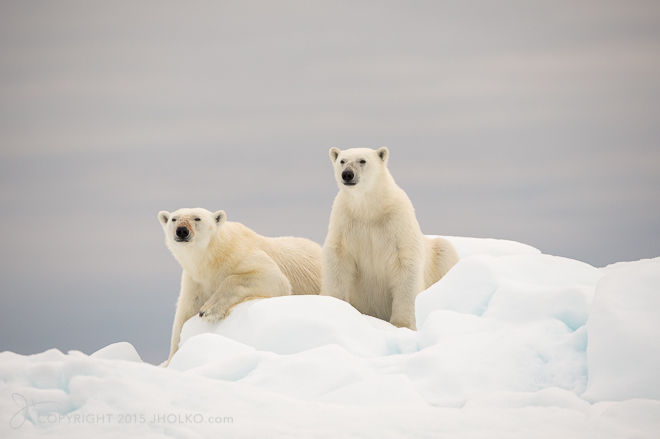
 We continued to head north spending the next few days exploring the pack ice and photographing Polar Bears as they jumped from ice flow to ice flow. The Arctic pack ice is a vast area and just finding Polar Bears in this maze of ice can be quite the challenge. We spent many hours scouring the ice with binoculars to find these masters of camouflage. On this expedition our total bear count on the pack ice was eight – with almost all of these being close encounters where we were able to get some really wonderful photographs.
 When it was time to head south again we made several stops in the spectacular Kongsfjorden; where we photographed Arctic Fox cubs and cruised the glacier fronts photographing icebergs, seals and landscapes. We also landed in Poole Pynten where had a wonderful session photographing Walrus in fantastic light. During the expedition we were also fortunate to see and photograph a rare Blue whale (unfortunately I did not get a good photograph). Blue whales are quite tricky to photograph as they rarely reveal to much of their body above the waterline. Nevertheless the experience of seeing this massive mammal is an experience that stays with you forever.
 The second expedition (August 20th – August 30th) saw us set sail from Longyearbyen and head directly north for the pack ice. We made a number of small detours and stops along the way (including a glacier front cruise at Duvefjorden where we encountered three polar bears on some summer melt pack ice) as we dodged some inclement weather before arriving directly on a fresh seal kill with two Polar Bears on the edge of the sea ice – perfect. This was a miraculous find as we had a quickly closing weather window that required us to retreat from the sea ice until the seas calmed and we could return.
 We sought shelter for the evening in the lee of the Seven Islands before resuming our search for Polar Bears on the pack ice. At our furthest northerly most position we were just shy of 82º North – less than 500 Nautical Miles from the North Pole. We cruised the edge of the pack ice for several days photographing the dramatic landscape and had numerous encounters with Polar Bears in fabulous weather.
 Our total Polar Bear count for the first expedition was eight including three bears on kills. Our count on the second expedition was fourteen including another two kills. This was a fabulous result that netted some amazing photographs from all aboard.
 This year saw a dramatic increase in sea ice in the Svalbard region that made finding Polar bears very difficult due to the nature of the ice (lots of ice rubble and very little flat pack ice). It is worth noting that this increase in sea ice is not contrary to global warming evidence (as has been reported elsewhere). This phenomena was merely the result of the polar ice cap (which moves) shifting more toward the Svalbard side of the globe. Overall, the massive reduction in sea ice continues and 2015 saw the Arctic ice pack shrink to record lows. Just as an aside I was extremely pleased to hear in late September this year that Shell has now abandoned its oil and gas exploration drilling in the Arctic for the foreseeable future.
 Both of these expeditions were remarkable trips that provided some truly fabulous photographic opportunities. The high Arctic remains one of the most spectacular locations I have ever visited and I look forward to returning again next year when I will lead another expedition to the pack ice north of Svalbard (and again in 2017) Polar Bears of Svalbard. The expeditions will depart on the 25th of July from Longyearbyen and are dedicated to the photography of Polar Bears living and hunting on the sea ice. If you would like more information about either of these expeditions please drop me an email at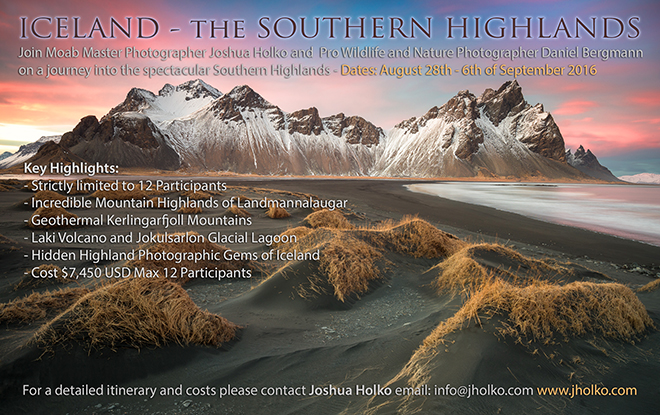

 Congratulations Erica (and thank you for the wonderful comment!), your print will be sent to you within the next week or two. Keep an eye out on my blog for the next
  www.WILDNATUREPHOTOTRAVEL.com