New Zealand 2017 South Island Masterclass Workshop

It is hard to believe that in just a few days I will be leaving Australia again and making the short hop across the pond to the South Island of New Zealand for my sold out 2017 Masterclass workshop (it really does feel like I just arrived home from winter in the Arctic). Much of what I was hoping to accomplish in terms of post production, printing and office work before I left for New Zealand is  still residing in my inbox; where it will now stay until sometime in June when I return from my Puffin Workshop in Iceland (after I finish in New Zealand I will guide a small private tour through Tasmania before I head straight to Iceland). I have found time to process and print a few of my favourite images from Svalbard this winter, but I have only just begun to scratch the surface.

As is traditional, I like to post a packing post of what equipment I am planning to carry and use during the workshop. For my Masterclass workshop this year I have decided to travel super light (first time for everything!) and only take a very limited selection of equipment. This particular workshop is solely about landscape photography so there is little need for big heavy telephoto lenses or high speed cameras. Truth be told, I am actually really looking forward to travelling with such a  light load for a change (I will have plenty of heavier equipment when I head back to Iceland for the Puffins).

For New Zealand I have decided to take both my tilt and shift lenses (17mm and 24mm) instead of  a wide angle zoom. I have found in recent times I prefer the movements of the tilt/shift lenses to the flexibility of a zoom lens when I am working from tripod. It is a trade off I find acceptable when I am predominately working with landscape on a tripod. Although we have quite a bit of aerial photography from helicopter planned for this workshop experience has shown me that 24-70mm is usually a better focal length than 16-35mm for this sort of work.

My camera bag for this trip is actually a small non-dedicated backpack that I can easily accomodate my equipment in and still have room for filters, a rain jacket and accessories.

Camera Backpack (Carry on Luggage)

– 1 x Canon EOS 5DSR body with two spare batteries and RRS L Bracket
– 1 x Canon 17mm TSE Lens
– 1 x Canon 24mm TSE lens
– 1 x Canon 24-70mm F2.8L IS MKII Lens
– 1 x Canon 70-200mm F2.8L IS MK II Lens
– 1 x Canon 104 Teleconverter MKIII
– 1 x LEE Filter Kit includes: Graduated ND and ND Filters / Holder and Accessories
Gura Gear Chobe (Carry on Luggage)
– 1 x Apple MacBook Pro 15″ Retina
– 1 x Apple laptop charger
– 2 x Sandisk Extreme 2TB SSD Drives
– 1 x  USB CF card reader
– 1 x Sunglasses and sunglasses case
– 1 x iPad Pro 9.7″ Tablet
Tripod (checked Luggage)
– 1 x RRS 3-Series Tripod
– 1 x Arca Swiss D4 Geared Tripod Head

There is one other important piece of documentation I will be taking with me on this expedition and that is an Australian Customs Declaration form. If you are travelling internationally from Australia you can read about the benefit arming yourself with this documentation HERE.

For the astute readers amongst you; you may have picked up that after I finish in the South Island I will be running a private trip to Tasmania. This Tasmania trip will be something I am offering in May 2019 for a small group of just six photographers. The workshop will take in iconic areas such as the Cradle Mountain National Park, Freycinet National Park, The Wild West Coast and much more. I will have more details later this year – but you are welcome to register your interest to be amongst the first to be notified when details are finalised (no obligation at this point). See you in New Zealand!
 

World Penguin Day Today

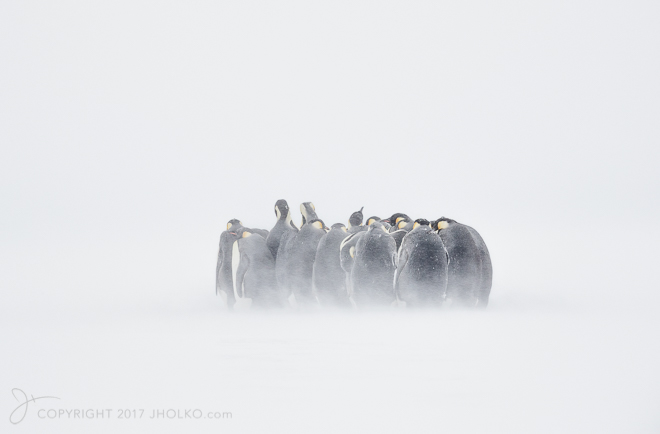
Happy World Penguin Day! This year, we can celebrate the news that the Adélie and Emperor penguins from Antarctica’s Ross Sea now live in the world’s largest marine protected area.

The world’s experts on Antarctic marine conservation have agreed to establish a marine protected area (MPA) in Antarctica’s Ross Sea.

This week at the Meeting of the Commission for the Conservation of Antarctic Marine Living Resources (CCAMLR) in Hobart, Australia, all Member countries have agreed to a joint USA/New Zealand proposal to establish a 1.55 million km2area of the Ross Sea with special protection from human activities.

This new MPA, to come into force in December 2017, will limit, or entirely prohibit, certain activities in order to meet specific conservation, habitat protection, ecosystem monitoring and fisheries management objectives. Seventy-two percent of the MPA will be a ‘no-take’ zone, which forbids all fishing, while other sections will permit some harvesting of fish and krill for scientific research.

Melrakki Arctic Fox 2018 Calendars Now Available

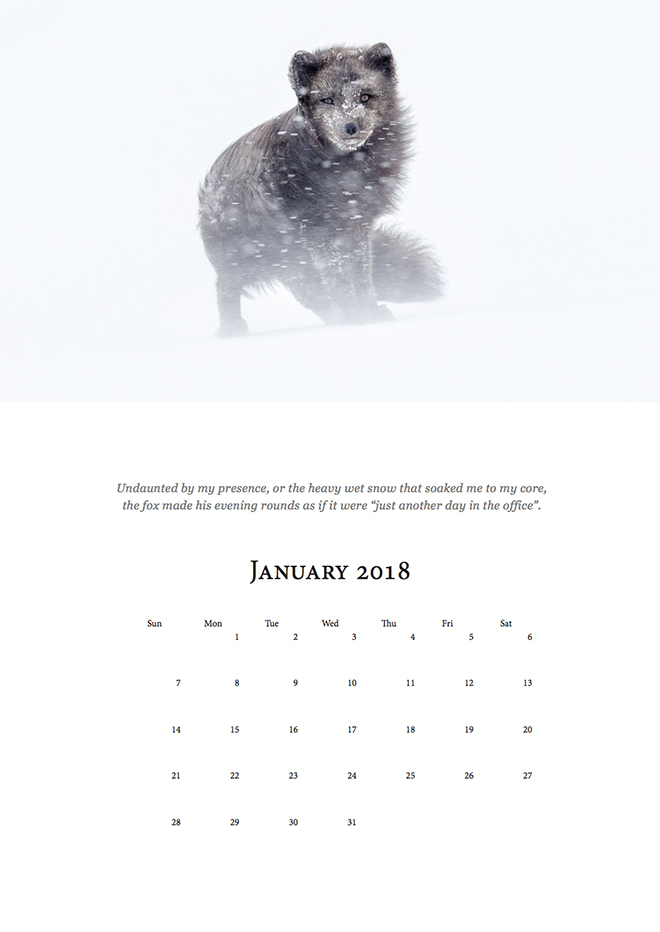
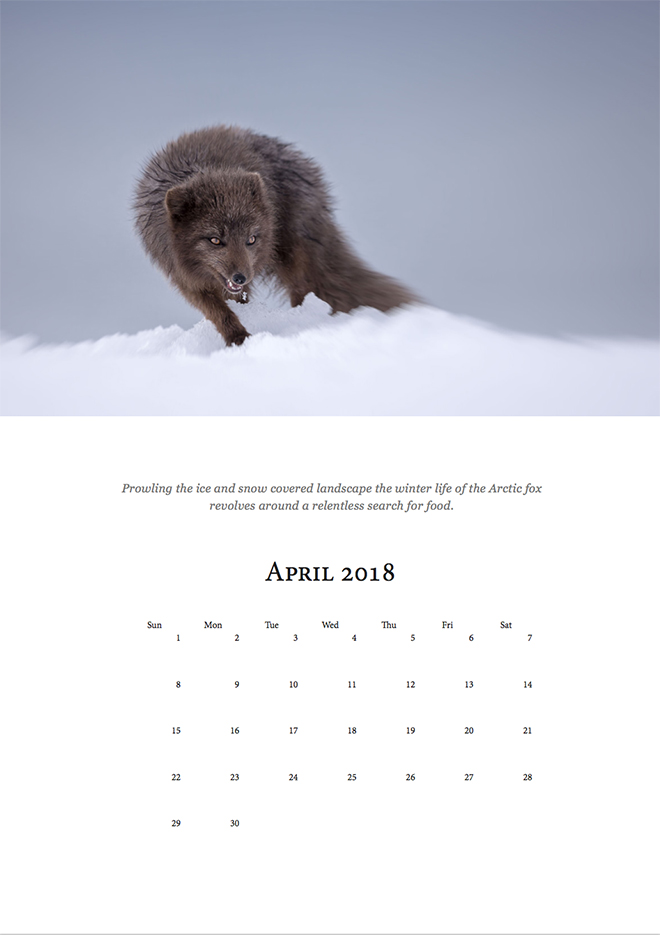
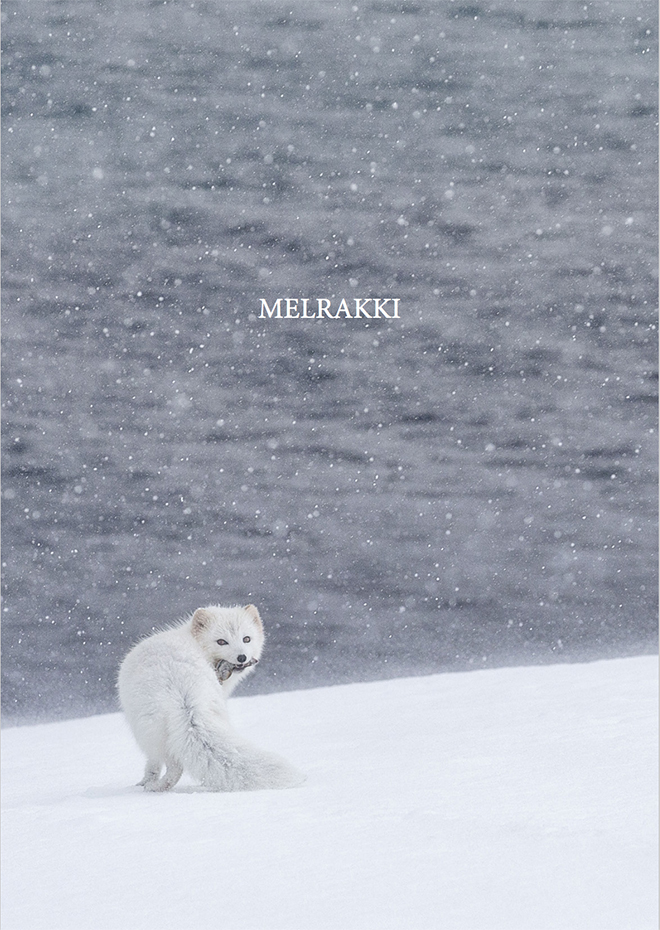
After many requests for a calendar for the Melrakki project (recently reviewed on the Luminous Landscape) I am extremely pleased to announce that calendars are now available for order directly from my website at www.jhoko.com for the coming 2018 year. Printed in Australia by the Nulab Group the calendars measure 42xm x 30cm closed and 84cm x 30cm open and are spiral bound. The calendars are printed on the highest quality stock with a gloss laminate using the HP Indego printer process. The front cover includes an Arctic Fox logo cut out reveal and each month includes one photograph from the project as well as select project notes from the Limited Edition book. The Melrakki calendar is now available to order for $80 plus postage and handling.

The Arctic Arts Project Update 2017

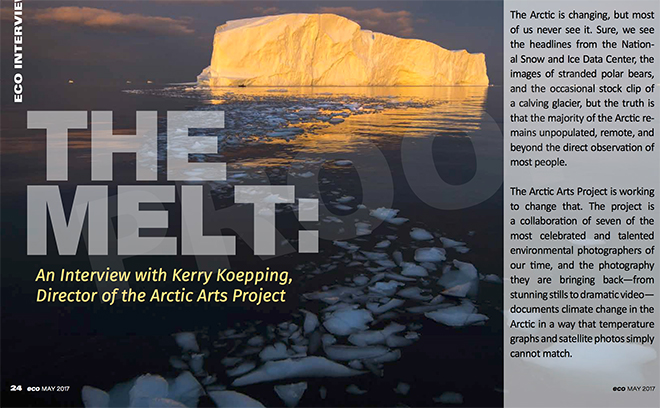
Eco magazine has just published a new interview with the director of the Arctic Arts project (Kerry Koepping) in its May 2017 issue. As one of the seven members of this project I am really pleased to be a part of the team and to be able to contribute to this worthwhile project.  Just click on the image below to download the complete article – The Melt.Published nine times a year in print and digital formats, each issue of Eco presents critical business intelligence for professionals in all disciplines of this multi-faceted industry including offshore oil & gas, government agencies, utilities, renewable ocean energy, academia, international banking, engineering, and construction.

Svalbard in Winter 2017 Expedition Report

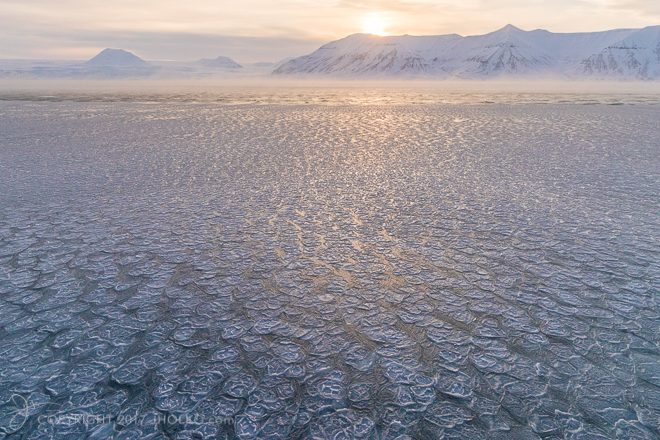
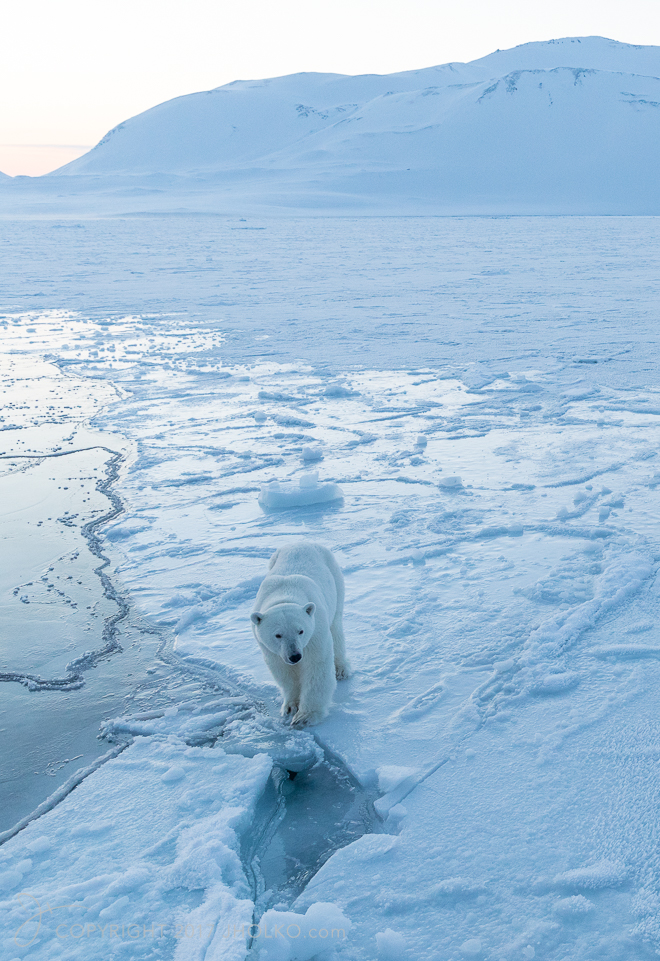
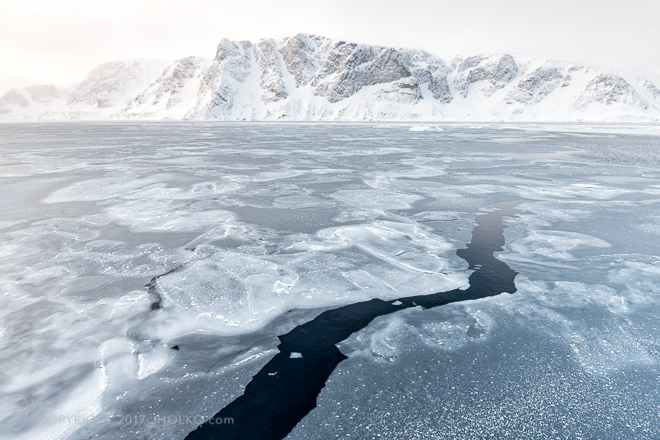
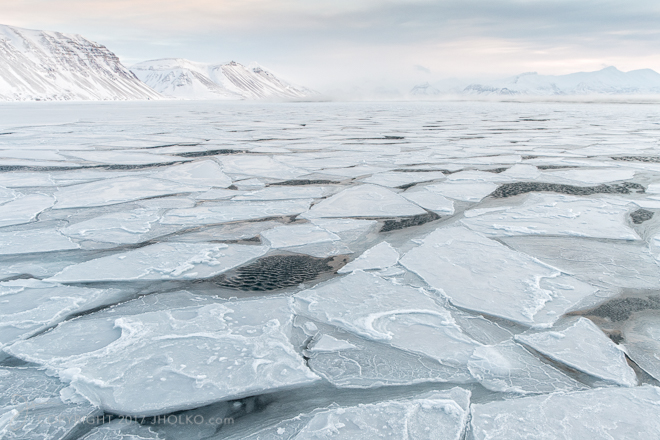
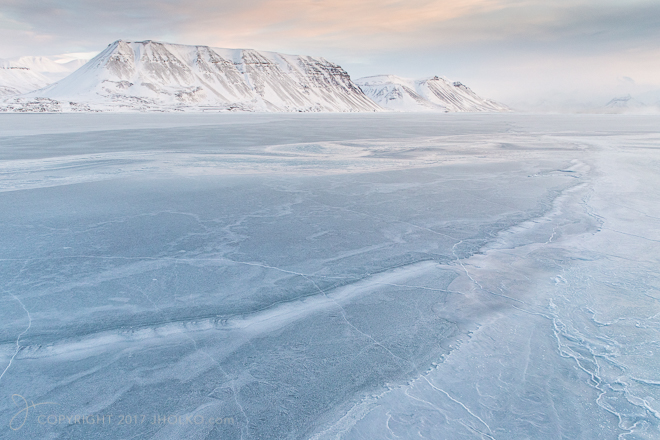
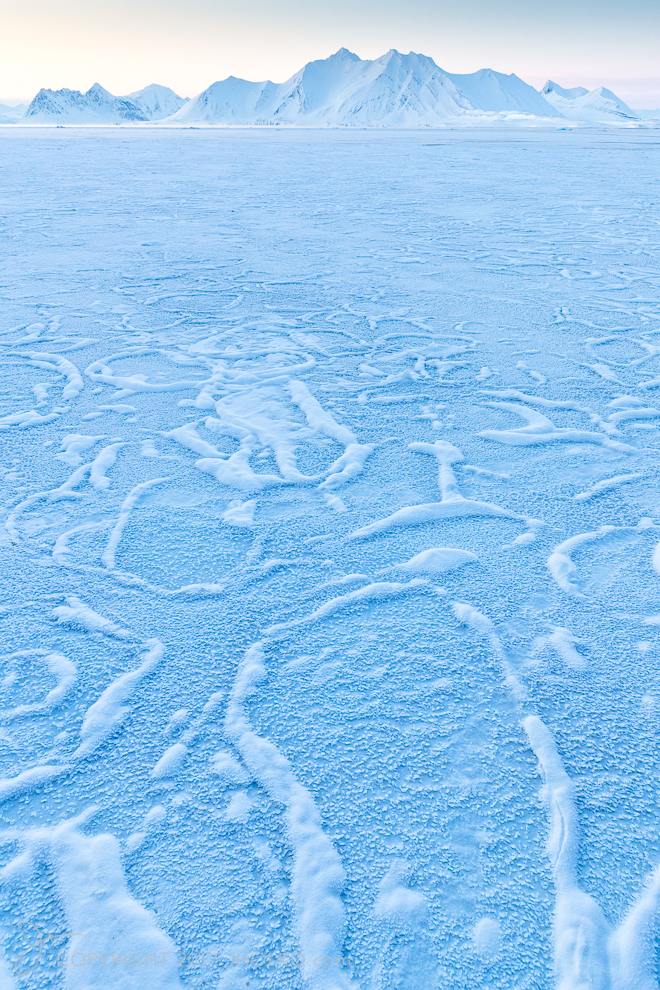
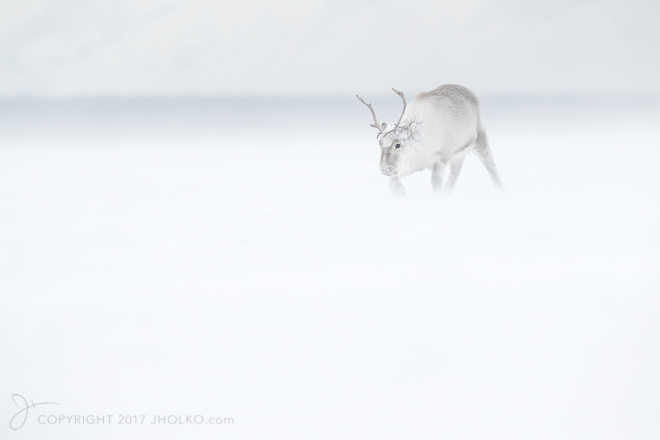
In late March 2017 I lead a new ship based expedition to Svalbard in Winter to photograph the wildlife and arctic landscapes of this remote archipelago in a winter setting. The primary reason for choosing late March was at this time of the year (and at this latitude of nearly 80º North) the sun is very low in the sky all day and thus there is hours of golden light available for photography. Dawn and Twilight light at this time of year typically last three or more hours and even at midday the sun is still very low in the sky. This situation provides hours and hours of superb light for photography. There is also something about the quality of light in winter at this latitude that translates very well into photographs. The light is soft and ethereal and often has wonderful pink and blue pastel shades not found at other times of the year. This combination of light, snow and ice is simply unmatched in my experience.This expedition was for just twelve photographers and utilised the same ice-hardened expedition class ship I have been using for Polar Bear photography over recent years. On this expedition we encountered three individual Polar Bears including a courting male and female and a third unwelcome male who was chased off after a late night fight. We spent approximately two and a half days photographing these bears while we were parked in the pack ice. On one occasion early in the morning they approached within just a few feet of the boat. On others they were between one hundred and four hundred metres away on the frozen sea ice. The opportunity to watch them interact was extraordinary and this encounter rates as one of the best I have witnessed from a behaviour standpoint.Temperatures during our expedition ranged between -10º celsius and -30º Celsius plus wind chill factor. Our coldest day was around -50º Celsius with a 20+ knot wind and air temperature of -28º celsius. I can tell you from experience that these sort of temperatures are quite demanding on body and camera. However, the wonderful thing about ship based expeditions such as this is its easy to walk back inside the ship (where its around plus 20º degrees celsius) and warm up with a hot drink. Being outside and making photographs in these sort of temperatures does require some thought and planning in terms of both equipment and clothing but if you are properly prepared its quite possible to spend very long periods of time out on deck making photographs.The landscape opportunities in Svalbard in winter rate as the very best I have ever experienced (even better than Antarctica). The formation of new sea ice is nothing short of spectacular and set against a back drop of snow covered peaks and glaciers with sea smoke billowing off the open areas of ocean and you quite literally have one of Natures most dramatic and breathtaking scenes. The sea smoke phenomena is caused by super cold air passing over the much warmer ocean water (although the ocean is only just above freezing the air temperature can as low as -30º Celsius). The smoke adds a wonderfully dramatic element and really elevates the interest and mystery in the landscape.One of the great pleasures of ship based photography is that the scene is constantly changing as the boat moves slowly through the ice filled fjords. Opportunities for photographs are everywhere and part of the experience is watching the incredible landscape roll past. I particularly enjoy this sort of landscape photography as no two images are ever the same.During the expedition we also saw and photographed Reindeer, Arctic Fox, Walrus on sea ice as well as sea birds such as Fulmars and Gulls. The opportunity to photograph Walrus on sea ice is a wonderful addition in winter as they are normally found either in the water or on land in summer. Walrus can be somewhat skittish on sea ice but we were able to manoeuvre quite close on several occasions for some wonderful photographs.Svalbard (and the Arctic in general) in winter is not for the faint of heart. With temperatures well below freezing it can be challenging to both person and equipment. However, the rewards for those brave enough to take on the challenge are absolutely extraordinary and not to be missed. In my own personal opinion Svalbard in Winter offers the most extraordinary opportunities for dramatic landscape imagery I have had the good fortune to experience. It is quite literally breathtaking.

If you are interested in travelling to the Arctic and photographing the incredible landscapes and wildlife of the Svalbard archipelago in a winter setting I will be repeating this expedition in late March next year (March 26th – April 3rd 2018). Late March offers us the best opportunity for wonderful light over the dramatic winter landscape. Due to initial registrations and bookings places are already extremely limited. If you would like more information or a detailed itinerary please just drop me an email.