The Big VAPS Victorian Association of Photographic Societies convention is being held next weekend at Warnambool in Victoria. Kicking off with an official opening on Friday the 25th and wrapping up on Sunday the 27th of May, I will be attending as the special guest keynote speaker for both the Saturday and Sunday and will be presenting on both my Arctic and Antarctic photography (I will also be showing prints!).
The 2018 VAPS Convention and Interclub exhibition will be held at Deakin University Campus in Warrnambool this year. Hosted by the Warrnambool Camera Club it promises to be a fantastic weekend full of learning and photographic opportunities.
Commencing on Friday 25th May through to Monday 28th May the convention will kick off with an official welcome cocktail party and viewing of the Interclub print exhibition on the Friday night. The Saturday and Sunday programmes are full of excellent speakers and workshops that will have everyone engaged in informative photographic sessions along with photographic opportunities on Monday to round off a great long weekend of photography.
Headlined by renowned Global Arctic Photographer of the Year, Joshua Holko, who will present two outstanding talks on his amazing Arctic Circle photography.
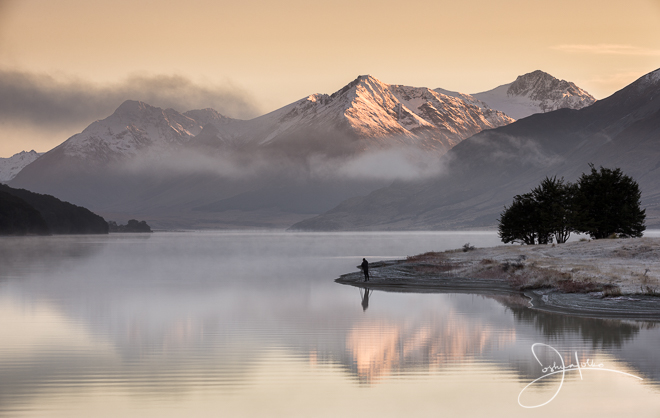 As a few of you are aware I am currently nursing a torn lateral tendon in my right elbow which precludes me from lifting or carrying anything heavy (including cameras). As such, I am sort of restricted to shooting on a tripod at the moment and will be travelling quite light (by my standards anyway). Since this workshop is predominantly all about landscape there is no need for big fast (and heavy) telephoto lenses so I can cut down my luggage quite considerably. I am going to take my two tilt and shift lenses as I find I really love these for landscape work on the tripod, as well as my 100-400mm lens for any long lens requirements. I am sure it is going to be quite liberating to travel this light.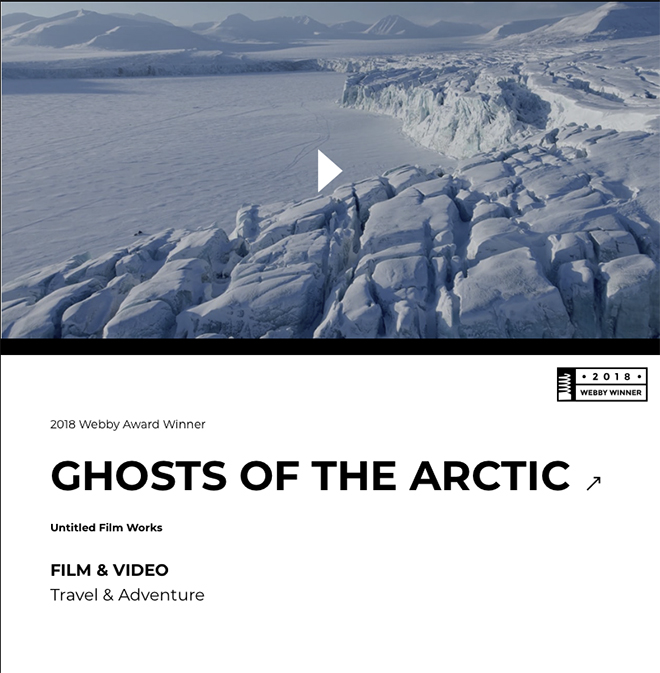


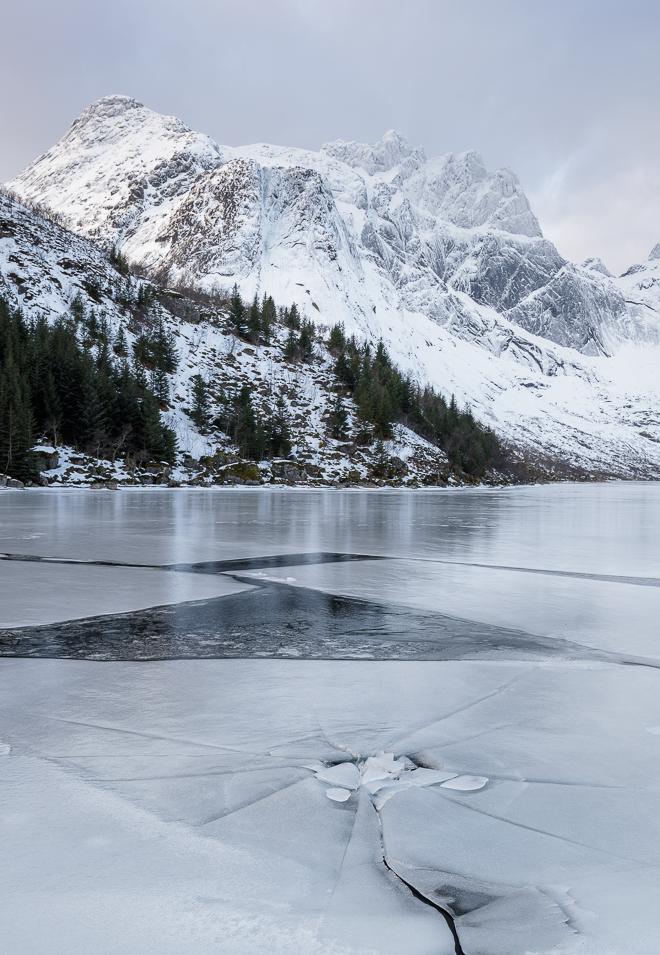
 Being surrounded by water Lofoten offers great opportunities for seascape photography at just about every turn and we took advantage of this by visiting and photographing many different beaches and areas of coastline. Much of the coastline is rocky or dotted with large boulders which provides limitless opportunities for foreground interest. Many of the beaches are also very accessible and only a short walk from car parks or pull off areas. We spent quite a lot time exploring and photographing various areas of coastline and some really interesting photographs resulted. In the right conditions, Lofoten in winter also has the added benefit of snow down to sea level for even more interest.
 On our last day we mixed things up and took a private charter boat out to photograph White-Tailed Sea Eagles fishing off the coastline. As we discovered in 2016, this proved a worthwhile exercise with a couple of hours of really wonderful eagle photography in mostly soft overcast light. Photographing fishing sea eagles from boat in winter in the Arctic is a lot of fun. We were able to get quite close to some of the eagles (so close my 400mm F2.8L IS MKII was occasionally too much lens and I had to switch out to the 70-200mm F2.8L IS MKII).
 Visiting Lofoten in Winter also provides an opportunity for cultural photography. At this time of year the cod are being fished around the Islands; they are then processed and hung to dry on the many cod racks dotted around the Islands (yes, you can smell them long before you see them). Every part of the cod is used and even the heads are hung to dry. I am personally not a street or cultural photographer but the process is nevertheless interesting to watch and photograph.
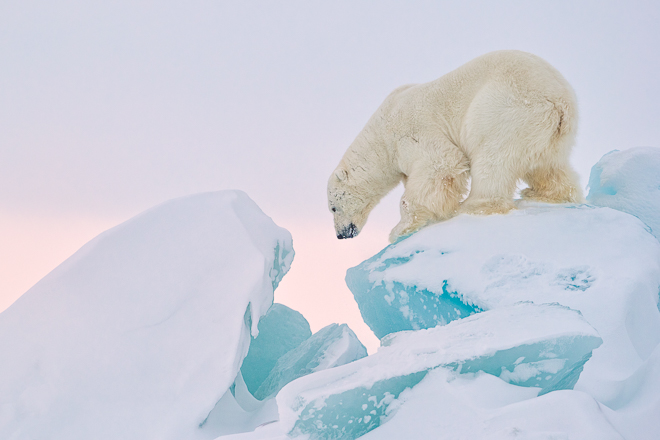 Summer in the high arctic is a very special time for photographers. With twenty-four hours of daylight the photographic possibilities are quite literally as abundant as the day is long. In fact, what would normally pass for night time is actually one of the best times for photography in the Arctic summer as the light is often soft and ethereal with subtle golden overtones.

