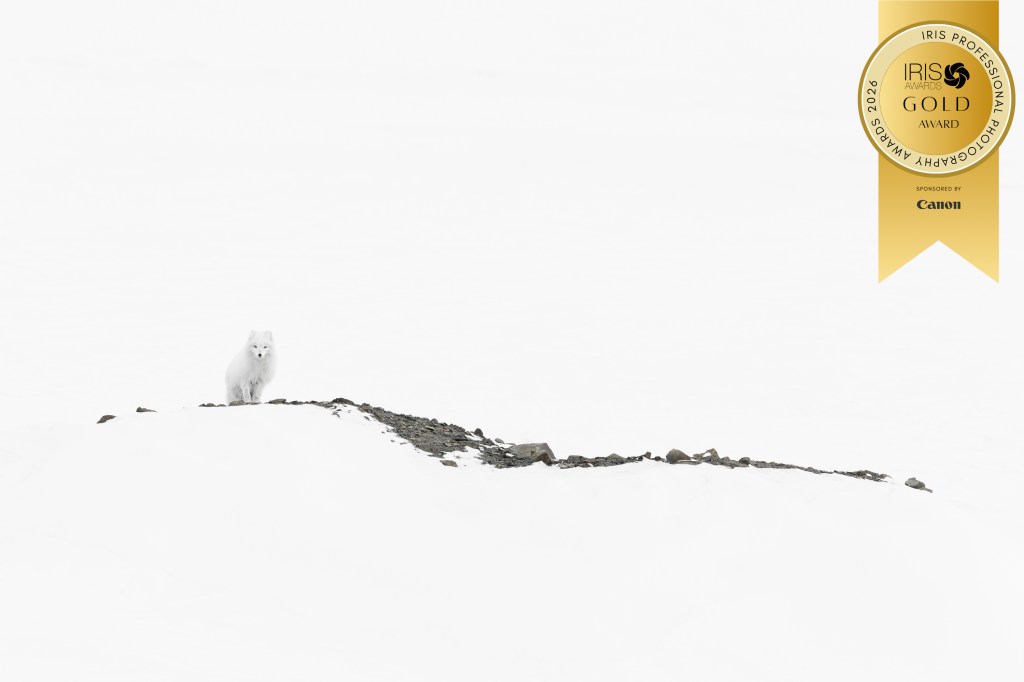
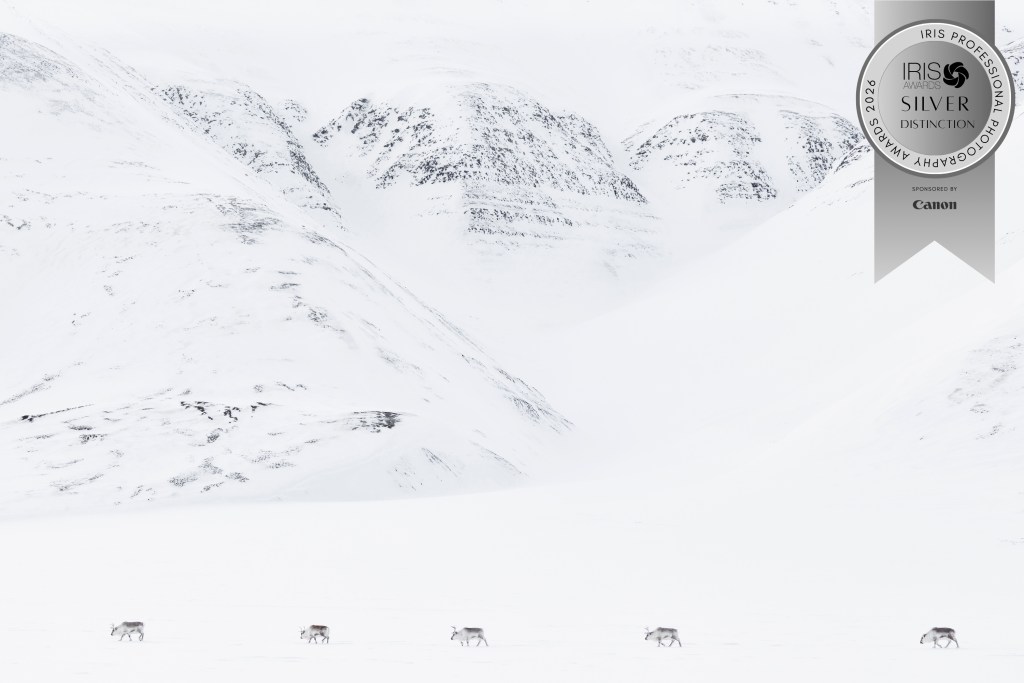
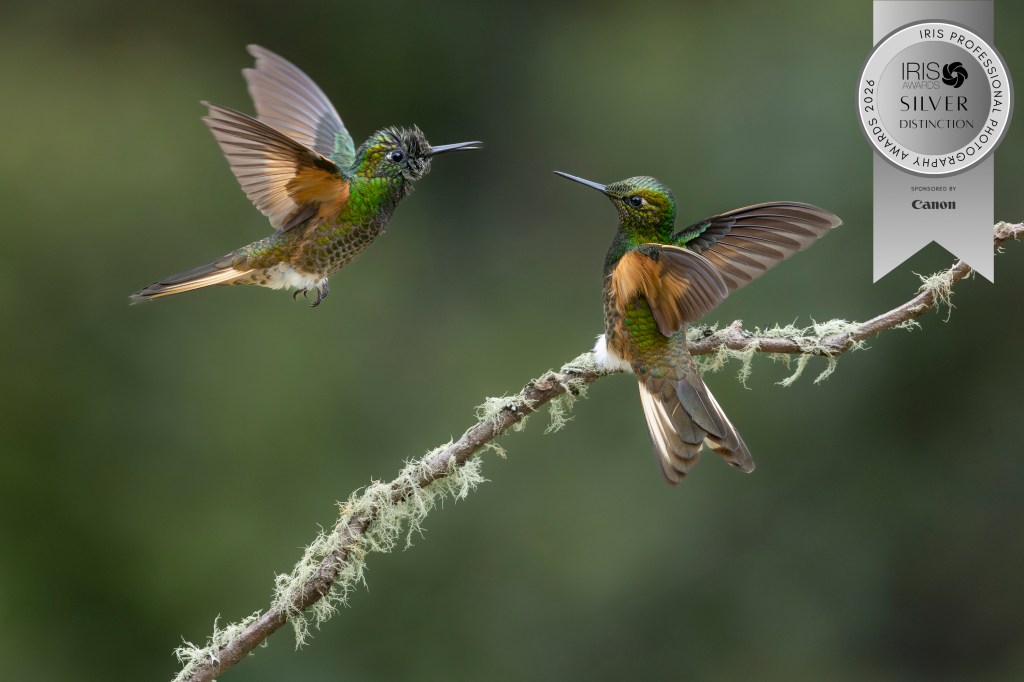
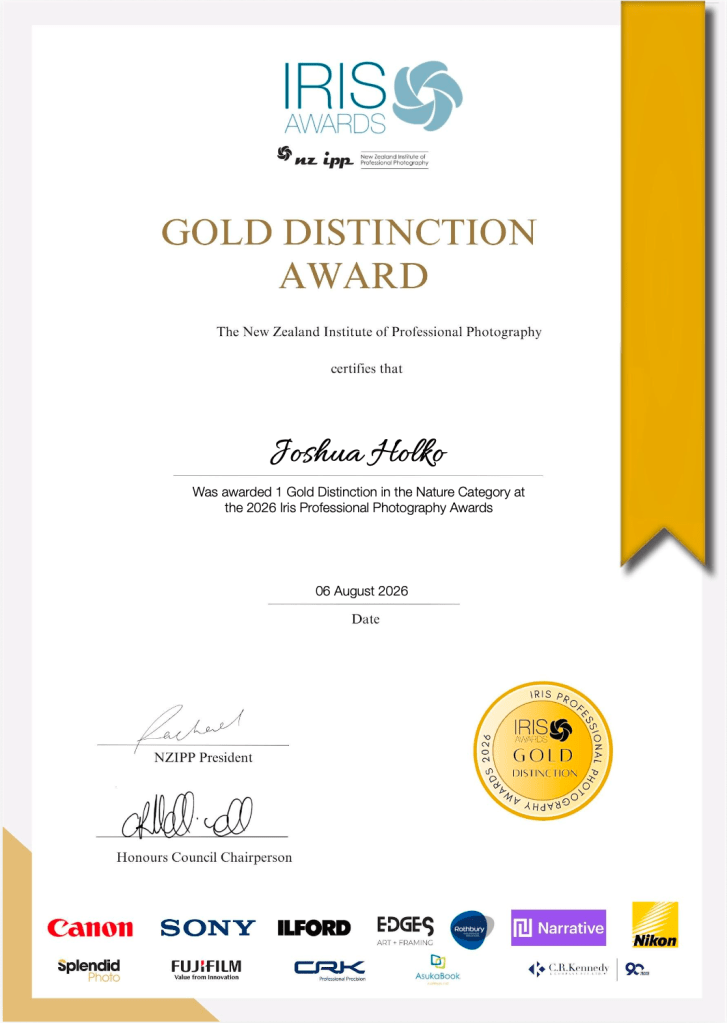
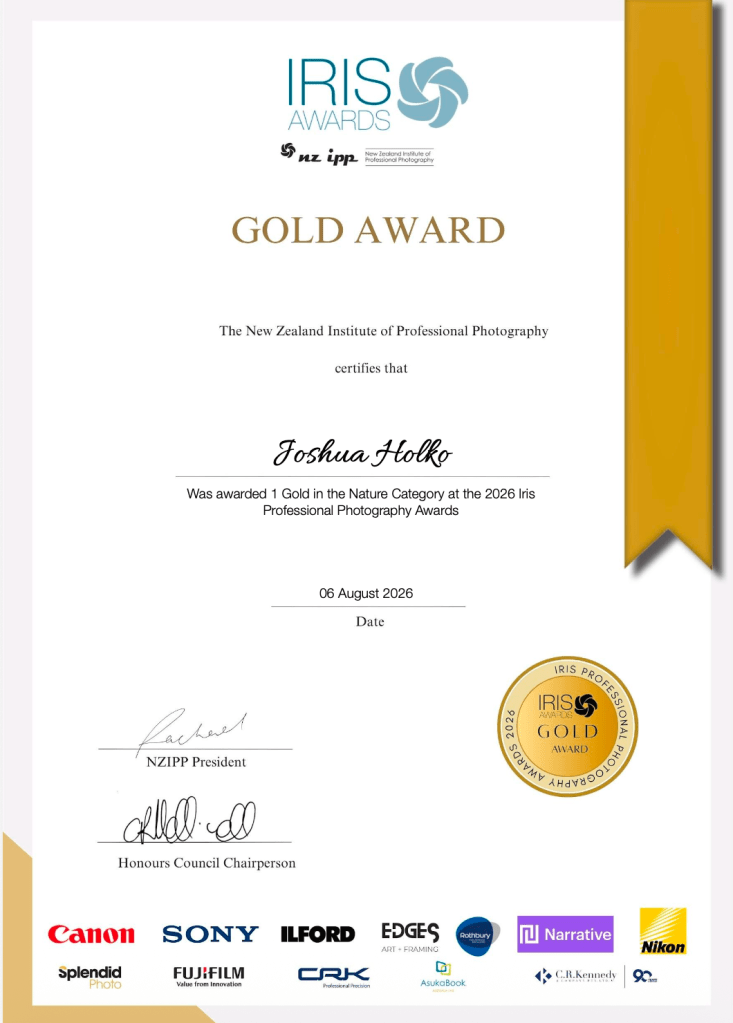
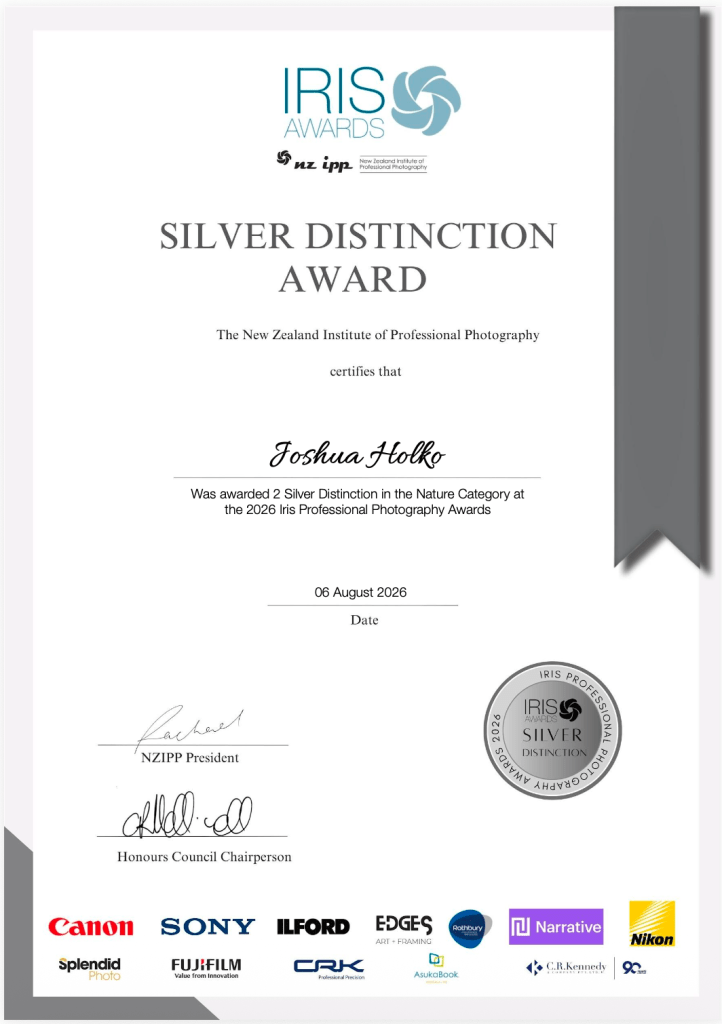
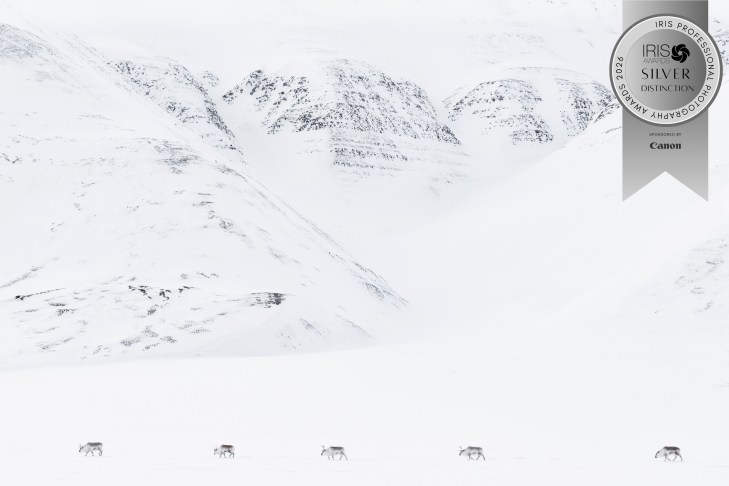
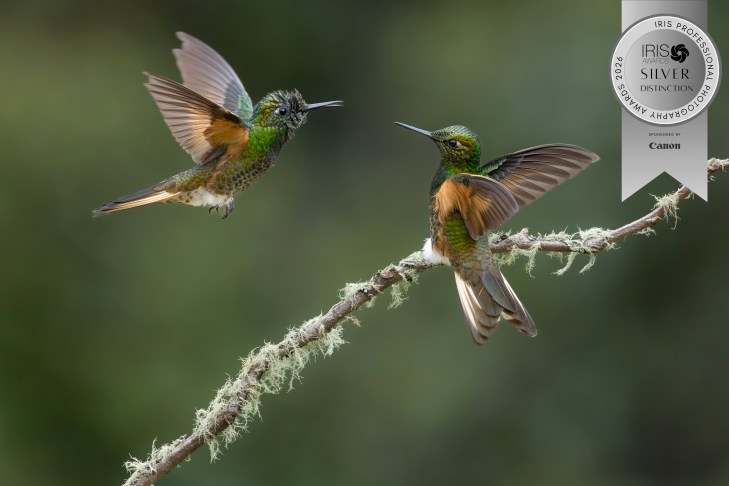
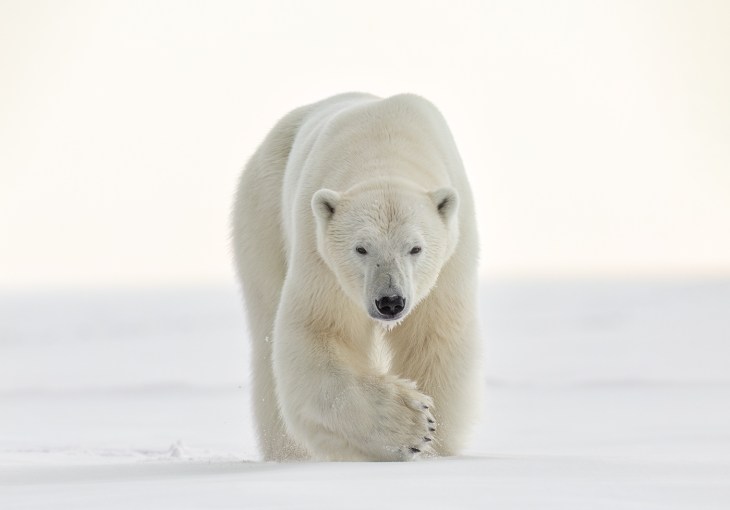
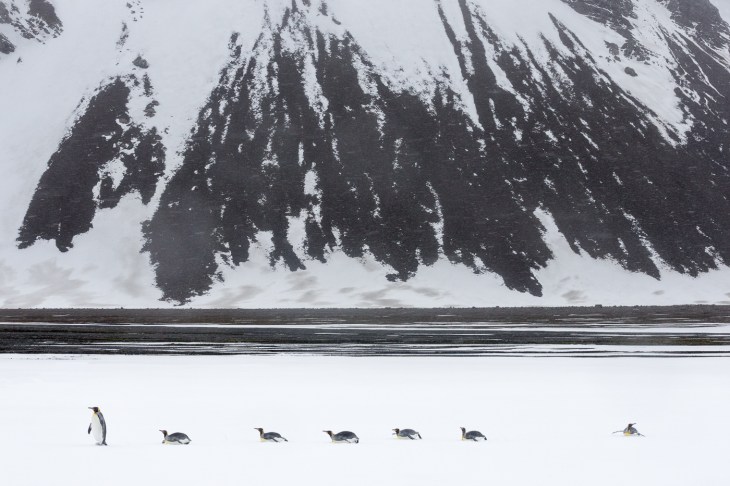
The gala awards dinner for the 2026 IRIS Professional Photography Awards (of which I was a finalist in the Nature category) was held yesterday evening in New Zealand. Unfortunately, I was unable to attend in person due to my workshop commitments in Finland, but I was able to catch up on the results through friends on social media on my way back to Sweden.
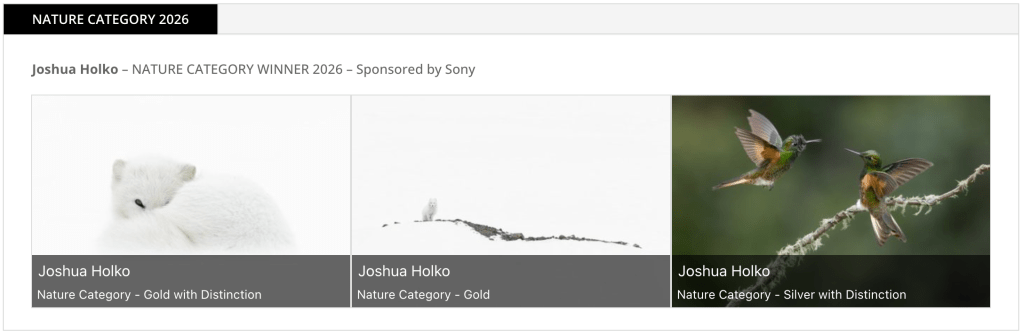
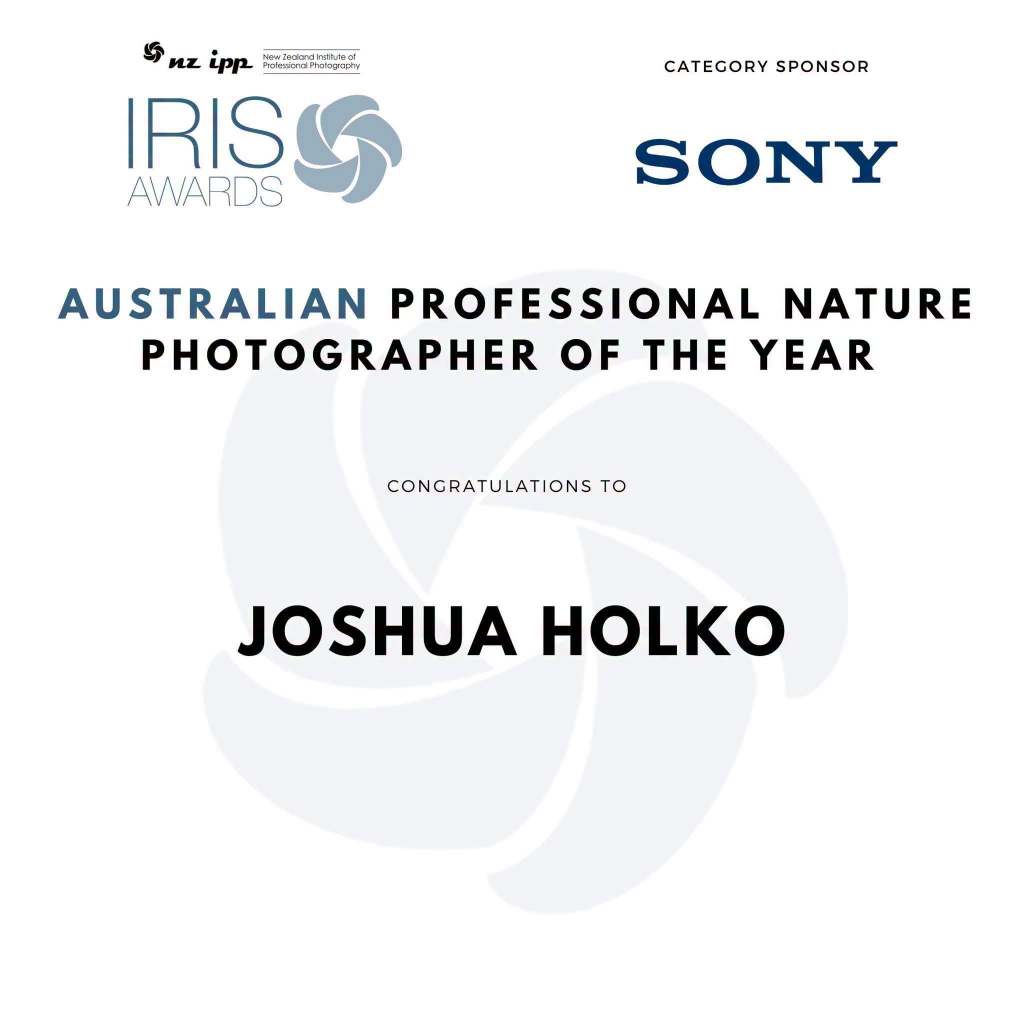
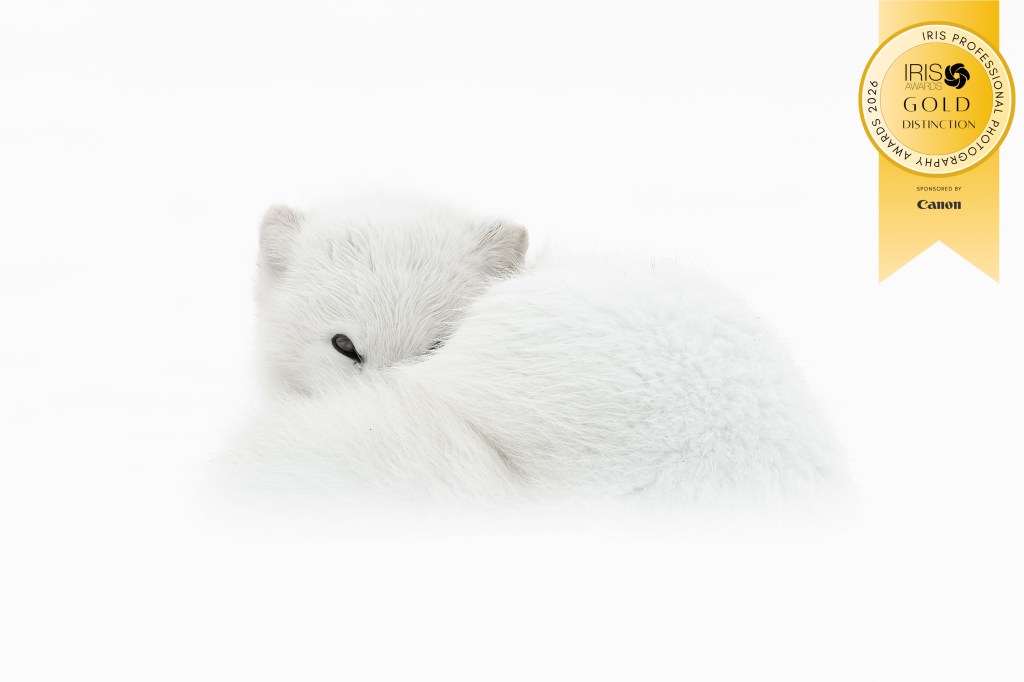
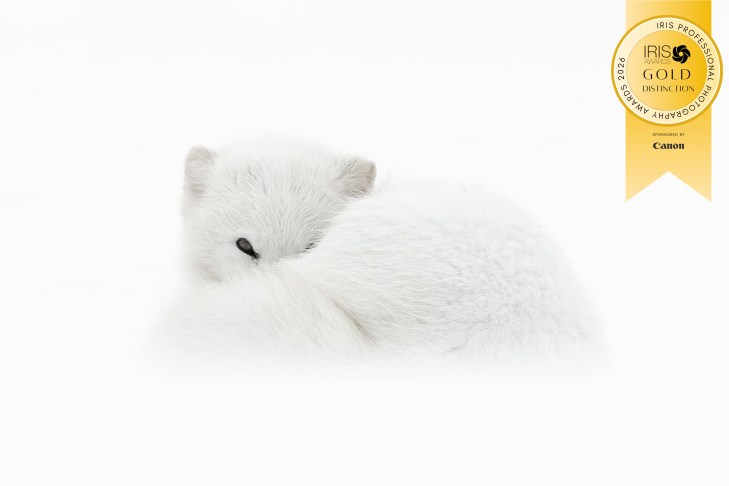
The four photographs (entered as prints) I chose for the Nature category received Gold with Distinction, Gold, and two Silver with Distinction awards. This placed me in the top three and as a finalist in the category. This was my first time entering the IRIS awards, and I was totally thrilled with this result. I was subsequently blown away to be announced the overall winner at last night’s gala dinner in the Nature category and to be awarded the title of ‘2026 Australian Professional Nature Photographer of the Year’. Having entered prints (my preferred medium), I could only have dreamed of this result. My heartfelt thanks and congratulations to all the judges, entrants, finalists and other category winners.
Today I am wrapping up my workshop here in northern Finland for Wolves and Bears and will be making my way back to Sweden later today. I will have a full trip report in the coming weeks, once I have had a chance to process some photographs, but it has been a phenomenal experience here in Finland with our group. Yesterday we had one of the very best wolf encounters I have experienced in more than a decade of photography in Finland.
In competition news, late last night, I received the exciting news that I am a finalist to win the Nature category of the 2026 IRIS Photography Awards. This is my first time entering the awards, and I am feeling humbled and thrilled to have had my prints score so highly and to make the finals. The category winners will be announced at the Gala dinner in New Zealand tomorrow.
Yesterday, the live judging for the 2026 Iris Photography Awards was streamed to YouTube. Although I could not tune in to watch the live stream, I was able to catch up on the results late last night here in Finland after getting back from the photography hides (currently in the middle of our Wild Nature Photo Travel workshop for Wolves, Bears and Wolverines). This was my first time entering the Iris Awards, and I chose to enter four prints into the Nature category. The four prints I entered went on to score Gold with Distinction, Gold and two Silver with Distinction awards – a result I am absolutely thrilled with. The overall category winners will be announced next Sunday. You can watch a recording of the livestream below.
My entry into the 2026 Iris Awards was on the recommendation of a good friend (thanks, Rob!), who suggested I enter because I could submit fine art prints in lieu of digital files. Many of you already know I am a huge advocate for print, and the opportunity to submit prints for judging was compelling enough to get me to enter the awards. To my knowledge, there are very few print competitions left (outside of photography clubs), and I feel strongly it’s important to support print wherever possible. For me, there is something quite magical about crafting the perfect print, and it feels far more satisfying to submit a finished print than a digital file.
It has been a long time since I last did a yearly workshop and expedition update, and the year is just going past at hyper speed, so this is well and truly overdue. With the first half of 2026 now well and truly behind us, I am looking into the remainder of the year and into the coming 2027 year.
All of our workshops and expeditions for 2026 are already sold out – thank you to those of you who are joining us. I am really looking forward to our upcoming trips. For the remainder of 2026, we are running our Finland Wolves and Bears workshop, a workshop to south-eastern Greenland to photograph Icebergs and landscapes and then our Gould Bay Antarctica Emperor Penguin expedition.
For 2027, we are kicking off with a winter Mongolia workshop for the Pallas’s cat in the Eastern Steppe region. This is a workshop we pioneered and have been offering for nearly ten years now. We take just five people on this trip to ensure the very best photographic experience, and we have just three places remaining before the trip sells out.
In February I will be leading two back-to-back workshops for Arctic Fox in the Hornstrandir Nature Reserve in Northern Iceland. There are only very limited places on both these workshops before they will both be sold out. If you have ever wanted to photograph these incredible mammals in a stunning winter setting, then this is the workshop for you. Be sure to check out the video below that will give you a wonderful idea on what this is like experience. I also just published a deep dive podcast episode on photographing Arctic Fox.
In April, I will be leading an expedition to Svalbard in late Winter/early Spring to photograph Arctic wildlife, including polar bears, Walrus, reindeer, and dramatic Arctic landscapes. This is a ship-based expedition with only limited cabins remaining. Late April is the ideal time to travel to Svalbard with the low angle of sun and the landscape still wearing its winter armour there are outstanding opportunities to create powerful and emotive photographs.
In May I will lead a ground level wildlife masterclass to Zimanga in South Africa. This workshop has long been sold out, but we are running it again in 2028 and full details are now on the website. From South Africa we will travel to Namibia where we are offering a small group experience to photograph Namibia at some of its most stunning and remote locations (including some only accessible via light plane). There are only two places remaining on our Namibia trip before it will also be sold out.
In June we are doing a great migration safari to Tanzania for a small group of just five photographers. Only one place remaining before it will also be sold out. This workshop will take place in an exclusive private high-end tented camp for seven nights / eight days. Africa’s Big Five can be seen and photographed in this region. In addition, there are many other mammals, reptiles and birds, including eagles, owls and more. Lions, leopards, cheetahs, and Cerval are regularly seen and photographed. You can also expect many encounters with elephants, giraffes, rhinos, Cape Buffalo, zebras, and other wildlife on the plains.
In July we are returning to Mongolia in Summer to photograph Pallas Cat kittens. Like our winter trip this workshop will take us into the Eastern Steppe region in search of Pallas cats and their newborn kittens. At this time of the year Mongolia is warm to to hot and there are outstanding opportunities to photograph the kittens when they are most active in the early morning and late afternoon.
In August we are returning to Finland for our Wild Wolves and Bears workshop. This is the workshop for you if you have ever wanted to photograph wild wolves and bears. Be sure to check out our video from our 2025 workshop below. This is a highly immersive workshop where we spend the majority of our time photographing from hides.
Later in August we are running a unique 18-day expedition to the archipelago of Svalbard to photograph Polar Bears. 18 days is unique in Svalbard and provides us an opportunity to spend an extended amount of time in the northern pack ice. If you have ever wanted to photograph Polar Bears on the pack ice, in their natural enviroment then this is absolutely the expedition for you. There are just two places remaining before this expedition will be sold out.
In September we are running an all new wildllife expedition to South Georgia. It has long been a dream of mine to lead an expedition to South Georgia in September. At this time of year, the mountains and landscape will be blanketed in snow, offering a truly extraordinary opportunity to photograph King Penguins in a winter setting! Full details on this new expedition can be found HERE.
After South Georiga I will return to Australia for two back-to-back small group workshops to the Great Ocean Road in Victoria and Tasmania. The Great Ocean Road region of Victoria is renowned around the world as offering world-class landscape imagery of its sandstone sea cliffs. Tasmania is a primordial landscape of relatively untouched beauty. It offers outstanding opportunities to create iconic photographs of its rugged coastline, ancient forests and dramatic mountain peaks. During this workshop, we will visit multiple locations around the island, offering opportunities to photograph a variety of landscapes in different lighting conditions.
In November I will lead my annual expedition to Gould Bay in Antarctica for Emperor Penguins. This is a fly in fly out expedition that takes us to the world’s most southerly Emperor Penguin colony deep in the Weddell Sea. The sea ice of Gould Bay in the Weddell Sea is the best place in the world to photograph Emperor Penguins under the midnight sun.
Then, to finish the 2027 year, I am running an all-new workshop to Greece to photograph the iconic Dalmatian Pelicans. Northern Greece offers one of Europe’s most extraordinary settings for wildlife photography. From the dramatic raptor landscapes of Dadia National Park to the serene waters of Lake Kerkini, this carefully designed journey focuses on two remarkable photographic experiences: powerful birds of prey and intimate encounters with the Dalmatian Pelican. This small-group expedition is designed for photographers who value patience, repetition, and optimal light conditions. With only a handful of participants, the itinerary allows time to refine compositions, experiment with techniques, and capture both dynamic action and quiet moments in nature.
Please get in touch with me directly if you are interested in any of the few remaining places on next year’s workshops and expeditions. Be sure to also check out the portfolios on my website to get an idea of the sort of photographs you can make on this expedition.
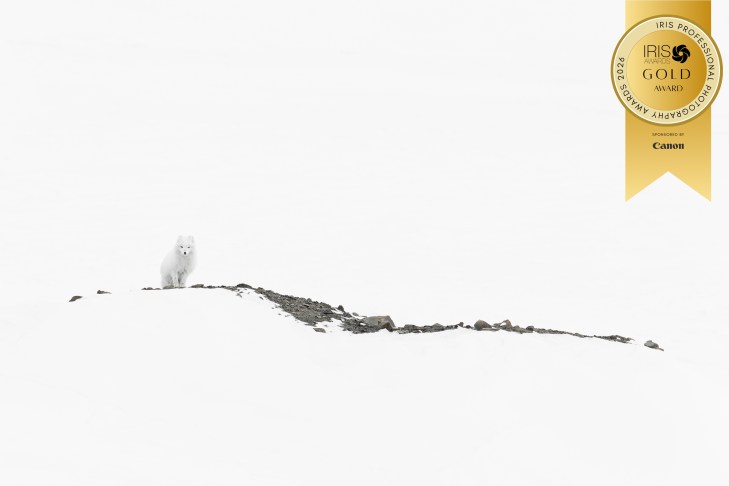
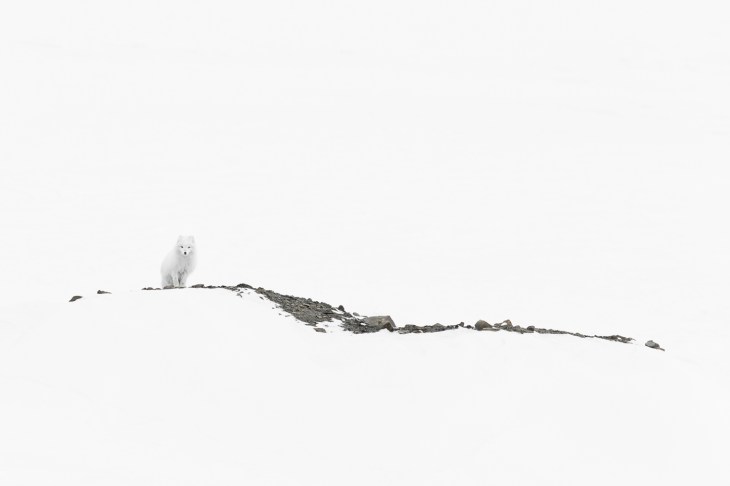
The photograph of the month for August 2026 is of a white-morph Arctic Fox I photographed in Svalbard earlier this year. This photograph went on to earn the highest and most coveted Gold with Distinction award in the 2026 Australian Photographic Prize. The genesis of this photograph was really interesting, as I watched it come together right in front of me. The fox had run up the hill and disappeared behind the small rocky ledge. I knew, from years of experience photographing Arctic Foxes, that curiosity would get the better of it and that it would come back to the top of the ridge to see if I had followed. All I had to do was compose the frame the way I wanted it and wait for the fox to reappear on the ridge. It was pure serendipity that the fox appeared perfectly positioned off centre, where it sat for a moment before disappearing again behind the ridge.
This was one of those rare moments when the opportunity presented itself to compose a landscape photograph and wait for wildlife to enter the frame.