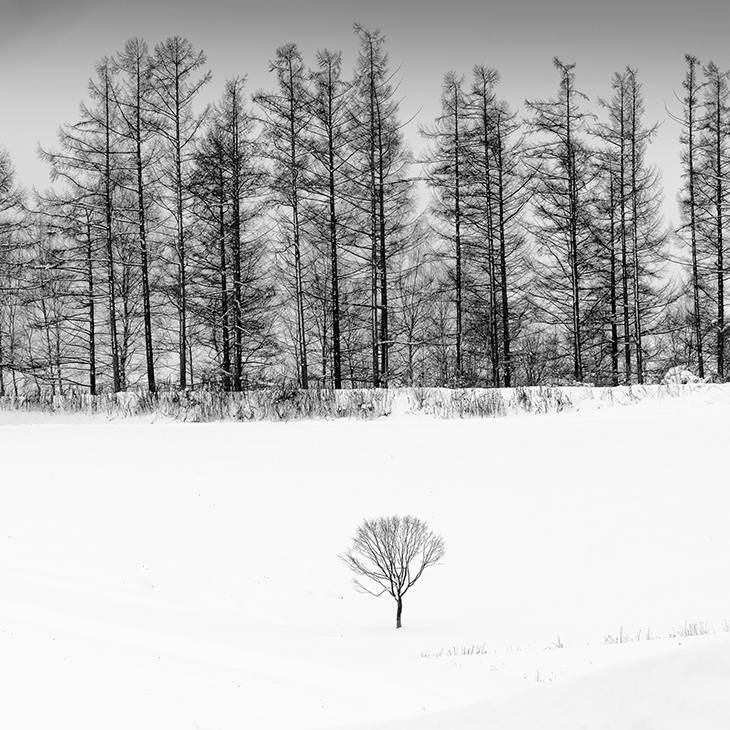
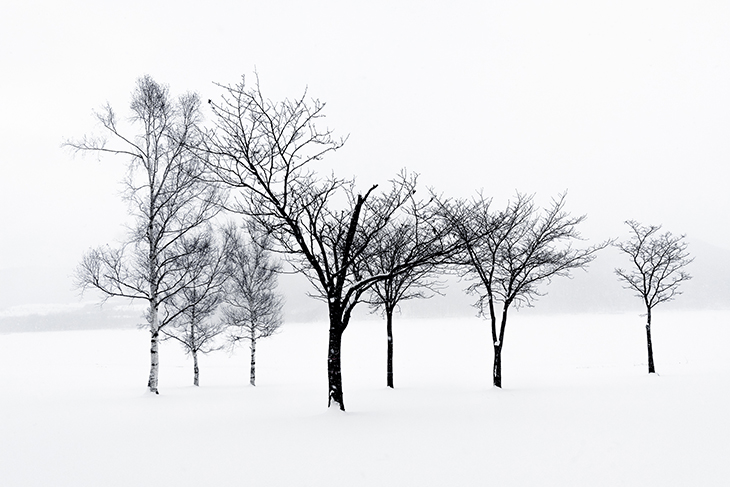
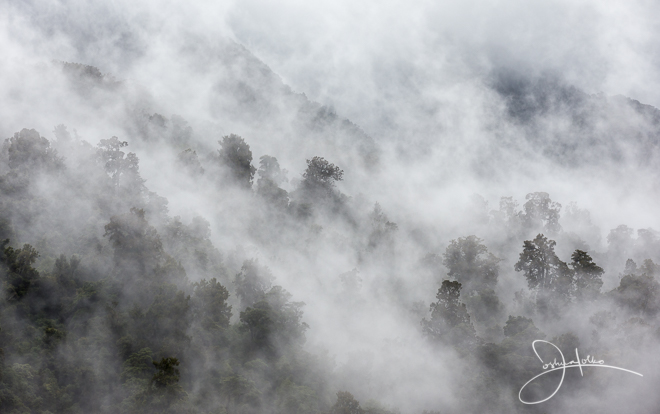
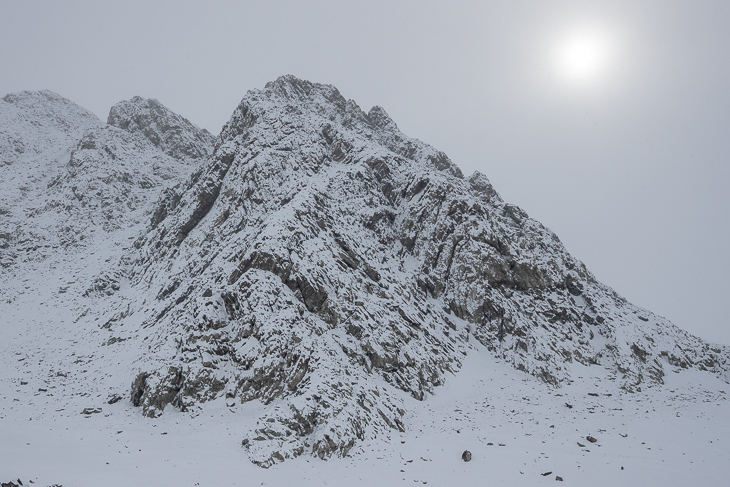
A late addition to my 2019 workshop and expedition line-up is a brand new Winter Workshop to Hokkaido in Japan in early December this year. Hokkaido has long been on my list of destinations to offer a workshop and now after some extensive scouting with my friend and co-leader for this workshop, Martyn Lucas, we are excited to open this up for bookings. A different take on the usual sort of offering available in Japan, this workshop is designed with contemplative slow paced landscape photography in mind. We will not visit the tourist saturated snow monkey park or stand shoulder-to-shoulder with hundreds of others trying to photograph eagles or Snow Cranes. Instead it is our intention to immerse ourselves into the subtle monochromatic and quiet landscape of Hokkaido in Winter – A Visual Haiku.
On this adventure you will experience snowy landscapes, simplicity of trees, lines of fence posts and restless seas pointing to infinity, also lakes of stillness, expansive terrain and poetic, Zen like minimalist scenes. Such moments in time we will capture from unique view points whilst immersing ourselves in Japanese Shinto and Buddhist culture and enjoying the tastes of authentic local cuisine.
We will have the pleasure and company of Hokkaido’s most knowledgeable and adventurous guide who will provide landscape encounters we could never be aware of on our own. Absence of colour, majestic trees, wild settings and a reduction in colour encouraging our landscape focus – a minimalist point of view. Together, we will be surrounded by water, mountains, trees and landscapes transformed by snow and ice and we will interact and concentrate on capturing the beauty and starkness which is Hokkaido.
While in Kamifurano we will plan to visit the Goto Sumio Museum of Art – exhibiting some 130 landscape paintings by this iconic painter who has become a national treasure of Japan. A painter who freely comes and goes between the worlds of realism and spirituality. Similarly, while in Yoichi we will enjoy a tasting of Nikka Malt Whiskey at Japan’s oldest distillery where we will most likely enjoy lunch too.
All inclusive Commencing evening of December 11, 2019 ending after lunch December 20, 2019. Investment: $8800 USD per person – Includes:
Nine nights bed and breakfast
Nine evening meals (six hotel and three, local restaurants
Ten lunches at local Japanese restaurant
Snowshoes, Hand Warmers, Hot Coffee and Tea
All Transportation between shooting locations
All Photographic instruction and tuition
Local Guide and Driver
Limited to just eight participants in total this workshop is for those who want to work at a slower more methodical pace who want to enjoy the tranquility and beauty of the Japanese landscape. A Full PDF itinerary will shortly be available for download from the workshops page of my website. If you would like to register your interest please drop me an email for further details.
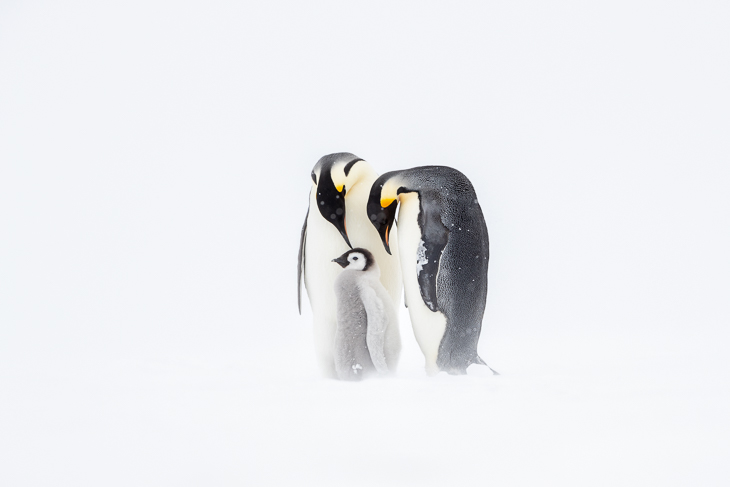
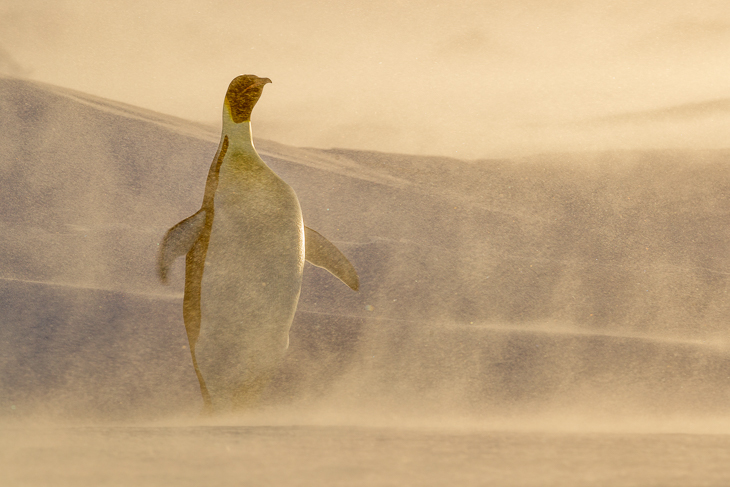
The first photograph of the month of January for 2019 comes from my November expedition last year to photograph the Emperor Penguins on the sea ice at Gould Bay in Antarctica. Taken on our last evening, sometime around midnight under the midnight sun. We were fortunate that we had some beautiful soft atmospherics and clouds that worked wonderfully with the golden light backlight. I really wish I could share the print, as the print really makes the photograph come alive a wonderful etherealness that the jpeg just cant match.
I will be returning to the Emperor Penguins at Gould Bay in 2020 for a small group photography expedition. As per the expedition last year (Read the Trip Report) I will take just five photographers with me and several places have now already been spoken for. If you are interested in joining us please register your interest now (Just drop me an email) to avoid any disappointment. There is no obligation at this point.
I would like to thank all the readers and followers of my blog, those who have purchased prints and workshop participants for your continued support throughout 2018. I wish all of you a very happy and safe New Year and all the very best for 2019. If you are travelling with me in 2019 on one or more of my workshops or expeditions I look forward to shooting together in some of the world’s most beautiful and remote locations. I hope your year is full of beautiful light, stunning locations, good health and great times.
As is tradition on my blog, I like to do a “What’s Coming Up” post for the new year as well as reflect back, and wrap up the year that was (its a great way for me to keep a record of my travels and photography and also helps me prepare for the coming year). Even though I ran less workshops than the previous year, 2018 was a frantic year and when I look back at all the destinations and all of the photography its actually hard to reconcile that it all happened in a single year. It was a year that included some absolutely superb photographic destinations and some really incredible experiences.
In equipment terms 2018 was relatively quiet for me with no major changes to my camera line-up. As I wrote both last year and the year before, the Canon EOS 1DX MKII remains the best DSLR camera I have ever used regardless of price, brand or model. I actually managed to get through an entire year without purchasing a new camera or a new lens! I cannot recall the last time I managed to do that! It was a close call on the new Canon mirrorless camera, but after trying one I decided it did not really offer me anything that would improve my photography at this point. Perhaps future generations of the mirrorless system might better suit my needs.
My gear pick for the 2018 year (I always choose something I actually own) is somewhat of a tough choice as I did not actually purchase a new camera or lens. I did however purchase the newly designed Sachtler Flowtech 75 tripod and this has definitely become my favourite tripod. Its super fast to set up in the field, its light, strong, exceptionally sturdy and extremely versatile with its spiked and rubber feet. I also very much like the flexibility that comes with different positions when splaying the legs.
2019 should be a fairly interesting year in equipment terms. I expect to see several new L series lenses from Canon that will predominantly be in the new RF mount. I highly doubt we will see any new pro DSLR bodies until early 2020 – a 1DX MKIII announcement late 2019 is probable. The much rumoured 600mm F4 DO lens (a patent has been filed by Canon and they have shown a prototype) has not as yet eventuated and my gut feeling is that when it finally does it will almost certainly appear in an RF mount only. In fact, I expect the majority of new lenses Canon releases in 2019 to be in RF mount only.
Last year I am gave the nod to Ragnar Axelsson’s excellent Faces of the North for my book pick of the year. For 2018 I am giving the guernsey to Inherit the Dust by Nick Brandt. Nick has continued to lead the charge in black and white elephant photography; producing absolutely superb imagery that is both emotional and timeless. His style and approach are highly imitated, but rarely if ever matched. Inherit the Dust is a wonderful (although sombre) look at what we are doing to our planet. I definitely recommend you check it out and consider adding it to your library.
Over the course of this year I also published my own favourite twelve photographs here on my blog. Please be sure to check them out and let me know what you thought. I don’t usually have an overall favourite from a given year, although I definitely have a soft spot for the Wolverine I photographed in northern Finland in Autumn this year during a scouting trip. As below, I have a new workshop for Wolverine and Wolves that will kick off next Autumn in Northern Finland (only two places remaining before it will be sold out).
2018 was also another huge year for me both with destinations visited and sheer number of international miles travelled. The year kicked off in early February with a winter workshop to Lofoten (Read the Trip Report). The landscape of these islands are really quite something to behold. Precipitous and ominous peaks that rise straight out of the ocean loom over small fishing villages that comprise of bright red houses lining the shorelines. With a dusting of fresh snow and arctic winter light the entire scene is akin to a fairy tail location and subsequently the photographic opportunities were truly superb.
From Lofoten I travelled to Iceland to lead my annual expedition to photograph Arctic Fox on the north-west peninsula in Winter (Read the Trip Report). This was only the second time I have taken a small group with me into the nature reserve as this is an area very near and dear to my heart. During the expedition the participants made between ten and twenty thousand plus photographs per person which gives you a really good idea of just how many incredible opportunities and encounters with Arctic Foxes we experienced during our time in the Nature reserve. Many of our encounters lasted several hours and on multiple occasions we had the luxury of choosing our backgrounds and angle of view for our photographs.
From Iceland I travelled north to Svalbard for both a personal snow mobile expedition to photograph Polar Bears on the sea ice in Winter and to subsequently lead my annual winter workshop in search of Polar Bears, Arctic Fox, Reindeer and dramatic Arctic landscapes (Read the Trip Report). I spent nearly three weeks exploring the archipelago of Svalbard in winter via snow mobile in temperatures as low as -30º Celsius in search of Polar Bears. Bears were thin on the ground and extremely hard to find this year. In three weeks I drove over three thousand kilometres on my snow mobile and found only one Bear. My winter ship expedition was much more successful with some fantastic bear and wildlife encounters.
From Svalbard I travelled closer to home to the South Island of New Zealand where I lead my annual landscape workshop with my good friend Phillip Bartlett (Read the Trip Report). Although this was a very successful trip for all who participated it was a difficult and somewhat frustrating trip for me as I was suffering quite badly with a torn lateral tendon in my right elbow at this point and was unable to lift my camera for most of the trip. As it turned out I did actually make some photographs I was very happy with during the workshop. I was also finally able to get my elbow back in shape with some very intensive physiotherapy on return to Melbourne.
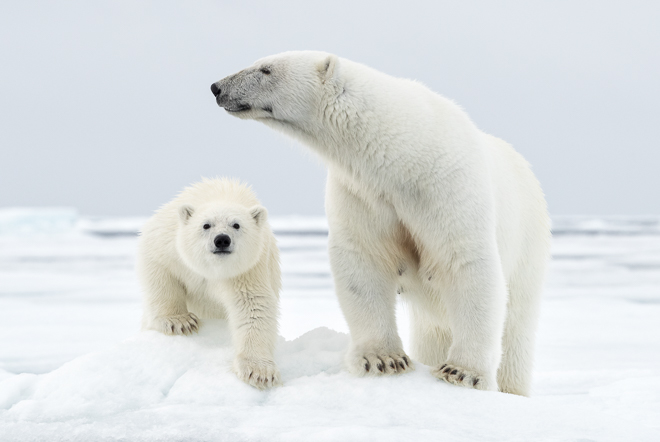
From New Zealand I returned to Svalbard for my yearly expedition north of Longyearbyen to photograph Polar Bears living and hunting on the sea ice (Read the Trip Report). With our small group of just twelve photographers and our ice hardened expedition class ship we were perfectly prepared for ten days of Arctic photography under the midnight sun and it turned out to be an absolute gem of an expedition. July and August are just a fantastic time of the year to visit Svalbard. With twenty four hours of daylight (the sun never sets this time of year) the opportunities for photography are literally non-stop and we took advantage on many occasions to photograph late into the evening and early hours of the morning.
After a short break I returned to the deserts of Namibia to lead my bi-annual workshop for both landscape and wildlife to this fantastic country (Read the Trip Report). This was my fourth workshop to the desert of Namibia and the first time I had ventured north into the wildlife rich region of Etosha. It was also the first time I have scheduled this workshop for October (instead of April / May when there is often more cloud). October was a deliberate choice for this safari as it is the end of the dry season in Etosha. Water is at its most scarce and the wildlife is thus forced to congregate around the last few remaining watering holes whilst they wait for the rains and the start of the wet season.
I then wrapped up the year with my expedition to photograph Emperor Penguins on the remote sea ice at Gould Bay in Antarctica (Read the Trip Report). The colony at Gould Bay is actually the most southerly Emperor Penguin colony in Antarctica and is also one of, if not the most, difficult colonies to reach. This was my third expedition to this remote region of Antarctica and it proved extremely productive. This was also the first time I have been able to properly explore and photograph one of Antarctica’s dry valleys – a location not far from Union Glacier known as the Elephants Head. I also took the opportunity on this expedition to shoot some video and I hope to get some time in the new year to edit it all together into a short experience video to share here on my blog and website.
All up I led a total of seven separate international workshops and expeditions in 2018 spread across the globe (not including personal work, some local private workshops to the Great Ocean Road as well as one-on-one Print workshops). A brief count tallies up over fifty plane segments and nearly sixty thousand exposures (not all keepers unfortunately!) It was a fantastic year and I just want to thank all of you who I was fortunate to meet, travel and photograph with throughout the year. It was real privilege to share in such remarkable destinations with so many fantastic passionate photographers – thank you.
2019 is ready to get underway and I am really excited about whats in store. In mid January I will be making my first trip to northern Canada in winter to photograph Snowy Owls. Snowy Owls have been on my wish list for many years and I now finally have the right local contact to photograph them in the wild on private land. This exploratory trip is the precursor to an already sold out workshop to photograph these magnificent birds that I will lead back to this part of Canada in late 2019.
From Canada I will travel back to Finland in winter to lead my Sold Out workshop for Wolverine, Wolves, Eagles, Owls and winter landscapes. Northern Finland has quickly become one of my favourite destinations for wildlife photography. Not only does it offer fantastic opportunities for wildlife, but it does so in an absolutely superb winter setting. The opportunities for a landscape draped in fresh winter snow and the stunning Aurora Borealis can make for incredible photography.
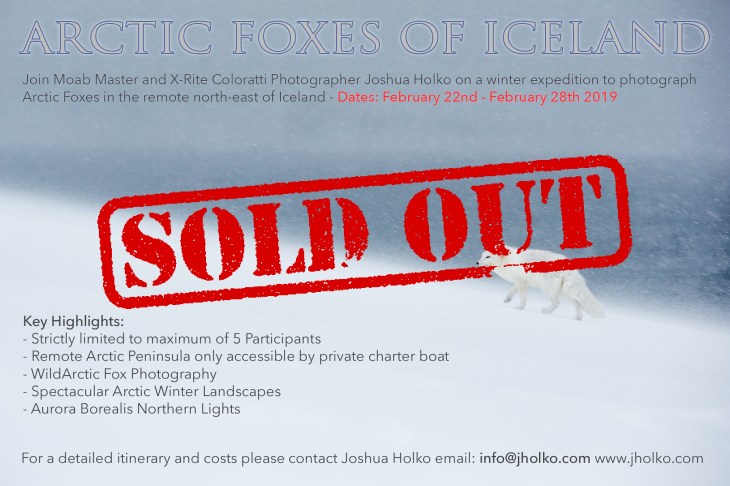
From Finland I will travel back to Iceland for my annual SOLD OUT expedition to photograph Arctic fox in the Hornstrandir Nature reserve in winter. Arctic Foxes are unfortunately hunted and shot across most of Iceland making them extremely shy and difficult to find (and even more difficult to photograph). In the remote north-west however the Arctic Foxes are protected inside the Hornstrandir Nature Reserve and can be more easily approached and photographed. We will be staying in a small remote cabin that is rustic, but functional and clean and we will have up to 10 hours of good light during the day with which to photograph the Arctic foxes. With luck, we may also see and photograph the spectacular Northern lights.
From Iceland I will travel directly to Svalbard for both personal work (on snow mobile) and to lead a brand new SOLD OUT expedition via snow mobile for both wildlife and landscape in a stunning winter setting. I have been returning to Svalbard in Winter for quite a few years now and have found the opportunities afforded by exploring via snow mobile to be truly unique and very special. Be sure to check out the video below that my friend Abraham shot during the filming of Ghosts of the Arctic.
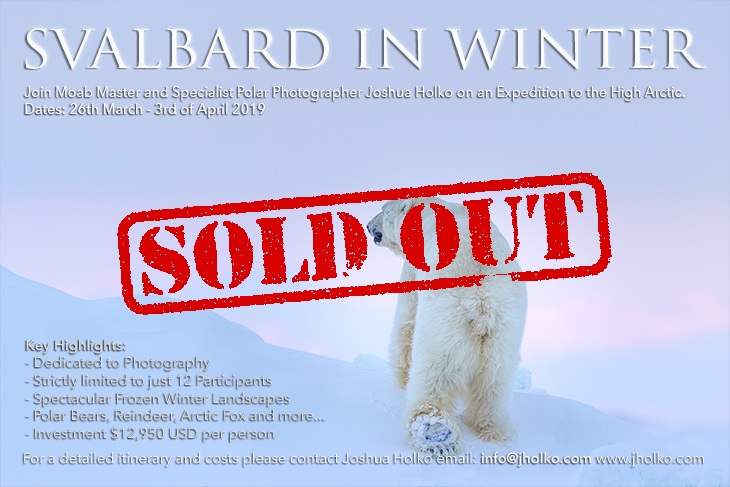
At the conclusion of the snow mobile expeditions I will lead my SOLD OUT annual winter ship expedition in search of Polar Bears, Arctic Fox, Reindeer and Arctic landscapes. The main focus of this expedition will be Arctic winter light, landscape and wildlife. In March and April the light conditions in Svalbard are magical. The 2019 expedition is long sold out and places are already limited for the 2020 expedition. If you would like more information or would like to reserve one of the remaining places for 2020 please drop me an email at any time.
From Svalbard I will return to Australia for a short break before I lead two brand new back-to-back landscape workshops to the Great Ocean Road and wild landscapes of Tasmania with my New Zealand co-leader and friend Phillip Bartlett. I am really excited about these new Tasmania workshops. Tasmania is still very much an undiscovered gem on the global scene with huge potential for dramatic and unique landscape photography. The first workshop is long Sold Out, but there are still two places remaining on the second trip if you would like to join Phillip and myself. Just drop me an email to register your interest.
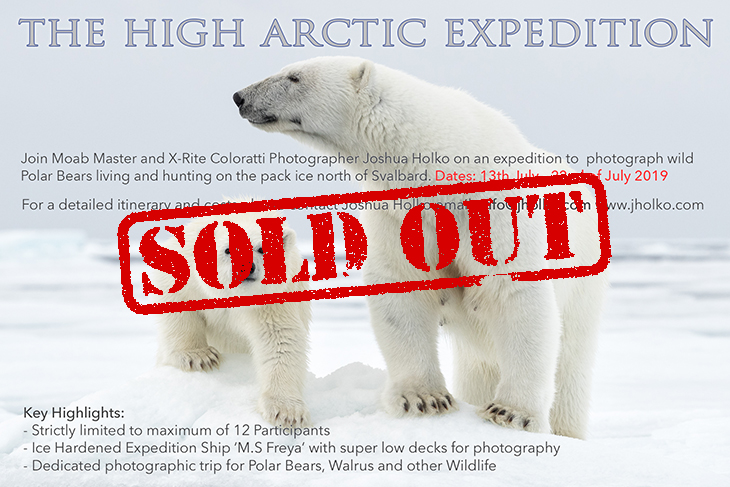
From Tasmania I will head north again to Svalbard for my annual SOLD OUT Polar Bear expedition to the High Arctic. We will depart from the small town of Longyearbyen and sail up to the edge of the permanent pack ice where we will spend out time searching for and photographing the king of the Arctic. With 24 hour daylight under the midnight sun we will have hours and hours of light for photography.
We will search the sea ice north of Svalbard for Polar Bears, Walrus, Arctic Fox, Arctic Birds and spectacular Arctic landscapes. Whilst Polar Bears and other wildlife are the main attraction on an expedition such as this it needs to be said that the landscape opportunities in Svalbard are nothing short of breathtaking. Soaring bird cliffs, plunging glaciers and dramatic mountainous scenery means there is quite literally something for every photographer. If you have never been to Svalbard you should absolutely put it on your bucket list. As above the 2019 expedition is sold out, but I am already taking bookings for 2020 – full details on my website in the Workshops section.
From Svalbard I will head to the Faroe Islands to co-lead a brand new ‘small-group’ landscape workshop to this spectacular archipelago with friend Martyn Lucas.The Faroe Islands are comprised of eighteen small rugged and rocky islands located in the middle of the Atlantic Ocean, approximately halfway between Scotland and Iceland. The island’s position is unique and is the frame for breathtaking views; beautiful mountains, majestic fjords, dramatic sea cliffs; all in all a photographers paradise. The islands have a rich bird life, Including the largest colony of storm petrels in the world and over 305 bird species including Razor Bills and Atlantic Puffins. There are still two places remaining if you would like to join Martyn and myself. Just drop me an email to register your interest.
From the Faroes I will travel back to Iceland to co-lead back-to-back ship based expeditions to Scoresby Sund and the incredible east coat of Greenland with Daniel Bergmann. Both of these expeditions are ‘fly-in, fly-out’ trips that will depart from Reykjavik via charter plane and land at Constable Point in Greenland. Flying to Greenland saves us two days sailing across open ocean in either direction and means we have more time for exploration and photography.
A few words on Greenland: Home to some of the most extraordinary geology to be found on earth, the red and orange glacial scarred landscape of Greenland stands in stark contrast to the electric blue icebergs that carve off its many glaciers and drift slowly down its precipitous fjords. It is a remote land of untamed and unbridled beauty that is rarely visited and even less rarely photographed. It is an incredible place to inspire the imagination and fuel your photographic desires. There are still a few places remaining on each expedition if you would like to join Daniel and myself. Just drop me an email to register your interest. You can check out a portfolio of photographs from Greenland on my website at www.jholko.com
After Greenland I will return to northern Finland to lead my new workshop for Wolverine and Wolves in a fiery Autumn setting. I first scouted this trip in Autumn this year and found it to be an absolutely superb time of the year for photography in Northern Finland. At this time of year the Wolverines and Wolves are active and the bears have not yet begun to hibernate. Additionally the Autumn colour is in full swing which makes for outstanding backgrounds. This workshop is for a small group of just five photographers – only two places remaining before it will be sold out.
And finally to round out the 2019 year I will again return to Northern Canada to lead my new Sold Out workshop for Snowy Owls. 2019 is going to be a very exciting (and very busy) year and I am looking forward to getting underway. For those of you who have made it this far – A sneak peak into 2020 includes brand new expeditions and workshops to the Ross Sea Region of Antarctica as well as a new and very special expedition to the remote east coast of northern Greenland on the very cusp of winter. More on this later.
I wrote last year that it was my hope that 2018 will be the year I published my new fine-art book on Antarctica. Unfortunately time conspired against me and I simply ran out of days to complete the project. I wont jinx myself by making a statement that I hope to finish it in 2019, but I will say I am going to try and allocate more time to completing this project. I have had some preliminary negotiations with a large international publisher and am now in the final throws of deciding wether to self publish or take up their offer for publication and distribution.
Lastly and certainly not least, I want to wish all of you a very safe and happy New Year and may 2019 be one of amazing light and experiences for all of you. See you in the New Year!
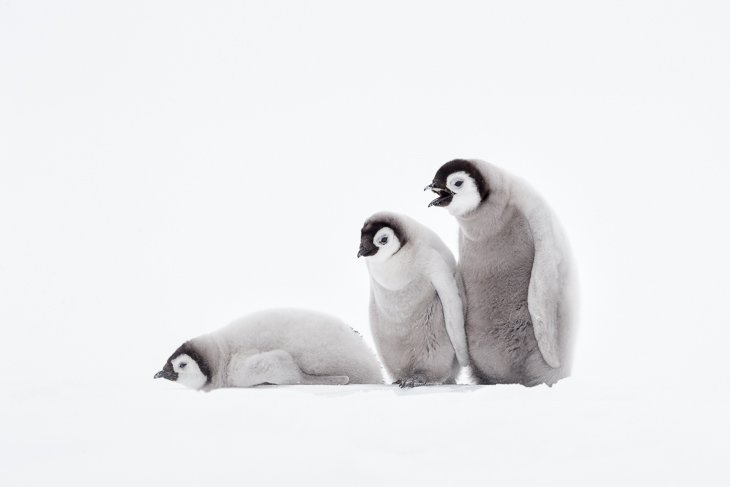
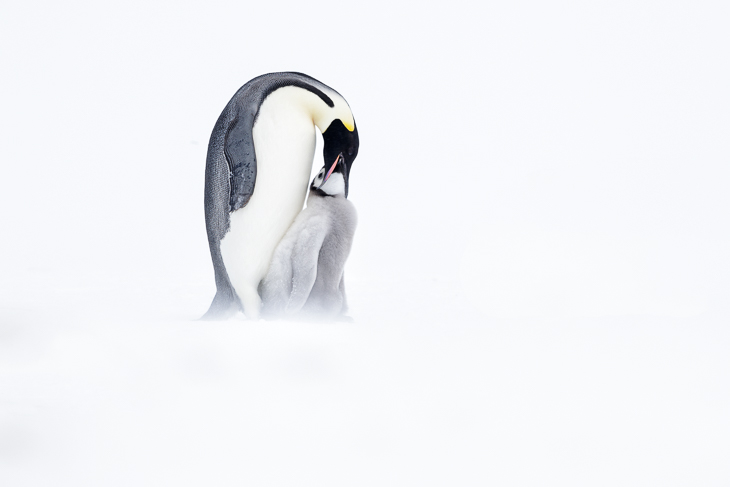
In November of 2018 I lead an expedition for a small group of photographers to the frozen sea ice of Gould Bay in Antarctica to camp with and photograph Emperor Penguins. The colony at Gould Bay is actually the most southerly Emperor Penguin colony in Antarctica and is also one of, if not the most, difficult colonies to reach. This was my third expedition to this remote region of Antarctica and it proved extremely productive. This was also the first time I have been able to properly explore and photograph one of Antarctica’s dry valleys – a location not far from Union Glacier known as the Elephants Head.
There are plenty of species the world over that are much harder to find than Emperor Penguins.To my knowledge however, none is as difficult or as expensive to reach as the Emperor Penguin; and thats the conundrum of Emperor Penguin photography. We know exactly where they are located, we just cant get to them without great difficulty and significant expense. Living on the sea ice in remote and difficult to reach areas of Antarctica the Emperor Penguin is therefore as difficult to reach as the enigmatic snow leopard is to locate in the wilds of its mountainous territories. It is an odd problem for wildlife photographers to recognise and accept that we know exactly where our subject is located but that we just cant get to it.
After more than a year of anticipation, our expedition began with the five of us meeting in the small town of Punta Arenas in Chile at the bottom of South America. Our expectations and hopes were high and we were all buzzing with excitement at the prospect of getting underway. Our plan involved taking a flight on a Russian Ilyushin cargo aircraft and landing on the blue ice of Union Glacier in the deep interior of Antarctica at approximately 79º south (approximately 1100km from the South Pole). We had planned to depart on or around the 18th of November depending on the prevailing weather. Once at Union Glacier we would establish a camp from which we would take a twin-otter aircraft equipped with skis out to the remote sea ice in Gould Bay where we would establish our advance camp around three kilometres from the Emperor Penguin colony (and around ten miles from the ice edge). The flight from Union Glacier to the sea ice is around three hours. Once on location we would be in one of the most remote and isolated camps in the world. We would then commute by walking on the sea ice to the colony for photography during the small hours of the night when the sun was at its lowest and the light at its softest.
This year we were delayed by only a single day in Punta Arenas before we had a suitable weather window to take off and land on the ice at Union Glacier. The flight time from Punta Arenas to Union Glacier was approximately five hours. This year the Chileans were doing works on the runway at Punta Arenas which meant we had to land in Ushuaia to fully fuel the plane before we made our way to Antarctica.
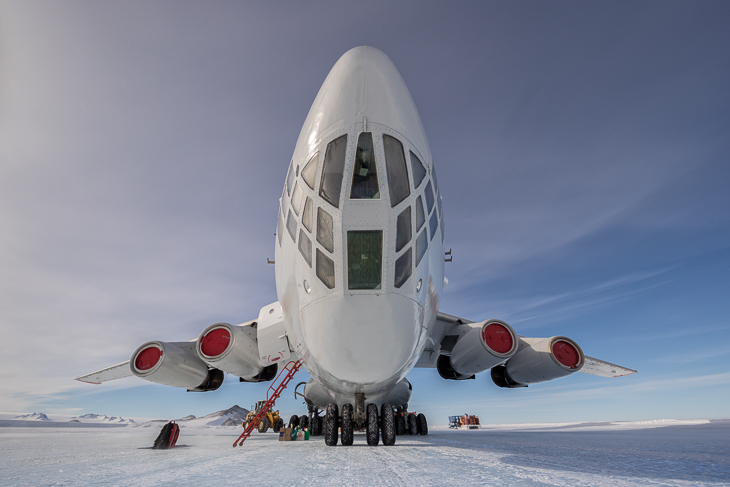
The Ilyushin cargo aircraft is equipped with military jump seats, little insulation and few feature comforts; making the ride exciting and far removed from the average commercial flight. Landing at Union Glacier on blue glacial ice is a surreal experience that is unmatched by any other flight I have ever experienced. When the rear cargo door of the big Ilyushin swings open and you step down onto Antarctic blue ice that is approximately a kilometre thick at the point of touchdown there is a real visceral thrill. Temperatures out on the blue ice were around -20º Celsius with wind chill on our landing. We took the opportunity to photograph the plane whilst all the luggage and supplies were unloaded before it took off for its return flight to Punta Arenas (The Ilyushin has to turn around as quickly as possible due to the risk of the plane and engines icing). We then loaded up the specially modified super jeeps and made our way across the glacier to basecamp.
With basecamp established we now needed a second weather window with sufficient visibility for us to take off from Union Glacier and then land on the sea ice at Gould Bay. After a couple of days at basecamp (during which time we took the opportunity to explore a little and do some landscape photography including exploring one of Antarctica’s dry valleys) the wind was finally dropping and visibility improving and we were able to load up the twin-otter plane and make the three hour flight from Union Glacier out to the remote sea ice at Gould Bay.The sea ice at our chosen camp site was approximately two metres thick and extended ten miles from where we were camped out to open water (a distance the Penguins commute for fishing on a daily basis). We quickly set about establishing camp before we grabbed a few hours sleep and prepared ourselves to walk the three kilometres across the sea ice to the main penguin colony for some stunning photography. We used sleds to carry our gear which we dragged behind us across the ice. This is actually far easier than it sounds and even fully laden with camera gear the sleds slide with relative ease across the ice.
The sun never sets this far south in Antarctica during the summer months so we planned to do most of our photography during the night hours when the sun was at its lowest and the light at its softest. We spent hour after hour photographing the penguins during the midnight sun and I confess that I completely lost track of time during these sessions. It wasn’t until fatigue and hunger set in that I would glance at my watch and realise we had been photographing for more than five hours; at which point I realised I could no longer feel my fingers. Temperatures averaged around -15º Celsius with wind chill, with only our last evening being warmer at around -10º Celsius.
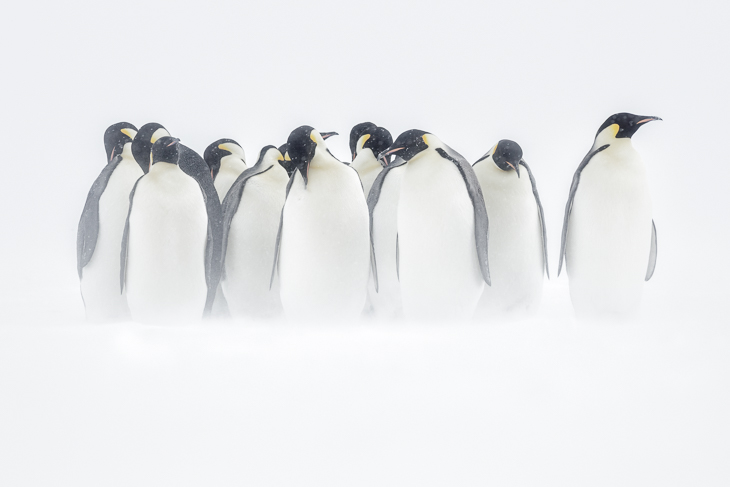
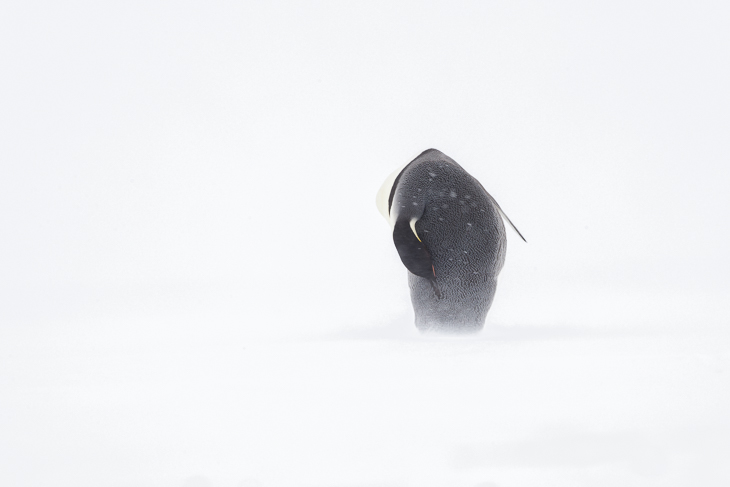
I felt we were extremely fortunate to have quite consistent 15-20 knot plus winds during our time on the sea ice this year which made camping and commuting to the colony difficult but proved absolutely superb for photography. With strong winds and blowing snow the Emperors and their chicks were often plastered with snow which made for very emotive and dramatic photography. We were also fortunate to experience a real variety of light during our time with the Penguins.
In the early hours of the morning, when we had tired and could no longer tolerate the cold, wind or hunger took over we would hike the three kilometres back to our mountain tents for a meal and some warming drinks.We would then grab a few hours shut eye before breakfast and more photography sessions with the penguins.
On occasion we had to walk no further than a few metres from our tents to photograph lines of Emperors coming and going on their way to the ocean. Everyone in our group took the opportunity to make photographs whenever the chance arose (which was often). I think we each only slept a few hours a day in total; although I don’t really remember as that part of the expedition already seems somewhat of a blur. The constant daylight and 15-20 knot winds whipping the mountain tents around makes sleep somewhat more difficult than usual. Thankfully though, the tents themselves are solar heated by the 24 hour sun and as such are actually quite warm inside. During the day I found I only needed a base layer of marino wool to stay warm in my tent. Anything else was too hot.
For this expedition I chose to shoot with two cameras (2 x Canon EOS 1DX MKII) pretty much the entire time. By far my most used lens was the 400mm F2.8L IS MKII and the 16-35mm F4L. I also shot with the 70-200mm F2.8L IS MKII and made a few images with the 24-70mm f4L IS. I did also carry the 300mm f2.8L IS MKII but had bought this lens specifically to loan to one of my clients for their use during the expedition.
I had arranged for a small step ladder to be taken down with us to our camp on the sea ice with the idea that we could use it to get some height over the colony. The idea I feel was a good one, and several great panoramic images of the colony resulted. After several days of camping with the Emperors we had to take advantage of a weather window to reverse engineer ourselves back to Union Glacier and back onto Punta Arenas.
Only a small handful of photographers ever visit and photograph the Emperor Penguins. By comparison approximately thirty-thousand people plus visit the peninsula of Antarctica annually.In 2020 I plan to return to both the remote frozen sea ice and the interior of Antarctica for both the Emperor Penguins and the interior landscapes of Antarctica. You can register your interest in this unique expedition by dropping me an email and I will keep you updated as logistics progress. There is no obligation at this point. To see the full portfolio of images from this expedition please visit my website at www.jholko.com