Major Workshop / Expedition Update 2017 / 2018

With August almost behind us (just where is the year going?) I felt it time for an update on workshops and expeditions for the remainder of 2017 and into 2018 (with a sneak peak into 2019).

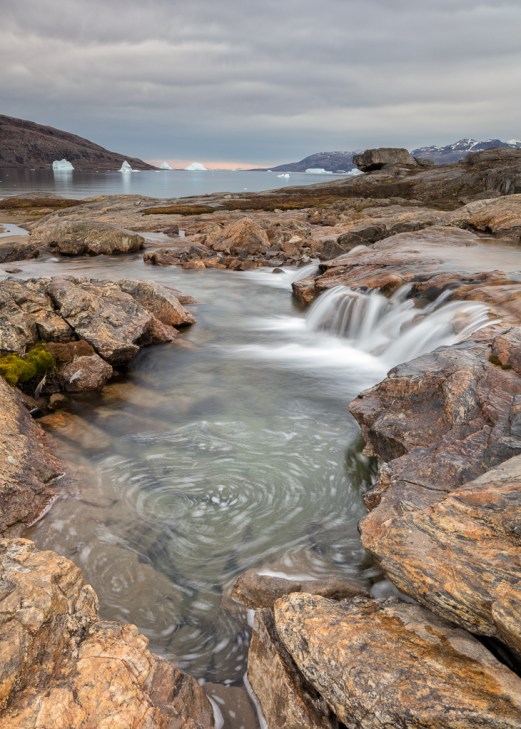
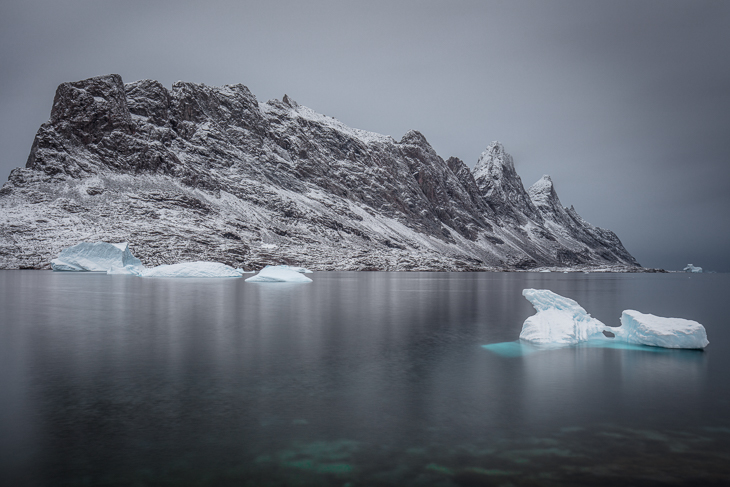
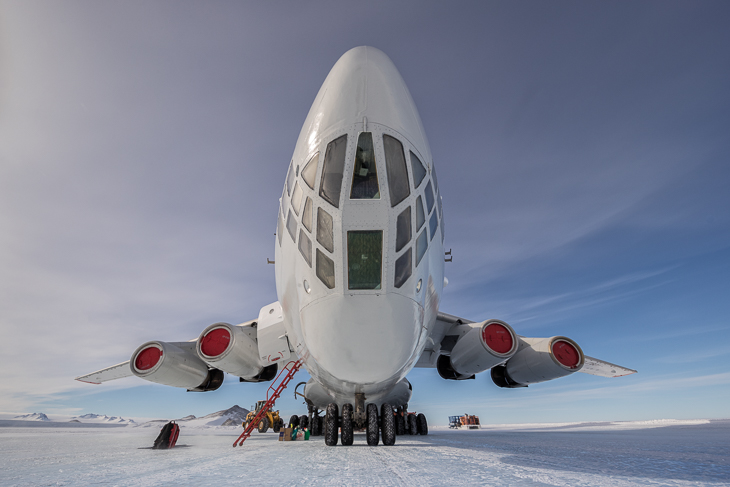
In a little under two weeks time I will be heading north to Greenland for two back-to-back expeditions to the remote east coast of Greenland. These expeditions into the remote and wild Scoresby Sund fjord system have been in planning for more than two years now and I am really looking forward to setting sail from Constable Point in Greenland to start our photographic expedition. Both of these expeditions have long been sold out, but I will be returning to Greenland in 2019 and will have more details on that expedition later this year.After I finish in Greenland I am heading down to Antarctica for my White Nature expedition. Timed as the first of the season we have planned our expedition to take advantage of dramatic and variable weather as well as giant icebergs and lots of snow and ice. I have been travelling to Antarctica annually for many years now and have found early November to consistently offer the best photographic experience for all aboard. I recently published a full guide on how to choose the right photographic expedition to Antartica and it can be downloaded for free HERE. This expedition is sold out.

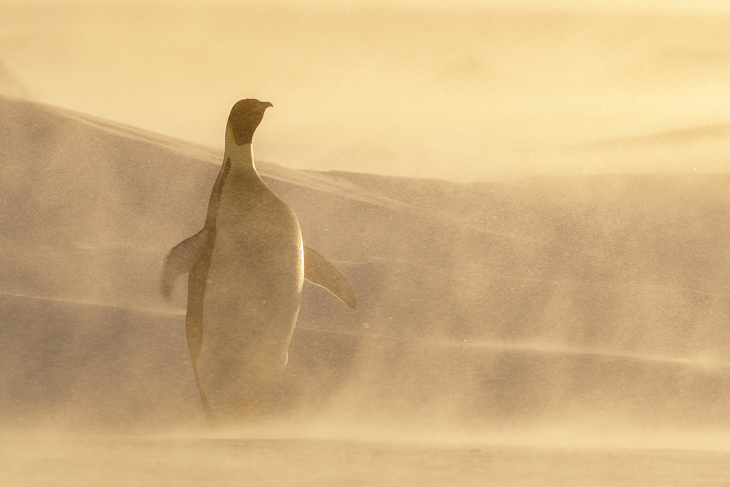
2018 will kick off with sold out expeditions to Lofoten for Winter landscapes and Iceland for Arctic Fox in winter. My last workshop to Lofoten was in 2016 and I am looking forward to returning to this incredible archipelago. The rising and precipitous mountains that climb directly out of the sea and the rugged coastal landscapes make for a photographers paradise. And of course, the chance of Aurora Borealis (northern lights) only sweetens the pot and adds that magic element to what is one of the most picturesque places I have ever been fortunate to visit and photograph.My annual expedition to photograph Arctic Fox in winter in the remote and wild Hornstrandir reserve in Iceland has also long been sold out (Read the 2017 Expedition Report). I will be returning to Iceland in 2019 for this expedition and am now taking expressions of interest from those interested in photographing this incredible survivor. I will have full details including dates and costs for 2019 soon.After Iceland I will travel to Svalbard to lead a winter expedition north of Longyearbyen in search of polar bears and dramatic winter landscapes. Svalbard in winter is an absolutely breathtaking location. With newly formed sea ice, snow and ice covered mountains and chance encounters with the worlds largest land predator in a stunning white environment this expedition rates as one of my absolute all time favourites (Be sure to check out the Expedition Trip Report from March this year). At this stage there are still a few places remaining before the expedition will be sold out. If you are interested in joining us and exploring the winter white wonderland of this Arctic archipelago you can register your interest by dropping me an email. The remaining places are filled strictly on a first come, first served basis. To get an idea of what winter is like in Svalbard be sure to check out the new Ghosts of the Arctic short film by clicking on the image below.In late April / Early May I will lead my annual New Zealand South Island Masterclass workshop. This will be the last year I offer the South Island workshop as I plan to switch gears in 2019 with a brand new Van Diemens Land Tasmania Landscape workshop that will also include an optional extension to the Great Ocean Road in Victoria Australia (more details on this to come at a future date). The New Zealand South Island Masterclass has been an eagerly anticipated workshop over the last few years. For the final year my co-leader Phillip and I are including even more helicopter time over the spectacular southern alps with doors off photography to enable us all to capture some truly stunning imagery. Strictly limited to just six participants there are now only a few places remaining before the workshop will be sold out. Earlier this year, Daniel Bergmann and I completed a brand new workshop to photograph Atlantic Puffins and other Arctic birds at several different locations in Iceland that included the remote northern Grimsey Island, inside the Arctic circle. (Read the trip Report). The workshop was a great success and as such we have decided to offer a new workshop in May next year that will take us back to Grimsey Island to photograph both the wildlife and incredible landscape of this remote island. As well as Grimsey Island we will also spend time in Myvatn in the north of Iceland – One of the best places in the world to photograph Arctic birds. Grimsey Island in particular is one of the most spectacular locations I have visited in Iceland with towering cliffs that rise hundreds of feet out of the ocean and incredible basalt columns. It is a wild and primordial landscape that is rarely visited and even less rarely photographed. If you are interested in photographing the loveable and comical Atlantic Puffin and other Arctic bird species this workshop is not to be missed. Only two places remaining before the workshop will be sold out.In July I will return to Svalbard for my annual summer Polar Bear expedition. This expedition has been designed from the ground up to provide the very best possible opportunities to Photograph Polar Bears in their natural environment. With the reduction in Arctic sea ice the Polar Bears in Svalbard are dwindling in number and the number of years left to photograph them is unfortunately now extremely limited. Late July and August are the ideal times to photograph Polar Bears north of Svalbard due to the dwindling ice around the archipelago. On this expedition we will be carrying a naturalist/biologist who specialises in locating Polar Bears and an expedition leader and captain who have years of experience in placing us in the ideal position to make the best photographs. Their expertise will allow us to approach the king of the Arctic as closely and safely as possible and make incredible photographs under the spectacular midnight sun. To get an idea of what this workshop entails be sure to read the 2016 trip reportIn October I will return to the gigantic sand dunes of Namibia for a new Desert Fire Safari. This will be my fourth visit to Namibia to photograph the ancient sand dunes of the worlds largest and oldest desert. It is the perfect juxtaposition to my usual polar landscape and wildlife photography and offers an alternate landscape of extremes. Our workshop will sea us visit the giant red sand dunes of Sossusvlei, the eerie ghost town of Kolmonskop as well as the relentless Skeleton coast and the Etosha wildlife reserve. Places are now limited. For more information please send me an email.Finally in November 2018 I will return to the sea ice of Gould Bay in Antarctica for my Emperor Penguin expedition (Read the 2016 Expedition Report). There are plenty of species the world over that are much harder to find than Emperor Penguins.  To my knowledge however, none is as difficult or as expensive to reach as the Emperor Penguin; and thats the conundrum of Emperor Penguin photography. We know exactly where they are located, we just cant get to them without great difficulty and significant expense. Living on the sea ice in remote and difficult to reach areas of Antarctica the Emperor Penguin is therefore as difficult to reach as the enigmatic snow leopard is to locate in the wilds of its mountainous territories. This expedition will see us fly to Union Glacier deep in the Interior of Antarctica where we will set up our base camp before we take smaller twin otter aircraft out to the sea ice for our advance camp where we will live with the Emperor Penguins during our time on the sea ice. Strictly limited to just eight photographers there is only one place remaining before the expedition will be sold out (Read the 2016 Expedition Report).Peaking into 2019 I will be leading a brand new workshop to the north of Finland in February in search of Golden Eagles, Hawk Owls, Wolves and wolverine (full details coming very soon). The workshop is going to include a significant amount of photography from private hides and will afford opportunities to photograph rare species not often seen and even less often photographed. I am not quite ready to start taking bookings for this new workshop but you are welcome to register your interest by dropping me an email.

A final sneak peak into 2019 includes a new workshop to photograph the landscapes of Van Diemens land (Tasmania) with an optional extension to the Great Ocean road in Victoria Australia. More details to come soon….

Polar Bears of Svalbard 2017 Expedition Report

This August 2017 I lead my annual summer expedition to the sea ice north of Svalbard in search of Polar Bears, Walrus, Arctic Fox, Arctic Birds and spectacular Arctic landscapes. Whilst Polar Bears and other wildlife are the main attraction on an expedition such as this it needs to be said that the landscape opportunities in Svalbard are nothing short of breathtaking. Soaring bird cliffs, plunging glaciers and dramatic mountainous scenery means there is quite literally something for every photographer. Summer in the high arctic is a very special time for photographers. With twenty-four hours of daylight the photographic possibilities are quite literally as abundant as the day is long. In fact, what would normally pass for night time is actually one of the best times for photography in the Arctic summer as the light is often soft and ethereal with subtle golden overtones. Svalbard can also be prone to a bit of fog in summer but I find that this helps to soften the light and often adds a good deal of atmosphere to photographs. I know some photographers find fog difficult to work in as it often obscures the subject; but I enjoy the element of mystery fog often adds. Anytime you can make the viewer pause to more closely examine a photograph you have succeeded far beyond what might have just been a pretty picture.

Our most northerly position on this expedition saw us just north of 81º; which put us right at the edge of the permanent pack ice (how much longer there remains sea ice in summer is debatable, but I expect it may only be a few years before the arctic is free from ice in the summer). This year there was a lot of open ocean and no fast ice around even the Seven Islands area. As a result bears were hard to locate in this area and we had to head quite far east before we encountered some good bear opportunities. Even the solid ice edge was very thin this year and evidence is everywhere that the melt continues unabated.We never know exactly what we are going to find on these expeditions and every single trip is different. On this occasion we had a total of eleven polar bears, seven of which were what I like to term ‘photo bears’. That is, a bear that comes close enough to the ship that it provides some really fantastic photograph opportunities. On this trip we even had a bear come right up and nose the front of the ship as we were parked in the sea ice. For those who had never seen a polar bear before this was an encounter they will likely remember forever. Anytime you can put away your telephoto lens and shoot a polar bear with a wide angle is a very special occasion. We also had a fantastic encounter with a swimming polar bear. The bear was quite curious about our ship and shadowed us as we headed north keeping up a constant 1.3 knots for over three hours before finally climbing out on the ice and heading north-east.One of the real highlights of this expedition for me personally was finding a large group of Walrus on sea ice on the west coast. Walrus have become quite numerous since their protection in Svalbard which has made finding them easier in recent times (they were hunted to near extinction). However, finding Walrus on ice is always a rare thing and finding them on ice in beautiful soft light is even rarer. We were fortunate to be able to get quite close to them on zodiac and the resultant opportunities were truly fantastic. Zodiacs are the ideal way to photograph Walrus as they provide a stable platform that is super low to the water enabling the photographer to get down to eye level for more intimate images.In another first for me we also photographed a polar bear feeding on a dead whale carcass that had washed ashore. Using zodiacs again we were able to get very close and position ourselves for some fantastic mountain backgrounds. We spent a couple of hours with this bear and were able to get some really unique photographs. This is one of the key benefits of small expeditions such as this; we can really spend quality time with every opportunity we encounter. And with a small group of just twelve participants there is plenty of room for everyone in the zodiacs. During the expedition we also sighted numerous whales including Humpbacks, Bowhead and Fin whales (and possibly a Blue Whale although it was a little too far to identify with certainty). We also had some fantastic encounters with Arctic Fox in Kongsfjorden where we also witnessed a large blue iceberg roll over right in front of our zodiacs. Although we were never in any real danger and had everything completely under control it was nevertheless an exciting moment.

If you are interested in travelling to the high Arctic to encounter and photograph polar bears and incredible arctic landscapes I will be repeating my annual summer expedition to Svalbard in July next year 2018. Places are strictly limited to twelve participants (only three places remaining before it will be sold out). To get an idea of what it is like to participate in an expedition such as this be sure to check out the short film Kingdom of the Ice Bear below.For those of you keen to brave the beauty of the Arctic in winter I will also be running a very special expedition to Svalbard in March next year. At this time of year we typically have hours of golden light as the sun crests the horizon, but stays low in the sky. Winter is a very different experience to summer. With most of the fjords frozen over the opportunities for winter landscapes is at its absolute best.  It is also the perfect juxtaposition to a summer experience. You can drop me an email to register your interest for either or both expeditions.

Really Right Stuff Feature – How to Choose an Expedition to Antarctica

Really Right Stuff have just published Part One and Part Two of a multi-part series of articles I recently penned on how to choose the right Photographic Expedition to Antarctica. If you are considering a future photographic expedition to Antarctica I highly recommend you take a few minutes out of your day to ensure you make the right decisions when you choose your expedition. Arming yourself with the information in this series will ensure you maximise your own photographic opportunities.My own expedition to Antarctica this November (Antarctica – White Nature) is long sold out; but if you are interested in travelling on a future expedition you can register your interest by dropping me an email. I will not be offering a standard Antarctica Peninsula expedition in 2018 due to my commitment to the Antarctic Emperor Penguin expedition; however, I may have a future offering for November 2019 and will have more details on this expedition later this year.

UK Daily Mail Features Ghosts of the Arctic

The UK Daily Mail has just published an online essay with many behind the scenes photographs and excerpts from the making of my new short film  Ghosts of the Arctic
Time has raced past and I now find myself about to head back to the airport in a couple of hours time for the long haul flights up to Norway and then onto Svalbard at 78º North for my summer Polar Bear expedition. Svalbard has become one my absolute favourite places in the world to visit and photograph and I find myself yearning to return whenever I have to leave and itching to get underway whenever an opportunity to visit or a new expedition approaches. There is something about the primordial landscape and environment in this region of the Arctic that I find incredibly haunting. It is a landscape that speaks to me on many levels and is now a place I consider very much my home away from home. I simply cannot wait to return.

I am packing a little bit differently to previous expeditions I have lead to Svalbard in recent years. For the first time I am taking an underwater housing with me (along with a custom made pole-cam system). It is my hope that there will be opportunities to photograph Walrus (and Polar Bears) with the system at some point during the expedition (although you never know as every expedition is different). The underwater housing requires its own dedicated and somewhat large pelican case (which has to be checked) so this has cut down somewhat on the amount of other equipment I would normally pack on this sort of expedition. Where as I have in the past packed both my 600mm F4L MKII as well as the 200-400mm F4L; this time I will take only the 200-400mm and will leave the bulkier 600mm F4L MKII at home.

Gura Gear Bataflae 32L Camera Bag (Carry on Luggage)

– 2 x Canon EOS 1DX MKII bodies
– 1 x Canon 11-24mm F4L Lens
– 1 x Canon 24-70mm F4L IS Lens
– 1 x Canon 70-200mm F2.8L MKII IS Lens
– 1 x Canon 200-400mm F4L IS Lens with inbuilt Teleconverter
– 1 x Sigma 15mm Fish Eye Lens
Gura Gear Chobe (Carry on Luggage)
– 1 x Apple MacBook Pro 15″ Retina (I plan to upgrade this to the new 13″ model early next year)
– 1 x Apple laptop charger
– 2 x USB 3 2TB external portable Sandisk SSD Drives
– 1 x  Thunderbolt CFast card reader and CF card Reader
– 1 x Sunglasses and sunglasses case
– 1 x Leica Ultra-vid 10×42 HD Binoculars
Etcetera Case #1 (Inside Chobe)
– 1 x Canon 1-Series camera charger
– 2 x Power Adapters for on board ship
– 2 x Canon 1DX spare Batteries
Pelican 1620 Case (checked Luggage)
– 1 x Nauticam 1DX MKII Underwater Camera Housing with Vaccume System
– 1 x Glass Dome Port and Extension Tube for 11-24mm Lens
– 1 x Zoom Gear for 11-24mm Lens
– Various Housing Accessories
– 1 x  Custom made Pole Cam system with Carbon Fibre poles 80cm and 100cm
See you in Svalbard!