In July and August 2014 I led back-to-back workshops in Iceland with good friend and pro photographer Daniel Bergmann. The intention of these workshops was to circumnavigate the island with two groups of photographers visiting some of the iconic photographic locations as well as some lesser known and hidden gems. We planned to quite literally cram in as many great locations around the Island as possible, get into the remotest parts of the country, chase the spectacular light of the midnight sun and provide the Ultimate Iceland Workshop Experience. I am pleased to say we achieved all of these and by the conclusion of the second workshop I was pretty much shattered from the lack of sleep and long hours in the field. The photography however was spectacular and made all the long waking hours in the field an absolute pleasure and joy. My thanks to friend and photographer Jaime Dormer for this wonderful capture ‘Jumping for Joy’ on the road into Veiðivötn.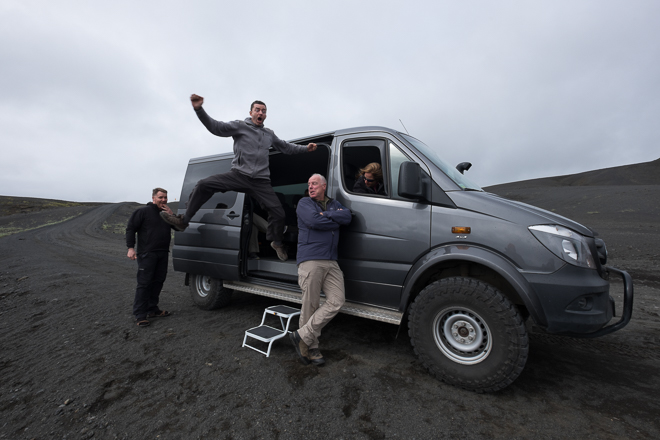 During the course of these two workshops we covered over 5000 kilometres (across both workshops) in our circumnavigation of the Island in our modified Super Jeeps. Many of these kilometres were on Iceland’s notorious F Roads; which provided us access to some of the more remote locations for landscape photography. Whilst Iceland has more than its share of spectacular waterfalls and landscapes within short walking distance of the main highway one ring road it is more often the car destroying F roads that offer the real gems. With our specially equipped and highly modified super jeeps we ate up the F roads and made sure we were on location when the magic happened. This photograph taken at Bláhylur on the road into Landmannalaugar was the result of being in the right location at the right time. We arrived under heavy cloud and light rain and as we set up our tripods around the rim of the crater we simply watched the magic unfold. The play of light across the mountain was spectacular and although it didn’t last long everyone was able to create a great image.
 One of the first stops on these back-to-back workshops was the interior highland region of Iceland. If you are a regular reader of my blog you are already well aware that the highlands are my favourite location in Iceland. The interior is simply an incredible location for landscape photography. During the two workshops we visited both the vast rhyolite mountains of Landmannalaugar as as well the black tephra sands of Veiðivötn. Veiðivötn is a location rarely visited by outsiders and we enjoyed the entire landscape to ourselves during both workshops. The deep blue pools of water are a fantastic contrast against the black sand and alien green veins of moss that snake across the landscape. Veiðivötn remains for me one of the most alien and evocative places in Iceland for landscape photography. The area is somewhat notorious for its wind and we experienced a good dose of exposure to the inclement elements during our time here. Some wonderful images did result and thats a testament to the photographers on both workshops.
 As well as landscape photography we also took the opportunity to include some wildlife Puffin photography. We had not originally planned to spend time photographing the Puffins; however Daniel and I decided that the weather provided the ideal opportunity to photograph them coming into land on the cliff edge with fish for their chicks. We were fortunate to catch the Puffins just before they headed out to sea for the winter. We did have very high winds during our time on the Puffin cliffs which provided us with unique opportunities to catch them trying to land on the cliff edge. Puffins are wonderful subjects for wildlife photography and although they are extremely difficult to catch in flight I enjoyed our time photographing them immensely.
 In the South we visited the well known Jökulsárlón glacial lagoon as well as the stunning mountains at Stokksness. Stokksnes lived up to its reputation of wild weather and we had both rain and high winds at this location on both workshops. Nevertheless some fantastic images resulted and this remains a stunning location that is a photographers delight in just about any conditions. We also visited and photographed the lava field at Eldraun and the Svínafellsjökull glacier. It has been interesting and somewhat disturbing to observe the incredibly rapid retreat and deflation of this glacier. From month to month and year to year I have been photographing the glacier and with every visit I am shocked at the speed of the melt and retreat. My feeling is that this glacier may only have a decade or so left before it is completely gone. Glaciers are incredibly beautiful subjects to photograph and watching one in its death throes saddens me immensely. I don’t want to sidetrack myself with a global warming debate but the clear evidence of global warming is written clearly across the face of Iceland. I suspect we are now witnessing the last days of the Arctic.
We also visited the mighty Dettifoss and Sefloss waterfalls in the north of Iceland. Dettifoss is the largest waterfall by volume in Europe and it is an incredible feeling to stand on the edge of this amazing force of Nature. I have likened it to what it must be like to be inside a jet engine. The sheer raw power of this waterfall is awe inspiring and we enjoyed our sunrise and sunset shoots at this location very much. A short walk upstream to Selfoss also provided us with fantastic dawn photography on both workshops. Selfoss is in many ways my preferred waterfall out of the two for photography as it offers more varied opportunities for composition in my experience. 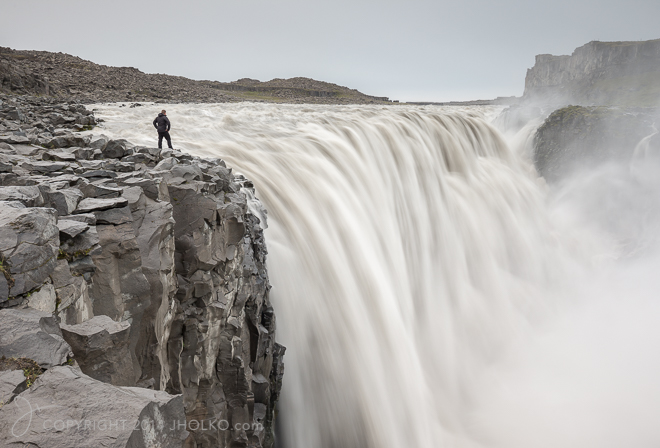
Whilst in the north of Iceland we visited the geothermal region at Namafjall near Myvatn as well as the smouldering lava field near Krafla. Both of these locations are fantastic areas of black lava, boiling mud pits, sulphurous smells and fumoroles. We were especially fortunate to experience some really incredible midnight sun light during the second workshop at Námafjall and some outstanding images resulted from this evening shoot.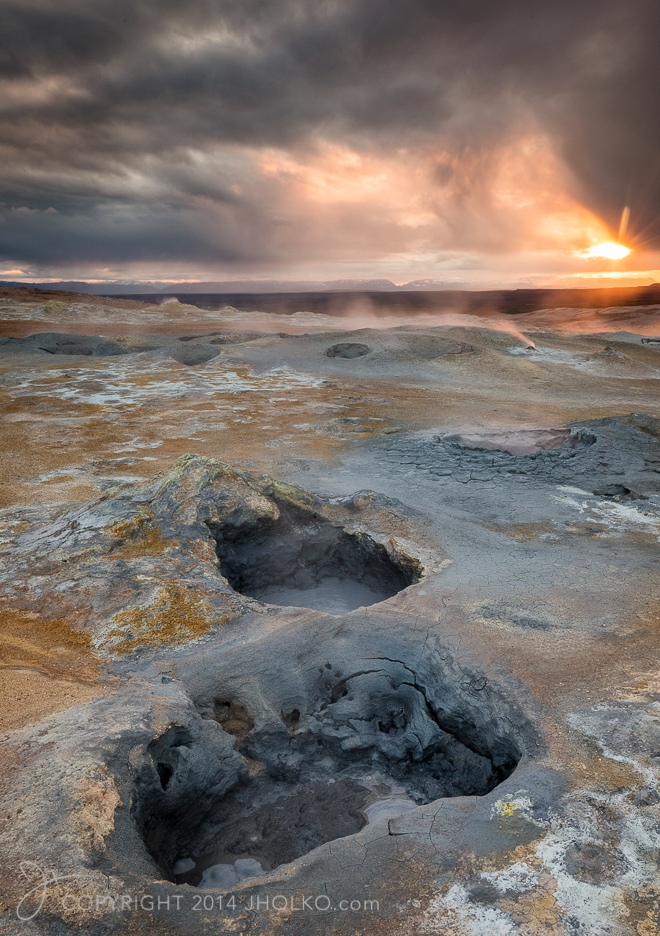 Both of these workshops provided a real mix of Iceland weather and light which made for some excellent photographic opportunities for the duration of both trips. We had rain, wind, sun, and just about everything in between at one point or another and that is at the very heart of what makes Iceland such a wonderful and fascinating country for photography. In a landscape that never stops changing its only appropriate that the weather behave likewise. My sincere thanks and appreciation to all those who participated on the trips. The camaraderie of like-minded photographers was fabulous. We shared great locations, great light, wonderful local food and hospitality and best of all everyone came away with a portfolio of images they could be proud of. Personally, I am still editing and sorting through the many photographs I made on these two workshops and it will no doubt be many weeks and months before I have mined all the gems from our many sessions in the field. I hope to post some more images from both trips before I leave for Antarctica in a few weeks time.
 The workshop I am leading next year that specialises in the Hlghland region of Iceland is already sold out with a waiting list. But, if you are interested in joining a future workshop in 2016 you can register your interest now by sending me an email to be amongst the first to be notified when bookings are opened. Daniel and I will be offering something new in 2016 that should be very exciting – more to come on this at a later date. Be sure to visit the testimonials page on my website at www.jholko.com to see what the participants had to say about these two workshops.
Volcano Addendum: If you have been following the news you would be aware that there has been a volcanic fissure eruption going on now in Holuhraun (north of Vatnajökull) in Iceland for the better part of a month. Unfortunately this eruption started approximately three weeks after we completed our second workshop and we therefore did not get a chance to photograph it. Currently the area around the eruption site is closed to all ground traffic due to significant venting of poisonous gas and it is therefore impossible to get anywhere near the lava being ejected. All of the surrounding roads are closed due to both the risk of poisonous gas as well as possible flooding from the nearby Bárðarbunga volcano should it erupt. Things are further complicated by the early arrival of winter snowfall in the north. The Bárðarbunga volcano resides under the Vatnajökull glacier and is the real danger and the big unknown at this point in time. At approximately ten times the size of the Eyjafjallajökull volcano it has incredibly destructive potential should it erupt. The sheer volume of ash that will be ejected into the atmosphere is very likely to cause significant airline disruption and there will no doubt be significant fall-out across the country. At this point in time the glacier is subsiding over Bárðarbunga which points to the possibility of an eruption in the near future. As to exactly when this may occur is an unknown at this point. I have been monitoring the volcanos activity over the last few weeks and am considering a trip to Iceland in the next few days to photograph the volcano from the air. More to come as things progress.
 This trip report is going to be a little different to those I have written up in the past. Rather than recount just the highlights and main experiences I am instead going to post the day-by-day reports that are handed out to participants at the end of each day. At the conclusion of every day of the expedition the staff and crew compile a report of our activities for the day as well as our upcoming plans for the following day. The intention of these daily reports is not only to keep everyone on the expedition up to date but also to provide a record at the end of trip for participants to take home. These reports give a wonderful insight into ship board life and the many experiences over the course of the expedition. They cover a lot more than just the photography (in fact they are not really meant to be photography based, and are focused on life aboard ship and in the Arctic) and include information about the ships position, weather, wildlife encounters, our daily itinerary and even a few Russian language tips in good faith to our crew. The Trip Daily Reports can be downloaded as a complete PDF file HERE.
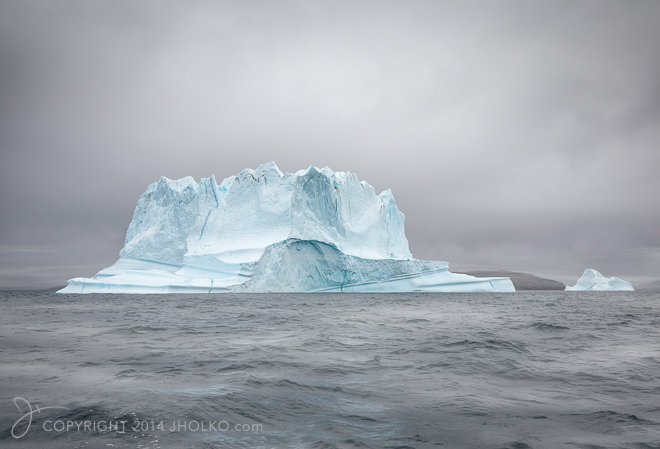
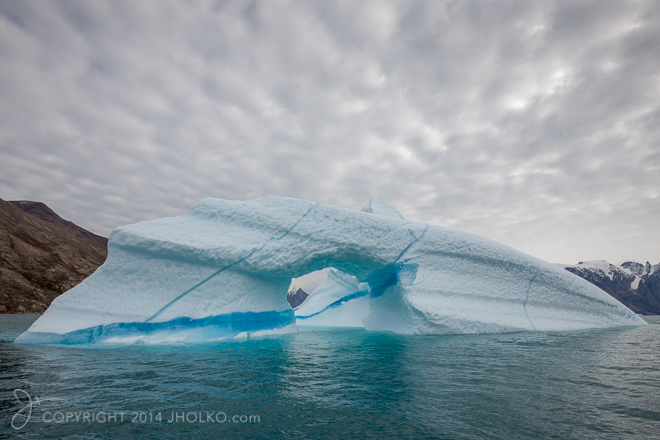 As with all polar expeditions we encountered a variety of weather that included a remarkably calm and flat Denmark Strait and Greenland sea crossing. Both of these stretches of water are quite notorious and can be as rough as the Drake Passage (that thin stretch of water between South America and Antarctica). Thankfully we were fortunate to experience calm seas for the duration of our expedition, which really maximised our photography – both on ship and on zodiac. I lost count of the number of zodiac excursions during the fourteen days we were in the Arctic but they included many, many hours cruising amongst gigantic icebergs and dramatic mountain scenery.
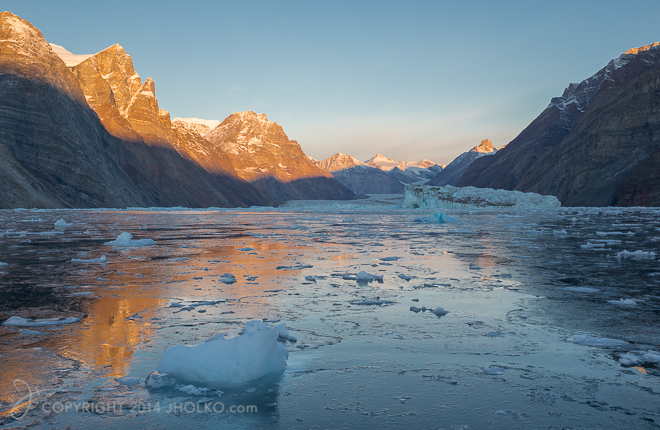 I am still sorting through and editing the many thousands of photographs I made during this expedition. These few images I have had the time to process since returning are just a small sample of the sort of incredible scenery we encountered during our two weeks in Greenland and Svalbard.
 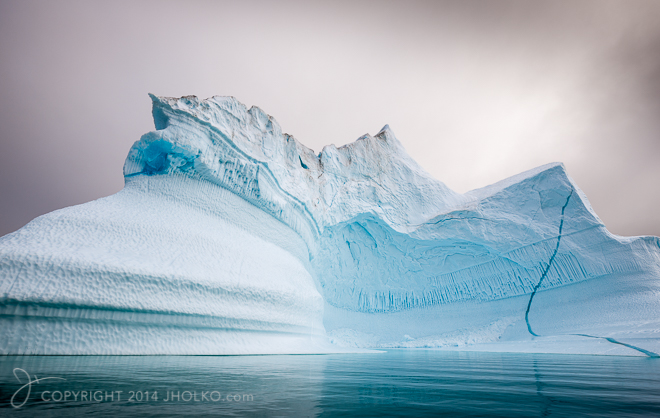 Greenland in particular is a landscape photographers paradise and remains for me one of the most geologically amazing locations I have ever visited. No where else have I ever seen such amazing and precipitous mountain formations or such incredible glacial scaring across the face of the landscape. The fjords are lined with magnificent orange and yellow mountains that are a wonderful counterpoint to the gigantic icebergs that drift slowly through the fjords. As the glaciers continue to thin and recede the newly uncovered landscape offers amazingly varied opportunities for photography. The glaciology of the Arctic is truly something to behold and even though the glaciers are sadly in full retreat at an incredibly alarming rate the opportunities for photography remain boundless. The high Arctic is an incredibly special place to visit and photograph and it was as always an absolute privilege and pleasure to share it with all aboard our ship.
 I am looking forward to returning next year to Svalbard to lead two dedicated expeditions to photograph Polar Bears north of Svalbard at the edge of the permanent pack ice. These two expeditions will be using much smaller twelve person ships which will enable us to get down to eye level with wild Polar Bears. Both of these expeditions are already sold out, but if you would like to be amongst the first to be notified when the 2016 trips are open for bookings please just drop me an email.


 www.WILDNATUREPHOTOTRAVEL.com