In February next year I will lead a winter landscape workshop to the spectacular Lofoten Islands in Norway with long time good friend and fellow landscape photographer Martyn Lucas. If you are unfamiliar with Lofoten let me assure you that the landscape of these islands is really quite something to behold. Precipitous and ominous peaks that rise straight out of the ocean loom over small fishing villages that comprise of bright red houses lining the shorelines. With a dusting of fresh snow and arctic winter light the entire scene is akin to a fairy tail location and subsequently the photographic opportunities can be truly superb. The Lofoten Islands are approximately 100 miles north of the Arctic Circle, west of Norway. Lofoten’s natural beauty, with incredible mountains and magnificent fjords offers our small, and intimate group (maximum six participants plus leaders – only 3 places remaining before it will be sold out) a chance to explore these remarkable and unique landscapes and seascapes. The breathtaking village of Reine on the island of Moskenesoya will be our base for six nights situated in some of the most picturesque mountain scenery rising precipitously out of the fjords. Reine has often been described as one of the most beautiful places on earth. If we are lucky and blessed with clear skies, we will be able to witness the Aurora Borealis and the magic of the Northern Lights as they flicker across the night skies. Besides the incredible wealth of photographic locations in the vicinity of Reine, we will use the local Fjordskyss ferry service to Vinstad and to the tiny hamlet of Kjerkfjorden, both of which are surrounded by towering granite mountains. Our private transportation will allow to access some of the iconic beaches near Leknes which might be covered in snow.
 Our home away from home while on Lofoten and in Reine, will be a quaint and venerable traditional house (built in 1906) which makes it a very cosy, but basic place that we will have all to ourselves. All guests of the house share one bathroom. Additionally, we will also have the use of a Rorbu, a style of housing historically associated with seamen now converted into homely accommodations complete with private bathroom and small kitchen. Our second base for two nights is Leknes where we will stay at a comfortable hotel. From here we can easily access the beautiful coastal beaches of Utaklieve, Haukland and Skagsanden.
During February, the days are short with sunrise at approximately 8:25am and sunset around 4:15pm. Given our northern location, the sun will be low in the sky providing soft, magnificent light conditions, for all day photography.
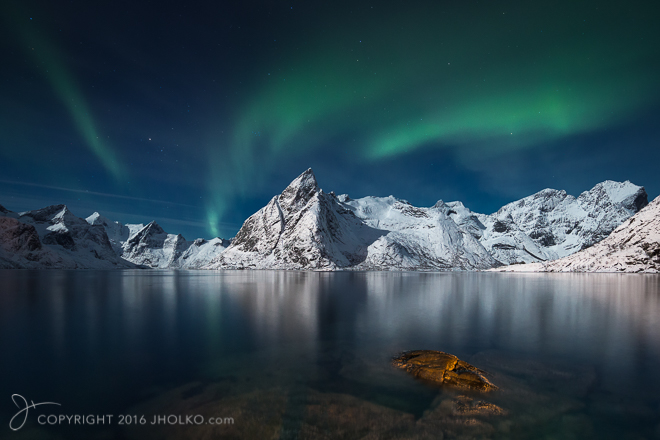
During our workshop we are also very likely to experience and photograph the Aurora Borealis (northern lights). Lofoten is blessed with fantastic mountains that rise almost vertically straight out of the ocean and that make for a superb back drop for the Aurora. As is always the case with Aurora photography the real key to getting interesting photographs is to try and include some sort of foreground and background elements. There is a temptation to focus entirely on the Aurora itself when photographing the northern lights and it is easy to be seduced by the colour and activity alone. The solution is to try and photograph the lights in the context of the environment around you. Much like wildlife, where the key is to place the animal in context; you need to put the Aurora into context with its surroundings. During this workshop we will be visiting very specific locations where we know from experience it is possible to get fabulous foreground. We will be providing hands on instruction on how to set up your camera for Aurora photography as well as how to compose and post process Aurora photographs.
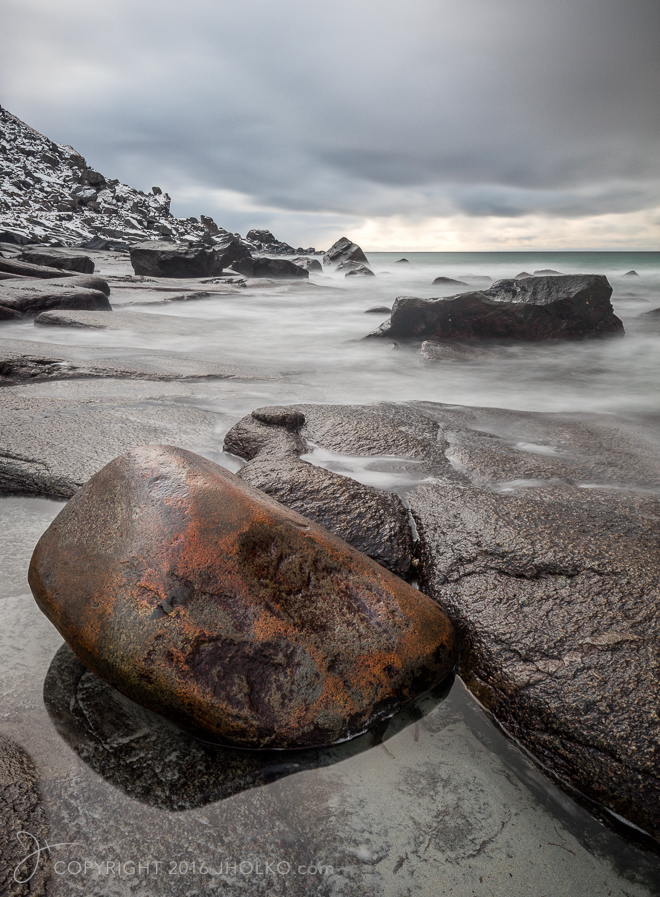
 Being surrounded by water Lofoten offers great opportunities for seascape photography at just about every turn and we plan to take advantage of this by visiting and photographing many different beaches and areas of coastline. Much of the coastline is rocky or dotted with large boulders (JCB’s – Otherwise known as Joe Cornish Boulders) which provides limitless opportunities for foreground interest. Many of the beaches are also very accessible and only a short walk from car parks or pull off areas. We plan to spend quite a lot time exploring and photographing various areas of coastline. In the right conditions, Lofoten in winter also has the added benefit of snow down to sea level for even more interest.
 It is worth noting that Lofoten isn’t just about landscape photography. During this workshop we will also take a private charter boat out to photograph White-Tailed Sea Eagles fishing off the coastline. The opportunity to photograph these remarkable raptors up close is not something to be missed.
 From the moment the workshop begins in Leknes, Lofoten until it ends 9 days later, all costs are included – transportation, food, drinks (excluding alcoholic beverages), and accommodation based on a single room per person. If you have special dietary requirements you will be accommodated – please be sure to advise when booking. Packed lunches will be taken in the eld and we suggest you bring a thermos ask for soup, coffee or tea.
This is a unique opportunity to travel and photograph with two experienced professionals who have a combined total of more than 40 years of photographic experience and can take you to the best locations that are off the beaten track, and at the right time – when the light is best.
WORKSHOP AT A GLANCE
Dates: 10-02-2018 until the 18-02-2018
Duration: 8 Nights / 9 Days
Participants: Maximum 6 Photographers plus leaders Investment: $7,450 USD (only three places remaining)
Start: Town of Leknes in the Lofoten Islands Norway Finish: Leknes Airport Lofoten Islands Norway
Trip Leader: Joshua Holko
Trip Guide: Martyn Lucas
Trip Highlights: Stunning Mountains, Incredible Vistas and Landscape scenery, Aurora Borealis (Northern Lights), White-tailed Sea Eagles and small group size
If you are interested in joining this workshop or if you would like additional information please do not hesitate to drop me an email. Places are filled strictly on a first come first served basis.
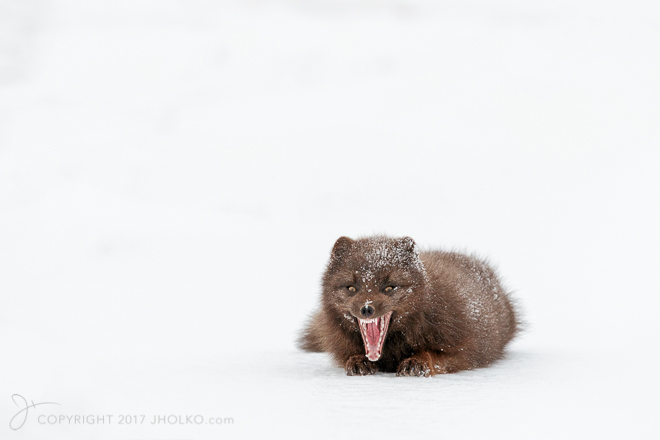


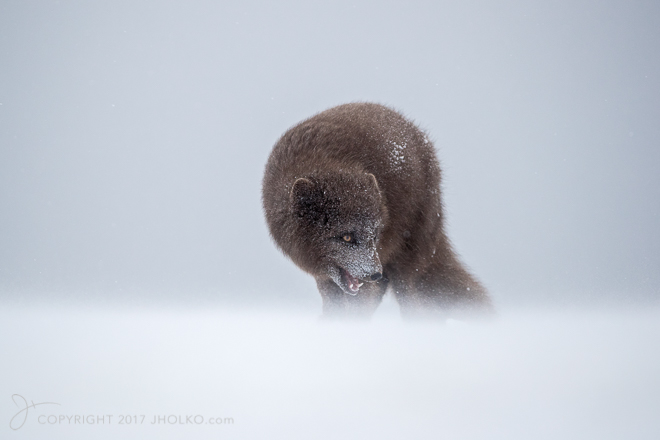

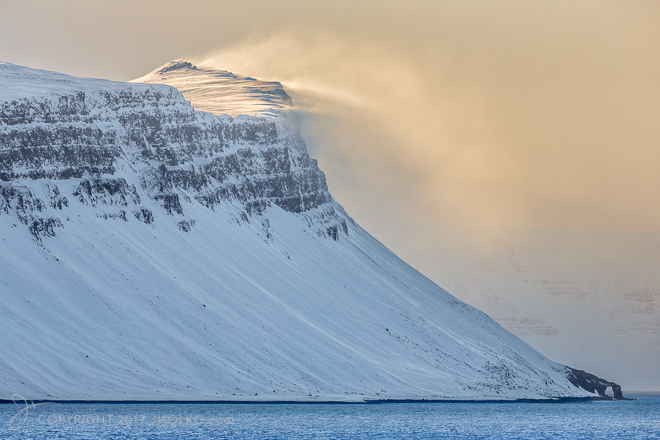
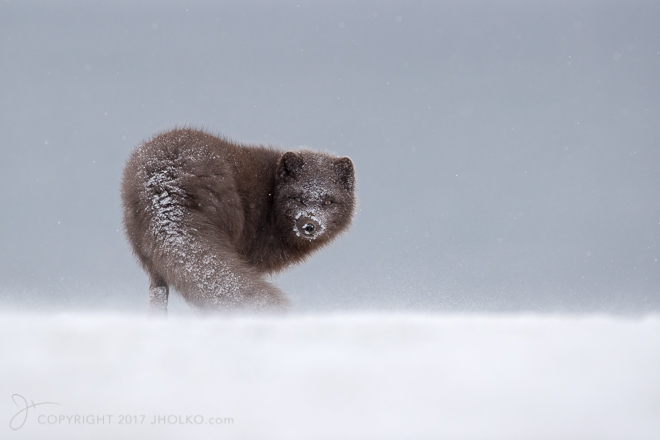

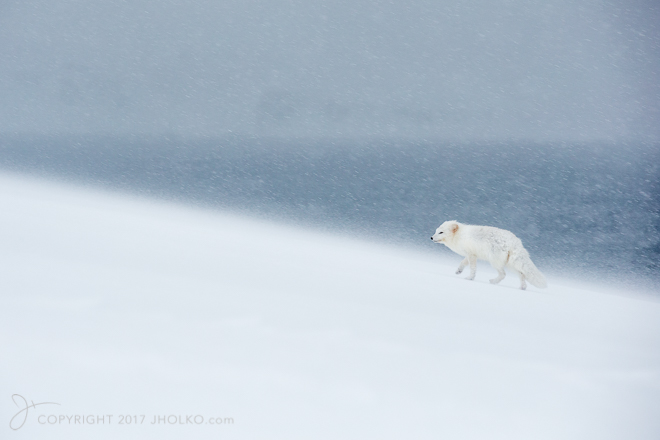
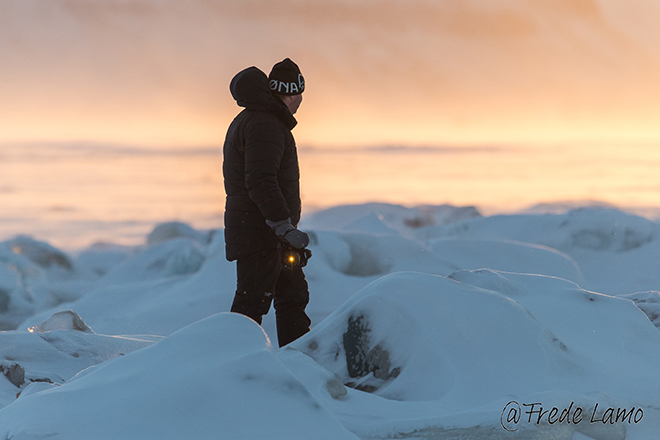 This year for the VPPY awards, I split my print entries across the Documentary and Science, Wildlife and Wild Places categories. I was very pleased to receive word a couple of days ago that not only had the majority of my prints been awarded Silver or Silver with Distinction awards, but that I was also the honoured as the overall winner for the EPSON Victorian 2017 Professional Documentary Photographer of the Year as well as being a finalist in the Science, Wildlife and Wild Places category. I have previously

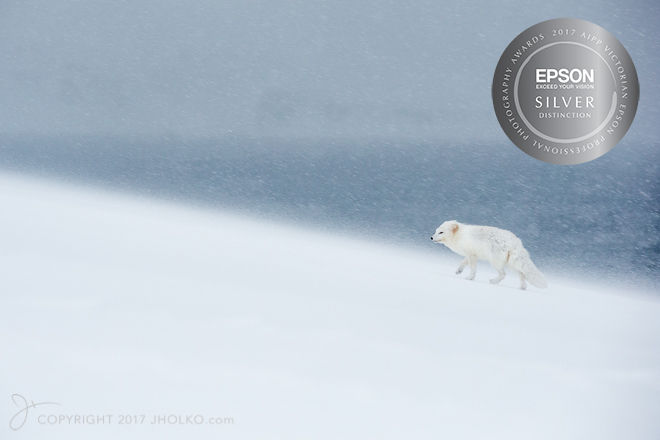
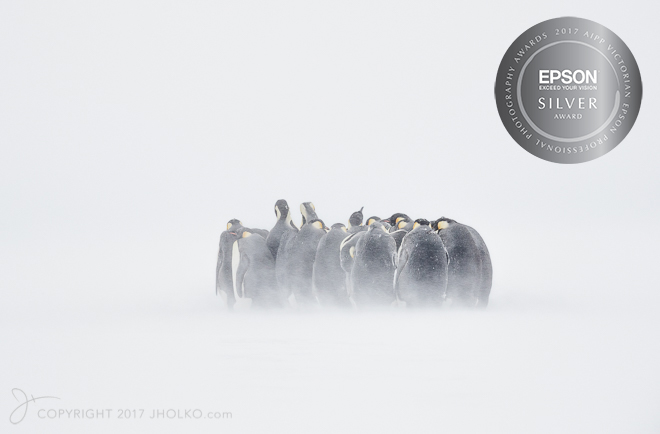


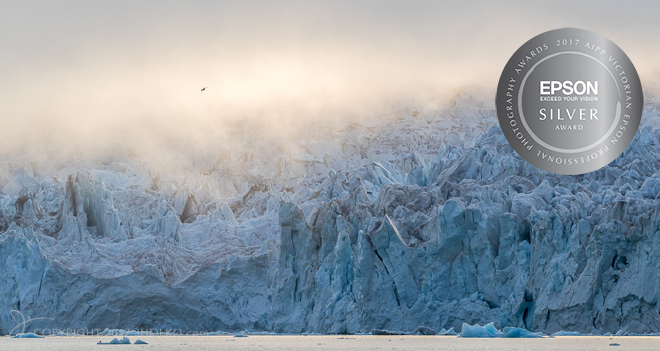 All of the prints were printed on
  www.WILDNATUREPHOTOTRAVEL.com