Photo of the Month June 2016 – Lemaire on Fire

The photograph of the month for June 2016 was taken this February during my Antarctica expedition to the Peninsula. We planned our arrival at the entrance to the Lemaire Channel for very first light and were fortunate to experience one of Nature’s truly great light shows. Over the course of about an hour and a half we cruised and drifted slowly though the brash ice of the Lemaire Channel as the sky exploded in a fireball of orange, red and magenta all around us.  I have been fortunate to travel through the Lemaire channel many times over the last few years and these conditions were without doubt the best I have ever experienced. Antarctica-3003-EditIf you hare interested in travelling and photographing in Antarctica be sure to check out the next expedition ‘Antarctica White Nature‘  that I announced a few days ago with good friend Ole Jorgen. This dedicated charter expedition is the ultimate way to see, experience and photograph this magical continent.

Iceberg in Antarctica

Antarctica : White Nature 2017 Expedition Announcement

Today I am very excited to announce a brand new and unique expedition to the Great White continent in November 2017 next year  – Antarctica: White Nature. This new and very special expedition is a co-operative effort between myself and Norwegian photographer and friend Ole Jorgen Liodden.

Iceberg in Antarctica

Antarctica is miraculous; a remote, white continent of stark and beautiful desolation. For Nature photographers, Antarctica is without doubt the gold standard against which all other photography destinations are measured. Nowhere else on earth offers such incredible landscape and wildlife in such a pristine and remote environment. Best of all, we have timed our expedition as the first of the season in order to provide the best possible chance for fantastic icebergs and great light. Our expedition is a full charter which means we are 100% dedicated to providing the best possible experience and opportunities for photography. Unlike most trips to our Antarctica you wont have to share with tourists or regular travellers. You will be sharing with people who are just as dedicated and passionate as you are about capturing the best possible photographs.

The expedition is for a strictly limited number of 54 participants plus photography guides and expedition leader. We have chartered the ice hardened expedition ship M/S Polar Pioneer with a highly experienced crew so that we can get as close as possible to giant icebergs for the best photographs. Our expedition ship the ‘Polar Pioneer’ is equipped with sufficient zodiacs and crew for all photographers to be shooting simultaneously with plenty of room to spare for camera equipment. So bring what you need!

Antarctica-3198-Edit

The main focus of this expedition will be Antarctic wildlife including penguins, seabirds, seals, and possibly even whales. We also plan to photograph snow and ice covered landscapes and icebergs. Our expedition has been timed as the first of the season so we expect fantastic icebergs and a breathtaking winter landscape. Very few photographers have visited Antarctica in early November, and experience has shown us that this will give you the best possible photo opportunities.

Antarctica is one of the hot-spots for photographing penguins, seals and icebergs in a great landscape. We will be landing early in the morning and late in the evening to get the best possible light conditions, which you will miss out on an ordinary tourist trip.Antarctica1DX-7760

We will schedule much longer stops than usual when going ashore in order to provide participants with enough time to get excellent pictures. We will be using MKV zodiac boats to get ashore or when searching for the wildlife at sea. With 9-10 full days near the Antarctic Peninsula, this expedition is for nature photographers who want more quality time with the Antarctic wildlife and landscape. To get an idea of the sort gf photographs you will be able to make on this expedition please visit the Antarctica Portfolio on my website.Antarctica-7509-Edit

WHY TRAVEL TO ANTARCTICA WITH US?

• Unlike most tourist cruises to Antarctica, where you are sharing space with regular travelers, our expedition is a full charter dedicated to providing the best possible photographic experience for all aboard. You will be sharing the expedition only with dedicated and passionate photographers.

• Our expedition uses an ice hardened ship that is limited to the small group size of just 54 photographers. IATTO restrictions enforce the number of visitors to Antarctica rigorously. With only 54 photographers you will not miss any opportunity or suffer any landing restrictions due to large passenger numbers.

• Our expedition has been timed as the rst in the season in order to provide the very best opportunities for great light and fantastic icebergs. Very few photographers have traveled to Antarctica in November.

• Photography on our expedition is our primary focus and concern (after safety). Our catering staff understand our requirement to be working when the light is at its best. As such our meal times are exible and not regimented to ensure we maximize all opportunities.

• Our program is 100% tailored towards photography.

• The photography guide leaders: Joshua Holko and Ole Jorgen Liodden are both full time professional Nature photographers who specialize in Polar Photography and who have a combined total of twelve seasons of experience and more than twenty four expeditions to Antarctica.

• Our Expedition Leader Martin Enckell has spent more than ten summers in Antarctica and is widely regarded as one of the most experienced expedition leaders in Antarctica.

• Our Naturalist Eirik Grønningsæter is also a professional Nature photographer with more than eight years experience in Antarctica.

• Our expanded photographic guide team is quite simply the best in the business. With a combined total of well over sixty expeditions to Antarctica our guides know and understand what you are looking for in your photography and are dedicated to ensuring you capture the best possible images during the expedition.

• Check out some of our previous Expedition VideosAntarctica-3074-Edit

WHAT PREVIOUS PARTICIPANTS SAY ABOUT OUR EXPEDITIONS:

“After traveling with Joshua Holko and Wild Nature Photo Travel I simply can’t imagine going with anyone else. These guys are the real deal.” – Robyn Mills – Photographer

“If you want to experience and photograph the real Antarctica, look no further than Joshua Holko and Wild Nature Photo Travel” – Martyn Lucas – Photographer

We invite you to join us on a 14 days (13 nights) photography expedition to the Antarctic Peninsula in November 2017. due to our initial expressions of interest and bookings places are already very limited. If you would like more information or would like to register your booking please contact me via email.  You can download a detailed PDF booking form HERE. Get ready for the ultimate Antarctica White Nature Expedition!Antarctica-7003-Edit

Antarctica Weddell Sea Trip Report – February 2016

In February 2016 I lead a dedicated photographic expedition into the Weddell Sea in Antarctica. Our aim was to get as far south as possible into the Weddell Sea in search of giant tabular icebergs and vast Adelie Penguin colonies. We hoped we may even visit Snow Island if conditions permitted and find the small colony of Emperor Penguins that lives on the island (As it happened the ice conditions prevented us from getting to Snow Hill).

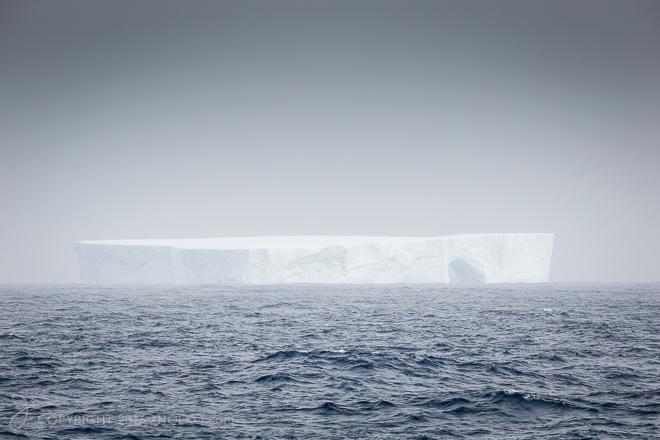
This was the first expedition I have lead that has ventured this far south into the Weddell Sea and it turned out to be a truly excellent experience. Antarctic Sound is well known for its giant tabular icebergs and it did not disappoint with some of the largest and most spectacular tabular icebergs I have ever had the pleasure to photograph. We were particularly fortunate early one morning (around 3am) to have superb light on the icebergs near the mouth of the sound. These magical moments are the real bread and butter of these expeditions. Standing on the deck of the ship photographing gigantic tabular icebergs in wonderful pre-dawn light is an experience that just stays with you forever.Antarctica-7509-EditThis expedition departed from Punta Arenas in South America. Punta Arenas has quickly become my preferred departure point for expeditions to Antarctica. The Chileans just seem to be much better organised with their airport timing than the Argentinians and everything seems to run like a well oiled machine. Although Chile also charges a reciprocity fee on entry for Australians (and Americans) it can at least be paid on arrival without having to pre-purchase.

We did decide to delay our departure from port by a few hours due to the weather conditions on the drake passage (blowing in excess of 30 knots) which proved a wise decision and as a result our crossing was relatively mild. In the end the short delay was a boon as it placed us in a wonderful area for photography with great light.Antarctica-7487

By contrast to the Western side of the Antarctic peninsula, the rarely visited Eastern Side in the Weddell Sea offers a stark contrast that I find reminiscent of the landscapes found around Svalbard in the Arctic. The landscape on the more often visited western side of Antarctica predominantly consists of precipitous mountains with towering peaks of basalt, gigantic glaciers and rugged wild coastlines. By contrast, the eastern side is flatter, consisting of more rolling mountains with some areas free from snow and ice.

Our passage through the Lemaire channel on western side of the peninsula proved the highlight of the expedition with absolutely superb light that could only be experienced to be believed. We arrived at the mouth of the narrow channel just before sunrise and timed our entrance with first light (around 3am).Antarctica-3074-Edit As we sailed through the passage the light just continued to get better and better, reaching its peak in colour around the narrowest point in the channel. I have been fortunate to venture through the Lemaire channel on many occasions now and this was without doubt the very best light I have yet experienced in this remarkable location. The light actually proved quite challenging in post production as the color in the sky was so intense and the reflected light contained such a strong color caste from the sky that white balance selection was somewhat difficult. In the end the above photograph taken from the front bow of the ship with the cameras auto white balance best matched my recollection of the morning.Antarctica-3198-EditWe also visited the surreal Deception Island (one of my personal favourite places in Antarctica for photography). Conditions were misty, with low cloud and strong winds on our arrival, which provided a chance to capture some evocative moody images. Deception Island never fails to disappoint with its myriad of rusty whalers remnants that make for interesting subject matter. Deception Island

Being late in the season much of the snow around Cuvehrville Island and many of the other landing sites was gone, leaving exposed rocky Penguin rookeries and a glacial scarred landscape. The penguin chicks (already large) were starting to malt and were spread far and wide throughout the colonies.Antarctica1DX-7760Over the course of the expedition we encountered over 100 whales including Humpbacks. Orcas, Fin whales, Hour Glass Dolphins, Peale’s Dolphins and Minke Whales. We also saw and photographed numerous Albatross including Black-browed, Grey Headed, Sooty, Wandering and Light Mantled as well as numerous other Antarctic bird species.Antarctica-7003-EditOur return drake crossing proved a little bumpier than our first crossing, but on the whole was relatively mild.
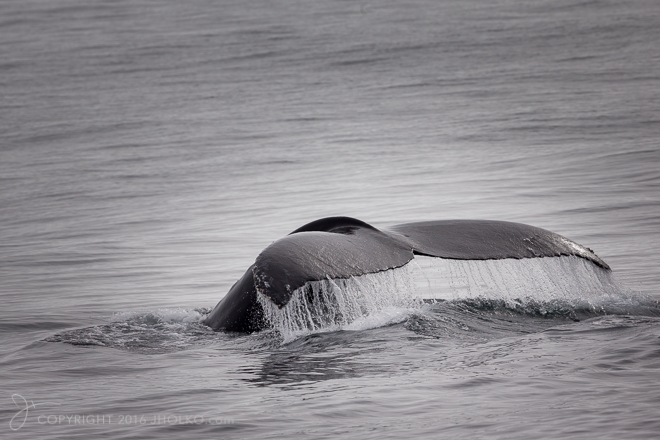
This expedition to Antarctica and the Weddell Sea proved a fantastic opportunity to photograph giant tabular icebergs as well as polar landscapes and wildlife. The absolute stand out highlight for me personally was the incredible light we experienced as we made our passage through the Lemaire Channel as well as the giant tabular icebergs at the entrance to Antarctic Sound.Antarctica-6927I will be leading a new Antarctica expedition in 2017 that I am code naming ‘Iceberg Hunter’, that is dedicated to photographers and the photography of icebergs and antarctic landscapes. This expedition will depart earlier than all previous trips (in late October) in order to provide us with the best chance to find and photograph icebergs of all sizes and shapes (including giant tabulars) in good light. If you would like to get the jump on this expedition you can register your interest now (no obligation at this point) by dropping me an email at info@jholko.com. Places on this expedition are already limited.
National Geographic Traveller Magazine Features Fortress

The current issue (April 2016) of National Geographic Traveller Magazine features one of my photographs from Antarctica as the leading double page spread to an Antarctic travel article – 7 Trips, 7 Continents. Just click on the image below to download the image and article. The photograph titled ‘Fortress’ was taken back in 2011 in the Gerlache Strait during heavy overcast skies. This particular iceberg remains for me one of the most spectacular I have been fortunate to see and photograph. I will be leading a new expedition to Antarctica in late October next year (2017) that will be dedicated to iceberg photography. If you are keen to travel and photograph in Antarctica with a small group of passionate photographers please drop me an email to register your interest. No obligation at this point.MEDIA2016_NatGeoAntarctica

Packing for the Desert of Antarctica and the Desert of Namibia

In a few hours I will start the trek to South America where I will lead a twelve day photography Weddell Sea Expedition to Antarctica. On this expedition we are looking forward to giant tabular icebergs in the Weddell Sea as well as vast Adelie Penguin colonies. At the conclusion of this expedition I will travel to Iceland (poles apart) where I am going to spend ten days completing my project on the Arctic Fox before guiding my annual Winter Workshop with friend Daniel Bergmann. At the conclusion of our workshop I am flying to Lofoten where I will lead a new workshop for landscapes in winter with my good friend Martyn Lucas. I then fly to Namibia for a ten day workshop in the oldest desert in the world – the Namib. Its going to be quite the adventure!

This extensive travel schedule means I need to pack my Arctic / Antarctic winter gear as well as clothing suitable for the deserts in Namibia. I have juggled this packing challenge before (two years ago when I co-led a trip to Namibia with Andy Biggs) and found that it was possible to survive in Namibia with just a couple of pairs of light weight trekking pants and shirts (which thankfully don’t take up much space). As a specialised Polar photographer it does feel a tad strange to be packing a wide brimmed sunhat and sunshirts with my arctic boots and winter clothing. The issue of packing is somewhat compounded by the fact that Antarctica, Iceland, Lofoten and Namibia require very different approaches in terms of camera gear which adds both weight and complexity. Perhaps doubly so as I am carrying long and heavy telephoto lenses for my project on the Arctic Fox.

Two Canon EOS 1DX’s and a EOS 5DSR  will be my cameras of choice for these trips. Although the new Canon EOS-1DX MKII has been announced it will be some time before actual delivery and as such I will continue to shoot with the EOS 1DX as my primary cameras.

Gura Gear Bataflae 32L: (carry on luggage – Believe it or not this does all fit in the one camera bag!)

  • Canon EOS 1DX Pro Body Camera x2
  • Canon EOS 5DSR Body
  • Canon 16-35mm F4L IS
  • Canon 11-24mm F4L
  • Canon 24-70mm F2.8L MKII Lens
  • Canon 70-200mm F2.8L IS MKII Lens
  • Canon 6000mm F4L IS MKII Lens
  • 1 x Spare Battery for the 1DX’s
  • 2 x Spare Batteries for the 5DSR
  • Leica Ultra-Vid HD Binoculars
  • Cable Release
  • Assorted CF and SD Cards totalling around 100 Gigabytes
  • Rocket Blower and Dust Cleaning paraphernalia
  • Complete LEE Foundation and Filter Kit with Soft and Hard ND Graduated filters and LEE Polariser

On my last visit to Namibia I carried two TSE lenses specifically for photography at Kolmanskop ghost town in Namibia. This abandoned town is the ideal location for Tilt and Shift lenses and I found them extremely useful during my time there. However, I decided against TSE lenses for this trip as I am already carrying an extensive array of lenses and I want to try a different approach to this location on this trip.

Gura Gear Chobe Bag: (carry on luggage)

  • 15″ Macbook Pro with Lightroom 5 and Photoshop CS6 with the Nik Plugin suite
  • MacBook Power Adapter
  • Canon 200-400mm F4L IS Lens with inbuilt 1.4 TC (Watch the Unboxing Video)
  • 1 x LACIE Thunderbolt External 1TB Hard Drive for in the field Back Up.
  • Various Power Adapters / Chargers and Associated Cables
  • Canon 1DX / 1DS MK3 Battery  Charger
  • Sandisk USB CF and SD Card reader
  • Passport / iPhone / Wallet
  • Portable battery for charging iPhone and other devices
  • A lot of these items I store inside Gura Gear Etcetera cases inside the Chobe. (These cases are fabulous for organising accessories)

On top of the above I have two North Face duffle bags with the rest of my clothes and gear. Getting all of this to Antarctica and then onto forward destinations is always a challenge, but once on location the benefit of having the right equipment makes all the hardship worthwhile. See you in South America…