In early December 2014 I led an expedition to Antarctica ‘The Spirit of Antarctica‘ with my good friend and fellow Nature photographer Antony Watson. This expedition departed from Ushuaia and saw us sail across the Drake Passage to the Antarctic Peninsula. We spent the next ten days exploring the incredible landscapes and wildlife of Antarctica before our return back across the Drake to Puerto Williams in Chile. We were quite fortunate with both crossings of the Drake and unlike my previous South Georgia Island expedition we really did not experience the ferocity that the Drake is so renowned for. Our crossings by comparison were quite mild which was manna from heaven for those of us who succumb to the occasional bout of sea sickness.
This expedition was a mixed group of photographers, climbers and kayakers which provided us with some unique opportunities to include the human element in our photographs. It also meant that we had quite a lot of room in our zodiacs for gear and equipment.
During this expedition we visited several new areas I had not been to before in Antarctica including Enterprise Island, Elephant Point and Useful Island. Enterprise Island turned out to be a really fantastic location where we encountered two humpback whales which played for a short time before they decided to head south. We also stopped to photograph the wrecked remains of ‘The Governor’ whaling ship. This abandoned hulk rests in the shallows of the island and provided wonderful subject material for our cameras. I normally choose not to photograph on blue sky days in Antarctica and instead soak up the beauty of the location but in this instance there was just enough interesting cloud to make a strong photograph. The key to this image was to ensure just the right angle on the ship and not to clip the reflection in the water. One of the wonderful things about zodiac photography is if you miss the shot on the first pass you can always have the driver turn the zodiac around for another go. If memory serves, we probably spent the better part of an hour photographing around the wreck remains. The wildlife photographers amongst us were thrilled with the nesting Antarctic terns and we also encountered a Crab Eater Seal on a nearby ice-flow. Enterprise Island is a location I am now looking forward to returning on future expeditions.
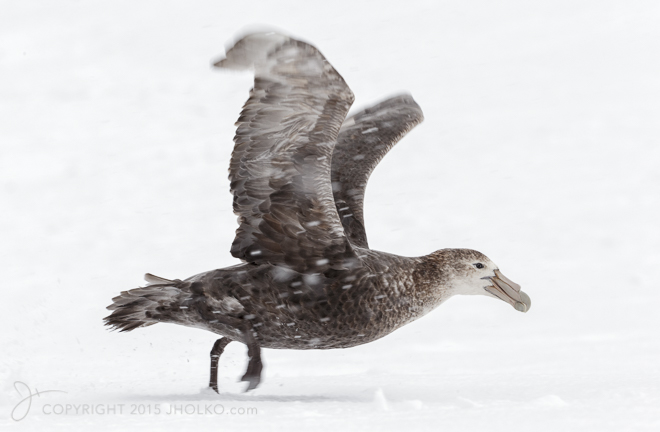
 Elephant Point turned out to be another wonderful new location that reminded me very much of South Georgia Island. The beach was bedecked with Elephant Seals, Fur Seals and Gentoo Penguins when our zodiacs landed and there were outstanding opportunities for really intimate wildlife images with recently hatched penguin chicks. We even came across a vagrant King Penguin as we explored the area. Elephant Point is also a wonderful location to photograph Giant Petrels, Kelp Gulls and many other bird species. Personally, I spent quite a bit of time photographing the Giant Petrels during light snowfall. By far the majority of the photographers on this expedition had never visited South Georgia Island and this stop at Elephant Island really gave them a taste of the incredible Bio-mass one finds in South Georgia. I am leading a dedicated expedition to South Georgia Island this November and can’t wait to return. There are only two places remaining before this expedition will be sold out. You can read more about that expedition HERE.
 We also visited the geothermal caldera and remains of the whaling station at Deception Island during this expedition and were fortunate to have some overcast skies and light snowfall; which really added to the mystery and drama of this location. Deception Island is one of my personal favourite locations for photography in Antarctica. I actually wrote a short op ed. piece on this location earlier last month. This wonderfully surreal location offers virtually limitless opportunities for photography and its a great place to wander and explore. It has been interesting to watch the decay of the whalers remnants from visit to visit and year to year at Deception Island. My feeling is there is probably only a decade or two remaining before all that will be left is a few scraps of iron.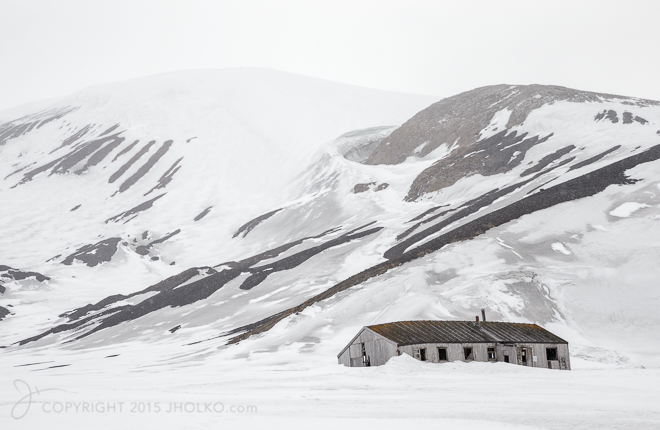
One of the regular stops for Antarctica expeditions and one of my favourites for photographing penguins is Cuverville Island. Surrounded on just about all sides by towering mountains and hanging glaciers Cuverville Island is home to well over a thousand Gentoo Penguins and offers fantastic opportunities for photography amongst the many rookeries. We were fortunate to experience heavy snowfall during our stay here and some really fabulous photographs came out of this day. This photograph (my favourite from this Antarctica expedition) really captures the feeling of solitude one feels in Antarctica. I actually used this image recently in an article here on my blog ‘How to get Emotion and Mystery into your Landscape Photography‘ as an example of how to create evocative photographs. We even had an opportunity during this expedition to spend a night ashore camping at Useful Island for those who wished to partake in an overnight polar camping experience. From a photographic perspective this opportunity provided a great chance to work with the landscape and wildlife under the soft light of the moon and there is something quite surreal about falling asleep to the trumpeting sounds of Gentoo and Chinstrap Penguins.
We also passed through the Lemaire channel during this expedition in wonderful conditions that even enabled us to have a BBQ on the back deck of the ship for dinner! This photograph of Gentoo penguins on the sea in front of our expedition ship was taken near the exit to the Lemaire channel in Pleneau Bay. This is an area I have visited on several other occasions, but this was the first time I have seen Penguins on the sea ice at this location.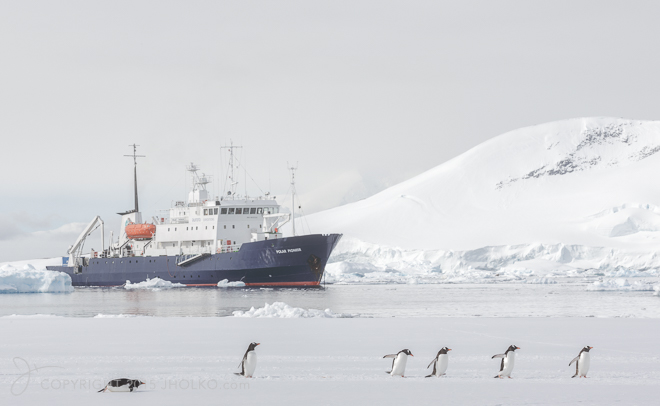 Antarctic expeditions are always a unique experience. With the variation in weather comes a different expedition plan. These expeditions are fluid and its not uncommon for us to move from Plan A to B and C as the weather dictates. In this instance I think we got very close to sticking with Plan A for the duration of the expedition.
If you are interested in travelling and photographing in Antarctica, I will be leading a brand new expedition in February 2016 to the Weddell Sea – Antarctica The Wild Side. There are now only very limited places remaining before this expedition will be sold out. If you would like to know about this opportunity you can download a complete PDF itinerary and information flyer from my website HERE.
Just by way of a teaser and an easter egg for those of you who have read the trip review in its entirety: I am almost ready to announce a very special and totally unique opportunity for just four photographers to join me on a November 2016 expedition deep into Antarctica to photograph the mighty Emperor Penguins. This expedition will utilise a privately chartered transport jet to fly us deep into Antarctica where we are going to land on a pre-prepared ice-runway. At this point we will have left South America more than 3000 kilometres behind us and already be only 600 miles from the South Pole! We will then take a smaller privately chartered twin-otter ski aircraft to the remote Emperor Penguin colony where we will establish a field camp and spend our days living with and photographing the Emperors against a backdrop of spectacular mountains, icebergs and pressure ridges under soft evening and early morning light. This is an expedition I have been working on for more than two years now and I am really excited to offer this very exclusive and unique opportunity to just four people very soon.

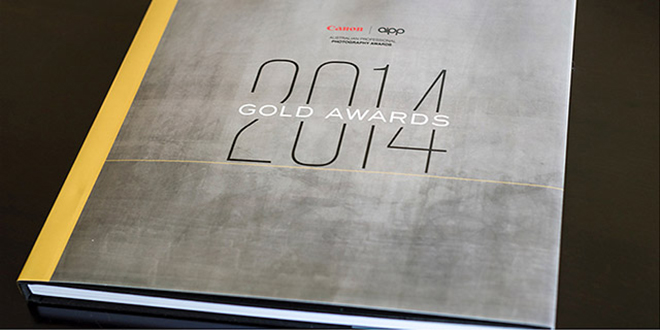 2014 is the first year that APPA have produced a Gold Award book with previous years seeing the creation of much larger volumes that also contained all of the Silver and Silver with Distinction Awards. Personally, I am very pleased to see the segregation of the Gold awards spun off into a new book as the previous iterations had become extremely large and unwieldy. There are only so many images the eye and brain can absorb in one sitting before it tires of looking at photographs. My feeling is that the new Gold Awards book has the balance just about perfect in this regard.