In early February 2025, I led two back-to-back Arctic fox photography workshops in the remote and rugged Hornstrandir Nature Reserve in northwestern Iceland for two seperate groups of photographers. Hornstrandir is a true wilderness, offering some of the best opportunities anywhere in the Arctic to observe and photograph Arctic foxes in their natural habitat. Unlike much of Iceland, where foxes are still hunted, the nature reserve provides them with full protection. As a result, they are more approachable here than in other parts of the country, making it an exceptional destination for wildlife photography. Accessible in the winter, and only by boat, the Hornstrandir Nature Reserve also offers a wonderful getaway for photographers looking to get back to Nature and spend quality time with their subjects.

This year’s workshops presented a mix of conditions that kept us constantly adapting. We arrived to find a good covering of snow, which is always ideal for clean, wintery backdrops. However, strong southerly winds soon brought in sporadic rain, initiating a rapid thaw. Iceland’s freeze-thaw cycle is highly dynamic, and even in the depths of winter, conditions can change within hours. While this can be frustrating, it also presents opportunities—by working with the available weather and terrain, we were able to capture a diverse portfolio of Arctic fox images in just a short span of time.
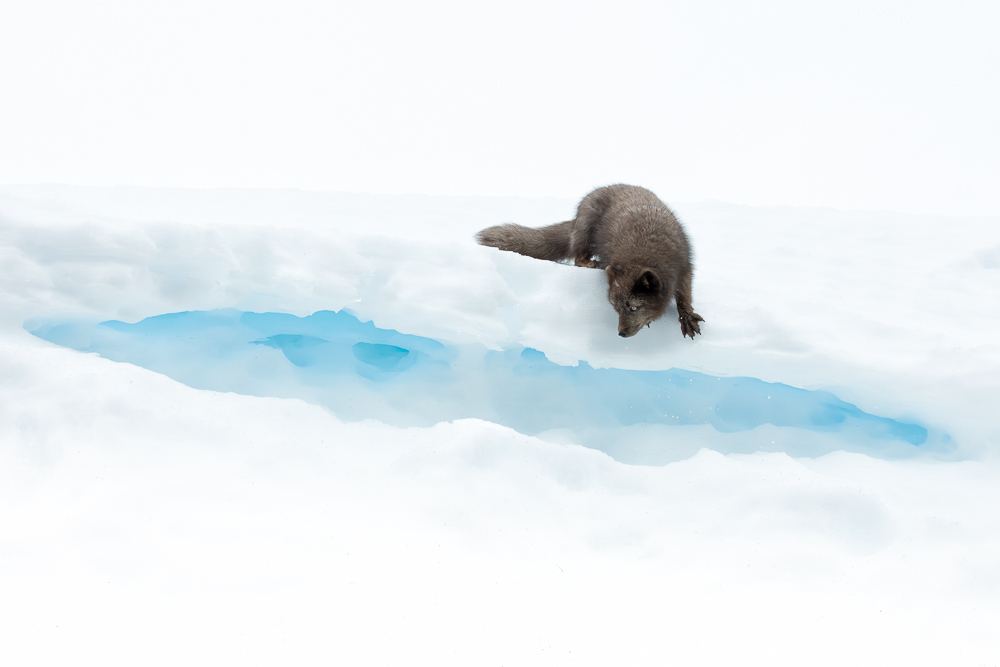
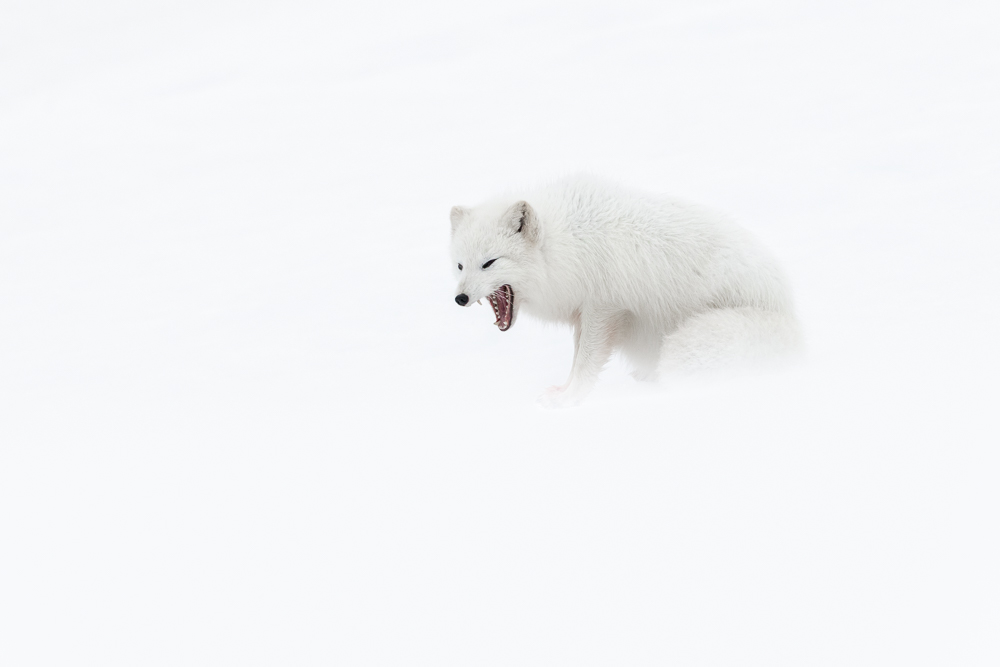
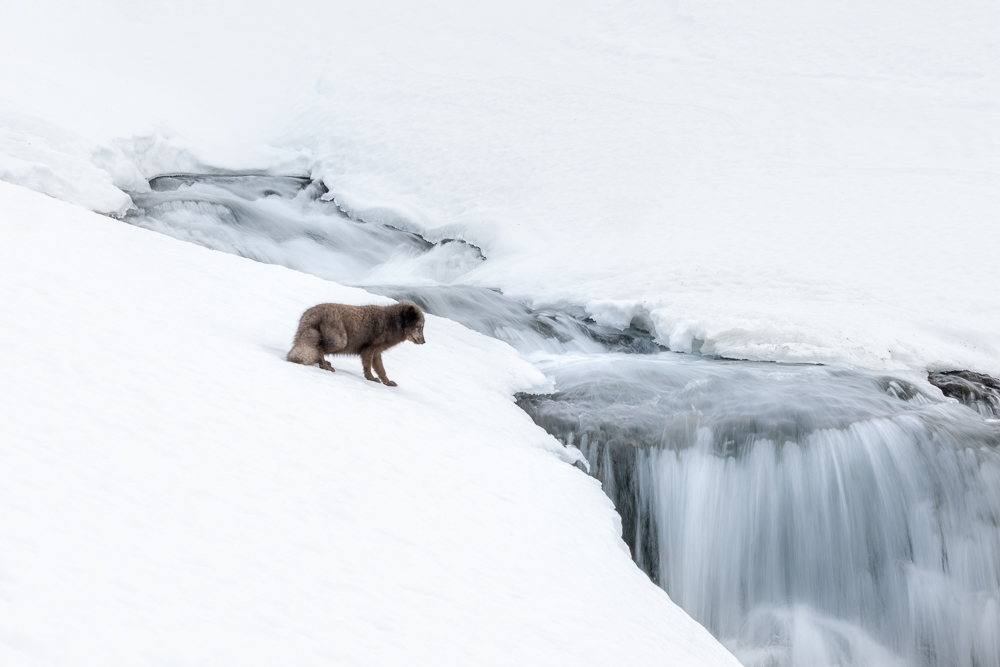
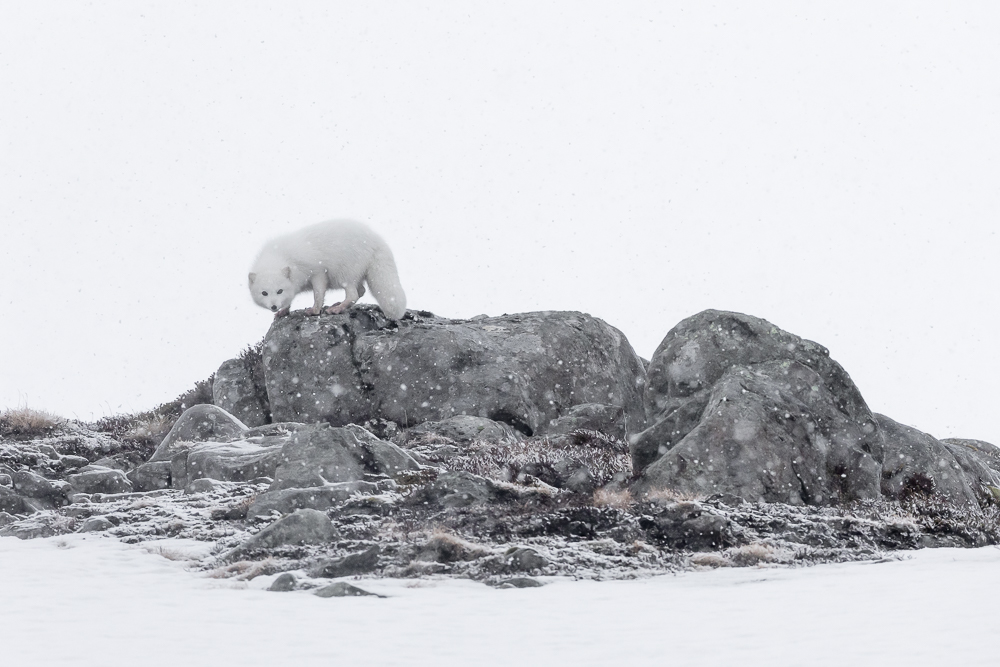
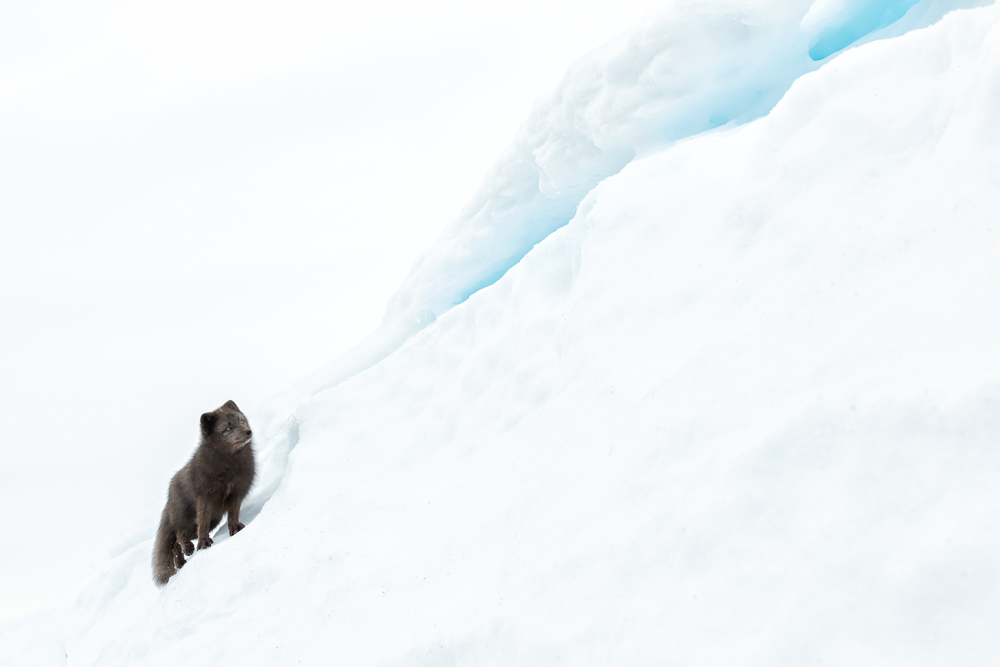
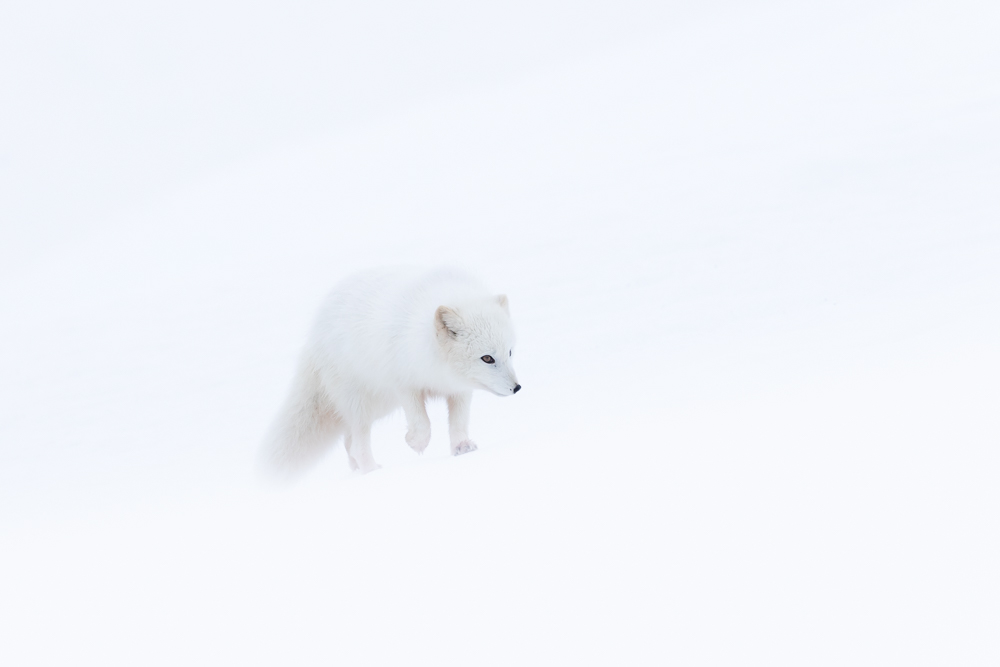
Over the course of the two workshops, we encountered a total of six different Arctic foxes, each with its own distinct personality and behaviour. The majority of them (five out of six) were blue morphs, which are much more common in coastal regions like Hornstrandir. Blue morph Arctic foxes retain a dark brown coat throughout winter, unlike their white morph counterparts that shift from brownish-grey in summer to pure white in winter. The contrast of the dark blue morph foxes against the snow-covered and rocky landscape provided excellent photographic opportunities. The sixth fox, a striking white morph, was a particular highlight—seeing a white fox in winter is always a special moment, as they blend seamlessly with their snowy surroundings. The opportunities for white-on-white minimalist photography are at their very best in winter with the White morph.
Among the foxes we observed was a dominant male, clearly in control of his territory. He was confident, bold, and regularly patrolled his area, occasionally chasing off younger or less dominant foxes. We also photographed several other males, females, and first-year cubs. The cubs, still relatively inexperienced, displayed playful and curious behaviour, which made for some fantastic interactions and storytelling images.
One of the most rewarding aspects of these workshops was the ability to spend extended time with individual foxes, allowing us to observe and document their behaviours in depth. Patience was key—by positioning ourselves carefully and waiting quietly, we were often rewarded with intimate moments of foxes resting, hunting, and interacting with each other.
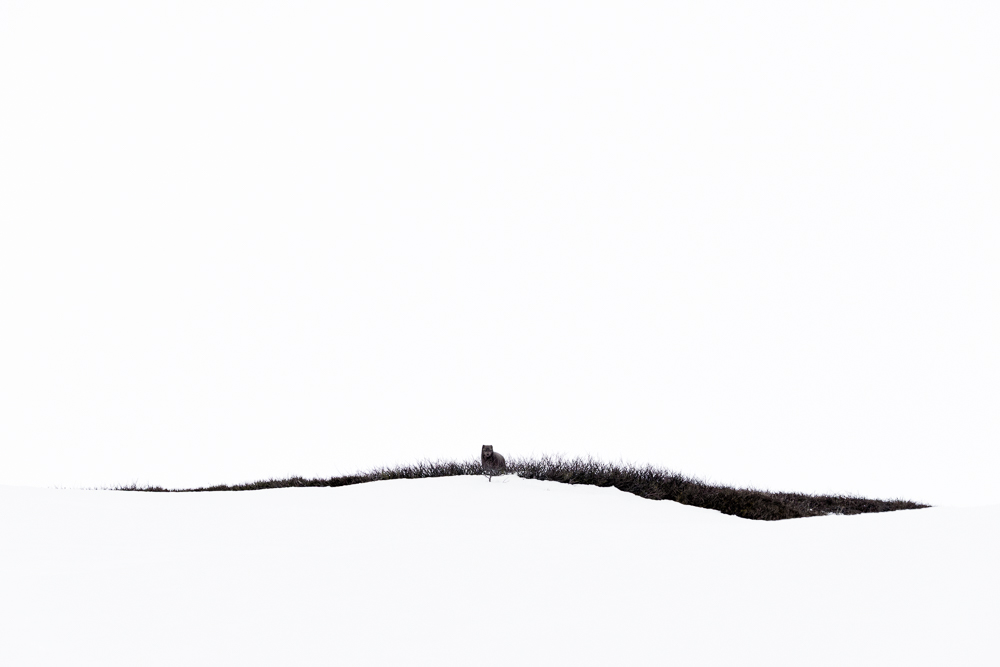
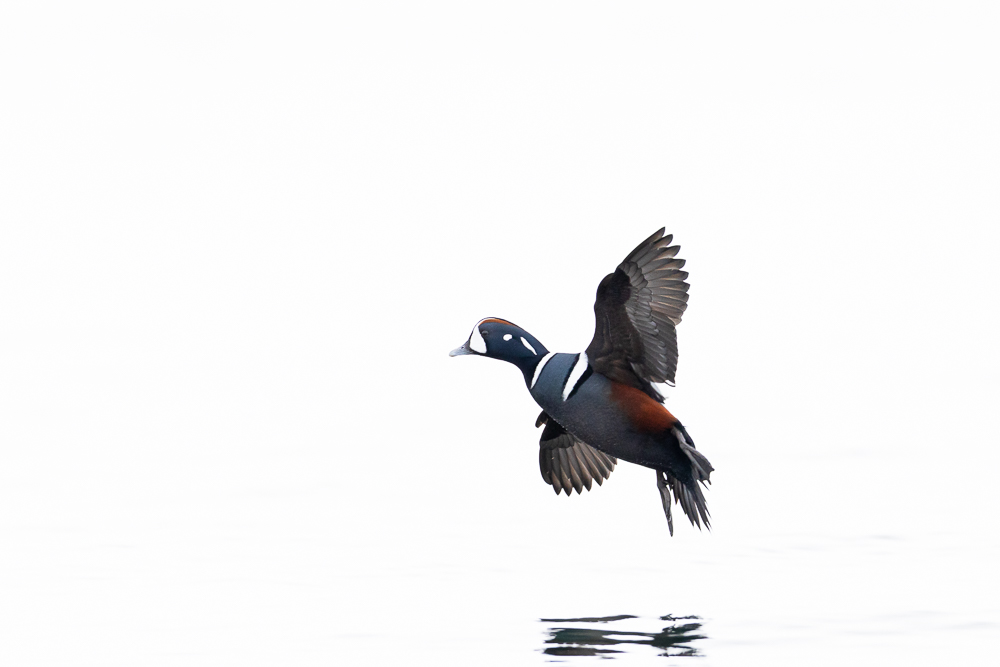
Winter photography in Hornstrandir presents a unique set of challenges and rewards. The ever-changing conditions meant that we had to constantly adjust our approach. Some days were dominated by heavy cloud cover, creating soft, diffused light that was perfect for close-up portraits and details as well as wide vistas. Other times, brief windows of clear skies allowed us to work with directional light, emphasizing the texture of the foxes’ fur and the rugged landscape. We also took the opportunity to photograph some of the bird life in this area.
One particularly memorable session took place in the late afternoon as the low winter sun briefly broke through the clouds, casting a golden glow over the landscape. A blue morph Arctic fox paused on a rocky outcrop, bathed in the last light of the day, allowing us to capture a stunning series of backlit portraits. Moments like this are what make winter wildlife photography so rewarding—being in the right place at the right time, ready to seize an opportunity when the elements align.
The thawing snow added another dynamic element to the imagery. As the white landscape receded, patches of dark volcanic rock and golden-brown tundra began to emerge, creating a striking contrast with the foxes. This gave us a more varied and unique portfolio than a uniform blanket of snow might have allowed. Some images showcased the foxes navigating a pristine winter landscape, while others depicted them against a more transitional, raw, and textured background.

After the conclusion of the workshops, I traveled to a new, previously unexplored location in northwestern Iceland to scout for future Arctic fox photography opportunities. This region offers not only a dramatic coastal setting but also supports both blue morph and white morph Arctic foxes, making it a particularly exciting prospect for future trips.
The scouting trip was highly productive—I was able to locate multiple foxes and observe their behaviour in this environment. The landscape features towering cliffs, black sand beaches, and rugged fjords. The combination of these elements provides a striking backdrop for wildlife photography, adding another layer of visual interest to Arctic fox images.
I also took the time to assess the logistics of operating a workshop in this new location. Accessibility, accommodation options, and weather patterns all play a crucial role in determining the viability of a new workshop destination. From what I experienced, this area has tremendous potential, and I’m excited to return for more in-depth exploration.
Following the success of this year’s workshops, we will be returning to Iceland in February 2026 for another round of back-to-back Arctic fox photography expeditions. Hornstrandir remains one of the best locations in the Arctic for reliably finding and photographing these elusive animals, and with the addition of a new location in northwestern Iceland, we will have even more opportunities to create exceptional imagery.
Each workshop is limited to a maximum of five photographers, ensuring a highly personalized experience with ample one-on-one guidance. Whether you’re interested in capturing intimate portraits, dynamic action shots, or environmental compositions that showcase the foxes within their rugged habitat, these workshops are designed to maximize photographic opportunities in one of the most breathtaking winter landscapes on Earth.
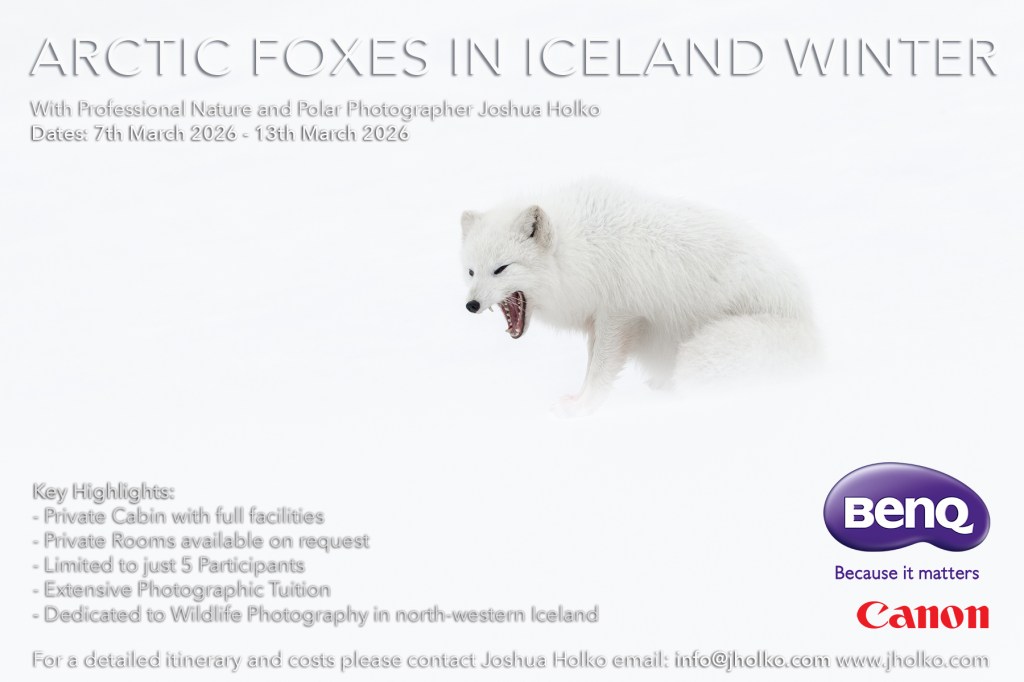
If you’re interested in joining us for this incredible experience, feel free to reach out to register your interest. With small group sizes, spaces fill quickly, and this remains one of the most sought-after wildlife photography experiences in Iceland.
Photographing Arctic foxes in winter is both a challenge and a privilege. These animals are perfectly adapted to one of the harshest environments on the planet, and spending time with them in their natural habitat is an unforgettable experience. The combination of dramatic landscapes, rapidly changing weather, and the intimate encounters we had with the foxes made this year’s workshops a tremendous success. As always, adapting to the conditions was key. Iceland’s winter is unpredictable, and working with what nature provides—rather than against it—ensures the best photographic results. The freeze-thaw cycle, while sometimes frustrating, ultimately allowed us to create a diverse and compelling portfolio in just a short period.
With the addition of a new location for future expeditions, I’m looking forward to expanding the possibilities for Arctic fox photography in Iceland. These workshops remain a highlight of the year, and I can’t wait to return in February 2026 to once again immerse myself in this incredible environment. If Arctic fox photography in the wild is something you’ve dreamed of, now is the time to start planning. I hope to see you in Iceland next winter for another unforgettable experience!
 www.WILDNATUREPHOTOTRAVEL.com