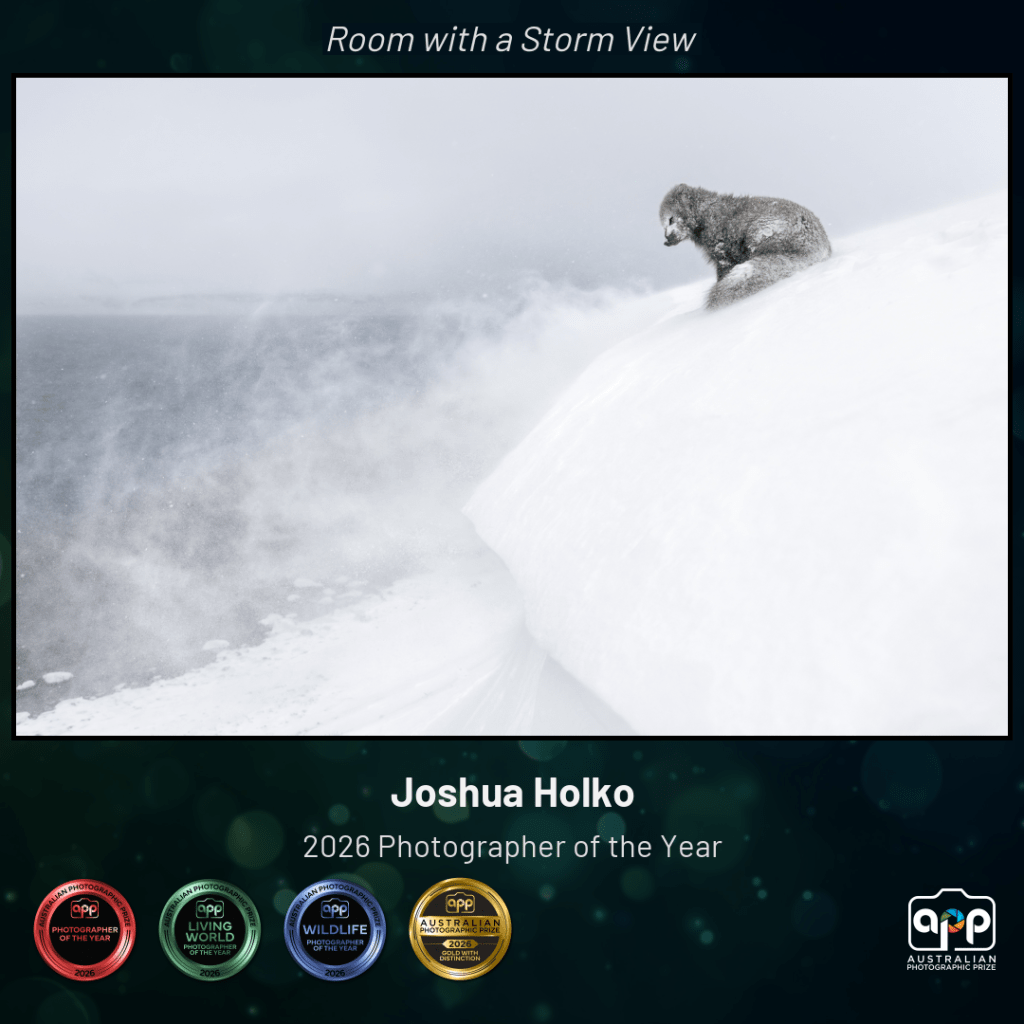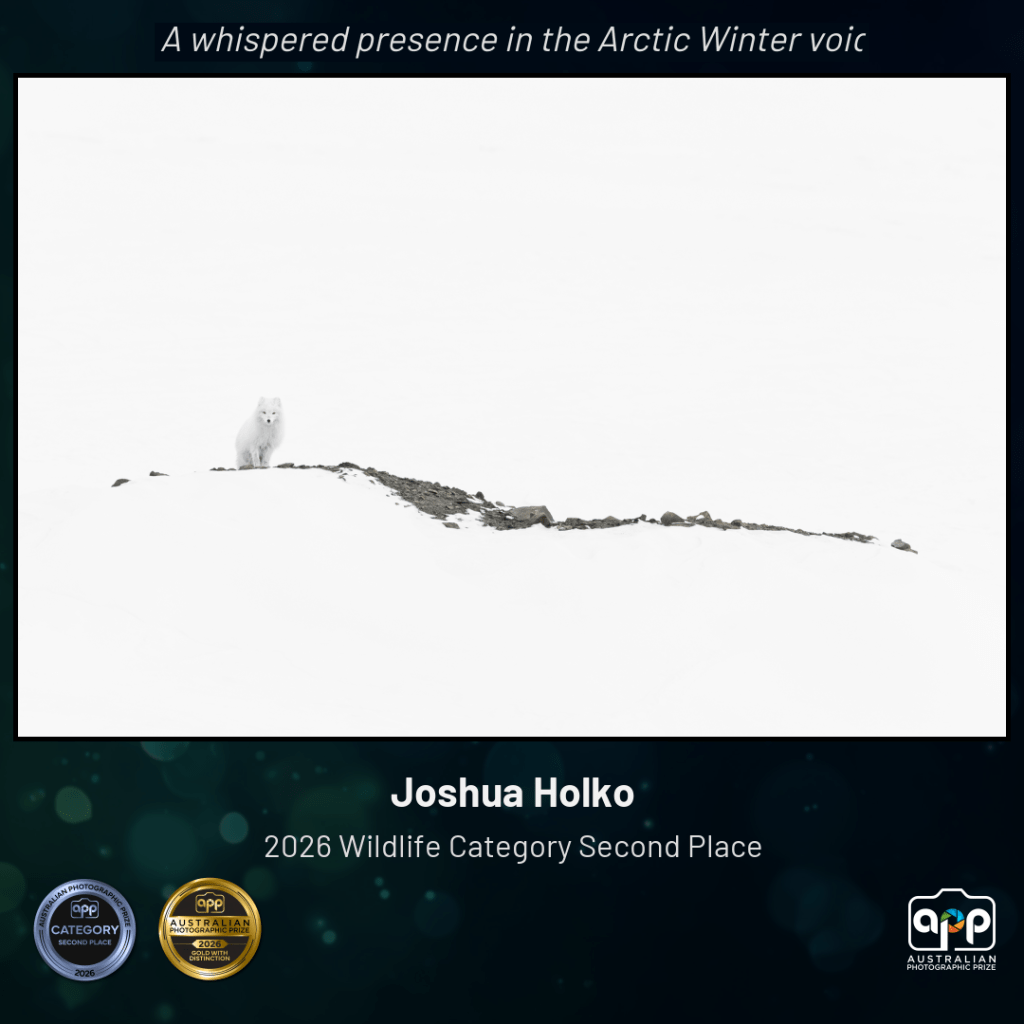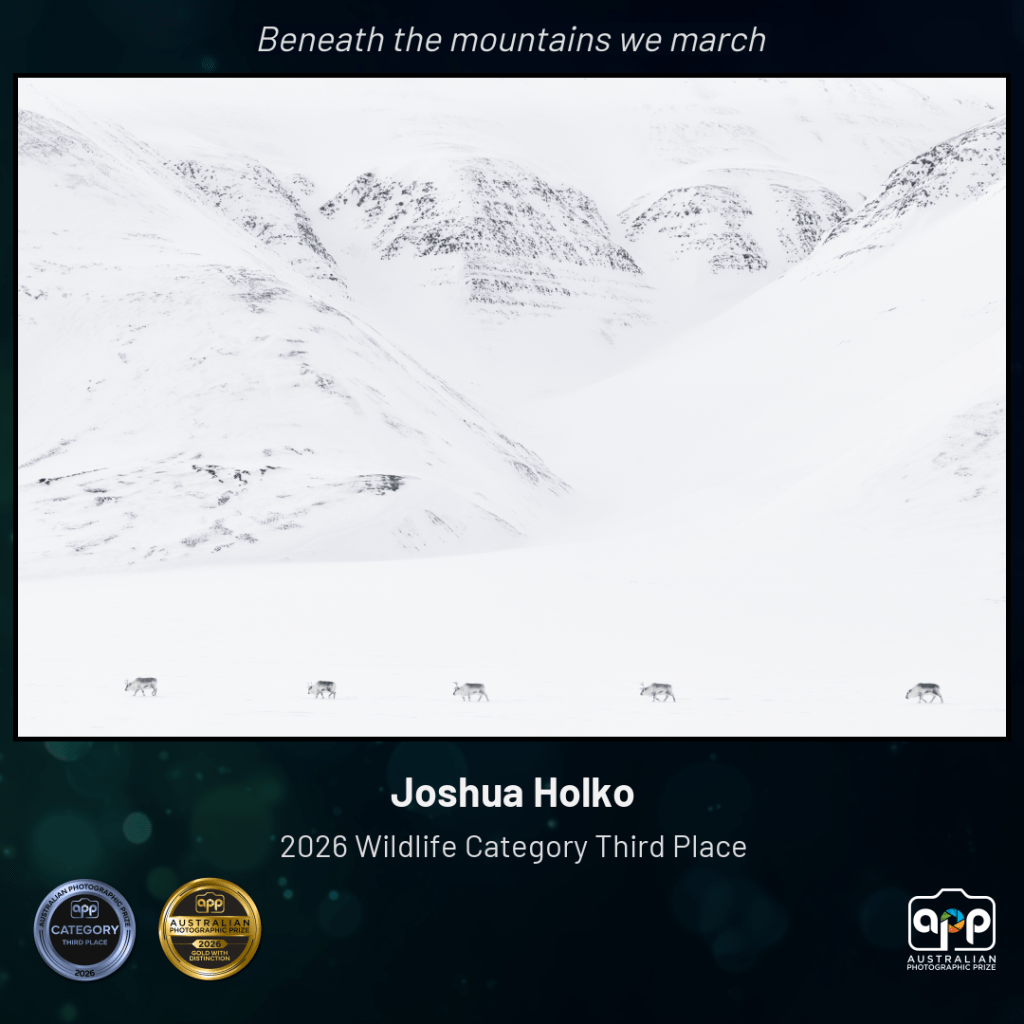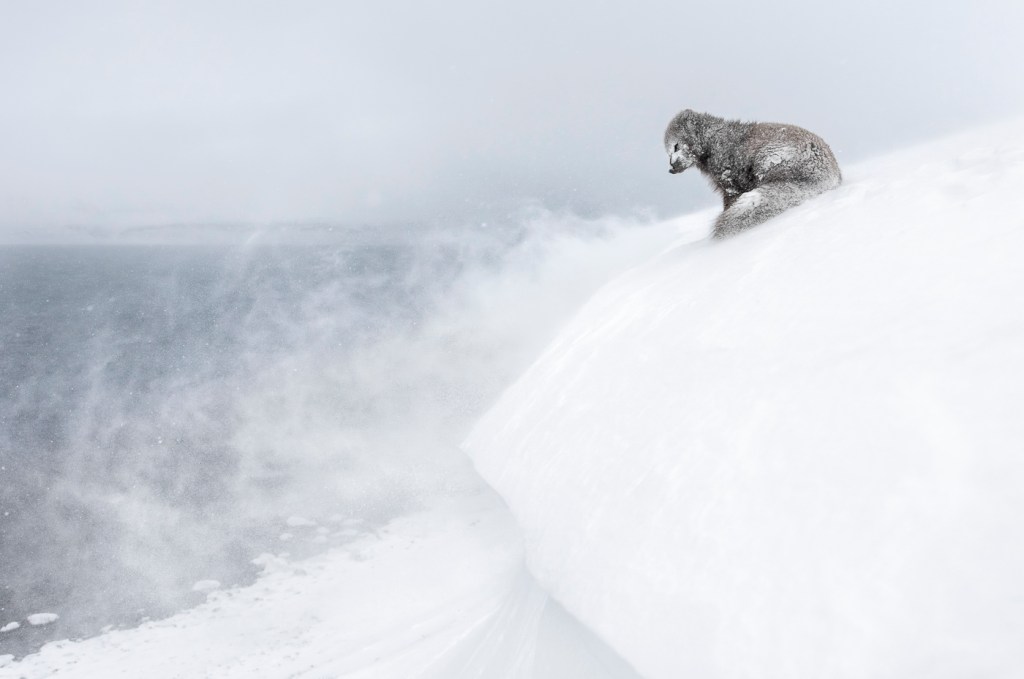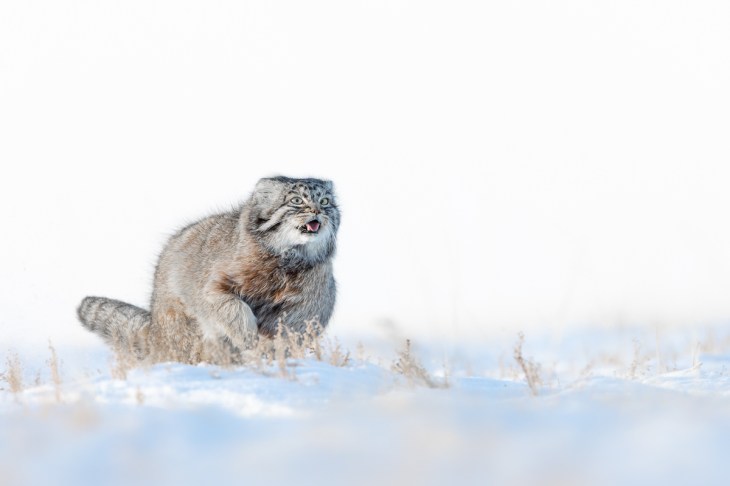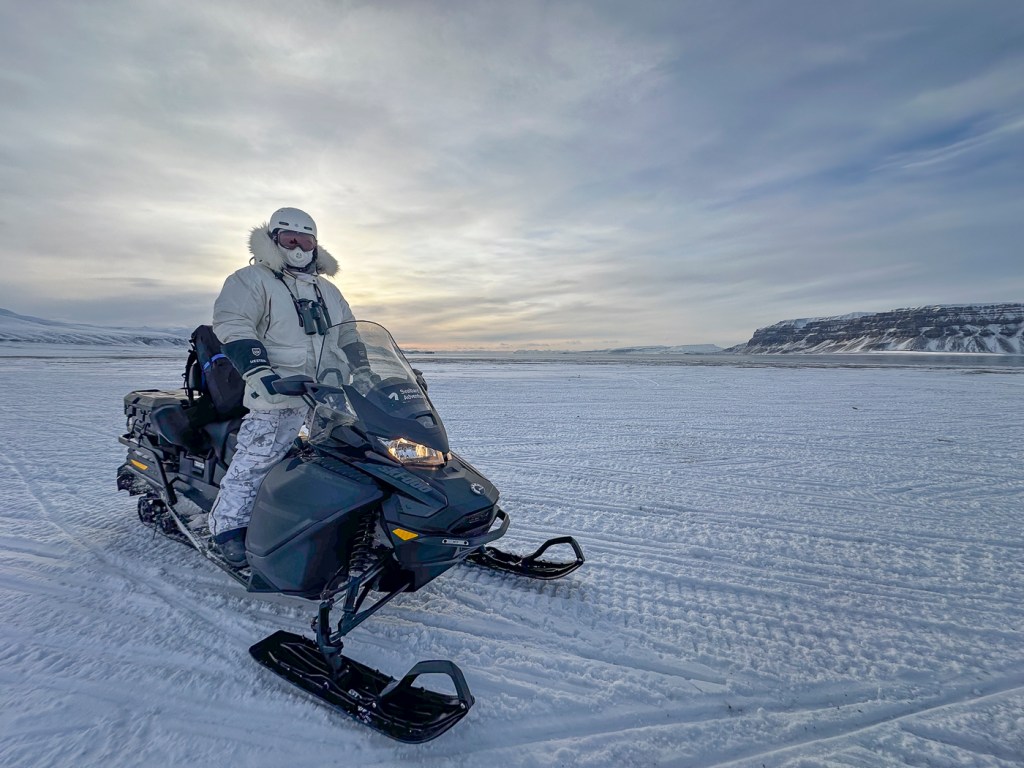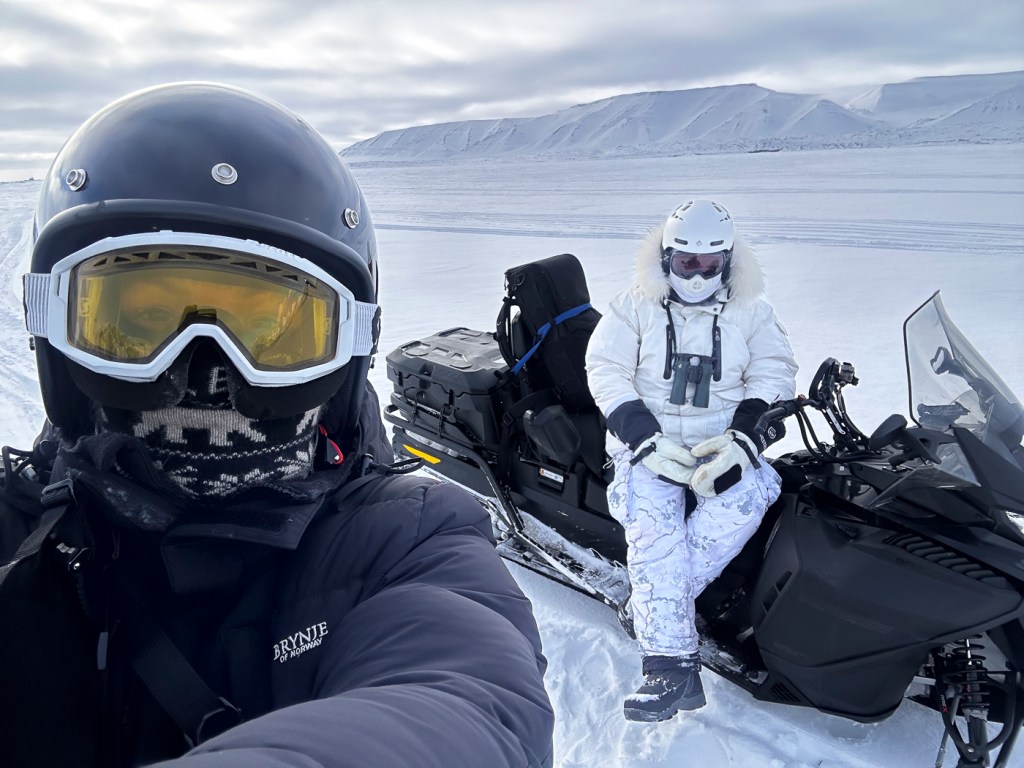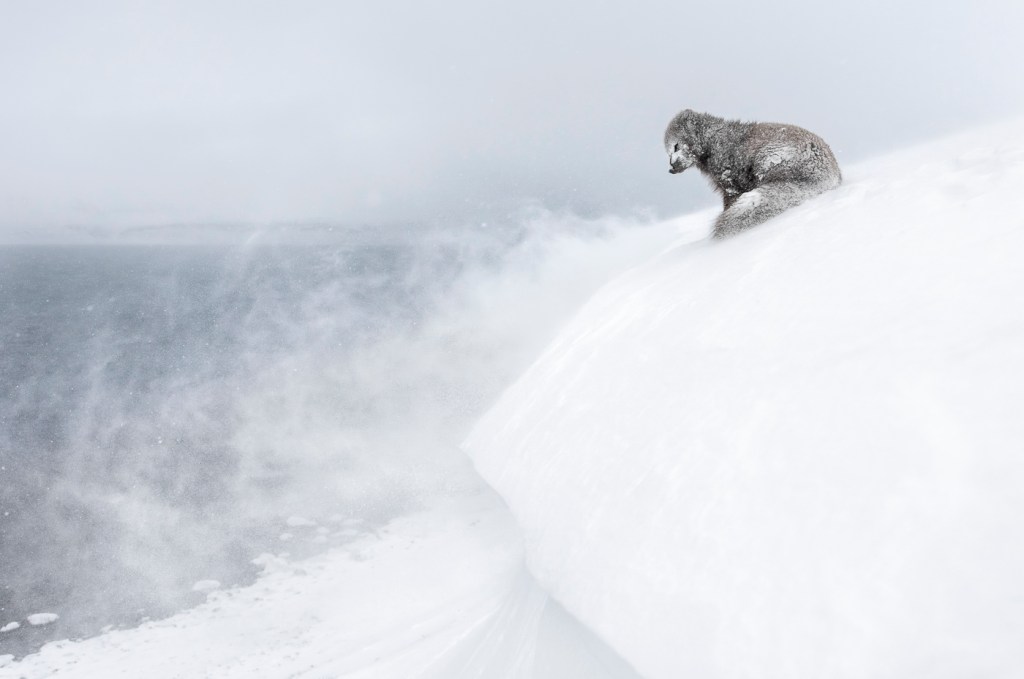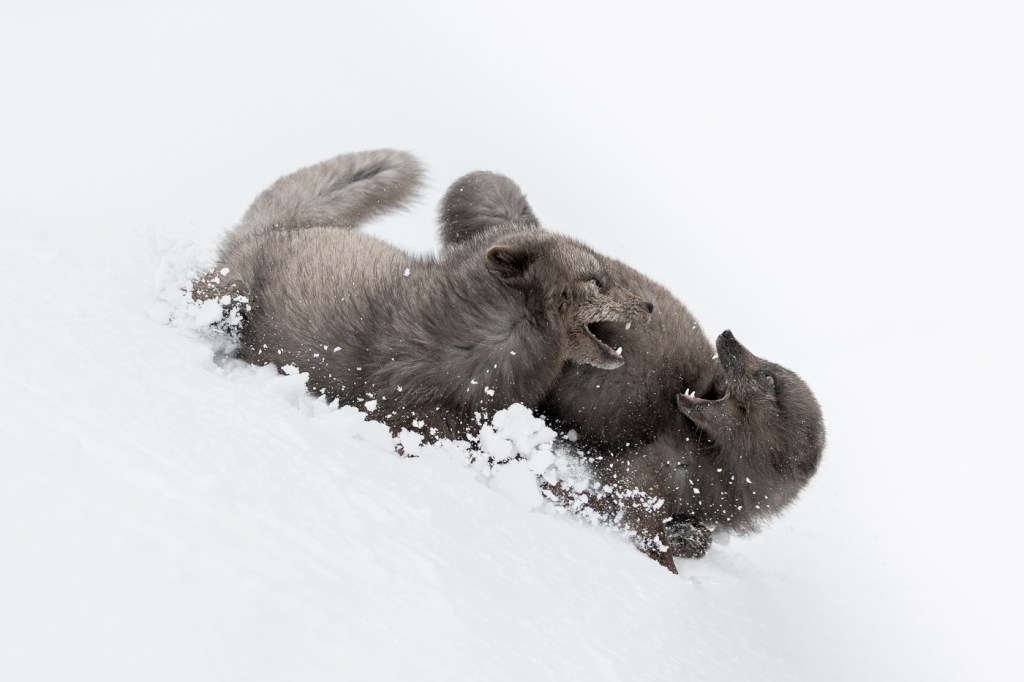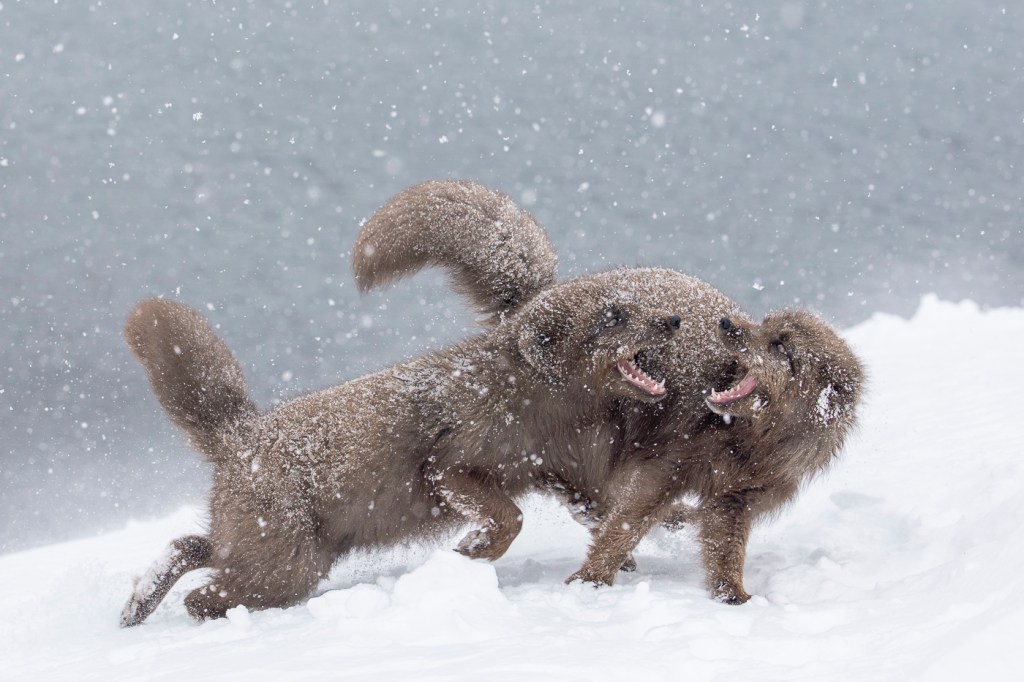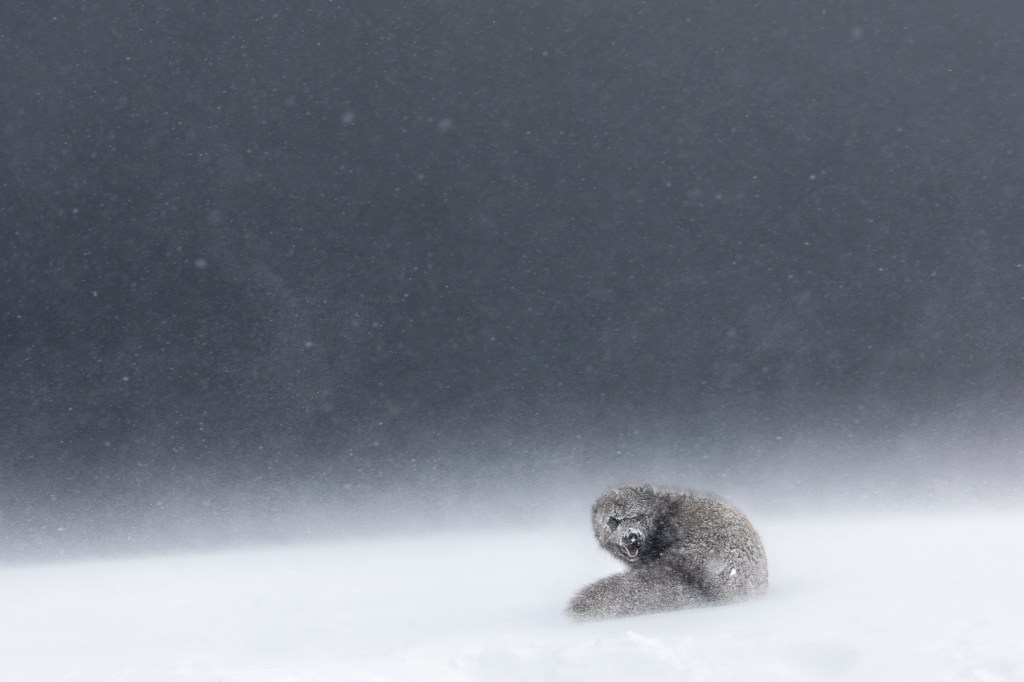
In April of 2026, I led a private 5-day winter snowmobile expedition to Svalbard for wildlife photography. The purpose of this expedition was to explore, on land, the landscape and wildlife within a day’s scooter drive of Longyearbyen. Svalbard is vast, and there is much to discover on land on a winter trip. Exploring by snowmobile on land meant we could stop wherever we wished to photograph wildlife as we found it. Using snowmobiles also means we can get much closer to wildlife than is usually possible on a ship. Staying in Longyearbyen also meant we had a warm base from which to operate, with hot showers and a choice of restaurants in the evenings.
At this time of year, the days are getting longer in Svalbard, with sunrise around 5:30am, sunset around 9:30pm, and last light around 10pm. This provides a huge amount of time for photography, but also means it is early starts and late finishes to catch the best light. During our five-day trip, we experienced temperatures ranging from -30º Celsius on the sea ice along the east coast to just a few degrees below 0º. Temperatures were generally unseasonably warm for this time of year, with most of our days being around -10º Celsius. Snowfall was also sparse compared with recent years, although the coverage was still good outside Longyearbyen. We also had starts as early as 5am departure and finishes as late as 10pm.
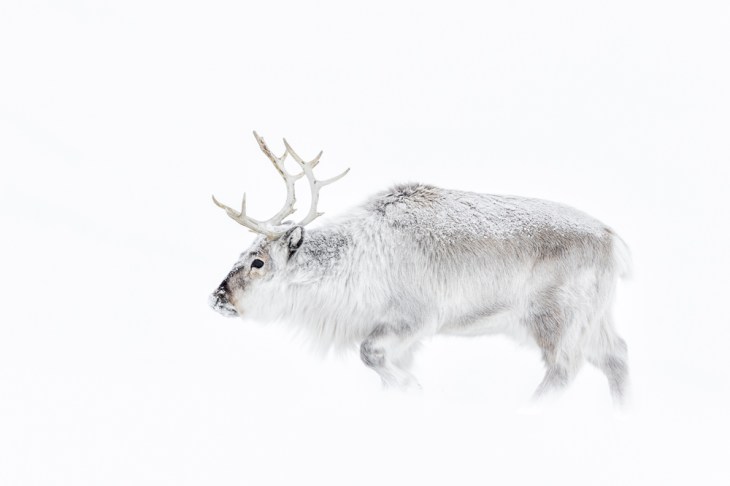
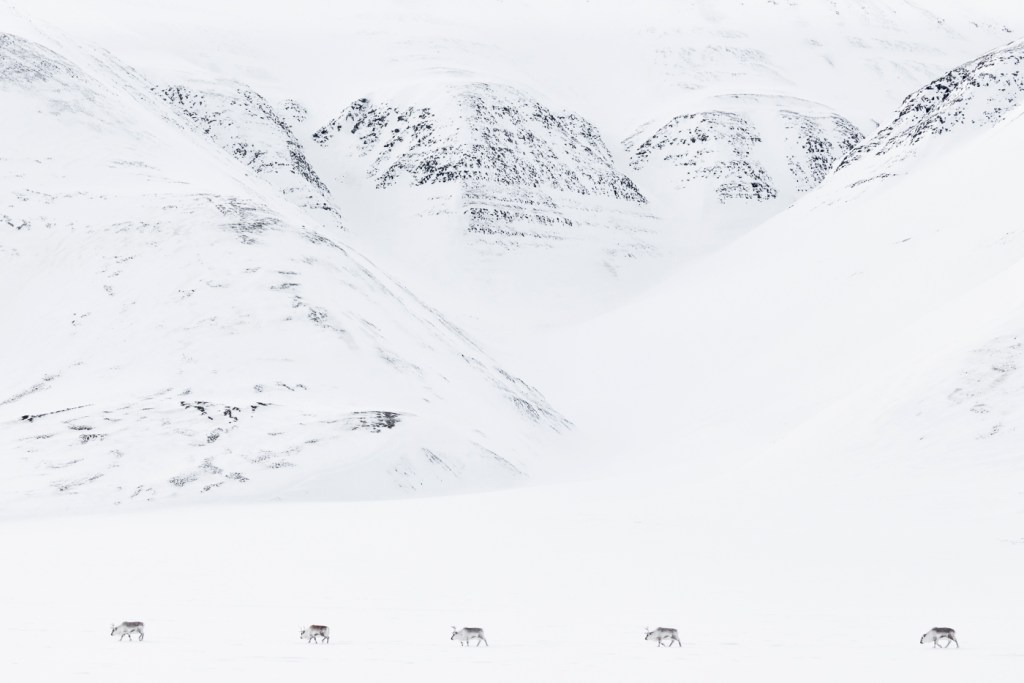
On day one of our expedition, we kitted ourselves out with snow scooters and snow suits, headed toward Svea for a valley (Reindalen) I know is home to a great many Reindeer. Reindalen is situated in Nordenskiöld Land on the main island of Spitsbergen and is roughly a 45-minute scooter ride in good conditions. This is a wide, flat, and open valley that offers excellent opportunities to photograph Reindeer in a clean, white snow environment.
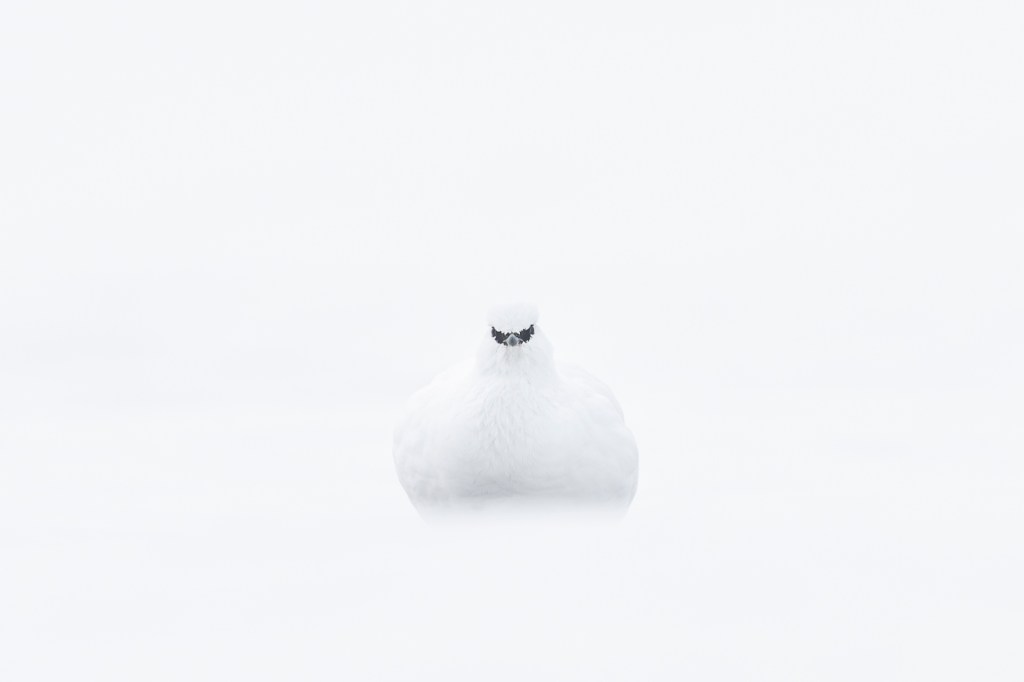
On day two, we left Longyearbyen at 6am for the East Coast in the hopes of finding a polar bear on the sea ice. Although we did not find a bear on this day, we did have some wonderful opportunities with both Ptarmigan and Reindeer en route to Monbukta. This was our biggest day’s drive, covering over 298 kilometres in total and more than fourteen hours in the field. This whole east coast region of Svalbard contains some stunning scenery and is where much of my Ghosts of the Arctic film was shot.
On day three of our expedition, we took a slightly slower morning start and instead had a late afternoon and evening exploration of the Templefjorden area. This proved a boon, giving us our best Reindeer experience during the trip and one of the best I have ever had. With an abundance of fresh, clean snow on the mountains and lower valley in this area and more than a dozen reindeer, the opportunities were ongoing, and we spent several hours photographing them as they curiously approached us and retreated against the mountains.
On day four, we left Longyearbyen super early at 5am and headed for Monbukta on the East coast. On arrival at Monbukta, we headed south and encountered a large male polar bear in superb condition on the sea ice. Photographing a polar bear on the sea ice from a snowmobile is a very special and very different experience from shooting from a ship. On the ice, we are in their environment, with excellent opportunities to photograph the bears at eye level.
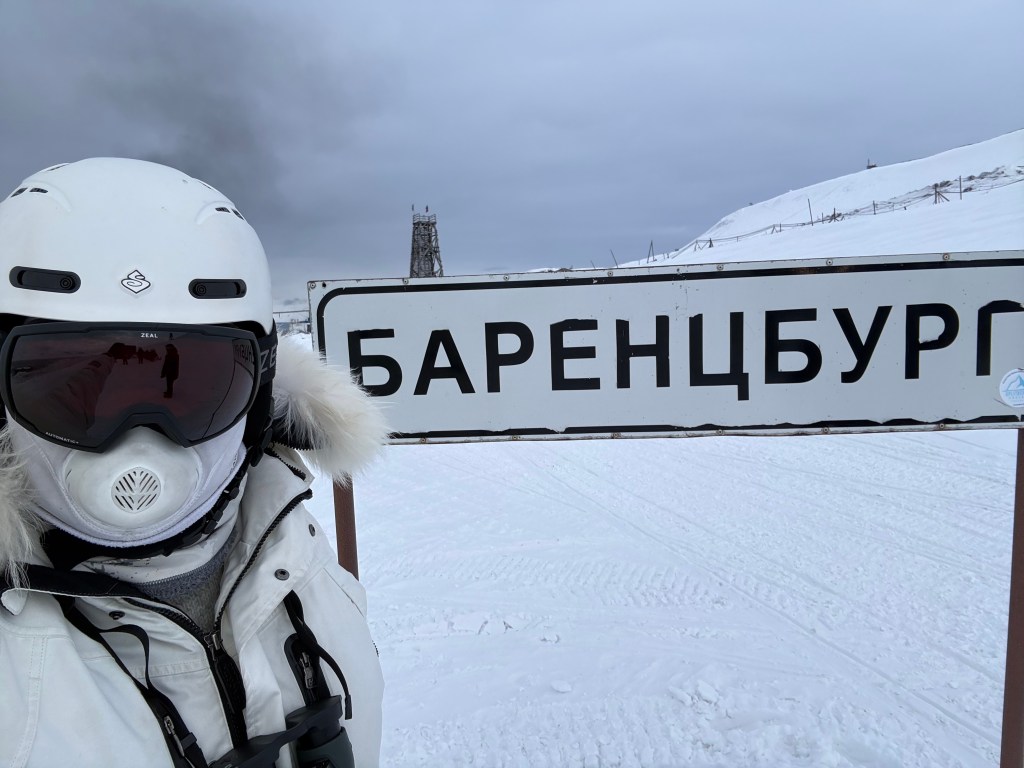
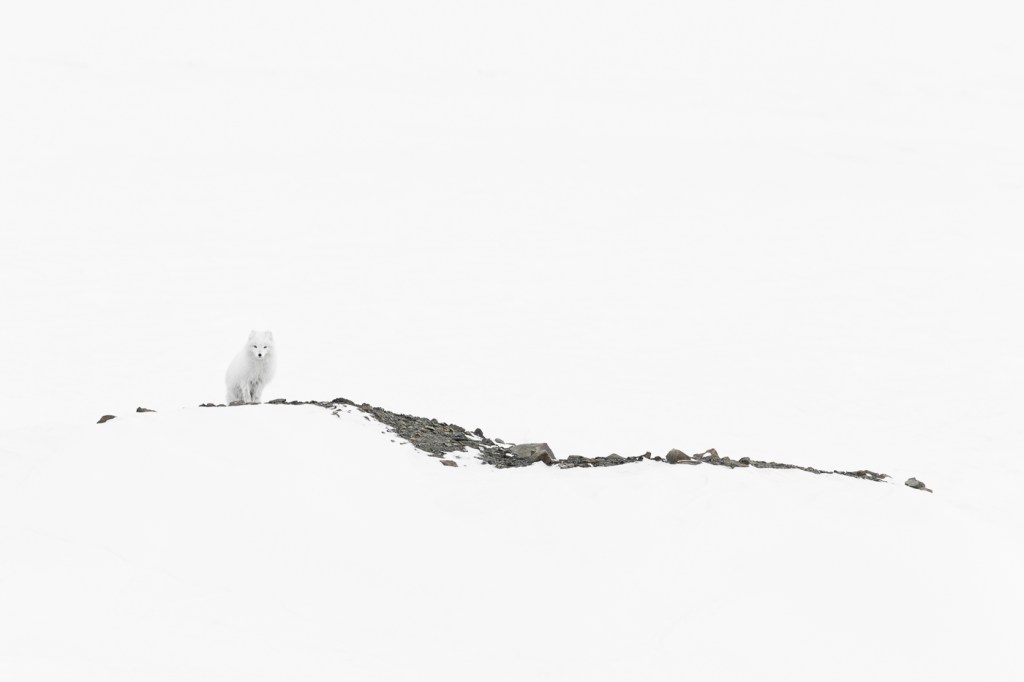
On day five, our last day, we departed Longyearbyen at 5am, at first light, and drove to the Russian settlement of Barentsburg. Barentsburg is approximately sixty-five kilometres from Longyearbyen and is a wonderful scenic drive along the coastline, past the abandoned Coles Bay settlement. This is a region I know is inhabited by many Arctic Fox, as well as Reindeer and Ptarmigan.
On the way, we had a superb encounter with Ptarmigan before taking breakfast in town. We then spent over an hour photographing Arctic fox on the town outskirts in superb conditions and soft light. With the town of Barentsburg close by, the foxes in this area are more accustomed to humans and easier to approach, making it an ideal location for fox photography.
Over the course of the five-day expedition, we covered more than 1,000 kilometres of driving, including two visits to Monbukta on the East coast, which provided a wonderful and varied portfolio of arctic wildlife photographs. Private workshops such as this, with my company, Wild Nature Photo Travel, are available by request. Please get in touch to discuss your needs, and we can tailor a trip to suit your requirements.
A few days ago, I received some absolutely wonderful feedback and a quite extensive review from a participant from a prior year’s Arctic Fox workshop in northern Iceland. They have told me they are more than happy for me to share their review here on my blog (thank you, Andrew).
Hi Josh, what can I say? The trip with you to the Arctic Fox surpassed all my expectations and then some. I didn’t tell you, but I did a lot of research before I chose to join your trip. It was not just your photographs (which are so much better than anyone else’s from this place, and now I understand why), but also the recommendations and word-of-mouth about your professionalism and approach.
For me, spending time in the field with you defined what the workshop experience should be.I have been on over twenty wildlife workshops around the world in the last ten years with nearly as many different workshop leaders, and what immediately sets you apart is your intimate understanding of the wildlife (in this case, the Arctic fox). I don’t mean just where to find them, but how they behave, how they move through the landscape, and how to position everyone to get the best possible photographs. Your professionalism in positioning and ensuring everyone gets the best images is unmatched. Most leaders care only about their own photographs. I watched you stand back many times after positioning everyone to ensure everyone maximised the moment. That is a testament to your professionalism.
From a technical standpoint, your guidance is exceptional. Whether it’s about exposure in the snow or making the most of conditions, you have a way of simplifying complex decisions in the field so that the camera gets out of the way. More importantly, you teach why, giving participants like me the confidence to adapt when conditions inevitably change.
But what truly elevated the experience was your fieldcraft. Every detail, from approach routes to time spent with a subject, was handled with a level of care that prioritises the welfare of the wildlife above all else. It’s a philosophy that not only leads to better images but also leaves all with a deeper appreciation for the environment we were working in.
I also noticed a quiet intensity to your own workflow. You don’t rush, you don’t force situations, and you don’t rely on luck. Instead, you create the conditions in which luck can occur. I can see that this comes through preparation, knowledge, and an extraordinary level of patience. Being around that mindset is as valuable as any photograph you come away with.
In a place as raw and unpredictable as Iceland, your kind of leadership makes all the difference. You didn’t just guide me to a location. You showed me how to truly see it. Thank you.For anyone serious about photographing Arctic fox in Iceland, it’s hard to imagine a better person to learn from.If anyone is on the fence about joining one of your trips, please have them contact me anytime. In the meantime, please sign me up for next year. I can’t wait to go back! Andrew from Australia
In February of 2026, I ran an all-new Wild Nature Photo Travel 14-day workshop for birds in the Andes Mountain range of Colombia. This intensive bird photography workshop ran from February 10th until February 24th, 2026 and took us across a vast region of the Colombian Andes. We began in the city of Cali on the 10th and finished in the city of Medellin on the 24th of February. Like my Pallas Cat of Eastern Mongolia Report, this trip report will be a little different to the norm and includes a number of behind-the-scenes photographs from the field. Due to my heavy travel schedule, I will come back later in the year and update this post with additional still photographs from the trip as time permits.
Colombia is renowned as one of the best countries on earth for birds, boasting more than 1,950 species, which accounts for almost 20% of the world’s total. This remarkable diversity is due to its tropical climate and varied elevation changes thanks to the Andes and its location between the Pacific and Caribbean coasts. Devout birders have long sought out Colombia as a hot birding destination, but it is only in recent years that photographers have started to seriously get in on the action. This was our first workshop in Colombia, but as you will read below, it most definitely will not be our last.
The KM 18 and San Antonio Cloud Forest areas offer an excellent introduction to bird photography in the Colombian Andes and were our first stops. Within an hour of our accommodation, we found some of Colombia’s best bird feeder setups, each with unique perches and various birds. This area of the western Andes boasts well-preserved habitats for those who enjoy photographing in natural environments. At feeder sites, this workshop targeted species such as the endemics Multicoloured Tanager and Colombian Chachalaca, as well as near-endemics like Scrub, Flame-rumped, Golden-naped, Saffron-crowned, and Rufous-throated Tanagers. In terms of hummingbirds, over 20 species frequent the feeders, including Blue-headed Sapphire, Purple-throated Woodstar, Long-tailed Sylph, Black-throated Mango, Green Hermit, Booted Rackettail, and many more. This was intensive bird photography of many incredible species, offering opportunities from wide-angle to super telephoto.
Our workshop then ascended to the central Andean range, visiting the world-renowned Rio Blanco and Tinamu Reserves near Manizales. Here, we had excellent chances for photographing antpittas, tanagers, and hummingbirds at the feeders, along with many other cloud forest and mountain birds.
After further ascending, we focused on species adapted to high elevations in Los Nevados National Park, with the beautiful Nevado del Ruiz as a backdrop. We spent a day at Hacienda EL Bosque, where the stars of the show are Grey-breasted Mountain-Toucan and Crescent-faced Antpitta. We also visited El Color de Mi Reves, one of the newer sites in the area. We then headed to the quaint village of Jardin to experience the Andean Cock-of-the-rock lek, where it is common to have more than ten individuals posing for the cameras. Although it was incredible to see this amazing bird, the photography was difficult in the dark forest.
Our accommodation for this workshop included a range of high-quality resort-style accommodations with either shared or private rooms, depending on participant preference. In general, we avoided large hotels and instead focused on smaller, boutique-style accommodations close to our shooting locations. We had meals either at our accommodation or on location, where breakfast and lunch were often provided.
Over the course of the 14-day workshop, we observed and/or photographed more than 200 species! (Our final total for the trip was a whopping 204!) This was an absolutely fantastic result that exceeded expectations for all participants. With 204 species observed over 14 days, we saw on average 14.57 new species every day or more than one species every waking hour! Prior the trip I had not thought we would crack 150 species so exceeding 200 was a complete surprise. A complete list of species is included below by clicking on the download link.
Many of the locations we visited throughout this workshop were specifically set up for birders and bird photographers with individual local guides who specialised in each location. Feeder stations were set up for Hummingbirds at most of the locations we visited, as well as suitably appointed shooting locations for larger species. We photographed far too many species to list them all in the report one by one, but each presented its own opportunities and challenges. The antpittas, in particular, are a real challenge in the dark jungle forests of Colombia. Other species, such as the hummingbirds, present different opportunities and challenges. I frequently struggled with backgrounds in several locations in the dark forest, but was always able to find an angle that worked for me.
This was an intensive workshop with early starts (often around 5:30am) and full days of photography. We based ourselves in multiple locations in order to give ourselves the best possible opportunities for different species. Over the course of the 14-day workshop, we stayed in four different locations, plus one night at each end of the trip (in Cali and Medellin). The included map below illustrates our main target locations.
In equipment terms, big glass was the order of the trip, and I predominantly shot the RF 600mm f4L IS on the EOS R1; occasionally switching out to the RF 100-300mm f2.8L IS for larger, closer subjects. I did miss my RF 400mm f2.8L IS on several occasions, but the thought of schlepping a third ‘big-white’ through the airports deterred me from packing it. I did use my RF 1.4 TC on several occasions on the 600mm for an effective focal length of 840mm and lamented leaving the RF 2X TC at home for some of the very small, distant birds. I took my Sachtler Carbon tripod and ACE fluid head and used these at every single location to help support the 600mm lens. In hindsight, I would pack the 400mm f2.8L IS in lieu of the 100-300mm f2.8 as I generally have a preference for more (rather than less) telephoto compression.
Other than the small snippet of video above, I shot at 100FPS on the Canon EOS R1; I focused (pardon the pun) entirely on stills for the duration of the workshop. My own personal shot count for the trip was well over 30,000 RAW captures (Canon EOS R1 with pre-capture on High Speed + at 40 FPS!), and culling and editing are going to take quite some time. Many of the participants were well north of my own shot count! Pre-capture proved decisive on this workshop and enabled me to capture images of Hummingbirds that would have otherwise been impossible. Likewise, the auto focus system on the EOS R1 proved up to the task and consistently nailed focus on the fast-moving birds. Just as an aside, I am currently in the market for new CF Express Type B cards V4 – if anyone has a recommendation please let me know.
In terms of additional equipment I did not take with me: I will on the next trip pack both a small silver reflector to throw some additional light on the small hummingbirds in overcast conditions, and a small portable backdrop I can set up for the more difficult forest birds. It is certainly possible to use flash at many locations, but I generally prefer natural light photography. I may pack a small modelling light for the very dark forest birds.
The Andes (which runs the spine of South America) is a significant mountain range by global standards, and during the workshop, we ascended to a maximum altitude of 4125 metres (13,460 feet) in pursuit of the Buffy Helmetcrested Hummingbird (amongst other species). The Buffy Helmetcrested Hummingbird is specialised in high-altitude ecosystems, endemic to Colombia and found only in one very small part of Colombia. These small hummingbirds are characterised by a prominent crest and facial plumes that make them unique and highly sought after by birders (and very photogenic). This was a species I did not personally photograph, but very much enjoyed seeing in the wild as it flitted around the high-altitude flowers and plants.
We also photographed six different species of Antipa, a whopping 41 different Hummingbird species, five species of Woodpecker, Hawks, Kites, and so many more different species over the fourteen days we were in the field. For the full list, please check out the e-bird PDF linked above.
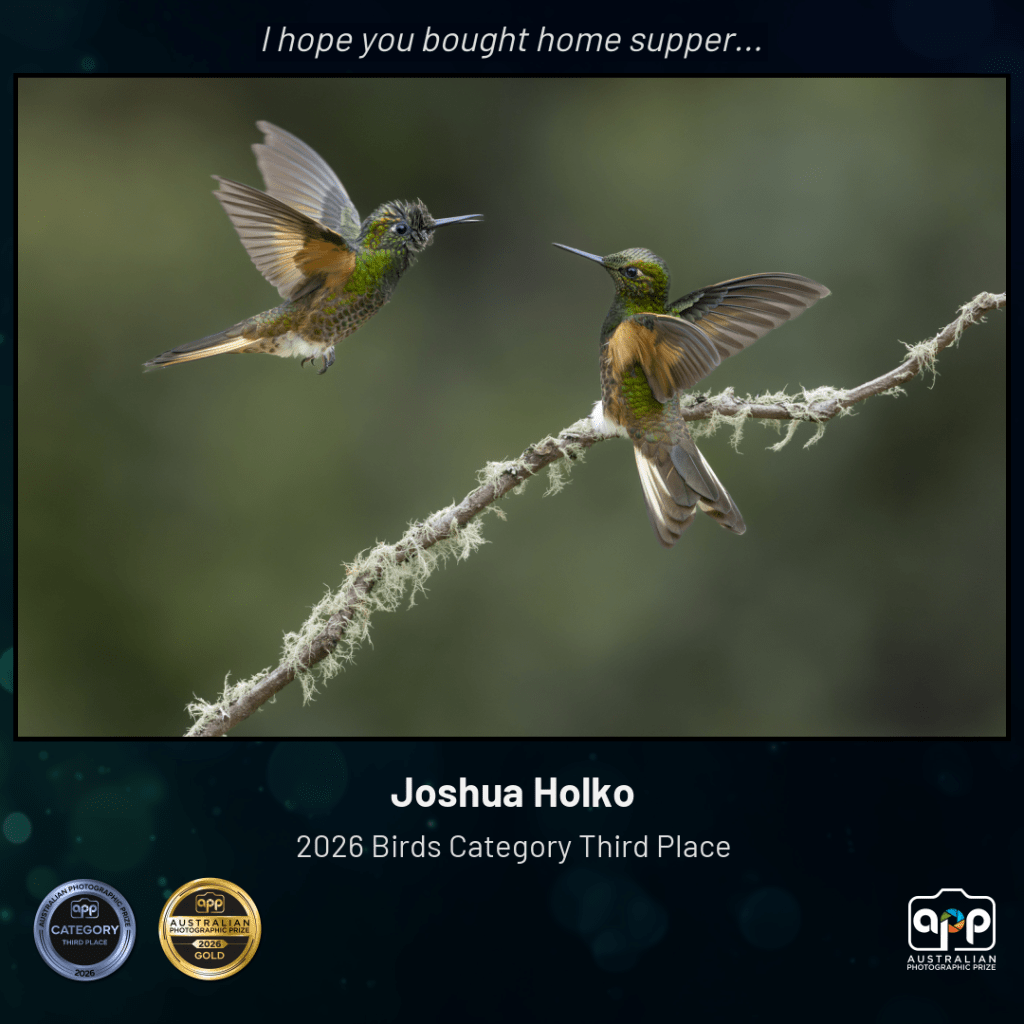
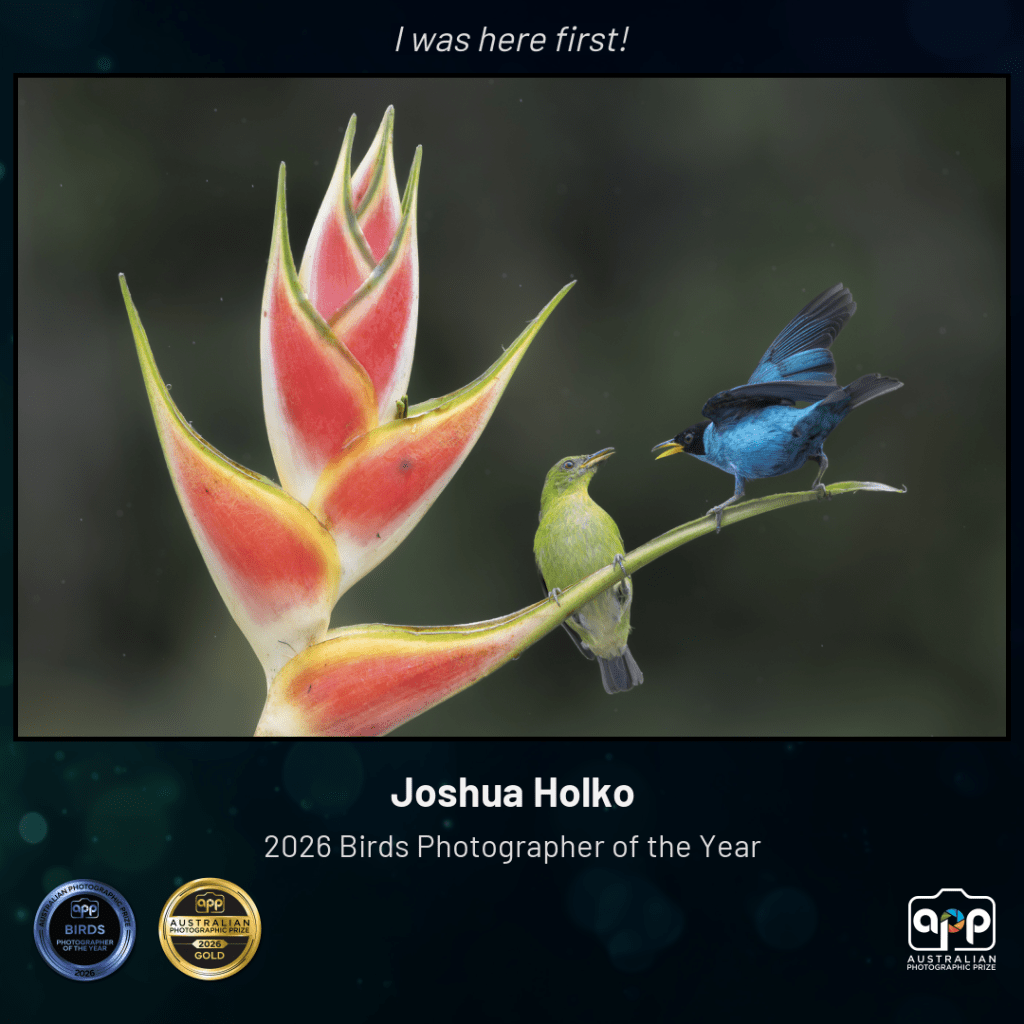
Personally, I most enjoyed the Tanigers, Hummingbirds, Toucans and Wrens. All of which we had multiple opportunities to photograph throughout the trip. The swordbill and Long-Tailed Nymph Hummingbirds proved a favourite amongst all of the group for their incredible bill and tail. In terms of the one that got away, it was for me the aptly-named ‘group’ dubbed ‘Bumblebee Hummingbird’. A tiny Hummingbird about an inch long that had amazing character and reminded me very much of the fat dragon with small wings from the film How to Train Your Dragon. This is a species I will try and capture on the next trip with the 600mm lens and 2x Teleconverter.
Temperatures varied considerably throughout the trip, depending on our location. High in the Andes mountains, temperatures were in the low single digits Celsius on several occasions, necessitating warmer layers and even a hat and gloves on occasion. Whereas lower lying areas saw temperatures in the high 20’s and low 30’s Celsius, where it was light shirts, hats and sunscreen. Although we had some rain on ocassion (as expected in the cloud forest areas) we were never prevented from photographing. In fact, the cloud and mist often added to the experience and photographs. The small raindrops on the Hummingbirds added a wonderful additional element on several occasions. Rain will always draw me out to photograph wildlife. The additional element of water always adds a more evocative and emotive feel to a photograph.
On our last day of travel back to Medellin, we made a wonderful three-hour stop at a small bespoke coffee plantation for a deep dive behind-the-scenes tour on all things coffee. The tour took us from the initial planting and cultivation to the finished product. And of course, an opportunity to pick some berries and an extensive tasting! This was a little added bonus for the group that was thoroughly enjoyed and a wonderful way to wrap up our workshop. On our return to Medellin, we farewelled over dinner before our onward flights the following day.
My sincere thanks to all of the participants who took part in this workshop and who placed their trust and faith in my company, Wild Nature Photo Travel to organise first class logistics and shooting locations. My thanks and heartfelt gratitude also to Jose and John, who provided us with brilliant first-class local guiding and driving throughout our trip – thank you. Jose, in particular, deserves special credit for his seemingly endless knowledge of birds and ability to identify a species even from the vaguest of descriptions. Credit to my partner Susanne Ribberheim for the portrait above.
In February of 2028, I will be offering this workshop again for a small group of just six photographers. This workshop is for passionate and keen photographers who want to undertake a deep immersion in bird photography at one of the best places on earth, with the highest number of species. Full details are on my website at www.jholko.com/workshops. Some places are already spoken for so please do not delay to avoid disappointment.
Travelling on this bird photography workshop to Colombia is about far more than simply adding species to a list. It is about immersing yourself in one of the most biodiverse countries on Earth with purpose, patience, and photographic intent. Colombia is a kaleidoscope of colour and sound, home to an astonishing variety of hummingbirds, tanagers, toucans, antpittas and endemic species found nowhere else. This is a workshop where you will develop your ability to read the light, improve composition, and storytelling. This is about going beyond opportunistic snapshots and moving toward crafting powerful, considered images that truly reflect the vibrancy and intimacy of these birds in their environment. Please contact me for further details.
In January of 2026, I ran an all-new Snow Leopard workshop in far northwestern Mongolia. This workshop ran from the 13th of January until the 23rd of January and took us into an all-new region in the Hungai mountains. This location is lower in altitude than the previous location we had been using and has significantly less hiking (although the climbing is still considerable and not for the faint of heart). Like my Pallas Cat of Eastern Mongolia Report, this trip report will be a little different to the norm and includes a number of daily video updates from the field. Due to my heavy travel schedule, I will come back later in the year and update this post with still photographs from the trip as time permits.
Our journey to the snow leopard began in the capital city of Ulanbataar, with a two-hour flight to Khovd in Mongolia’s northwestern region. From here, we then drove seven hours to our remote camp nestled amongst the Margaz mountains (a smaller area of the Hungai mountains) – our cozy home away from home for the duration of the workshop. Each Gyr, or Yurt, is equipped with a coal-fired stove for warmth, a bed, a wash basin, lighting and even wifi. Our base served as the perfect location to search the vast mountainous landscape for the snow leopard.
As fortune would have it, we never even made it to camp before our first encounter with a snow leopard. With our spotters and trackers already in the field, we took a short detour not far from camp to see a mother with two cubs our trackers had found high on a rocky mountain just prior to sunset. Although sunset was upon us and it was too late in the day to begin an arduous climb to attempt to photograph them, we still relished the experience. To find and see a wild Snow Leopard with her two cubs so early in our trip was an absolute blessing. The cherry on the cake was several Ibex that posed, silhouetted for us high on the precipitous mountain tops.
Finding and photographing the snow leopard is one of wildlife photography’s greatest challenges, demanding extraordinary patience, endurance, and respect for the harsh environments these elusive cats call home. Often referred to as the “ghost of the mountains,” snow leopards blend seamlessly into vast alpine landscapes, making even a single sighting feel like an extraordinary gift. Days can pass scanning ridgelines and valleys in biting cold and thin air, with no guarantee of success, which only deepens the emotional impact when a snow leopard finally reveals itself. Each encounter is a true privilege—a fleeting moment of connection with one of the planet’s most secretive predators that serves as a powerful reminder of both the fragility and the wonder of the wild. Every encounter is an absolute gift and is never to be taken for granted.
Over the course of the next eight days, we made daily sunrise and afternoon sojourns into the field in search of leopards. From our camp location, we were ringed by mountains, all of which had potential for leopard sightings (as well as Corsak fox and Ibex). Using our team of expert local trackers, we had multiple encounters with snow leopards during our trip. As luck would have it, the very best of these encounters was with a mother and three first-year cubs. We were able to spend most of the day photographing the cubs high on the mountainside with superb results. An encounter such as this is an absolute gift and very much a once-in-a-lifetime experience. In addition to snow leopards, we also photographed Golden Eagle and Little Owl.
Temperatures throughout our workshop were extremely cold, with lows consistently around -40ºC and highs in the afternoon often only rising to -25ºC. It was below -35º Celsius many mornings when we departed in search of the ghost of the mountains. This necessitated proper equipment and dressing to ensure protection against the cold. As we traversed the landscape in 4-wheel-drive vehicles, we stayed warm while searching for wildlife.
At the conclusion of our workshop, we packed up and drove roughly four hours to the nearest town for return flights to Ulanbataar and concluded our workshop in the evening of the 23rd of February.
Photographing Snow Leopard with us offers a rare opportunity to encounter one of the world’s most enigmatic wild cats in an ethical, immersive, and deeply rewarding way. Success with snow leopards is never guaranteed, and it is well worth remembering that even a fleeting sighting can be hard-won, making every potential encounter a very special gift. This is a carefully curated workshop built around our local guides’ intimate knowledge of the landscape, respectful fieldcraft, and small-group experiences that maximise both photographic opportunities and meaningful wildlife encounters. In the vast mountain environments where Snow Leopards live, we prioritise patience, conservation awareness, and time in the field—allowing photographers to move beyond fleeting sightings to genuine observation. The result is not just exceptional imagery of a seldom-seen species, but a richer understanding of its behaviour, habitat, and fragility, making the experience as emotionally powerful as it is creatively inspiring.
Who is this Workshop For? This workshop is designed for photographers who have a deep love of wildlife and a genuine passion for capturing it thoughtfully and artisically in the field. It is ideally suited to those who value time, patience, and observation over crowds and hurried encounters, and who thrive in a small-group environment where individual attention and shared experience matter. Whether you are refining your craft or seeking a more meaningful connection with the natural world, this workshop appeals to photographers who are inspired by rare species, remote landscapes, and the emotional power of storytelling through images, and who appreciate learning in an intimate setting alongside like-minded people who share the same respect for wildlife.
If you would like to photograph this incredible wildcat, please get in touch via email. We limit the workshop to a maximum of five photographers to ensure each has their own private room and to ensure we offer the best possible photographic experience. Groups larger than five are far from ideal for this experience if high-quality results are your goal. Our next planned workshop for the Snow Leopard is in 2028.
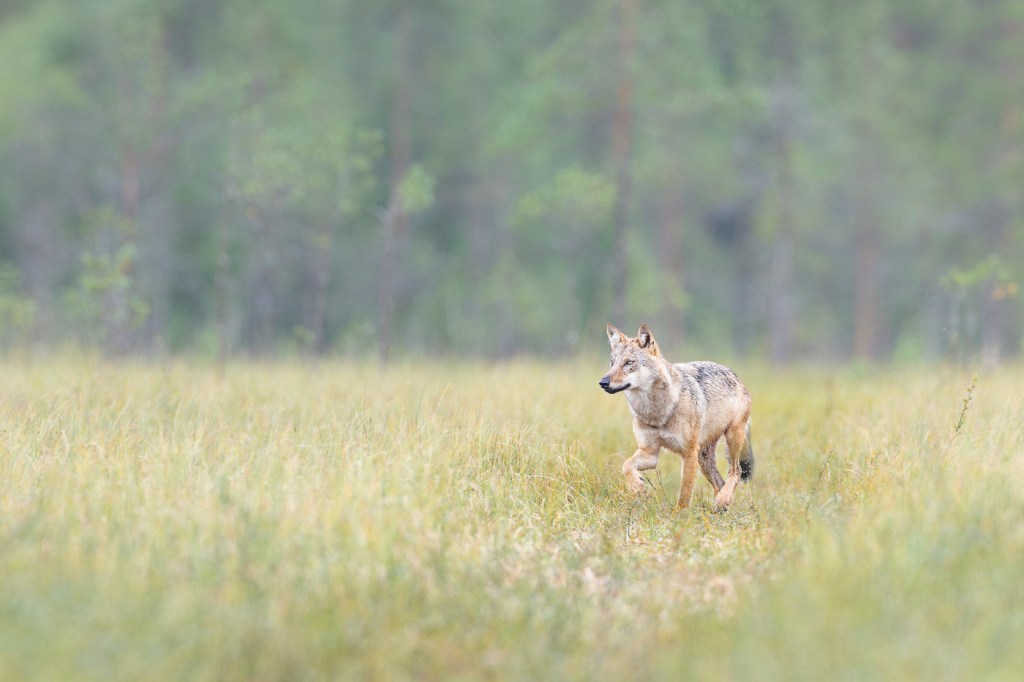
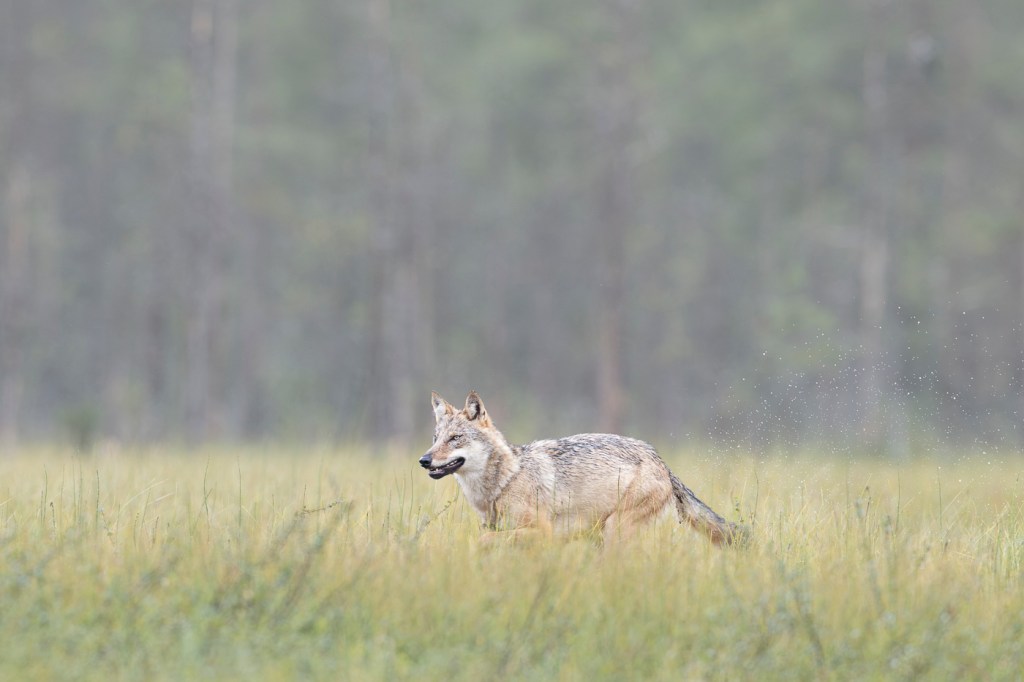
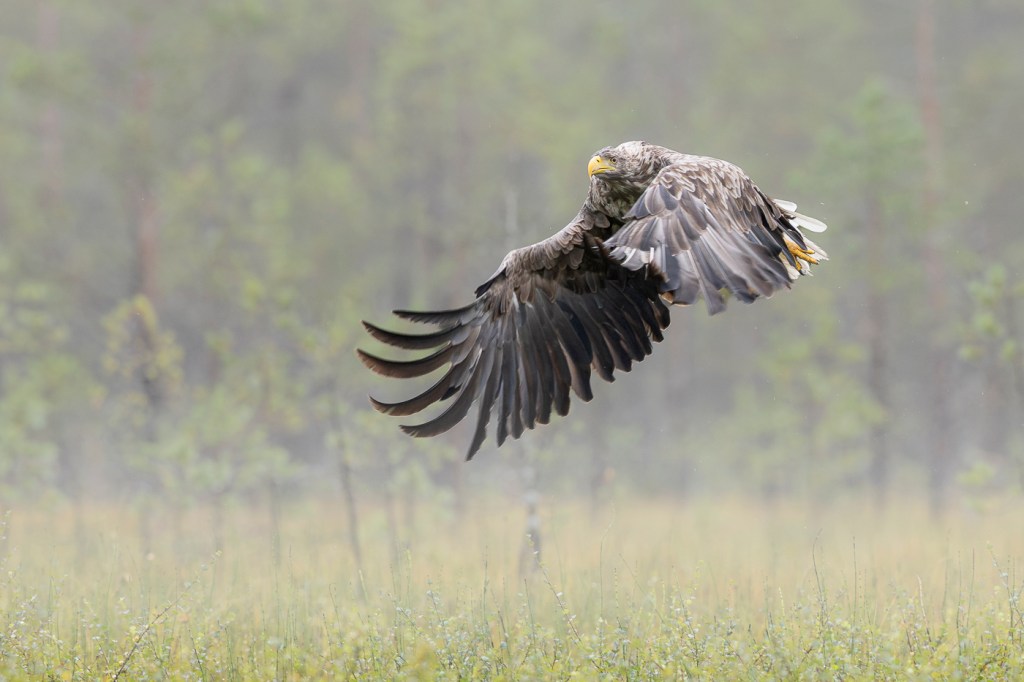
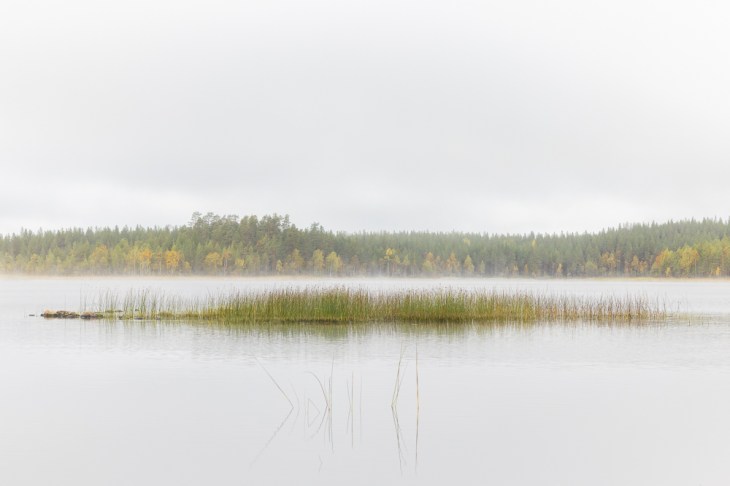
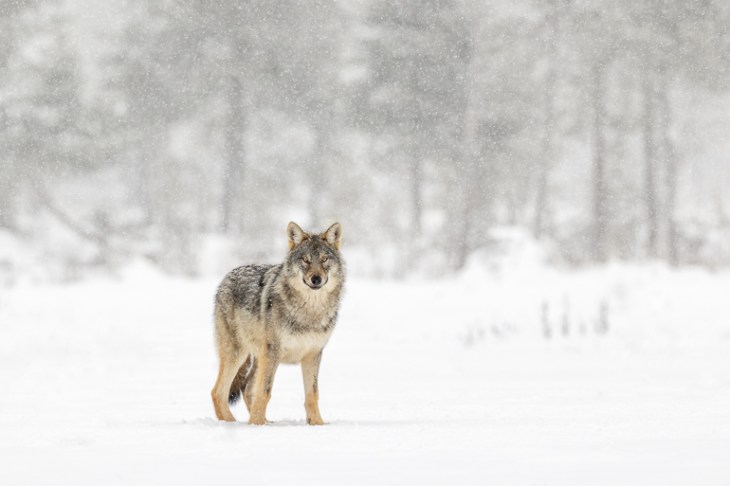
This year’s Wild Wolves of the Taiga Workshop promised something different from our usual Arctic expeditions (Read our Trip Reports). In northern Finland, near the Russian border, we sought not polar bears against ice or penguins against snow, but wolves in the dense, shadowed Boreal forests of the north. Alongside them, the mighty brown bear, an apex predator in its own right, roamed this land of lakes, moss, and towering spruce. There is a quietness and tranquillity that hangs in the air in this part of northern Finland, different from the austere, white silence of the polar regions. The forest in this part of Finland is thick with life, an ancient hush, the breath of a primordial forest older than memory. This is a forest that still feels untouched by humans, where wild animals roam, and it is the perfect place to photograph wolves and bears.
The small group of photographers who joined us this year were seasoned travellers and photographers, each hungry for Nature and that blend of patience, anticipation, and wild reward that defines this craft of Wildlife photography. Our base for this workshop was rustic, yet comfortable. A series of wooden lodges tucked into the forest edge by the side of a beautiful lake. After long sessions in the hides, it was a pleasure to return to the lodge, to peel off warm layers, and share a drink and stories into the evening.
Most afternoons began the same. After an early lunch, we packed our gear, prepared thermoses of coffee, and made our way quietly into the forest. The hides are simple wooden structures, each carefully chosen with background in mind, and each with narrow viewing slits just wide enough for a lens and viewing. The hides are not heated, but this time of year, the temperatures have not yet dropped below freezing, and a few warm layers are all that is required to stay comfortable during a hide session. Many of the hides have additional low-angle viewing and photography ports that allow for low-angle shooting at eye level (a preference of mine whenever possible).
From early afternoon until the fall of night, we sat in silence, our cameras ready, long glass poised—500mm and 600mm lenses dominating the lineup at most of the hide locations, with shorter lenses preferred at the lake hides. Typically, wolves are notoriously shy and long lenses are usually chosen to capture images as they move through the Autumn grasses. Patience is the lifeblood of hide photography. Hours pass with only the sound of wind in the branches or the distant call of a raven. Yet within that stillness, a strange transformation occurs: one begins to hear the forest’s subtler voice, and in those moments, we come closer to Nature. It is a reminder that as Nature photographers we should define the success of our day by how we interact with our environment more so than the success of an individual photograph.
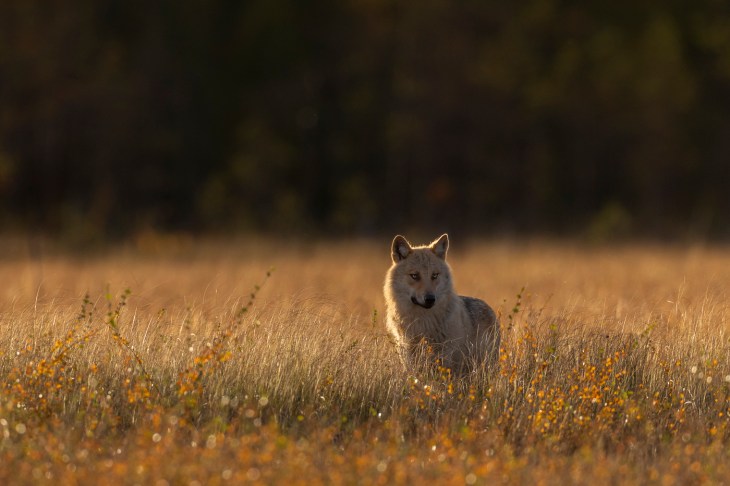
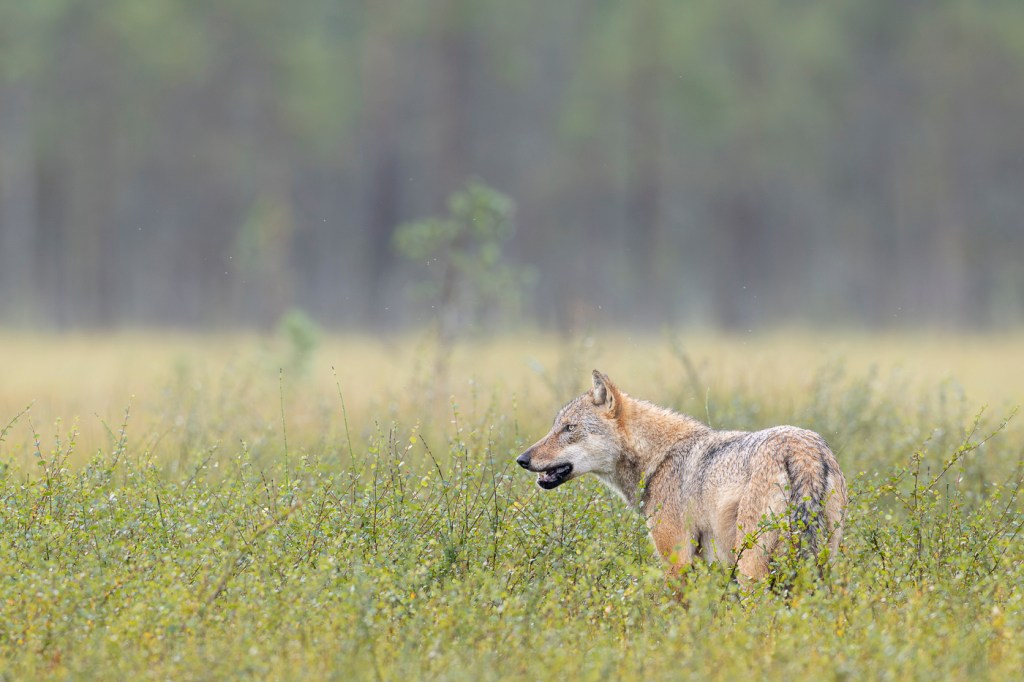
The sun never gets truly high in the sky this far north in Finland at this time of year, and days are frequently overcast, providing a natural softbox of light for the wildlife. Autumn colours were also at their peak the week of our workshop, providing the ideal backdrop to photograph both the wolves and bears. It was on the first evening that we saw our first wolf. At first, it was only a shape, an outline moving low among the yellow grasses. Then, slowly, a wolf emerged. Its presence was electric. In the silence, every photographer held their breath. The wolf paused, ears high, eyes alert, framed by the Autumn forest and the soft yellow grasses. These are the moments we live for as wildlife photographers.
In that moment, the forest was no longer merely a backdrop. It was alive, primordial, a cathedral of colour in which this animal was both priest and ghost. The wolf lingered only a minute, perhaps two, before slipping back into shadow. But it was enough. That encounter imprinted itself on all of us, and we thirsted for me. As fate would have it, we would not have to wait long before a second wolf would grace the stage in front of our cameras.
If the wolf is shadow and mystery, the bear is weight and presence. Several evenings, we were graced by the appearance of European brown bears, their hulking frames pushing through the underbrush. The approach of a bear is almost never heard. Their giant weight is carried on huge paws that enable them to tread silently through the forest. This time of the year, the bears are preparing to hibernate and are at their fattest and most hulking.
Photographing them required equal patience and speed. Bears often moved with surprising silence, and when they appeared, it was crucial to react quickly. The 500mm and 600mm lenses gave us reach, isolating the animals against the soft tapestry of forest and mist. At one point, three young bears appeared by one of the lake hides. The young bears were cautious, climbing a nearby tree while foraging on the lake shore. The scene was tender, primal, and moving. To witness such a moment—protective, raw, and timeless—was worth every hour of waiting.
Although the hides were positioned in known territories for wolves, bears, and wolverines, we did not see the latter this year. Wolverines are elusive at the best of times, shadows within shadows, and their absence reminded us of the unpredictability of true wilderness. Some may count it as disappointment. I do not. For me, the wolverine’s absence underscores the authenticity of the experience. This is not a zoo. It is not staged. The forest offers what it will, and we come not with demands but with reverence and thanks for every encounter.
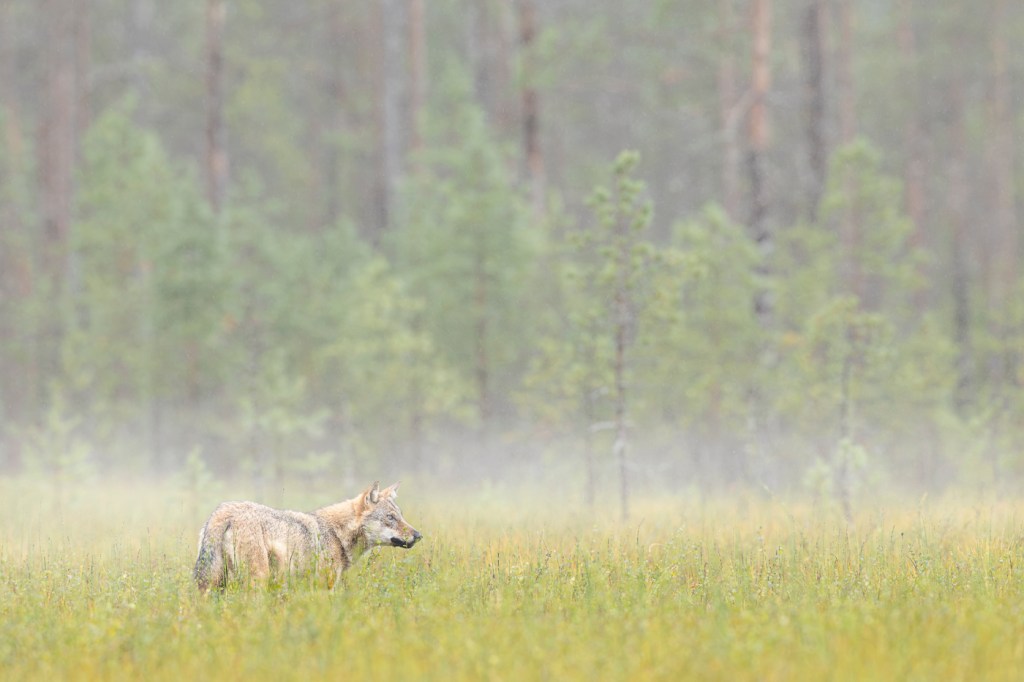
If the wolves and bears were our subjects, then the forest itself was our stage and sometimes, our main character. There were evenings when the mist rolled in, making it seem as though the trees were floating islands, suspended in an ocean of pale grey. In such moments, even without wildlife, there was profound beauty. At other times, the golden light of late afternoon filtered through the canopy, igniting the grasses with a fiery brilliance. To photograph a wolf or bear in such light was almost transcendent—the animal bathed in an atmosphere that seemed half-real, half-myth.
This interplay between animal and environment is where authentic wildlife photography resides, not in the portrait alone, but in the story of creature and place, bound together by light and moment. Background is critical to the simplicity, but must also tell the story of the environment. No one wants a photograph that looks like it was taken in the zoo. Hide photography is not glamorous. It is hours of stillness, cramped legs, whispers, and waiting. Yet it is in this waiting that something rare is found: a kind of meditation. The modern world rarely allows us to sit for four, five, or six hours with no distractions, no noise, but only the wind and the beating of our own heart. In the hide, time stretches. Senses sharpen in anticipation. When the wildlife does appear, the scene comes alive.
The variety of photographs captured on this workshop is always astonishing. Some photographers pursue close portraits with their 600mm primes, filling the frame with piercing eyes and powerful musculature. Others leaned into wider perspectives, showing animals as small figures dwarfed by the immensity of the forest. Both approaches spoke to the diversity of vision that such a place inspires. Running two cameras in an environment such as this is often a good idea, as it can significantly enhance diversity in a portfolio. For me personally, one frame lingers. A wolf, mid-step, crossing a clearing as fog draped around the forest floor. The background is a soft blur of spruce, with a muted palette of greens and greys. Minimal. Poetic. A distillation of the primal soul of this land.
The 2025 Wild Wolves of the Taiga Workshop reaffirmed something I hold dear: Wildlife photography is not only about animals. It is about the connection between us and Nature, between patience and reward, between what is seen and what is deeply felt. The Taiga forest, vast and breathing, reminded us that wilderness is both fragile and unyielding. There are only a few places left on this earth that still feel untouched by man, and that makes this part of Finland exceptionally special. We are returning again next year 2026, and 2027 to this magical forest realm for the Wolves and Bears, and full details are now available on the website at www.jholko.com/workshops. Please contact me for any details.
As some of you may be aware, I was also working on a new short film project during this visit to the Taiga forest in Finland with my good friend Chris Nemes from White Space Films. We wrapped filming earlier this month (September) and hope to release the film before Christmas this year, 2025. This short film is a journey into the mind of what it takes to produce a great wildlife photograph. Teaser poster below: