
This year’s workshop report for our Wild Nature Photo Travel workshop for the Pallas cat in the far east of Mongolia will be a bit different from usual. As I am travelling extensively over the next four months and have very little free time to actually process images from our trip, I am instead including the short videos (not in chronological order) I made on location throughout the workshop. As time permits, I will then come back and update this post with photographs once I get a chance to process them on my home machine with a high-quality display (likely later in the year).
This year, our workshop began in Ulanbataar on the 2nd of January with a seven-and-a-half-hour transit drive to our remote eastern base camp (our home for the duration of the workshop). We concluded on the 9th of January with a return drive to Ulanbataar. Our base camp consisted of sufficient Yurts for each participant to have their own private room, as well as a separate meals Yurt. Each Yurt is heated by a coal-fired stove and has power, a bed, a wash basin, and plenty of storage space. The Internet is provided through a Starlink system, making each Yurt a cozy home away from home.
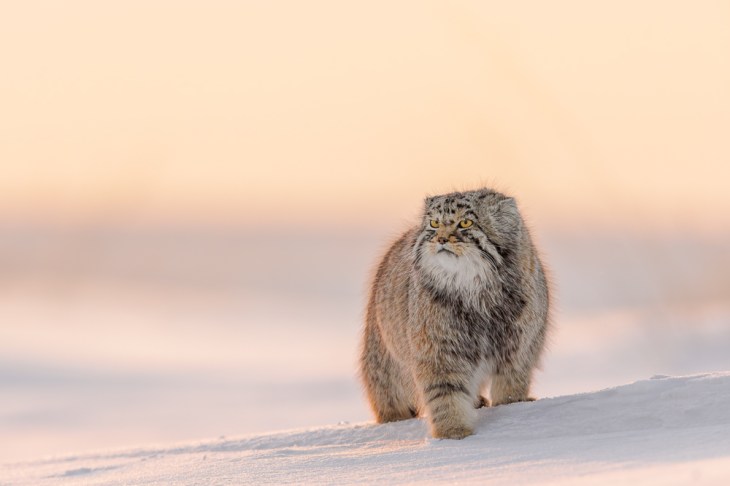
During the course of the workshop, we encountered a total of six Pallas cats in the field; five of which we had the opportunity to photograph at close range, typically at sunrise and sunset, when the cats are at their most active (and when the light is at its best). Although I packed both my 600mm and 100-300mm lenses, I predominantly shot with the 100-300mm lens (as did all participants). Snowfall this year was slightly above average, but there were still quite a lot of grasses to contend with, which meant it was always preferable to get as close as possible to the cat to minimise distractions between the lens and subject. The Pallas cat is a small wildcat with short legs that keep it close to the ground. Its method of defence (from predators such as Golden Eagles and Steppe Eagles) is often to lie as flat as possible and hide in the grasses, which means it’s necessary to get as low as possible when photographing the cat.
Our typical day began with a hearty breakfast at 7am, and then we departed for the field at 7:30am (half an hour before sunrise). Typically, our local guides depart even earlier to find and locate a cat before sunrise (often spotlighting for them), in the hope we can photograph it in the soft light of pre-dawn. In the afternoon, we would take lunch at 1pm before departing for the field at 2:30pm. With sunset around 5pm at this time of year, we have plenty of time to scout before the soft light of evening. Success is never guaranteed with any workshop to find and photograph this endangered wildcat. With six cats in as many days, we had a superb result: each participant went home with a full memory card of wonderful images of this stunning cat.
Photographing the elusive Pallas’s cat is an experience charged with quiet intensity and deep emotion, shaped as much by patience and anticipation as by the moment itself. In the vast, austere landscape of this Steppe region, every sighting feels hard-won, heightening the sense of privilege and connection when a Pallas’s cat finally emerges, its ancient (and grumpy!) expression seemingly etched by time. The result is not just a photograph of a rare and charismatic species, but a lasting emotional imprint—one that speaks to wildness, resilience, and the power of being fully present in one of the planet’s most unforgiving environments.
Our next workshop for the Pallas cat will be in January 2027. The workshop will run from the 2nd of January until the 8th of January (seven days / six nights), and some places have already been spoken for. Full details are on our website at www.jholko.com/workshops
Photographing the Pallas’s cat with us offers a rare opportunity to encounter one of the world’s most enigmatic wild cats in an ethical, immersive, and deeply rewarding way. This is a carefully curated workshop built around our local guides’ intimate knowledge of the landscape, respectful fieldcraft, and small-group experiences that maximise both photographic opportunities and meaningful wildlife encounters. In the vast steppe and mountain environments where Pallas’s cats thrive, we prioritise patience, conservation awareness, and time in the field—allowing photographers to move beyond fleeting sightings to genuine observation. The result is not just exceptional imagery of a seldom-seen species, but a richer understanding of its behaviour, habitat, and fragility, making the experience as emotionally powerful as it is creatively inspiring.

Who is this Workshop For? This workshop is designed for photographers who have a deep love of wildlife and a genuine passion for capturing it thoughtfully and artisically in the field. It is ideally suited to those who value time, patience, and observation over crowds and hurried encounters, and who thrive in a small-group environment where individual attention and shared experience matter. Whether you are refining your craft or seeking a more meaningful connection with the natural world, this workshop appeals to photographers who are inspired by rare species, remote landscapes, and the emotional power of storytelling through images, and who appreciate learning in an intimate setting alongside like-minded people who share the same respect for wildlife.
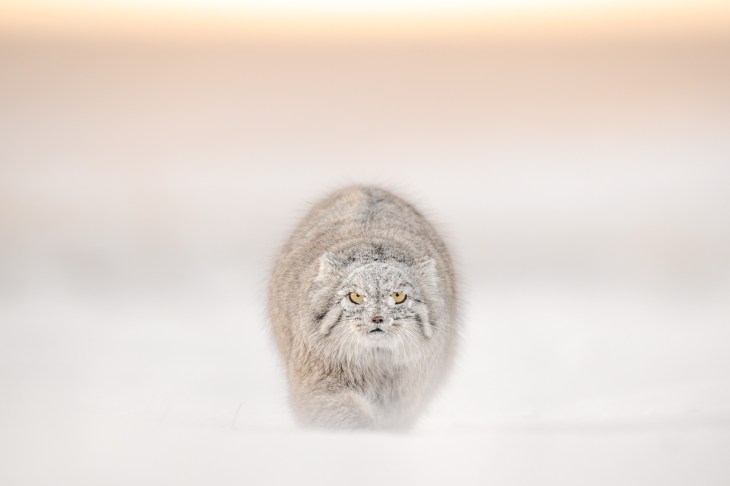
If you would like to photograph this incredible wildcat, please get in touch via email. We limit the workshop to a maximum of five photographers to ensure each has their own private room and to ensure we offer the best possible photographic experience. Groups larger than five are far from ideal for this experience if high-quality results are your goal. This is a workshop I eagerly look forward to each year and is not to be missed.
 www.WILDNATUREPHOTOTRAVEL.com
Wonderful post—informative, exciting, and enjoyable to read.
LikeLike