I am extremely pleased today to be launching my new Live-Books HTML 5 mobile responsive website at www.joshuaholko.com, www.photographyexpeditions.com and www.wildphototravel.com (all three links will take you to the same new website). The move to an all new HTML 5 platform has been some time in the works (quite honestly it is at least twelve months overdue). When I launched my original flash website many years ago, it was at the cutting edge of internet website technology. Flash offered features difficult or impossible to achieve via other platforms. It also offered some degree of protection against unauthorised use of photographs. The world and web have long since moved on however and with so many people now choosing to do their browsing from tablet and other mobile devices (which, in the majority do not support Flash) the move to a mobile responsive platform has become mandatory. Over the years my previous flash based website has undergone numerous updates – many of which added complexity that has been difficult to replicate in HTML5. Now these barriers no longer exist and we can offer all of the functionality I was looking for in a fully mobile aware and mobile responsive site. There are many other fringe benefits in the move to the new HTML platform including much larger images, faster loading times and the new Store. To help celebrate the launch of the new site I have some new Folios that are now available for sale. Orders for these still need to be placed manually via email until such time as the e-commerce part of the web-build is complete. If you would like to order one or more of the Folios please just email me in the meantime. I want to thank Live-Books for their continued support over the years and for their efforts in helping me to transition to the new platform and site. If you stop past for a look please be sure to drop me a note and let me know what you think.
Category: News and Updates
JHolko Photography Latest News and Updates
Falkland Islands Expedition November 2015 Report
In late November 2105 I lead a seven day extension expedition for a small group of photographers to the Falkland Islands after we completed the 2015 South Georgia Expedition. The Falkland Islands are well known amongst birders and bird photographers as one of the best places in the world for observing many different species in such a small area (many of them at close proximity). Our intention, was to visit two of the world’s best hotspots for photography – Saunders Island (the Neck) and Sea Lion Island. We also payed a visit to one of the local areas (Gypsy Cove) in Stanley on our last evening in the Falklands.
 Access to these two islands is only obtained by first flying into Mount Pleasant near the capital Stanley and then taking a much smaller B-2 Islander plane out to the smaller Saunders and sea Lion Islands. The weather around the Falklands is a constantly changing variable and as such flights to these islands are never assured – everything is a weather dependant. Our first stop at Saunders Island was roughly a forty five minute flight from Stanley. We were touch and go for this flight due to very low cloud and fog in the area, but in the end we made it by flying under the cloud and super close to the water. I knew we were low when I looked out the window at the passing cliffs and saw a flock of sheep looking down on us.
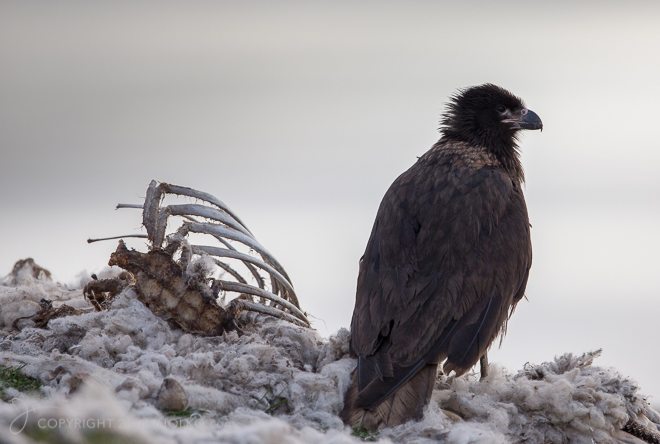 On arrival at Saunders Island we made the 45 minute drive by 4-wheel drive out to the ‘Neck’ area which would be our home for the next few days. The Neck is a remote part of the island with only basic self contained accomodation. The wonderful thing about this location however is the sheer plethora of bird life literally right outside the window. The Neck is really a very special area and we certainly got our moneys worth with changing conditions and amazing wildlife. In addition to Gentoos, Magellanic and Rockhoppers there was also a group of King Penguins out here, as well as one pair of Macaroni Penguins in the Rockhopper colony. The Caracaras (Johnny Rooks) and the Turkey Vultures were also very active here and there were a great many small birds including Meadowlarks, Black Throated Finches, Plovers and more. In addition there were Oyster Catchers, Gulls and other sea birds. Some of us also made the trek out to two of the remote ponds where we were able to photograph Black-headed Swans and the beautiful Silver Grebe. At the Rookery we enjoyed the Rockhoppers and also a huge number of breeding Black-browed Albatross in spectacular landscapes. I know of no other place in the world where you can photograph Black-browed Albatross in flight with a wide angle 16-35mm lens!
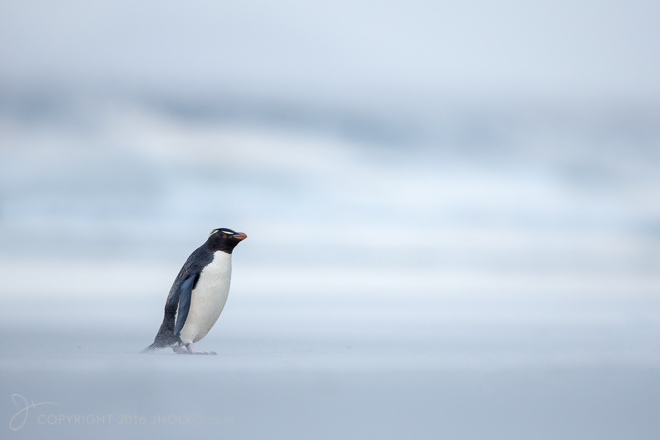
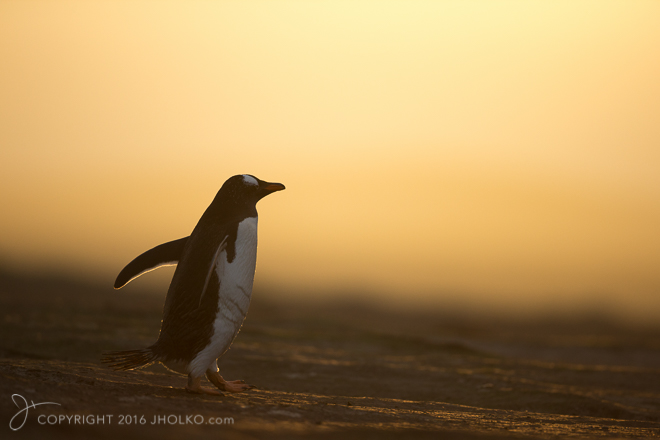 When we had finished at the Neck we took another small plane ride to Sea Lion Island where we spent three more days photographing Gentoo and Magellanic Penguins and also Rockhoppers and Cormorants a short drive from the lodge. In addition we had some fantastic shorebirds, Caracara, Blue Eyed Cormorant as well as several different species of the wetland birds found in the Falklands (several of them endemic to the islands). One of the highlights for me personally was the short-eared Owl which I spent the better part of two days to locate and photograph.
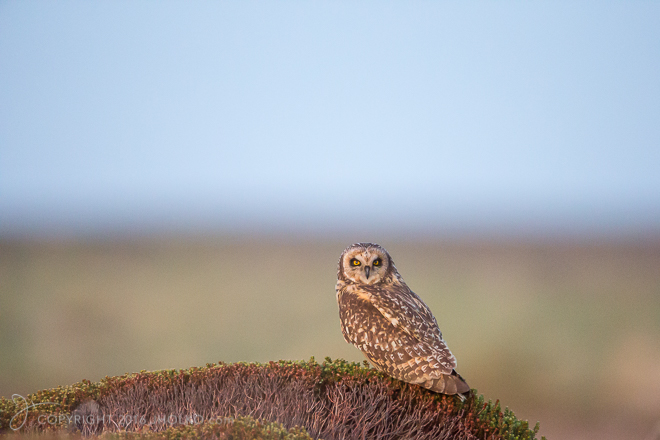 The Falkland Islands is a world class location for bird photography and is a remarkable location for any wildlife photographer to spend time. With so many of the birds being approachable the photographic opportunities are extensive. As yet I have only had time to process a small handful of the photographs I made in the Falkland Islands, but hope to find time to work through many more over the course of this year. I am also looking forward to returning to the Falklands for a future workshop.
Photo of the Month February 2016 – Namibia Dune Field
The photo of the month for February 2016 was taken on my first workshop to the desert of Namibia back in 2014 with Andy Biggs. We were driving back from an afternoon photography session at Deadvlei and pulled over by the side of the road to explore a sand dune area. I chose to take a short hike up into the dunes and was rewarded with some really lovely golden light in the late afternoon. I was fortunate that there was also some strong wind blowing the sands around which has created a nice surreal sense of movement in the image. I am very much looking forward to returning to Namibia in late March this year for a small group workshop. I am particularly looking forward to more time to explore and photograph in the giant sand dunes at Sossusvlei.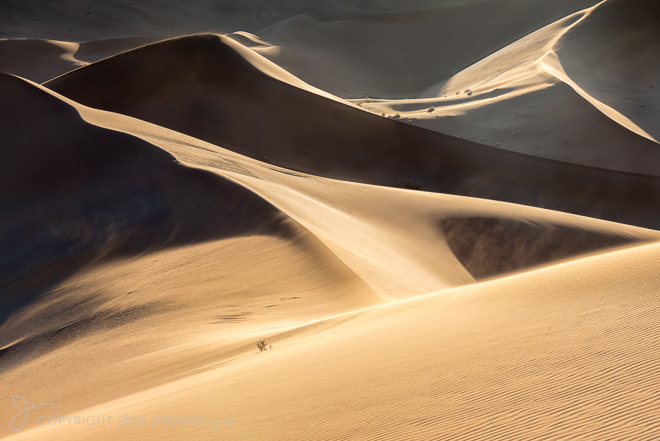
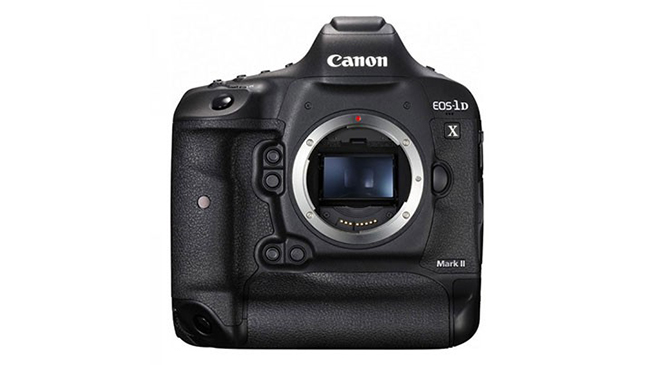
Canon EOS-1DX MKII – First Look Video
B&H Photo have posted a pretty thorough introduction and first look to the new Canon EOS-1DX MKII. The Canon EOS 1DX-MKII is now available for Pre-order with a delivery date of April 2016.
Canon EOS-1DX MKII Performance
I have received quite a lot of email in the last twenty fours hours asking about the performance increase in the new Canon EOS-1DX MKII in terms of both Auto Focus and ISO. I can tell you from demonstration only that the ISO performance in the new EOS-1DX MKII is at least 3-stops better than the current 1DX (and thats being conservative). ISO 10,000 files are effectively clean and free from noise. How much Auto Focus has been improved is going to depend on what you are shooting and in what sort of lighting conditions you are working in. For me, the auto focus performance of the current 1DX is superb and it is really only difficult back-lit situations that pose an issue (from time-to-time). I wont know how the new EOS 1DX MKII performs in this regard until I get it out in the snow and ice in low light with a back lit subject.
The Canon EOS 1DX-MKII is now available for Pre-order with a delivery date of April 2016.