As is tradition on my blog, I like to do a “What’s in Store” post for the coming year as well as reflect back, and wrap up the year that was (its a great way for me to keep a record of my travels and photography and also helps me prepare for the coming year. 2017 was a jam packed year and when I look back at all the destinations and all of the photography its actually hard to reconcile that it all happened in a single year. It was a year that included some absolutely fantastic photographic destinations and some really incredible experiences.
In equipment or ‘gear’ terms 2017 was relatively quiet for me with no major changes to my camera line-up. To date, I haven’t bothered with the 5D MK4; quite honestly (and as I wrote last year), the Canon EOS 1DX MKII remains the best DSLR camera I have ever used regardless of price, brand or model. In resolution terms the the 1DXMKII is more than sufficient for the vast majority of my work and my only justification for a 5DMKIV would be a lighter weight body for hiking (and I already own the 5DSR for that purpose). I did add the excellent Canon 100-400mm F4.5-5.6L IS MKII lens to my arsenal; primarily for ship based photography where I wanted something lighter and easier to hand hold than the Canon 200-400mm F4L IS. More recently I also purchased the outstanding Canon 400mm F2.8L IS MKII. I have been on the fence about purchasing the 400mm F2.8L IS MKII for some time and finally decided to pull the trigger and add this lens to my wildlife kit. My hope is it will prove more versatile than the 600mm f4L IS MKII with the addition of the 1.4X and 2X teleconverters. I was also lusting after that creamy bokeh of the f2.8 aperture.
My gear pick for the 2017 year (I always choose something I actually own) is somewhat of a tough choice. I am torn between the 400mm f2.8L IS MKII and the 100-400mm MKII lens. Both offer outstanding optics and both are industry leading in their categories. Both are also relatively recent purchases so its hard to be definitive as I have not spent a lot of time in the field with either as yet. Certainly both are destined to become long term keepers for me with specific needs for each piece of glass.
2018 should be a very interesting year in equipment terms. It is an Olympic year which means I expect to see several new L series lenses from Canon (although I highly doubt we will see any new pro bodies). Rumours remain persistent of a new 600mm F4 DO lens (a patent has been filed by Canon and they have shown a prototype) and I am starting to think it may actually eventuate in the later half of 2018 (just my gut feel).
Last year I gave my book pick of the year to the very deserving Adelie by Vincent Munier. Adelie was an absolutely superb presentation that deserves a place in any Nature photographers library. If you don’t yet own a copy you should pick one up immediately. This year I am giving the nod to Ragnar Axelsson’s excellent Faces of the North. Although I haven’t had time to review it, I definitely recommend you check it out and consider adding it to your library.
2017 also marked the year I published the open soft cover edition of Melrakki. The culmination of three years of winter photography in the extreme north-west of Iceland, Melrakki is available now as a soft cover (Limited Edition hard bound fine-art book is long sold out). Copies can be ordered online HERE.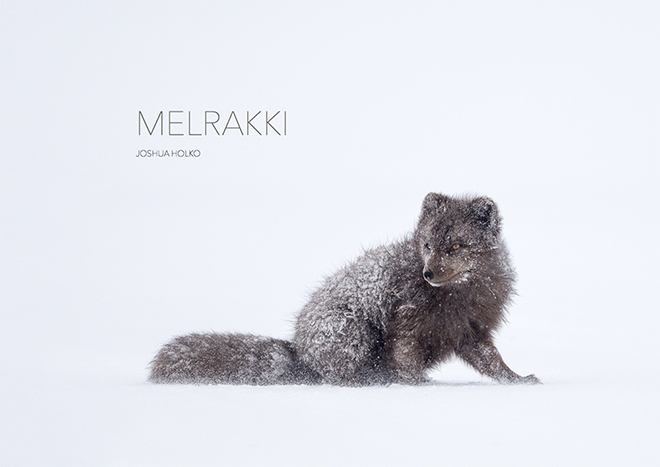 Over the course of this year I also published my own favourite twelve photographs here on my blog. Please be sure to check them out and let me know what you thought. I don’t usually have an overall favourite from a given year, although I definitely have a soft spot for the photographs I made in Svalbard in Winter. Be sure to check out the full portfolio of images at my website www.jholko.com in the Winter Svalbard Portfolio.
 In competition terms, 2017 was a solid year for me with the overall win as the Victorian Documentary Photographer of the Year. This year I was also a finalist in the Epson 2017 Professional Science, Wildlife and Wild Places Photographer of the Year. I was also short listed in BBC Wildlife Photographer of the Year and was also a semi-finalist with multiple photographs in Natures Best Photography 2017 Polar Passion Category. Overall, it was a solid year and I am very pleased with the results.
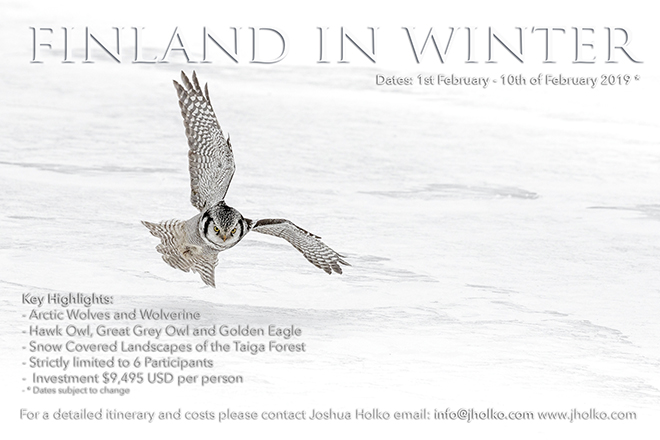
2017 was also another huge year for me both with destinations visited and sheer number of international miles travelled. The year kicked off in early February with a winter scouting trip to Kuusamo in the North of Finland (my first visit to Finland). The purpose of this trip was to scout out the opportunities and set up a future workshop for both winter wildlife and landscape. The trip was a great success with some superb wildlife and landscape and as such I will be offering a new workshop to the north of Finland in the winter of 2019 (I will have full details next year – but you can get a sneak peak now on my website at www.jholko.com).
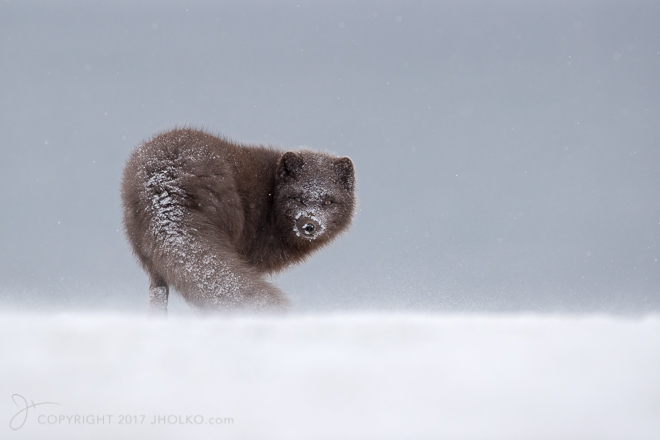
From Finland I travelled to Iceland where I lead my annual winter workshop with Daniel Bergmann (Read the Trip Report). This was actually the last year for the foreseeable future that I will be running this workshop. Iceland has in recent times become over run with general tourism and much of the magic of the south coast has been lost (perhaps when the next economic collapse hits or a major volcano explodes tourism may drop off again). In order to minimise the tourist factor we chose to base ourselves predominately in the north-east of Iceland which provided us with some great photographic opportunities. At the conclusion of my Iceland landscape winter workshop I travelled north to the remote Hornstrandir Nature reserve in the extreme north-west of Iceland where I lead my annual expedition to photograph Arctic fox in winter. Unlike most of Iceland, the Hornstrandir Nature reserve is only accessible by boat in winter and as such it is mercifully free from tourists. During our expedition we stayed in a small cabin on the remote peninsula and had fantastic encounters with several arctic fox over the course of our stay (Read the Trip Report).
 In March I travelled to Svalbard where I spent a week with my good friends Abraham and Dom from Untitled Film Works photographing and filming Ghosts of the Arctic. The short film on the hunt for Polar Bears in the winter landscape has subsequently been a runaway success and has been screened at film festivals all around the world. In addition it has been featured on countless news sites including Daily Mail, National Geographic, Peta-Pixel and many more.
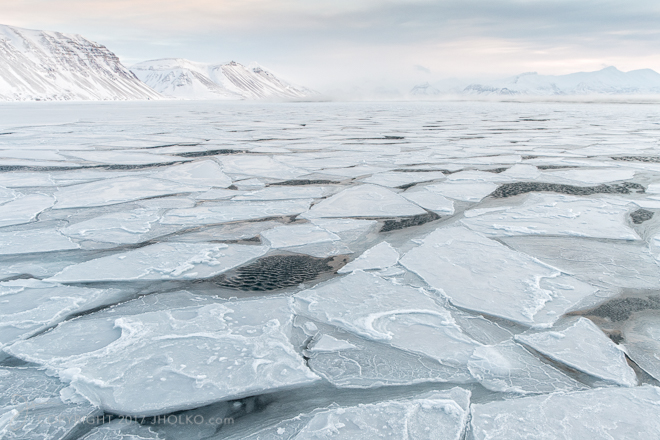
 After the filming of Ghosts of the Arctic I lead my new winter expedition in Svalbard for stunning ice covered landscapes and Arctic Wildlife (Read the Trip Report). Svalbard in winter is nothing short of breathtaking (Its not just the cold that steals your breath away either!). The landscape is plastered in snow and ice and the low angle of the sun bathes the landscape in sublime golden light.
 From Svalbard I travelled to the South Island of New Zealand (with only a brief stop in Australia in between) to lead my annual South Island Masterclass (Read the Trip Report). I have been leading this workshop to the South Island for quite some years now and the landscape in this part of New Zealand never disappoints.
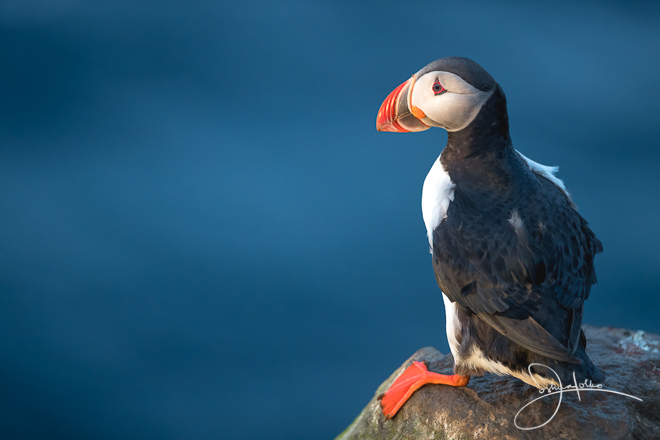
  In late May I returned to the north of Iceland and Grimsey Island to lead a new workshop dedicated to the photography of Atlantic Puffins and other Arctic birds (Read the Trip Report). We actually had over fifty species of birds during the workshop and Grimsey Island (located north of Iceland, inside the Arctic Circle) proved to be a fantastic location for both Puffins, Razor Bills and landscape and I am looking forward to returning again next year.
 In July I returned to Svalbard to lead my annual summer Polar Bears of Svalbard expedition (Read the Trip Report). Svalbard has become one of my absolute favourite places in the world to photograph. With everything from Polar Bears to Walrus, Arctic Fox, Reindeer, countless bird species, many different species of whales and incredible landscape there is just about something for every genre of outdoor photography. Garnish it all with fantastic light and you have photographic nirvana.
 In late September and October I lead back-to-back expeditions with Daniel Bergmann to Greenland and the Scoresby Sund fjord system (Read the Trip Reports).There are few places on our planet as spectacular as the remote and wild east coast of Greenland. Its precipitous and towering glacier scarred mountains that line the many divergent fjords have created an otherworldly landscape that is just about photographic paradise. The entire primordial setting is festooned with a plethora of gigantic icebergs that drift slowly on currents through the system and that provide an endless and ever-changing series of subject matter for the photographer. These two expeditions were a runaway success and Daniel and I will be returning to Greenland and Scoresby Sund in September 2019. We will have further details on this expedition early in the new year.
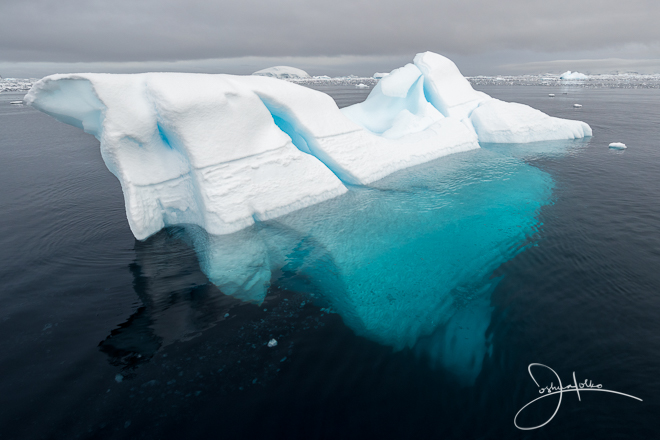
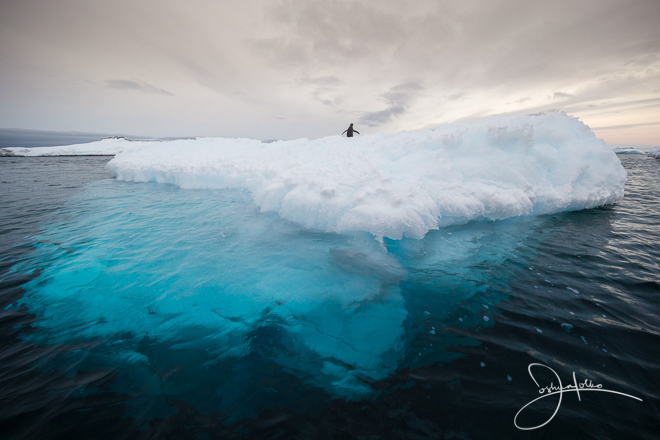
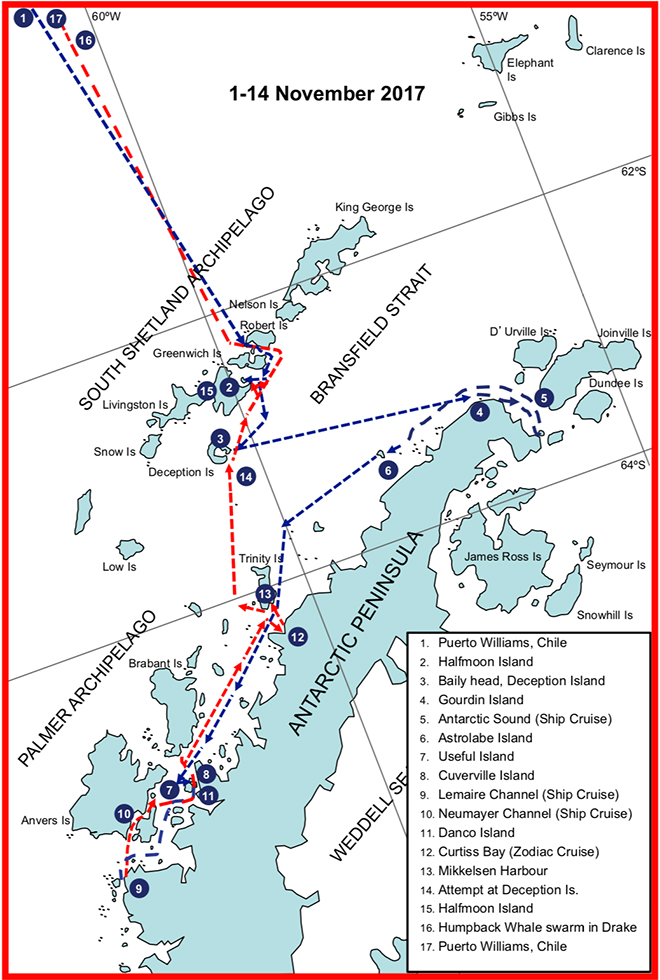
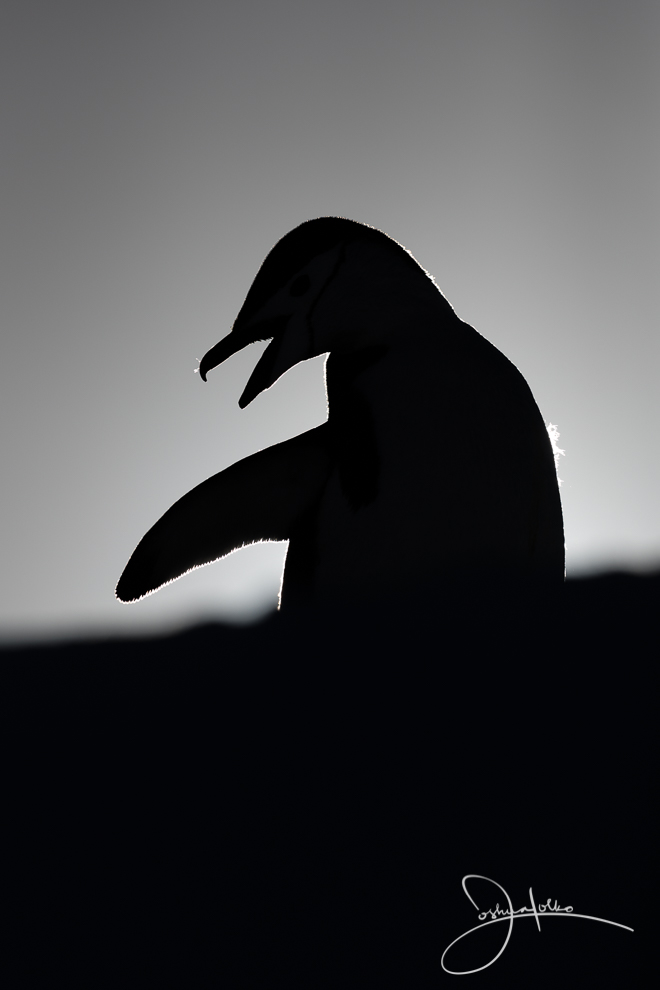
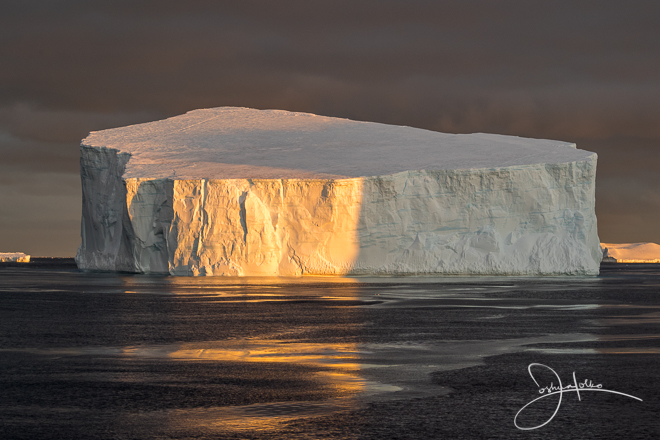
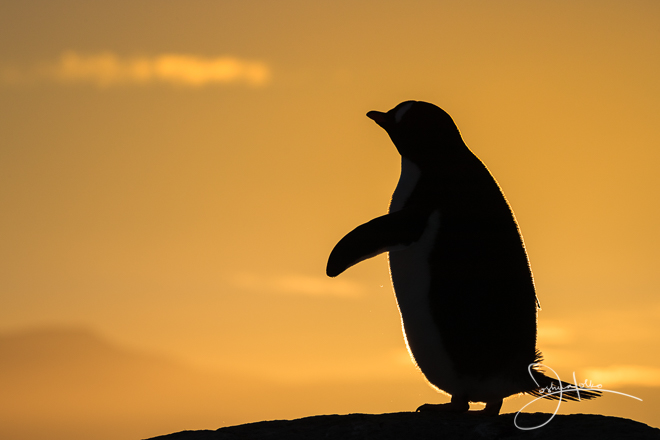
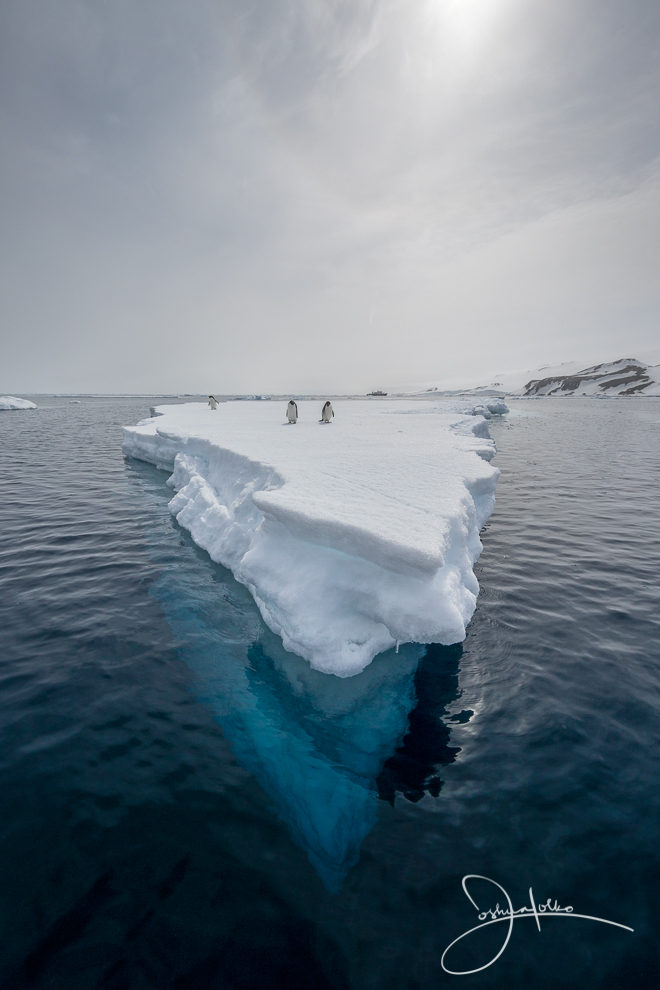
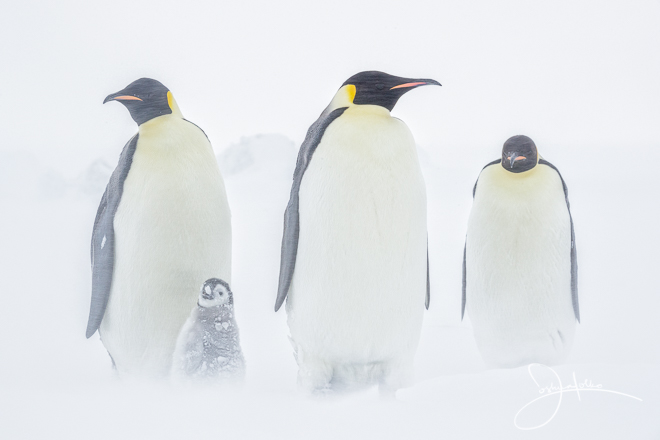
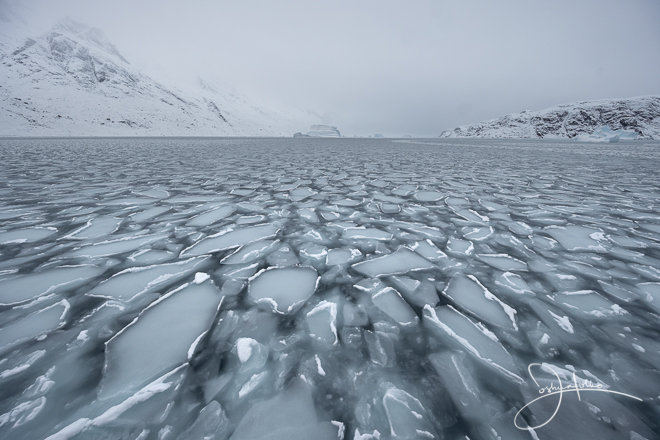 I finished up the 2017 year with back-to-back expeditions to the Antarctic Peninsula (Read the Trip Report) – Antarctica White Nature. The expeditions were deliberately timed as the first of the season as typically this is when the weather is still quite unstable in Antarctica and there is the greatest chance of dramatic weather and light. Expeditions later in the season (December, January and February) typically have more settled weather and far less snow coverage on the ground. For wildlife photography this can be problematic as it can be difficult to find clean snow backgrounds for the penguins (Read my guide on how to choose a photographic expedition to Antarctica).
I had planned to have a week in Atacama at the end of the expeditions, but quite honestly I was pretty exhausted by the end of the second expedition and was glad of my decision to put down the cameras for a while and have the extra week at home. All up I led a total of ten separate international workshops and expeditions in 2017 spread across the globe (not including some local private workshops to the Great Ocean Road as well as one-on-one Print workshops). A brief count tallies up well over fifty plane segments and just over fifty thousand exposures (not all keepers unfortunately!) It was a fantastic year and I just want to thank all of you who I was fortunate to meet, travel and photograph with throughout the year. It was real privilege to share in such remarkable destinations with so many fantastic passionate photographers – thank you.
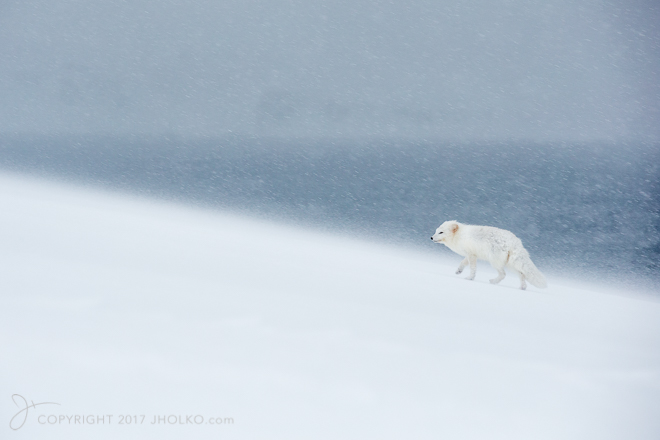
2018 is shaping up to be pretty full on and I am really excited about whats in store. In February I will be heading back to the Lofoten Islands in Norway to lead my second (SOLD OUT) workshop in this picturesque location. I was last in Lofoten in 2016 (Read the Trip Report) and found it to offer amazing opportunities for landscape photography. In fact, Lofoten is very much landscape paradise and the combination of precipitous mountains, dusted with fresh winter snow and the stunning Aurora Borealis can make for incredible photography.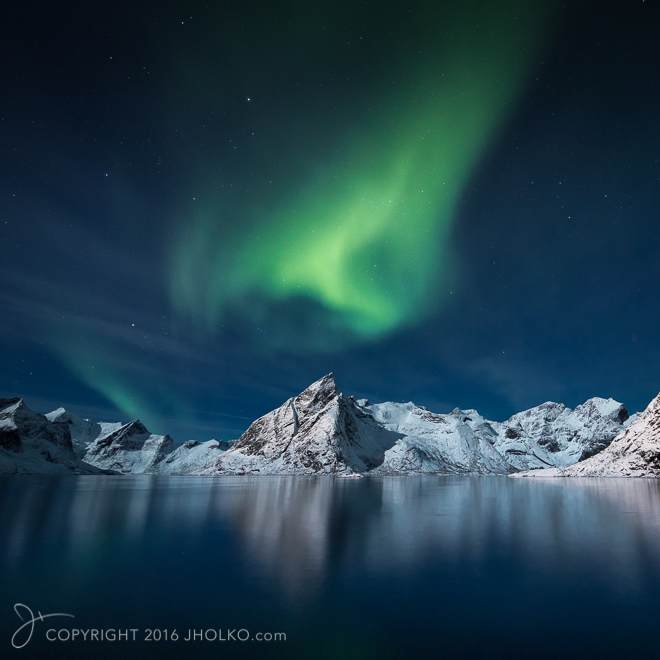 From Lofoten I will travel directly to northern Iceland where I will lead my annual (SOLD OUT) expedition to the Hornstrandir Nature reserve to photographic wild Arctic Fox. Arctic Foxes are unfortunately hunted and shot across most of Iceland making them extremely shy and difficult to find (and even more difficult to photograph). In the remote north-west however the Arctic Foxes are protected inside the Hornstrandir Nature Reserve and can be more easily approached and photographed. We will be staying in a small remote cabin that is rustic, but functional and clean and we will have up to 10 hours of good light during the day with which to photograph the Arctic foxes. With luck, we may also see and photograph the spectacular Northern lights.
 After Iceland I will spend the remainder of the Arctic winter in Svalbard where I am going to be working on a combination of personal work from snow mobile and a SOLD OUT ship based expedition. The Arctic in Winter is a place to inspire the imagination. It is a white landscape bathed in golden light. The ship based expedition is unique and is the only one of its type to venture north of Longyearbyen by ship in winter.
 The main focus of this expedition will be Arctic winter light, landscape and wildlife. In March and April the light conditions in Svalbard are magical. Usually winter to Svalbard are limited to day trips on snow mobiles quite close to the town of Longyearbyen. With our expedition ship we will explore a much bigger area including the western and northern areas of Spitzbergen. This expedition has been sold out for some time, but I am now starting to take bookings for 2019. You can register your interest by dropping me an email.
This expedition has been designed to provide the very best possible opportunities to experience and photograph Svalbard in winter light. We expect to meet wildlife such as Polar Bears, Walruses, Seals, Arctic Foxes and Reindeer. At this time of year the sea birds will also be returning to their breeding grounds. Its a very exciting time to be in Svalbard and I am looking forward to it very much.

In May I am going to make the short hop across to the South Island of New Zealand to co-lead a Masterclass workshop with friend and New Zealand local, Phillip Bartlett. We have some really exciting locations lined up for this trip that include extensive helicopter access into the remote back country and aerial photography over the spectacular Southern Alps. I always look forward to any chance to photograph in this beautiful country. We only have two places remaining before the trip will be sold out and this will be the last year that I offer this workshop for the foreseeable future. Please drop me an email if you are interested in joining us. There are more details on my website at www.jholko.com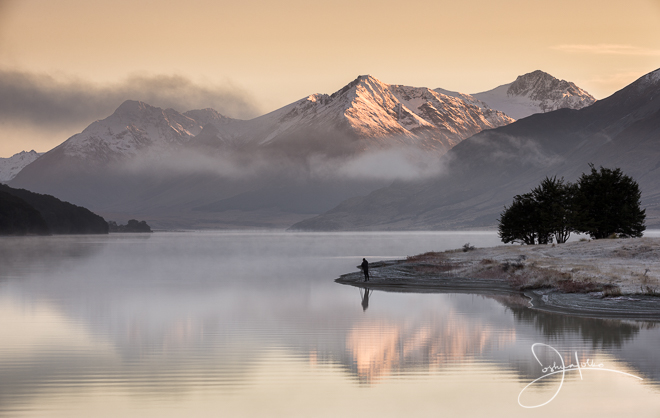 In early May I will be based in Australia and will be the keynote speaker on both Saturday 26th and Sunday 27th at VAPS – The Victorian Association of Photographic Societies – convention in Warrnambool. I will have more details on this convention next year, but am very much looking forward to presenting at the conference.
After the VAPS conference I will be heading straight back to Iceland to co-lead my Arctic Wings of Iceland workshop with Daniel Bergmann. The workshop is dedicated to photography of the Atlantic Puffin and other birds of Iceland including Fulmars, Kittiwakes, Guillemots (Murres), Arctic Terns and Razorbills (Read the 2017 Trip Report). Iceland is one of the best places in the world to photograph Puffins and other Arctic birds in their natural environment. We will visit a number of different locations during this workshop where we will have outstanding access to the Puffins living in burrows on the edge of sea cliffs. We have timed our 2018 workshop to ensure we are in the best locations at the best times to photograph these wonderful birds. We will have hours of golden light under the spectacular midnight sun – ideal conditions for photography of the Atlantic Puffin. We still have a few spots available before the workshop will be sold out. Please drop me an email if you have any queries or are interested in joining us.  In July I will head back to the Svalbard archipelago to lead my annual summer Polar Bears of Svalbard Expedition (only a couple of places remaining before it will be sold out). We will depart from the small town of Longyearbyen and sail up to the edge of the permanent pack ice where we will spend out time searching for and photographing the king of the Arctic. With 24 hour daylight under the midnight sun we will have hours and hours of light for photography.
We will search the sea ice north of Svalbard for Polar Bears, Walrus, Arctic Fox, Arctic Birds and spectacular Arctic landscapes. Whilst Polar Bears and other wildlife are the main attraction on an expedition such as this it needs to be said that the landscape opportunities in Svalbard are nothing short of breathtaking. Soaring bird cliffs, plunging glaciers and dramatic mountainous scenery means there is quite literally something for every photographer. If you have never been to Svalbard you should absolutely put it on your bucket list. In September I will be travelling to Finland as guest speaker at the international Finnish Nature festival in Kuusamo. I will be speaking both about my polar photography in Antarctica as well as the landscape and wildlife opportunities in Australia. Whilst there I will also take some extra time and maximise the opportunity to try and photograph Bears, Eagles and Wolverine.
In October I am heading back to Africa and the epic desert sands of Namibia. I was last in Namibia in 2016 (Read the Trip Report) and very much look forward to returning to this incredible country. I have lead three workshops to Namibia in recent years and have absolutely fallen in love with the desert and wildlife found across this dramatic country. We will be visiting the surreal ghost town of Kolmonskop, the massive dunes and seemingly endless sand dune landscape of Sussesvlei as well as the wildlife rich region of Etosha. There are already only a few places remaining before the workshop will be sold out. Drop me an email if you are interested in reserving one of the remaining places. 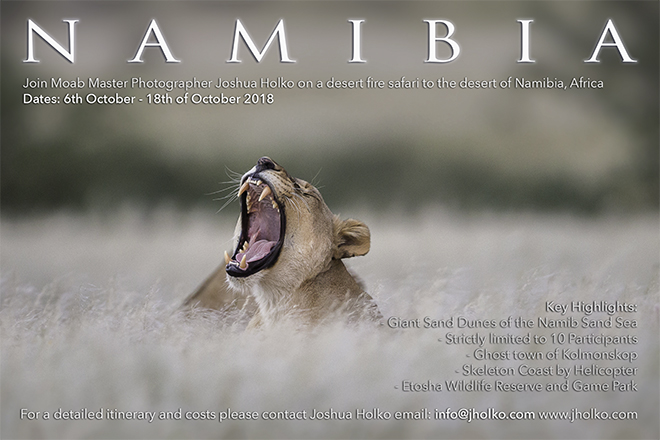 After Namibia I will be heading back to New York to speak at the Photo Plus convention (more details to come later). I was last in New York in 2016 and am looking forward to returning to the big apple and catching up with friends in the states.
Finally, I will finish up in November with my third visit to the remote sea ice at Gould Bay in Antarctica to photograph the mighty Emperor Penguins .We will be travelling by privately chartered transport jet deep into Antarctica where we will land on a pre-prepared ice-runway at Union Glacier. From our basecamp only 600 miles from the South Pole we will then take a privately chartered Twin-Otter ski aircraft to the remote Emperor Penguin colony on the sea ice. We will establish a field camp on the sea ice and spend our time photographing the Emperors and Emperor Penguin Chicks on the sea ice against a backdrop of incredible mountains, icebergs and pressure ridges. We will photograph throughout the night when the light is soft and golden in an expedition opportunity dedicated to photography of Emperors. If you are excited by the idea of travelling to one of the remotest regions in Antarctica to live and photograph with the majestic Emperor Penguins now is the time to register for the last available place. 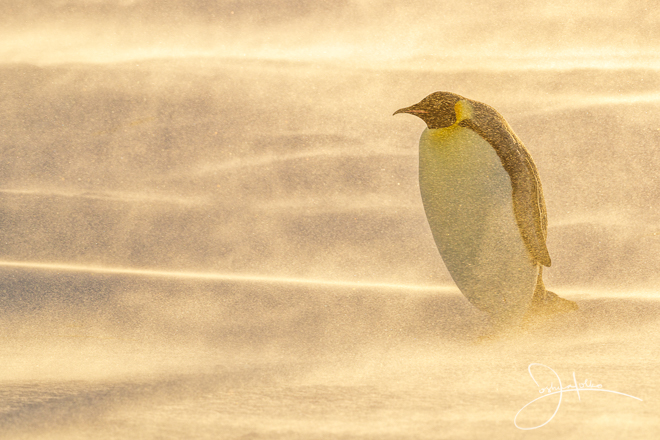 On top of all of the above it is my hope that 2018 will be the year I publish my new fine-art book on Antarctica. The preliminary layout is mostly complete and I hope to finish most of the text and final details early next year with a view to publication in the later half of 2018. It is going to be a very exciting (and very busy) year and I am looking forward to getting underway.
For those of you who have made it this far – A sneak peak into 2019 includes brand new workshops to the Faroe Islands and Finland as well as new expeditions to the remote east coast of Greenland and possibly something new and special to Greenland in winter. More on this later.
Lastly and certainly not least, I want to wish all of you a very safe and happy New Year and may 2018 be one of amazing light and experiences for all of you. See you in the New Year!
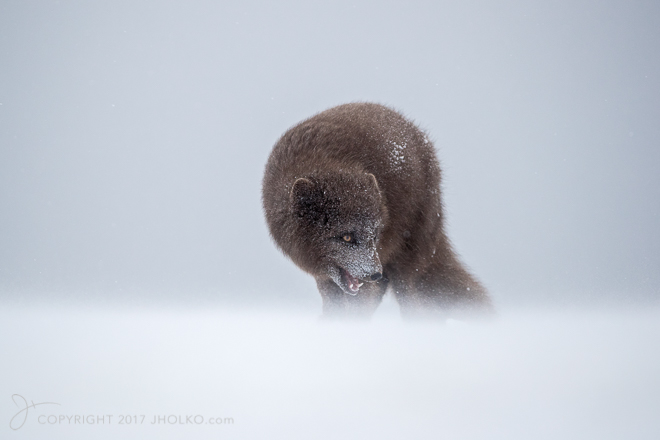 Arctic Foxes are unfortunately hunted and shot across most of Iceland making them extremely shy and difficult to find (and even more difficult to photograph). In the remote north-west however the Arctic Foxes are protected inside the Hornstrandir Nature Reserve and can be more easily approached and photographed. This photography expedition will last for 7 days ( 6 nights). We will be staying in a small remote cabin that is rustic, but functional and clean.
 As is traditional for me, I like to post my packing list before an expedition. I am packing for both landscape and wildlife and as such I am taking quite a bit of equipment with me (what else is new…) I am also packing a Really Right Stuff tripod with Satchler FSB-6 fluid head for both the 400mm F2.8L IS MKII and 600mm F4L IS MKII lenses in my checked luggage (yes! I am taking both lenses!). With all of that in mind I settled on the following as my selection for these two expeditions:



 www.WILDNATUREPHOTOTRAVEL.com