In February 2018 I lead my special small group expedition to the extreme north west of Iceland for a group of just five photographers to photograph what is perhaps Nature’s greatest survivor: Vulpes lagopus – The Arctic Fox. This is only the second time I have taken a small group with me into the nature reserve as this is an area very near and dear to my heart.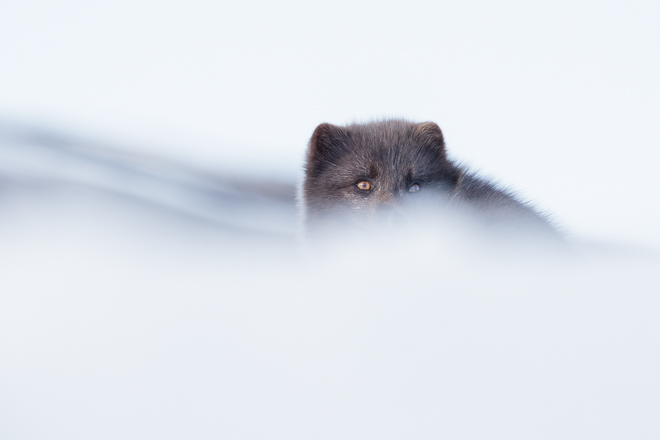 I have been travelling to the Hornstrandir Nature Reserve (Hornstrandir is Iceland’s northernmost peninsula, covering 580 km² at the northern end of the Westfjords, to the north of the Jökulfirðir and to the northwest of Drangajökull) in Iceland during the winter months for five years now specifically to photograph Arctic Fox in winter. I released both a limited edition and open edition book on the Arctic Fox (Melrakki) which was the culmination of three years of winter photography. Prints from this book are now on display at the Arctic Fox centre in Sudavik and the book can be purchased directly through Melrakki Publishing.
 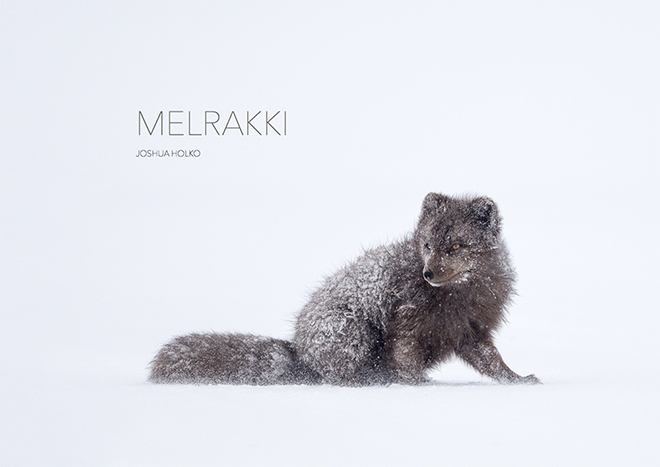 For the uninitiated, Arctic Foxes are unfortunately hunted and shot across most of Iceland making them extremely shy and difficult to find (and even more difficult to photograph). In the remote north-west however the Arctic Foxes are protected inside the Hornstrandir Nature Reserve and can be more easily approached and photographed. What is especially compelling for wildlife photographers is that Iceland is one of the very few places in the world where it is possible to reliably photograph the Blue Morph Arctic Fox (the rarer of the two colour morphs across most of the Arctic). White morphs are also found in Iceland, but in smaller numbers.
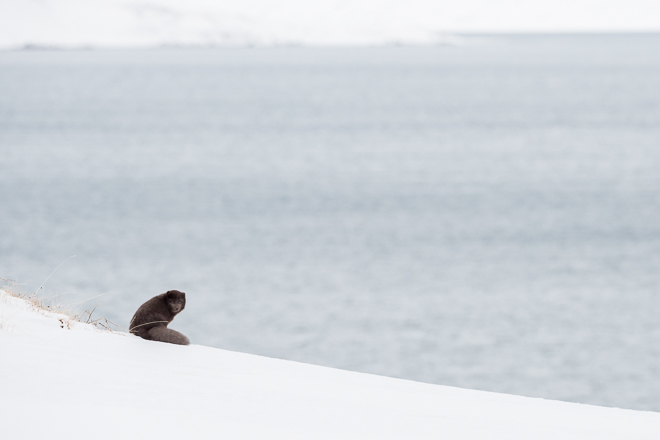 We began our expedition in the small town of Isafjord in the north-west of Iceland with a somewhat delayed start due to a winter storm that made flying impossible on our original planned departure day from Reykjavik. We had planned to have one night in Isafjord before we departed but as it turned out we spent that evening Reykjavik. The next day the weather was still touch and go, but after a bumpy landing we arrived safely in Isafjord. After a quick visit to the Arctic Fox centre in the nearby town of Sudavik where we all had an opportunity to learn a little bit more about the biology and history of the Arctic Fox in Iceland we departed on our expedition in the early afternoon.
 From the small town of Isafjord, we travelled by private charter boat to the remote north-western Hornstrandir Nature Reserve (approximately one and a half hours by boat) where we stayed for the next seven nights in a small remote private cabin. The Hornstrandir Nature reserve can only be accessed by private charter boat (there are no roads or other services into this part of Iceland – and hence no tourists). Once we arrived in the reserve we had no contact with the outside world except via satellite phone for emergencies. The cabin we stayed in for the duration of the expedition is privately owned and facilities include shared bathroom, toilet and shower as well as a kitchen with hot and cold water, a communal eating area and lounge. There is even an outdoor sauna available for use. Bedrooms are a shared bunk bed arrangement. The cabin is heated with both a hydronic heating system and a log fire. During our stay in the cabin we had a dedicated person to clean and prepare breakfast, lunch and dinner for us each day; which enabled us to focus solely on our photography. The house was originally built in 1921. In 1948 (just 27 years later), the last inhabitants left this isolated arctic peninsula in search of a better life. The cabin was abandoned for many years and has only recently been restored. Although no one lives there permanently, the cabin was a great getaway and the perfect place to accommodate us whilst we searched for and photographed Arctic Foxes. Curious Arctic Foxes frequently stopped past the cabin to investigate during our stay and it was even possible to photograph them from right outside the cabin on several occasions.
 Arctic Foxes are predominantly territorial animals that roam and patrol vast areas of the Arctic. The Arctic Foxes of Iceland are particularly tough and hardy. They have to deal with constant freezing and thawing conditions throughout the winter months in areas where this is little or no food available. During our winter expedition we experienced temperatures a few degrees either side of freezing (0º Celsius) plus wind chill. Although this was a low snow year (yet again) we were fortunate to still have sufficient covering during most of the expedition. We also had a real mix of weather and light which provided us with a lot of different opportunities during our time in the reserve.
During our expedition we saw and photographed four individual blue morph foxes. As the foxes are territorial they visited us repeatedly on a daily basis (often several times per day) which provided us with multiple opportunities to photograph them. Arctic Foxes are by their nature inherently very curious animals and on many occasions approached within just a few feet of our cameras. Best of all the foxes are most active in the morning and evening – when the light is usually at its best for photography. Several of us also spotted a white morph fox further down the coast, but it proved shy and elusive for photography. 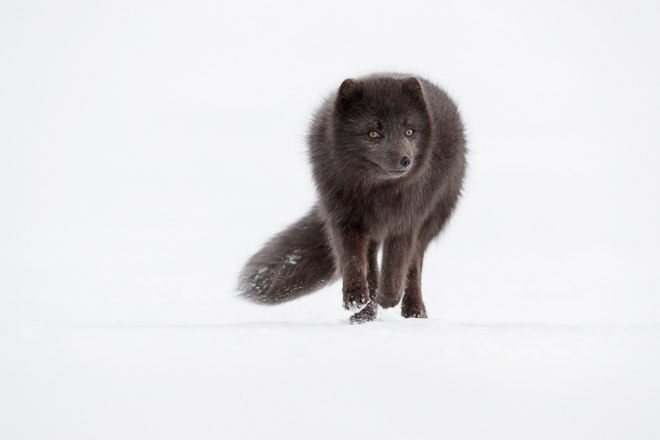 In addition to the Arctic Foxes there was also bird life along the coastline including Iceland Gulls, Eider Ducks, Ravens and Ptarmigan in winter plumage. I have in the past also seen and photographed Gyr Falcon in this area of Iceland and Eagles are also seen on occasion.
The winter landscape in this part of the Hornstrandir Nature Reserve is simply stunning in its wild beauty. As a result, there were also many opportunities to make landscape photographs during this expedition.
We were met by the boat again on the morning of the 1st of March for our return trip back to Isafjord and were transferred to the airport in time for our return flights to Reykjavik. We concluded our expedition in the evening of the 1st of March in Reykjavik.
During the expedition the participants made between ten and twenty thousand plus photographs per person which gives you a really good idea of just how many incredible opportunities and encounters with Arctic Foxes we experienced during our time in the Nature reserve. Many of our encounters lasted several hours and on multiple occasions we had the luxury of choosing our backgrounds and angle of view for our photographs.
If you are interested in photographing wild Arctic Fox I will be repeating this expedition early next year (2019) for a small group of just five photographers (only three places remaining before the expedition will be sold out). Full details are on my website at www.jholko.com or you can register your interest in one of the two remaining places by dropping me an email.
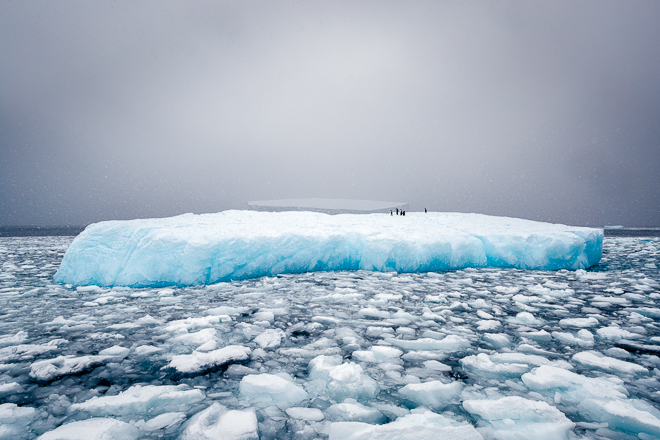
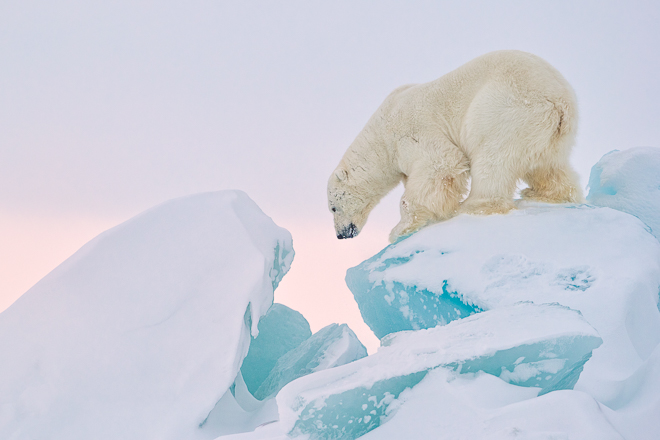 Summer in the high arctic is a very special time for photographers. With twenty-four hours of daylight the photographic possibilities are quite literally as abundant as the day is long. In fact, what would normally pass for night time is actually one of the best times for photography in the Arctic summer as the light is often soft and ethereal with subtle golden overtones.




 www.WILDNATUREPHOTOTRAVEL.com