The Emperors Expedition and South Georgia / Antarctica Packing List 2016

As is traditional for me, I like to post my packing list before an expedition and this particular list has probably give me more pause for thought than any in recent time. I am packing for both my Emperor Penguin Expedition and Photographers First light Expedition to South Georgia and Antarctica and although the two destinations are very similar (both in Antarctica) they require different approaches. Just as an aside, for those of you who have emailed me asking if I will be running another expedition to the Emperors in the future the answer is ‘maybe’ at this stage. I have pencilled in for a possible expedition in November 2018, but as yet nothing is confirmed. The best way to stay up to date on a possible future Emperor trip is to just drop me an email and register your interest.

In terms of subject matter, the Emperors expedition is absolutely all about Wildlife (as is South Georgia), but the Antarctica portion of the First Light Expedition is ship based with a significant emphasis on landscape and icebergs and that requires some different equipment (at least it does for me). I have decided to take the 85mm F1.2L MKII lens as I have long wanted to use this lens in Antarctica and the Emperor Penguins provide the ideal subject. The lenses depth of field at f1.2 is razor thin making it the perfect tool for getting just the eye sharp. In addition, I am also taking my 600mm F4L IS MKII lens as I have really fallen in love with the telephoto compression of this lens and love the effect it has of bringing the background close to the subject. A 600mm lens is absolutely not required for the Emperor Penguins or South Georgia – it just so happens I love the effect enough to schlep it all the way to the interior of Antarctica and South Georgia Island. I am also packing a Really Right Stuff tripod with Satchler FSB-6 fluid head for the 600mm lens in my checked luggage. With all of that in mind I settled on the following as my selection for these two expeditions:

Gura Gear Bataflae 32L Camera Bag (Carry on Luggage)

– 2 x Canon EOS 1DX MKII bodies
– 1 x Canon EOS 5DSR body
– 1 x Canon 11-24mm F4L Lens
– 1 x Canon 24-70mm F2.8L IS MK II Lens
– 1 x Canon 85mm F1.2L IS MK II Lens (specifically for the Emperor Penguins)
– 1 x Canon 70-200mm F2.8L MKII IS Lens
– 1 x Canon 300mm F2.8L MKII IS Lens
– 1 x Canon 600mm F4L IS MKII Lens
– 1 x Sigma 15mm Fish Eye Lens
–
Gura Gear Chobe (Carry on Luggage)
– 1 x Apple MacBook Pro 15″ Retina (I plan to upgrade this to the new 13″ model early next year)
– 1 x Apple laptop charger
– 2 x USB 3 2TB external portable Sandisk SSD Drives
– 1 x  Thunderbolt CFast card reader and CF card Reader
– 1 x Sunglasses and sunglasses case
– 1 x Leica Ultra-vid 10×42 HD Binoculars
–
Etcetera Case #1 (Inside Chobe)
– 1 x Canon 1-Series camera charger
– 2 x Power Adapters for on board ship
– 2 x Canon 1DX spare Batteries
– 2 x Canon 5DSR spare Batteries
–
Etcetera Case #2 (Inside North Face Duffle)
– 1 x Arctic Butterfly Sensor Cleaner
– 1 x Filter Wrench
– 1 x Zeiss Cleaning Fluid and Lens Cleaning Tissue
– 1 x Micro Fibre Lens Cloth
– 1 x Rocket Blower with Hepa-Filter
 –
I have been toying for some time with the idea of adding the new Canon 100-400mm MKII lens to my arsenal (as a replacement for the 70-200mm), but in the end decided I really wanted the faster 2.8 lens for these particular trips. It should be said though, that the new Canon 100-400mm MKII lens is a really superb optical package at an incredibly attractive price. When you consider the much more expensive and much heavier 200-400mm F4L IS Lens is more than six times the price for very little increase in resolution (although it is faster and has an inbuilt teleconverter) it makes the new 100-400mm MKII a veritable bargain. If you need a flexible and versatile telephoto lens on a budget its really hard to go past this new lens.
In addition to all of the above, I am also taking a CamFi remote trigger system for the Canon EOS1DX MKII system. I recently reviewed the CamFi here on my blog (Read the Review) and am looking forward to trialling this very useful product it in Antarctica.
There is one other important piece of documentation that has become a must have on all my travels and that is an Australian Customs Declaration form. If you are travelling internationally from Australia you can read about the benefit arming yourself with this documentation HERE.

Photo Plus Expo in New York

Before I make my way down to South America and Antarctica I will be spending some time in New York for the Photo Plus Expo and will be presenting at both the BenQ and Canon Stands on Saturday and Sunday as well as the Community College of Rhode Island a few days later. If you are at the show be sure to come and say hello. See you in the New York!14466995_10210904338992494_1634388334_oP.S Christmas will be coming a little bit early for me this year… After much deliberation I placed an order this week for a Nauticam underwater housing the Canon EOS 1DX MKII camera and an optical glass dome port to accomodate the Canon 11-24mm F4L Lens. Although they wont arrive in time for the Antarctic expeditions this year; I am very much looking forward to using them in Svalbard in Winter early next year (with a new ‘polecam’ system for split level and underwater images). My sincere thanks to Peter at ScubaPix for all his assistance with the selection of dome port and accessories for this project.DSC_9367__19597.1462232108.1280.1280


Maximising your Workshop Learning Experience 

Whilst I was photographing on a workshop in the Highlands of Iceland recently I experienced what I found at the time to be quite an interesting and challenging statement from a participant. I didn’t quite know how to respond at the time (as it caught me a bit off guard) and it was not until several weeks later (now) that I have fully absorbed, processed and learned from the experience. I want to share my experience and thoughts on maximising the learning experience as I feel they may well benefit anyone travelling on a photography workshop (regardless of the leader or location) in the future.

To put the situation in context, our group had driven into one of the least known (and in my opinion, one of the most photographically rich) areas of the highlands near sunset. The area is rarely visited by tourists and outside of local fisherman is not well known even by Icelanders. It is a difficult to reach location requiring a super jeep and local knowledge. In my opinion, it offers some of the best highland photography to be had anywhere in Iceland and is a regular stop for me anytime I take a group into the Highlands.

We parked our super jeep on the side of the gravel track (not another car or person within kilometres of us), unloaded our gear and walked into the black tephra landscape in search of images. The light was overcast, soft and ethereal. It wasn’t pretty sunset light; but frankly thats generally over rated for landscape imagery.

I walked into the landscape a few hundred metres or so (encouraging all who wished to follow me in the search of good foreground material) and found myself a really nice composition with some foreground rocks leading up to a spectacular peak. I chose to use my 24mm TSE tilt shift lens as I wanted the foreground rocks to be quite large in the frame and I also wanted to maintain my depth of field. I work quite quickly with tilt shift lenses and had my composition and exposure set up in less than a minute. I took the image, reviewed the histogram and shot a second with a slight bump in the highlights. I explained what I was doing at the time to the other participants who had followed me and they subsequently each made similar excellent images (one of which I feel was an improvement on my own)._MG_6396-EditIt was at this time that I was approached by another participant who asked me “What are we doing here….? There is nothing here to photograph…” The question was clearly more of a statement and although it was half said in jest it left me somewhat dumbfounded at the time. Being caught off guard I really didn’t know how to respond other than to smile and say “Are you serious? Look around you… There is beautiful foreground everywhere and wonderful mountains in the distance” Said person looked somewhat bemused by my assessment of the situation before they walked off in the direction of the vehicle.

I walked on a little further with other participants in toe and we each made a couple more photographs before we decided to return to the vehicle as I was acutely aware there was now someone waiting to get into the jeep. As is often the case; once a workshop leader returns to the vehicle the signal is given to all that its time to depart and so in short order everyone was back at the jeep and a consensus decision was taken to head for dinner. It was frankly, the wrong decision._MG_6397-EditIn hindsight, I should have insisted we stay at the location we had chosen as it was superb and not twenty minutes after we departed, the area was bathed in dramatic golden light that would have elevated all our images to another level. I could only grimace as I looked out the window toward the location we had just left as the light turned magical.

At the time, I was disappointed that we were missing such a great opportunity (not just for myself, but for those who would have happily stayed), but it was squarely my fault as I allowed an individuals lack of vision to sway a decision that affected the entire group (I have lead a lot of workshops, but I never stop learning from my experiences). And its on this point I wish to press. If you are attending a photography workshop because you want to improve your photography (the best reason to attend) then there is a fair to strong chance you chose your trip based on its leader and not just the destination. One of the best things any participant can do during a trip is to follow their chosen leader, and learn from them. Watch what they do, ask questions (a lot of them). Question them on why they are setting their camera up in a given location and why they chose that lens with the that filter and that particular f-stop. Even shoot similar compositions so that you learn and understand how they approach a scene and how they develop and compose their images. Imitation is after all the greatest form of flattery. The art of seeing takes years to develop and your leader likely has more recent experience than you behind the camera in your current location. If the leader has walked off in a given direction and is making photographs there is more than a good chance that there are strong images to be had at their location. They likely have significant experience in the area and know what to look for. Run, walk or crawl, but find your leader and find what it is they are photographing. Then ask them about the composition and query them on why they chose it. I guarantee you will improve your photography in leaps and bounds if you take this approach.

Turning up (or being taken to) a beautiful location doesn’t guarantee a good photograph (far from it). It simply provides you with a potential opportunity to make a good photograph. Maximising that opportunity means leveraging and using your leader to your advantage. It’s easy to be shy, humble or even a bit intimidated by other photographers around you on a workshop; but don’t let that get in your way. You are there to make the best possible photographs you can, so take a deep breath and lean on your leader and maximise your value. They will have almost certainly visited the location before and will therefore no doubt have a number of useful tips that will help you improve your captures.

Developing your own vision and style beyond ‘carpark photography’ takes a lot of time and a lot of work (did I mention its also very hard!). On a workshop, you have access to a leader you chose because their style appealed to you. Don’t be afraid to ask questions and don’t be afraid to follow their lead. You paid for it; so maximise your opportunity. I will always gladly put my camera down to answer questions and help someone with their composition. I will always put their photograph ahead of my own and will do my utmost to assist them to get the best possible image. After all, participants who go home with a hard drive full of great images are not only going to be very happy, but also very likely to share their experience with other keen photographers. As it so happens, I also get immense satisfaction in helping others make better photographs. I find it inspirational to watch first hand the improvement in participants images throughout a trip.

Always keep in mind, that in landscape photography, the power of observation starts with your feet. Stepping out of the car in a new location and starting to make photographs without exploring is going to severely limit your output. Compose with your feet at all times. Walk and explore the area. Compositions look very different even a few steps apart and quite often a short walk can yield really superb results. I am not advocating you need to walk kilometres at every stop, or hike every hill in sight; far from it. But you should spend some time exploring with your feet (as well as your eyes) as this will not only yield you stronger photographs, but also continue to develop your vision and ability to compose strong, balanced images. By comparison, standing around the carpark  or same spot wondering what to photograph is going to severely cripple your output.

It is sometimes painfully obvious to me that participants on a workshop have often not touched a camera for weeks before a trip (work, personal and family commitments simply leave many little time for photography in their daily lives – even if they wish it were otherwise). As such, their vision and ability to see strong compositions and pre-visualise the finished image is often significantly diminished. Not to mention the requirement to focus on being a technician (instead of a creative) as they wrestle with unfamiliar camera controls. I have written before several times on the importance of knowing your cameras controls intimately so that you can free your brain up from being a technician to being creative. The good news is you can continually develop your vision from the comfort of your sofa at home through photography books. Books are one of the best ways I know to expand your creative insight, vision and to continually enhance your photography. I personally try and make an effort to spend at least an hour a week with a photography book; not only for the sheer enjoyment of consuming the images, but so that I can further enhance my own creative vision when I am next in the field. 

I want to finish my thoughts on maximising your workshop learning experience with something I often quip about on a workshop, but is actually quite a serious point. As workshop leaders we possess many super powers; but we are not mind readers. We can demonstrate all manner of techniques and approaches to photography but if you don’t ask us questions about what is relevant to you and what you specifically want to know then we cant answer them. The key things to remember then are to ask questions; follow your leaders path, know your camera and always use your feet to compose. You cant make powerful emotive images from the carpark wrestling with an unfamiliar camera. You must get out and explore with a tool you are intimately familiar with. See you out there…
Iceland the Highlands Workshop Reports 2016

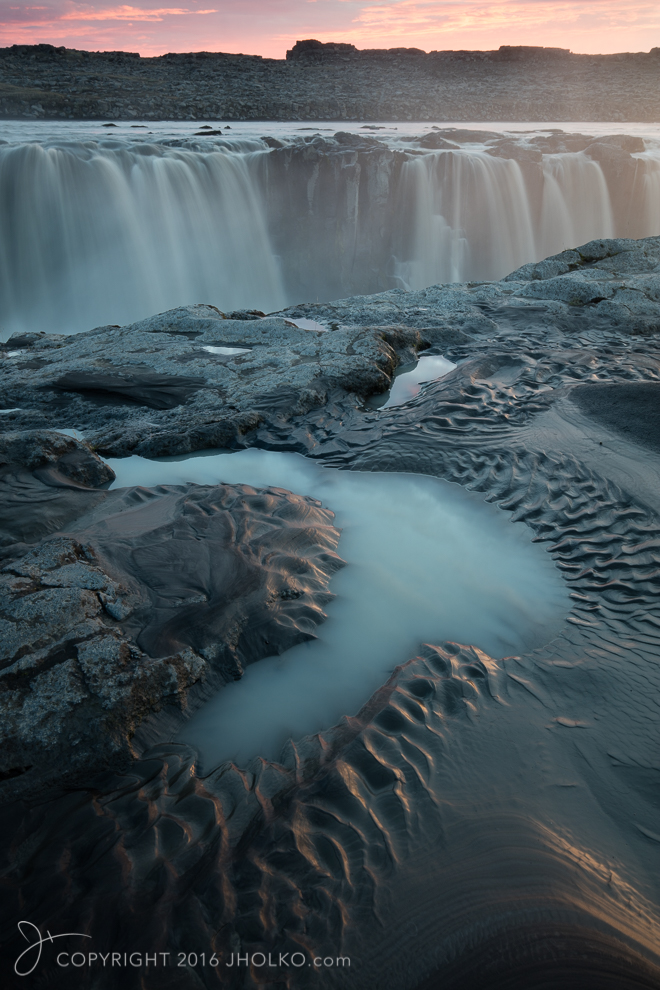
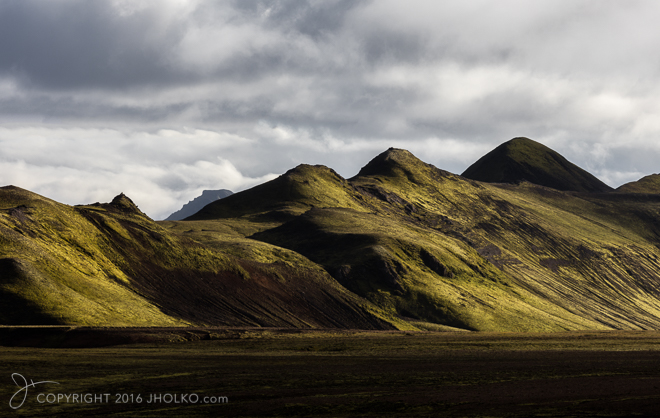
In August and September of 2016 Daniel Bergmann and I lead two back-to-back workshops into the spectacular Highlands of Iceland. The first of these two workshops focused on the Highlands and northern areas of Iceland and the second on the Highlands and Southern region. We chose late August and September for our workshops due to the large increase in tourism in recent times in Iceland during the summer period. In truth, tourism is actually out of control now in Iceland and you absolutely must get off the beaten track if you want to get solitude in the wilderness. Part of our planning was to spend a large portion of our time in the more remote areas of the highlands in order to make sure we were well away from the masses.  This proved most fruitful with spectacular landscape free from throngs of tourists._MG_6396-EditAs many of you know who follow my blog, the highlands are in my opinion the real jewel in the crown of Iceland. The area offers incredible photographic opportunities and is in comparison to the rest of the island rarely visited by tourists. The Highlands of Iceland actually cover most of the island’s interior. Inaccessible in winter, they rise 400–500 meters above sea level and are an untamed mingling of uninhabitable volcanic desert, jagged mountains, glaciers and hot springs. A few oasis like areas, such as Herðubreiðarlindir near Askja, are found only in proximity to rivers. From a first time photographers perspective the highlands can be a challenging location to work and photograph. Some walking and hiking is really required to get the best compositions and the area is subject to highly variable weather. All of this makes for really interesting photographs that in my opinion are far more evocative than the usual sort of cliché images from Iceland that seem to dominate social media today (more on this later).

We began our workshops with an early departure on the 14th of August and drove to our Hrauneyjar highland base, where we were located for three nights. From Hrauneyjar we explored the magnificent Fjallabak Nature Reserve, which included the Landmannalaugar area and other lesser known highland pearls, such as the Veidivotn region (one of my absolute favourite locations in Iceland). Exploring and photographing the highlands of Iceland from super jeep we were able to stop when we wished and take full advantage of weather and light as conditions permitted. It also meant we were able to take the most rugged and remote mountain passes and really explore the best of the highlands. The weather is highly variable in the highlands and we did experience everything from sunshine to pouring rain and fog during our stay in this area. Although this sort of weather can prove challenging, I personally find these conditions the most interesting to work and photograph in._MG_6397-EditOn August 17th we traveled across the Sprengisandur route that crosses the interior of the island and found our way to Lake Myvatn in the north, where we spent the next three nights. The Sprengisandur route took us right up the middle of the island through some of the most desolate lunar landscape to be found anywhere on earth. We photographed the waterfalls of the Skjalfandi river (Godafoss and Aldeyjarfoss), plus Dettifoss and Selfoss waterfalls in the Jokulsa river. We also explored the geothermal areas close to Myvatn. The geothermals of Myvatn continue to provide unlimited opportunities for photography and remain one of my favourite areas to visit and photograph in the north. This area is extremely dynamic and is in a constant state of flux. The landscape is alive with mud pits and fumoroles and steaming sulphur creates an otherworldly landscape. At sunrise and sunset we had the entire area to ourselves and some fabulous images were created.IcelandHighlands2016-6243Once we had concluded our stay at Myvatn we travelled west along the northern coast and overnighted near the Vatnsnes Peninsula. Hvitserkur sea stack was one of our main subjects at Vatnsnes, along with other coastal features. The following day we travelled to the Snaefellsnes Peninsula, where we spent the last two days of our trip. At Snaefellsnes we photographed the iconic Kirkjufell mountain and the spectacular coast at Arnarstapi and Hellnar, on the southern tip of the peninsula. We concluded our trip on the 23rd of August at Keflavik international airport.
IcelandHighlands2016-6168 Our second workshop commenced early in the morning on the 28th of August with a drive to the Kjolur highland route towards Kerlingarfjoll mountains, where stayed overnight in mountain cabins. Our main photographic objective was the incredible Hveradalir geothermal valleys, above our lodging. We photographed the area at both sunset and shortly after sunrise and some really unique images resulted from our time in this area. This was actually only the second time I had visited this area of Iceland and it did not fail to disappoint. The geothermals in this area are extremely active and the entire landscape is alive with sulphurous fumaroles and boiling mud pots. It would be easy to spend a week in this area just exploring and photographing the many features to be found. The area is (thankfully) not on most tourists radar and as such is usually frequented only by hikers and campers. _MG_6290-EditAfter our stay at Kerlingarfjoll we drove to the Hrauneyjar highland base, where we were located for three nights. From Hrauneyjar we again explored the magnificent Fjallabak Nature Reserve. The weather proved fickle during our time in this area and we again had a real mix of rain and sunshine. 

On September 1st we travelled across the highlands on our way south. It was a day of travel through some of the most incredible landscape in Iceland. We were blessed with some really dramatic cloud and light and some fabulous photography resulted from our journey through this remote part of Iceland._MG_6453-EditOnce out of the highlands we overnighted at the town of Hella before traveling further east along the coast to the Vatnajokull region, where we stayed at Gerdi for three nights. Once at Gerdi we were in the proximity of the Jokulsarlon glacial lagoon and the many outlet glaciers from the Vatnajokull ice cap. This was our grounds to explore for the coming days and we photographed at the black sand beach, the glacial lagoon, Stokksness as well as several other lesser known locations off the tourist radar. After our stay in the southeast we traveled back west and spent a night on the southern coast. On our departure day we headed off towards the Keflavik airport._MG_6697With tourism increasing exponentially in Iceland in recent times it was ideal timing for us to get up into the Highlands on both these workshops and find solitude and peace in the wilderness. Until tourism tapers off in Iceland I will be unlikely to run future landscape trips in the peak summer season (June, July and August) as it has just become far too crowded for serious photography at many of Iceland’s best known natural attractions. Instead, I will be focusing on more remote winter trips and more specialised workshops (such as the Puffin workshop next year) that take us into more remote wilderness locations, well away from the tourist crowds.

New Zealand South Island Masterclass 2017 Sold Out

I had been planning for some time to formally announce my New Zealand South Island Masterclass workshop for next year (2017) here on my blog; but realised yesterday the trip is actually already sold out. _MG_5661If you are interested in travelling to New Zealand and photographing in the spectacular South Island you can still register your interest to be put onto the wait list. Like the 2015, and 2016 workshops, the 2017 Masterclass workshop also includes extensive use of helicopters for accessing some of the most remote and spectacular country as well as aerial photography of the spectacular Southern Alps and glaciers. Full details of the workshop are available on my website as a PDF HERE.

NewZealand-1988I will be announcing dates soon for the 2018 New Zealand South Island Masterclass. If you would like to get the jump and be one of the first to be notified when dates are confirmed you can register your interest now by dropping me an email. No obligation at this point. You can read a trip report from the 2016 Masterclass HERE.

Polar Bears of Svalbard 2016 Expedition Report

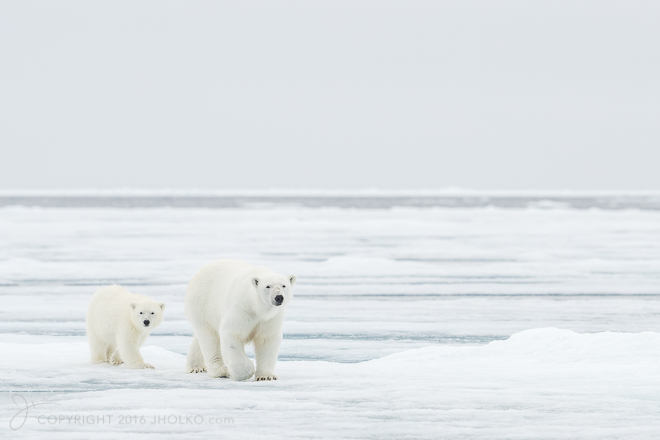
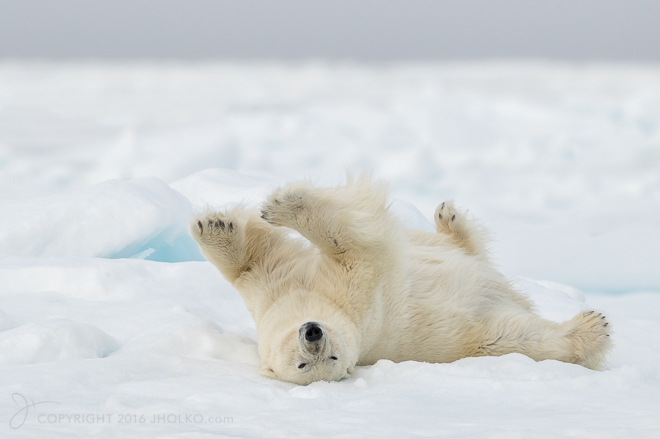
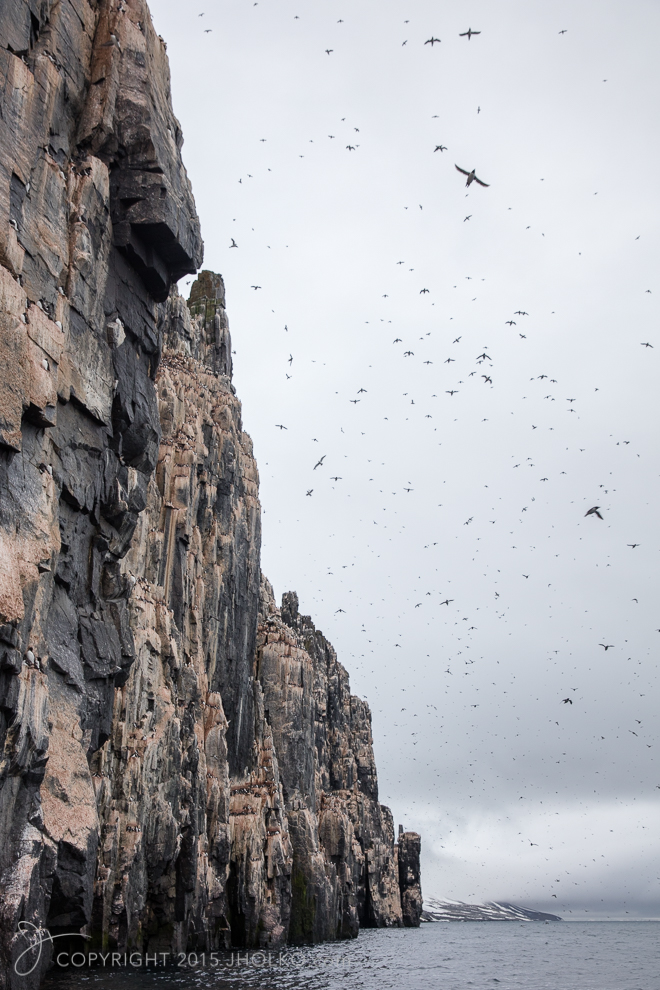
In late July 2016 I lead my annual Polar Bears of Svalbard photographic expedition to the edge of the permanent pack ice north of Svalbard to photograph Polar Bears living and hunting in their natural environment. During the expedition we also photographed incredible arctic landscapes as well as other wildlife of the Arctic region including Walrus, Arctic Fox, Whales, Seals and a plethora of sea birds including the rare Ivory Gull (the rare Ross’s Gull remains an elusive species for me in Svalbard). This expedition was for a small group of just twelve passionate photographers and utilised a small ice hardened ship that enabled us to sail north directly into the pack ice in search of the king of the Arctic.Svalbard2016-5959-EditImportantly, our ship had very low decks that were very close the waterline which enabled us to make photographs at eye level for more intimate images. The choice of ship for expeditions such as these is critical to the ability to put yourself in the best possible place to make powerful and emotive photographs. Large ships that are unable to penetrate the ice and with high decks  where you have to compete for space with other passengers are far from ideal and unsuited to photography expeditions. During the expedition we were fortunate to see and photograph an incredible twenty Polar Bears in the just the first three days! Two of these bears were also on recent seal kills. Seeing a Polar Bear on a seal kill is a very rare event and as luck would have it were able to photograph the kills and all aboard were able to capture some really fantastic photographs. What was even more special was the even rarer encounter we had with a mother and her 6 month old cub on the sea ice. This was truly a special moment with a very curious cub and a very calm mother we were able to approach very close in our zodiacs for some really superb photography. As one participant put it “It was two hours photography that was better than his previous six visits to Churchill National Park“Svalbard2016-24158This year we undertook a different route to my 2015 expedition and instead of heading south and circumnavigating Spitzbergen we headed directly north for the pack ice. This turned out to be the perfect decision with twenty polar bear encounters in the first three days in the ice. The Arctic pack ice is a vast area and just finding Polar Bears in this maze of ice can be quite the challenge. Encountering so many bears in such a short space of time was truly miraculous.Svalbard2016-5843-EditAfter three days in the ice we continued our northerly travels encountering light to moderate winds in the Hinlopen strait. In this area we explored and photographed the spectacular 200 mile+ long glacier face Bråsvellbreen and the plunging bird cliffs at Kapp Fanshawe. The sights and sounds of thousands of nesting birds against such a precipitous cliff is an awe inspiring sight. I have been fortunate to visit this area a number of times now and it never ceases to impress. Being surrounded by thousands of Arctic birds is a very special experience.  Svalbard2016-12283-EditWhen it was time to head south again we made several stops in the spectacular Kongsfjorden; where we photographed Arctic Fox and spectacular glacial fronts. We rose very early one morning for a wonderful session photographing Walrus in fantastic light. During the expedition we were also fortunate to see and photograph several rare Blue whales (unfortunately I did not get a good photograph). Blue whales are quite tricky to photograph as they rarely reveal to much of their body above the waterline. Nevertheless the experience of seeing this massive mammal is an experience that stays with you forever.Svalbard-0404At our furthest northerly most position we were just shy of 82º North – less than 500 Nautical Miles from the North Pole. In total we travelled a total distance of 1148 nautical miles (2126 kilometres). Our total wildlife count for the expedition was twenty Polar Bears, two Arctic Fox, four Humpback Whales, three Blue Whales, two Beluga Whales, one Minke Whale, More than twenty Walrus and eight Reindeer. On top of this we had many different species of Arctic Birds. This was a fabulous result that netted some amazing photographs from all aboard.

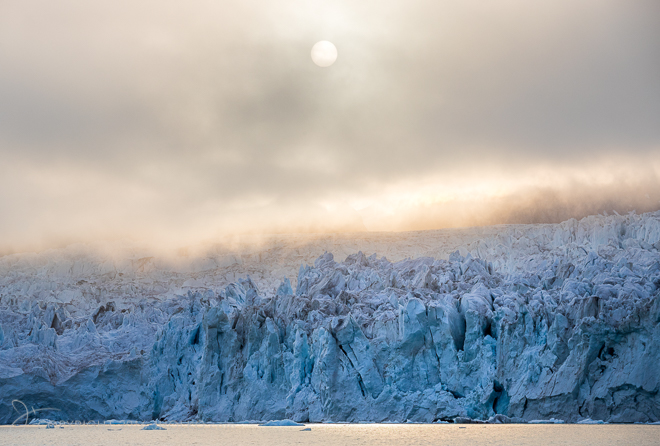
During the expedition we took advantage of great light at every opportunity and often worked at night when the light was soft and ethereal. One of the most fantastic things about photography in the Arctic is the 24 hours of daylight and the extensive opportunities this provides for image making at any time of the day or night. One of the best moments for me personally was capturing a fog as it burnt off across the top of one of the glacial fronts.Svalbard2016-28772-EditThe high Arctic remains one of the most spectacular locations I have ever visited and I look forward to returning again next year when I will lead another two expeditions to the pack ice north of Svalbard – Polar Bears of Svalbard and Winter in Svalbard (Winter is already Sold out). The summer expedition will depart on the 25th of July from Longyearbyen and is dedicated to the photography of Polar Bears living and hunting on the sea ice. If you would like more information about this expedition please drop me an email at info@jholko.com. Be sure to check out the video below to experience just what this expedition is really like. There are now only a few places remaining before the expedition will be sold out.KingdomoftheiceBear