I have just published episode 106 of my Wild Nature Photography Podcast. In this episode, I give my thoughts (a short short rant) on YouTube ‘Click Bait’ titles in relation to the as-yet-unreleased Canon EOS R1 camera. As of today, the 26th of October, 2024, there are no production Canon EOS R1 cameras in the hands of end users or YouTubers in Australia (according to my reliable source at Canon Australia). Production EOS R1 Cameras are still slated for mid-November delivery, and any EOS R1 cameras currently in the field in Australia are pre-production models. I also discuss a fascinating recent visit to a wildlife park here in Sweden called Nordens Ark that is doing work with Pallas cat research and preservation.
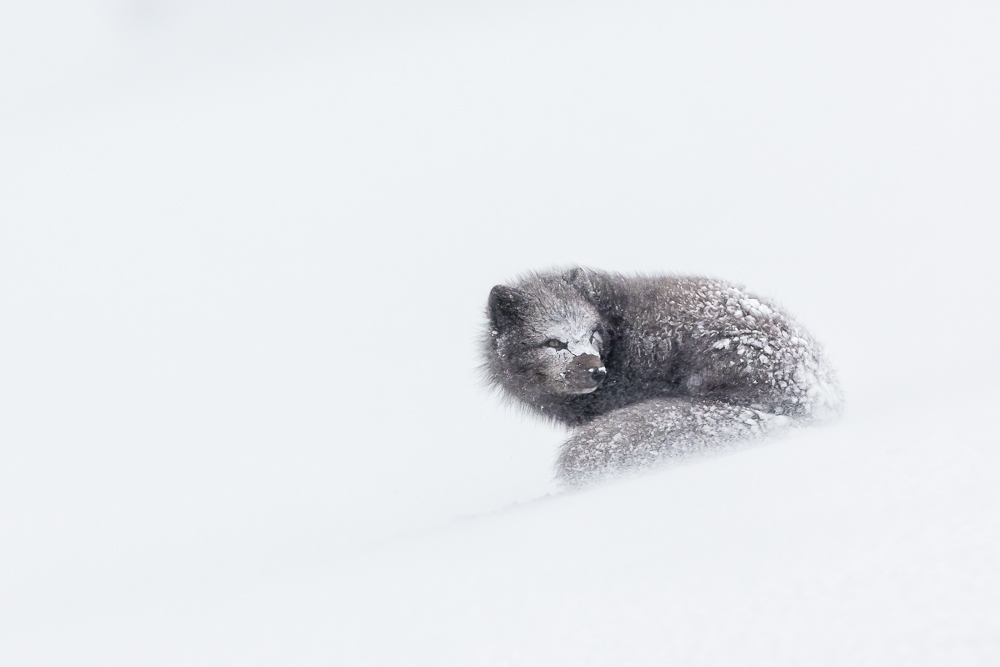
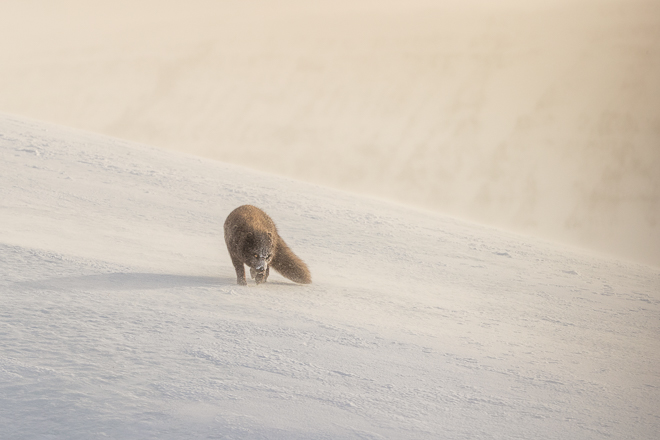
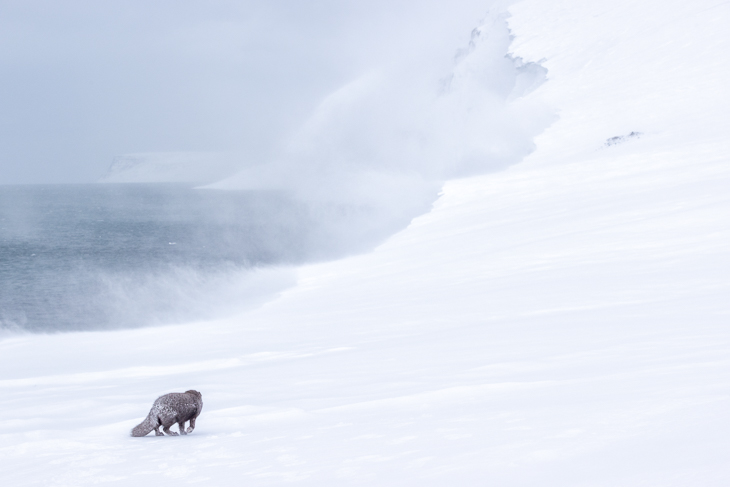
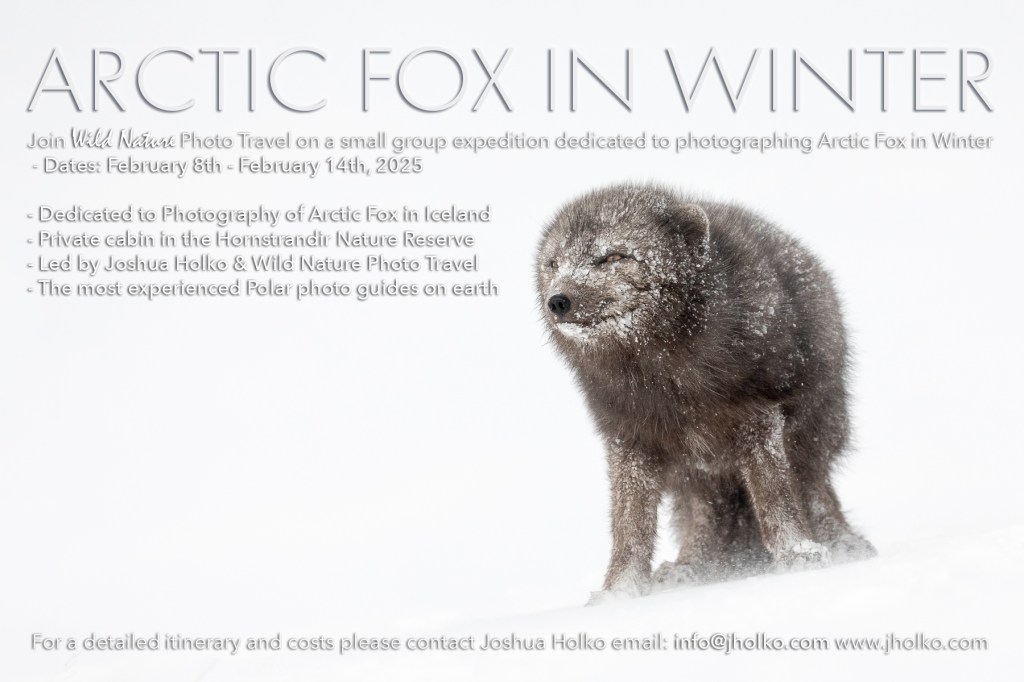
The Arctic fox, with its thick fur coat and keen survival instincts, is one of the most iconic animals of the polar regions. For photographers, it represents a unique challenge and an unparalleled reward. Over the years, I have spent countless hours tracking and photographing this elusive creature in northwestern Iceland. Photographing the Arctic fox’s beauty has been my mission, but also the stark and fragile environment it inhabits. Some years ago I did a book on the Arctic Fox that covered my time spent photographing these animals in Winter. I will soon be starting work on a subsequent book on this incredible feat of Nature’s engineering. In the meantime, I wanted to share some of my thoughts and ethos on photographing these animals as the Arctic Fox remains one of the least understand and most persecuted Arctic mammals.
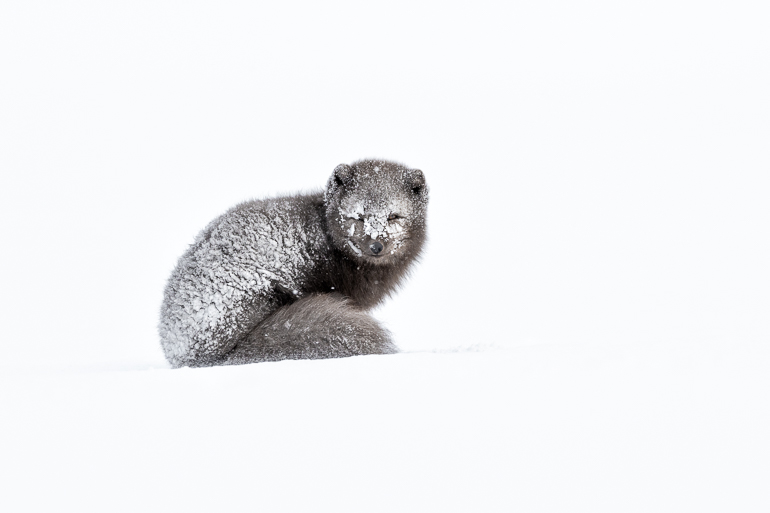
The Arctic fox is a true survivor of the extreme cold and desolate landscapes of the Arctic. Known for its striking seasonal changes—white (or brown) in the winter and blue/grey or grey in the summer—it blends into its environment, making it both a challenging and fascinating subject for photography. For me, the appeal of the Arctic fox lies not only in its visual charm but in its adaptability and resilience. Photographing Arctic foxes is about more than just snapping a picture of a rare Arctic animal—it’s about telling the story of an incredible species that thrive in some of the harshest conditions on Earth. Their playful, inquisitive nature, juxtaposed against the severe landscapes of ice and snow, creates opportunities for compelling visual storytelling.
One of the most significant challenges of Arctic fox photography is their elusive and cautious behaviour. These animals are small and nimble, often disappearing into the vast white landscape before a photographer can even reach for their camera. They are exceptionally fast, and their natural camouflage, especially in winter when their fur blends perfectly with the snow, makes spotting them difficult even in open tundra landscapes.
The importance of patience when photographing Arctic foxes cannot be underestimated. The best photographs are rarely the result of luck—they are the product of careful observation, waiting, and understanding of the animal’s behaviour. This means spending long hours in freezing temperatures, often in complete silence, waiting for the right moment when the fox reveals itself in the right light and setting. Patience is, after all, a key requirement in wildlife photography.
Despite the challenges, the experience is most definitely part of the adventure. “It’s not about rushing to get the shot,” instead, “it’s about immersing yourself in the environment and allowing nature to unfold in front of you.” Like many of the region’s inhabitants, the Arctic fox demands a photographer’s respect and humility.
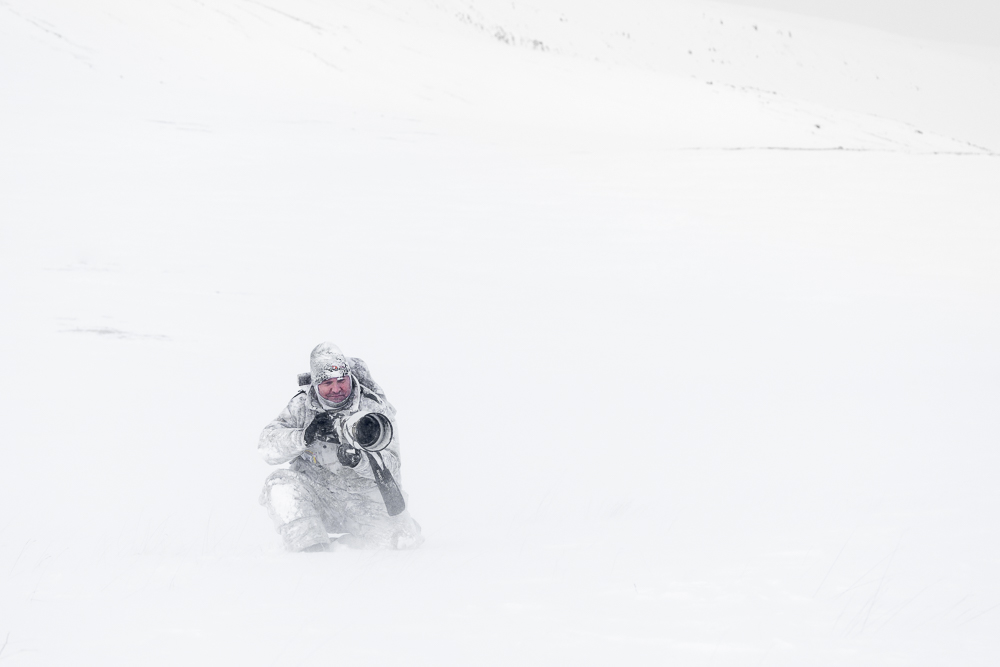
The Arctic fox’s home is a land of extreme cold in Winter, and being prepared is paramount. Inferior camera gear can struggle in freezing conditions, so I recommend using weather-sealed cameras and lenses, along with a solid tripod, to prevent camera shake in high winds or on uneven terrain like ice and snow. Batteries drain quickly in the cold, so he always carries spares, keeping them warm in inner pockets.
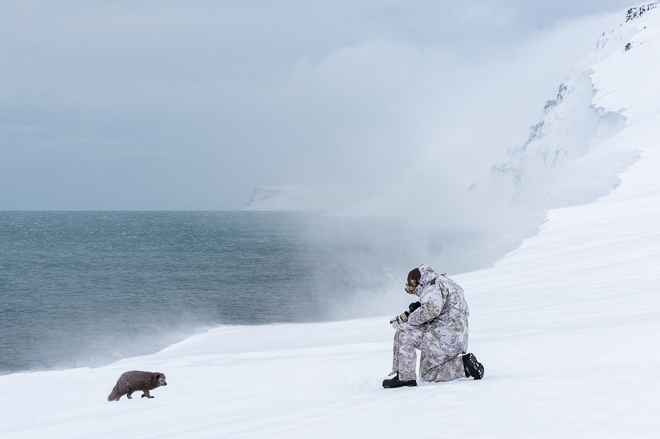
Another important consideration for Arctic fox photography is clothing. Always dress in layers, making sure to keep your core warm while ensuring you can remain mobile. Staying warm and comfortable is crucial because wildlife photography, especially in the Arctic, often involves long periods of stillness while waiting for the perfect shot. It is a good idea to avoid overburdening yourself with too much gear. “Stay nimble,”. The Arctic fox is quick and often unpredictable, so a heavy gear load can slow you down. Typically, I will use long telephoto lenses for wildlife photography, such as 400mm or 600mm, allowing me to capture the fox from a respectful distance without disturbing its natural behaviour. I also have a preference for the look of wildlife images with telephoto compression.
Success in Arctic fox photography stems from an understanding of the animal’s behaviour and habitat. Arctic foxes are scavengers, often following polar bears and other predators searching for leftover food. Anticipating their movements increases the chances of an encounter. The best moments to photograph Arctic foxes often happen when they are unaware of human presence. We need to avoid making loud noises or sudden movements that could scare the fox away. Instead, we observe from a distance, allowing the fox to go about its activities naturally. Whether it’s searching for food, playing with its mate, or navigating the snowy landscape, these moments are intimate glimpses into the life of this extraordinary animal. We are also mindful of the light and the environment in which we photograph Arctic foxes. The Arctic’s soft, diffused light—especially during the golden hours at sunrise and sunset—casts a magical glow over the landscape, enhancing the fox’s natural beauty. I prefer these times of day for their softer contrasts and ethereal feel, which help convey the serenity and isolation of the Arctic wilderness.
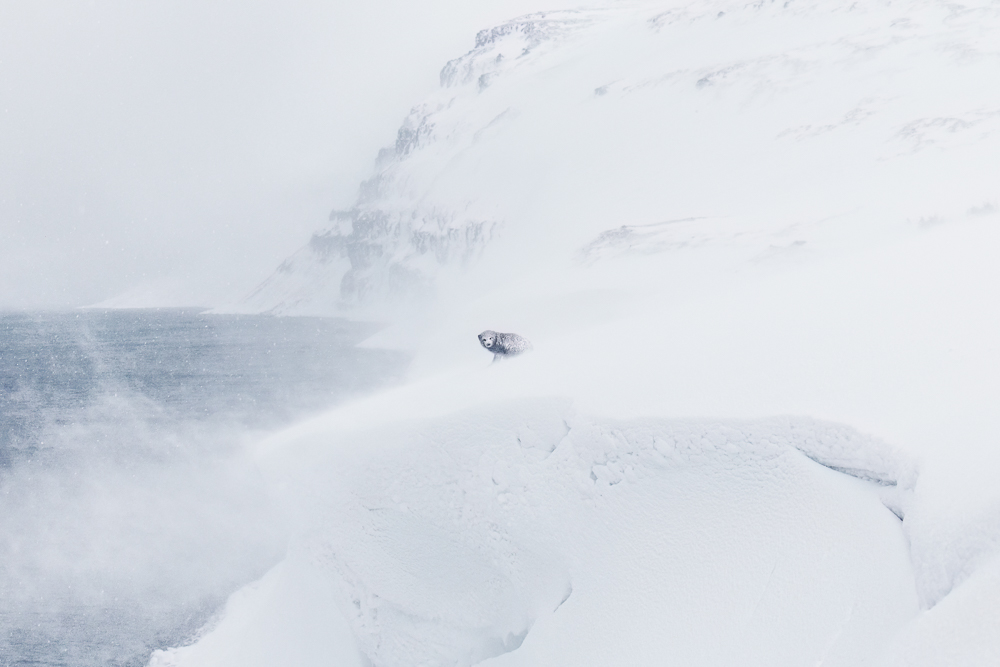
Photography is about more than just technical precision. It’s about capturing emotion and telling a story. In Arctic fox photography, this often means finding ways to highlight the animal’s fragility and resilience in an unforgiving environment. I love images portraying the fox as a solitary figure amidst vast, barren landscapes, reinforcing the isolation that defines much of the Arctic. By placing the fox in wide, empty frames, I can underscore its challenges as a small predator in a vast wilderness, subtly commenting on the environmental threats posed by climate change.
In some photographs, it’s possible to show the Arctic fox’s lighter side, offering a sense of hope and vitality even in such a stark environment. These contrasting moods—loneliness and playfulness, vulnerability and strength—are key elements in an effective storytelling approach to wildlife photography.
Photography in the Arctic is not just about creating stunning images; it’s also about raising awareness of the threats facing this fragile ecosystem. The Arctic fox, while adaptable, is increasingly vulnerable to climate change. As temperatures rise and sea ice retreats, their hunting grounds are shifting, and competition with other predators, like the red fox, is intensifying. It is my hope to inspire others to not only appreciate the beauty of the Arctic but also to take action to protect it. Our photographs serve as a powerful reminder of what’s at stake, offering a window into a world that is rapidly changing.
My own approach to Arctic fox photography, I believe, is defined by patience, preparation, and a deep respect for the natural world. My images capture the Arctic fox in its element, offering a rare glimpse into the life of one of the Arctic’s most enchanting creatures. Through the lens, the Arctic fox becomes more than just a subject; it becomes a symbol of the Arctic’s resilience and vulnerability, inviting viewers to connect with both the animal and its environment in profound ways.
For those inspired by my work, the challenge of photographing the Arctic fox is an invitation to step into one of the most extreme and beautiful landscapes on Earth, where patience and persistence are rewarded with images that evoke the timeless spirit of the frozen North.
In late September 2024, I ran a short 4-day photography workshop on the Snaefellsnes Peninsula on Iceland’s stunning southwest coast. This workshop was designed as an optional extension for participants from our Greenland East Coast Scoresby Sund Expedition (Read the Trip Report). It offered a more relaxed, leisurely pace, providing time to immerse ourselves in the unique geological beauty of the basalt coastline.
The Snaefellsnes Peninsula is often referred to as “Iceland in miniature” because it encapsulates many of the country’s varied landscapes—volcanic craters, jagged coastlines, waterfalls, and black sand beaches—all within a compact area. For photographers, it’s a treasure trove of textures, shapes, and dramatic contrasts, making it an ideal location for capturing grand vistas and intricate details. During our time on the peninsula, we visited several iconic coastal locations, including Arnastapi, Gatklettur, and Malarif, each offering something different for the keen photographer.
One of the key philosophies I encourage in these workshops is the importance of exploration by foot. The Snaefellsnes coastline is rugged and dramatic, with intricate basalt formations that beg to be photographed from multiple angles. Rather than just stopping at viewpoints or busy tourist spots, we took the time to walk along the shoreline with cameras ready, searching for compositions that capture the essence of the place. The basalt formations in this region offer endless opportunities for wide-angle photography and more intimate detail work. The sharp geometric lines of the basalt columns contrast beautifully with the often turbulent seas, creating the perfect scene for long-exposure photography. At the same time, the interplay of water against rock creates opportunities for capturing more abstract and fine art compositions.
• Arnastapi: Known for its dramatic cliffs and the famous basalt rock arch, Gatklettur, this location provided breathtaking seascapes and fascinating rock formations. It’s a photographer’s playground, with each step revealing new textures and compositions.
• Gatklettur: The natural arch is a centrepiece for any visit to this region, and we spent time here exploring the surrounding coastline, capturing the sweeping views and focusing on the arch as the subject in long exposures.
• Malarif: Located near the iconic lighthouse of the same name, Malarif offers expansive views of the coastline and was one of the highlights of our explorations. Here, the waves crashing against the basalt cliffs created perfect conditions for dynamic coastal photography.
We parked at various locations around the peninsula and then explored the surrounding areas on foot, both early in the morning and late in the afternoon. We photographed during the “golden hour” and stayed on location well into the sunset, capturing the changing light as it played off the landscape.
Iceland’s weather is notoriously unpredictable, and the initial forecast for the workshop was not promising—heavy rain and overcast skies were expected. However, the Icelandic gods smiled upon us, and we were instead treated to several days of ideal photographic conditions. Overcast skies created soft, diffused lighting, perfect for landscape photography. This gentle light minimized harsh contrasts and allowed us to capture the fine details in the basalt rock and surrounding landscapes.
One of the unexpected highlights of the trip was our visit to the Hraunfossar waterfalls, a series of waterfalls that cascade out of a lava field into the Hvítá River. To our delight, we arrived just as the autumn colours were at their peak. The contrast between the vibrant reds, oranges, and yellows of the foliage against the cool blues of the water and the dark lava rock was spectacular, creating scenes that were a photographer’s dream.
The Hraunfossar waterfalls are easily accessible by a nearby walking path, which allowed us to explore different vantage points and compositions without rushing. This location was a wonderful opportunity to slow down and appreciate the subtle beauty of the Icelandic landscape in autumn.
As our four days ended, we returned to Keflavik, where we concluded the workshop with outbound flights. It was a short but highly productive trip, filled with the moments that make Iceland a true haven for photographers. Each day offered something unique and memorable, from the striking basalt coastline to the vibrant fall colours. This workshop was about capturing beautiful images and fostering a deeper connection with the landscape. Walking the coastline, breathing in the crisp autumn air, and experiencing Iceland’s natural wonders up close was as rewarding as the photographs we took home.
For those looking to explore Iceland in the future, the Snaefellsnes Peninsula offers an unparalleled combination of beauty, variety, and solitude, even in well-known spots. With the right approach—tripod and camera in hand, ready to explore—you’ll find endless opportunities to create photographs that tell the story of this incredible part of the world. We will likely be offering a further Iceland landscape workshop in the future. Please contact us to register your interest.
Over the last month, users have been giving me some fabulous feedback on the Canon EOS R5 MK2 Noise Reduction Presets I created. These presets have been highly optimised, and a lot of painstaking work went into their creation to ensure the best possible result. You can read about how they were created HERE. I really appreciate the feedback – thank you. Pre-sets are still being requested for the original EOS R5 camera and I do plan to make a set of these later this year (likely December). The EOS R5MK2 pre-sets are available now for just $20 USD. Pre-sets are also available for the Canon EOS R3 and EOS 1DX MK3 over at Melrakki Publishing. I will be creating a set of optimised pre-sets for the new Canon EOS R1 as soon as I get my hands on the camera (expected late November).









 www.WILDNATUREPHOTOTRAVEL.com