
Since 2019, I have been travelling to Eastern Mongolia to photograph the little-known Pallas Cat. I was the very first photographer to subsequently guide a workshop to this region in Winter to find and photograph this elusive wildcat. Since then, many others have emulated my efforts and travelled to this region to photograph this beautiful cat (both in Summer and Winter). Some have travelled solo, while other industry colleagues have guided their own trips based on my research and local contacts. I have always preferred to look forward and innovate, and let others who wish choose to follow. Nearly seven years on from my first trip to photograph this wonderful cat, I still feel the same way about its wild nature and incredible ability to survive and thrive in the harsh winter of Eastern Mongolia. Every trip to Mongolia has proved not just a photographic adventure, but a growth opportunity to learn more about the Pallas cat.
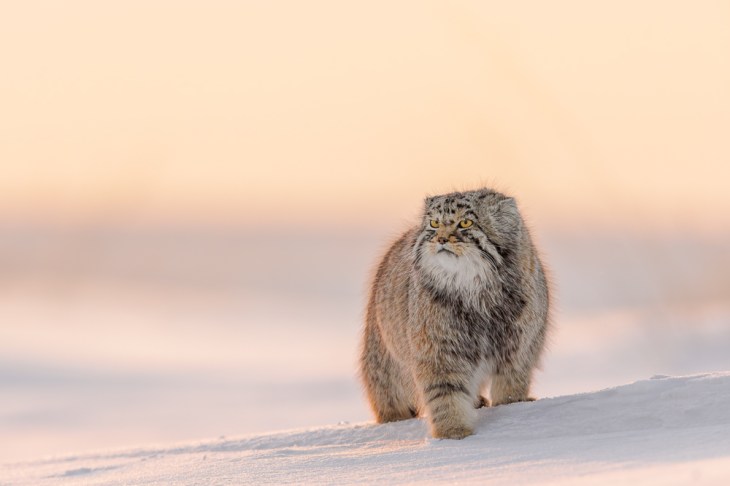
Next January 2027, I am returning to the Steppe region of Mongolia to guide a small group of photographers to photograph the Pallas Cat. This experience is best undertaken in small groups, so I will be taking just five photographers with me. Several places are already spoken for, and only two remain. If you are considering a trip to Mongolia to photograph this wonderful cat, be sure to check on the maximum group size, as it makes a big difference to the overall experience and opportunities.
Photographing the Pallas’s cat in winter is not just about capturing an image of one of the world’s most elusive wild cats; it is about immersing yourself in the harsh, minimalist landscape of the Steppe region of Mongolia, where patience, fieldcraft, and creative discipline converge. For any serious wildlife photographer, it is an experience that offers an opportunity to refine both your technical ability and your emotional connection to the wild. Your first Pallas cat sighting is an experience that stays with you for life.
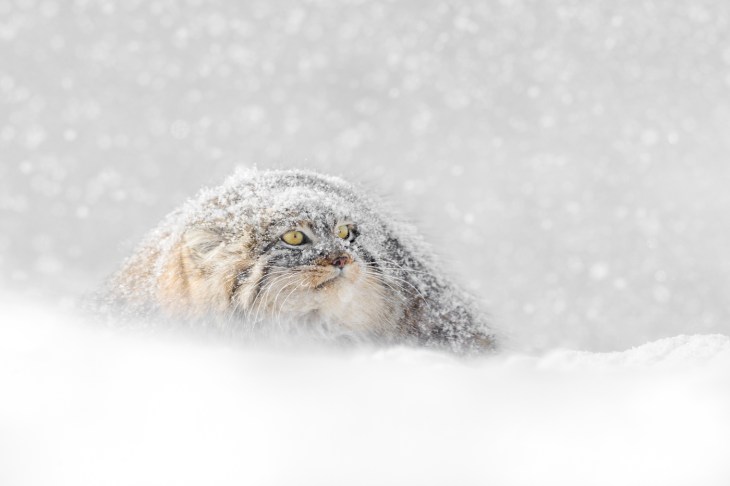
The Pallas’s cat, often called the “ghost of the steppe”, is an animal that seems carved from the very rock and snow it inhabits. In winter, its dense coat thickens into an extraordinary halo of fur, giving it that unmistakable, almost mythical and even somewhat comical presence. Frost gathers on its whiskers, and its warm breath hangs in the air. Photographic frames become a study in subtle tonalities of white, greys, and muted browns. The challenge of separating subject from environment becomes a masterclass in composition. This species does not tolerate carelessness on the photographer’s part.
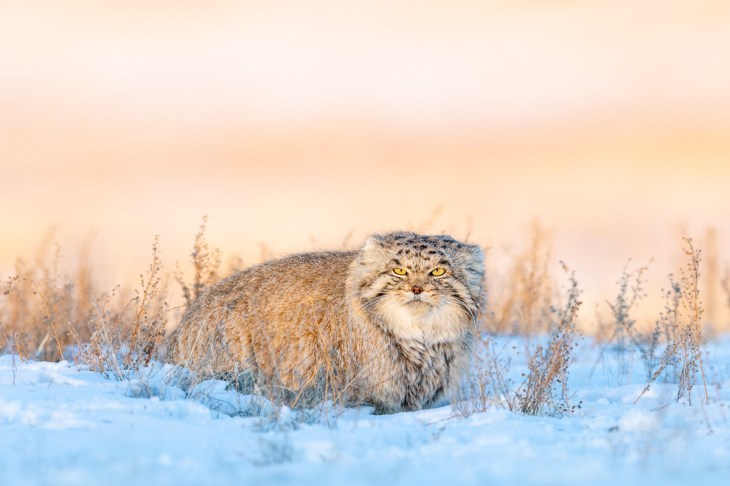
These workshops are intentionally small, creating an environment where individual attention and collaborative learning can thrive. In remote winter environments, this matters. There is space to ask questions, to review images thoughtfully, to refine technique in real time. The experience becomes less about ticking a species off a list and more about crafting meaningful images that stand the test of time. Every sighting becomes a shared moment of quiet intensity, reinforcing the idea that wildlife photography is as much about observation as it is about pressing the shutter.
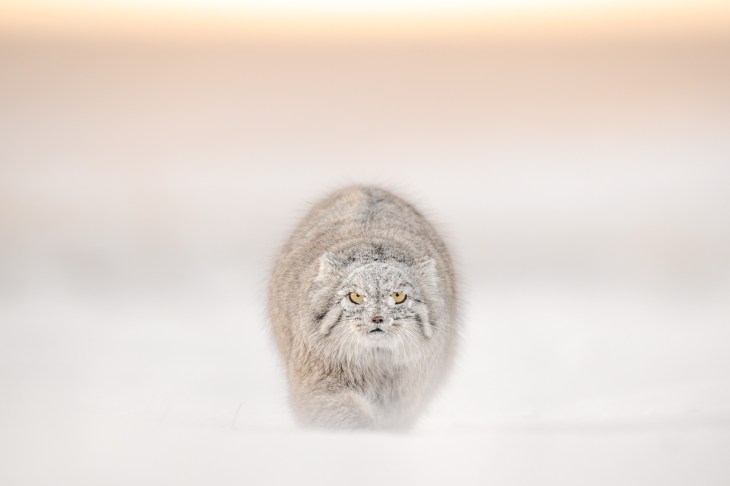
The camaraderie formed in such conditions should not be underestimated either. Small groups working together in remote winter landscapes create a bond rooted in shared anticipation and respect. There is a quiet understanding among participants that what you are attempting is special. Even silence becomes meaningful — the collective stillness as everyone waits for the cat to reappear from behind a ridge. These shared experiences often become as memorable as the photographs themselves.
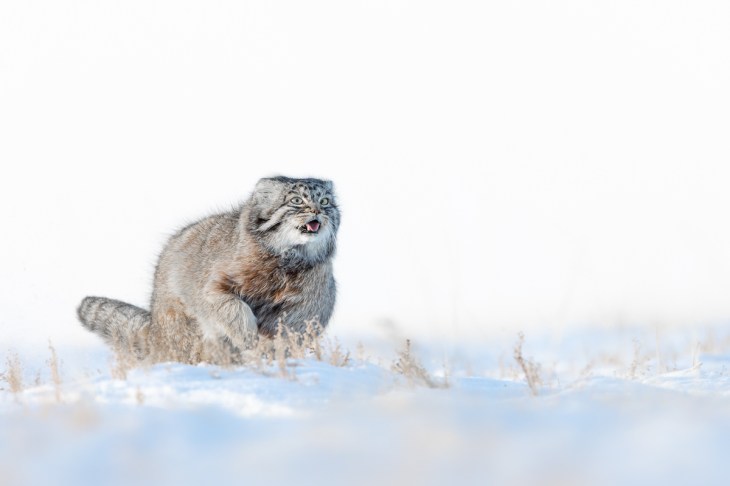
The images you return home with will undoubtedly be powerful — the frosted fur, the piercing gaze, the minimalist winter compositions. But more importantly, you will return with a deeper understanding of fieldcraft, a renewed respect for wildlife, and a heightened sensitivity to light and landscape. In a world where wildlife photography can sometimes feel crowded and predictable, the winter Pallas’s cat offers something rare: authenticity.
And authenticity, in the end, is what separates a good photograph from a lasting one.
Author: Joshua Holko


One thought on “Pallas Cat of Eastern Mongolia Workshop Primer January 2027”