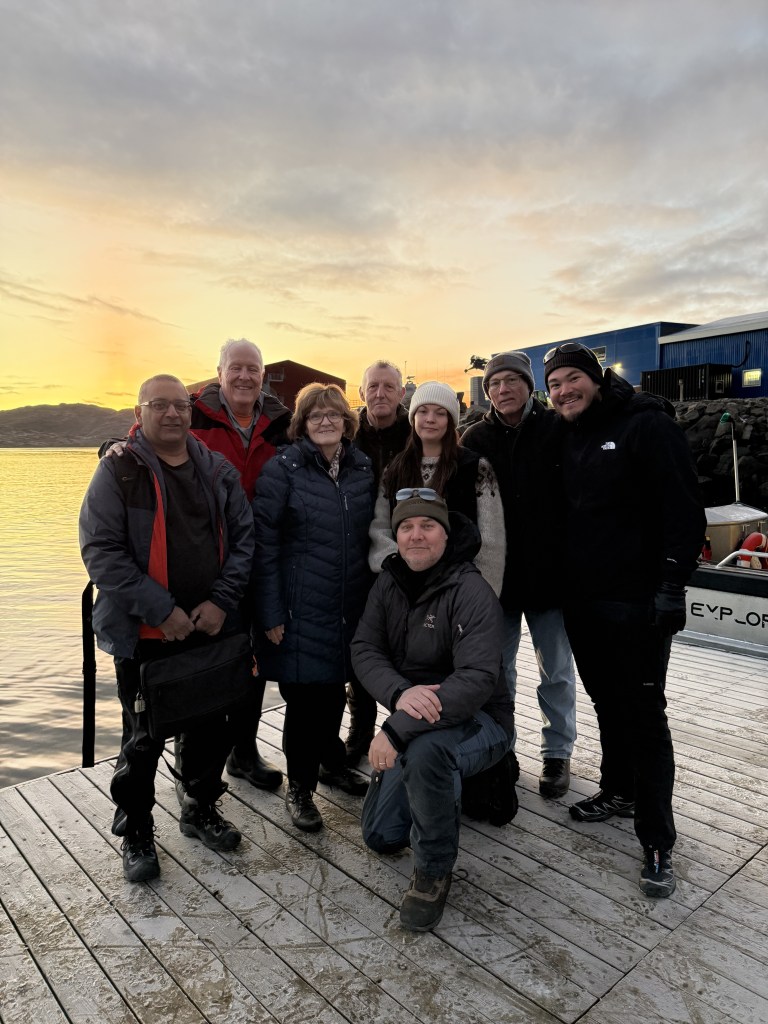
In October 2022, I ran a specialised workshop to South Eastern Greenland to photograph the incredible landscapes, icebergs and whales found in this remote region of Greenland. East Greenland is one of those places in the Arctic where you can look out across the landscape and feel as though you have stepped completely outside the modern world. It is very much an otherworldly landscape that is as inspiring as it is evocative.
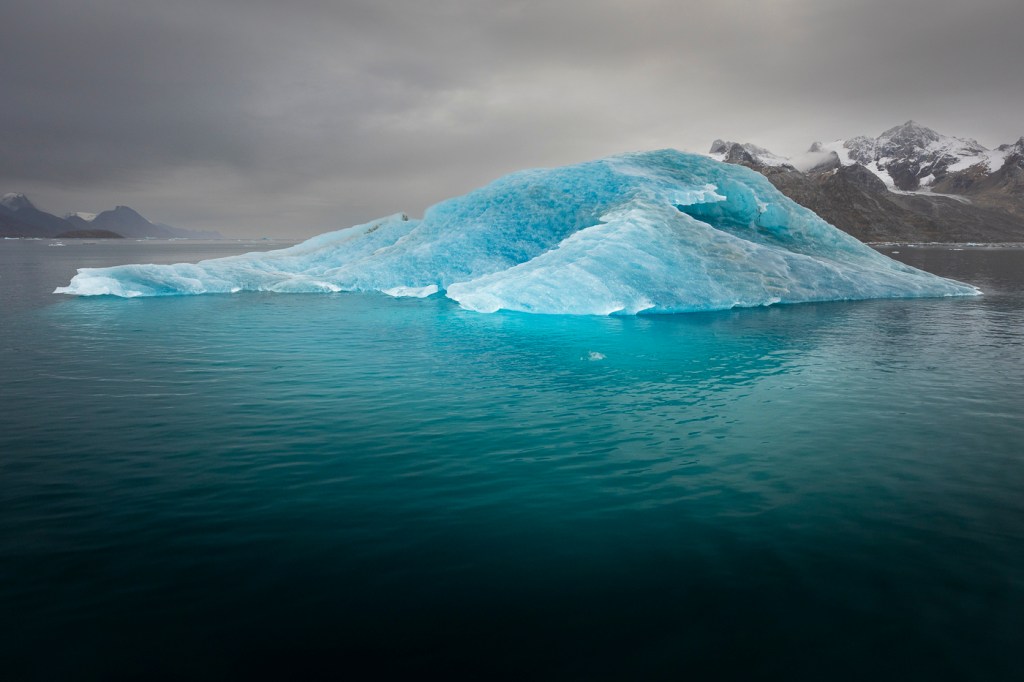
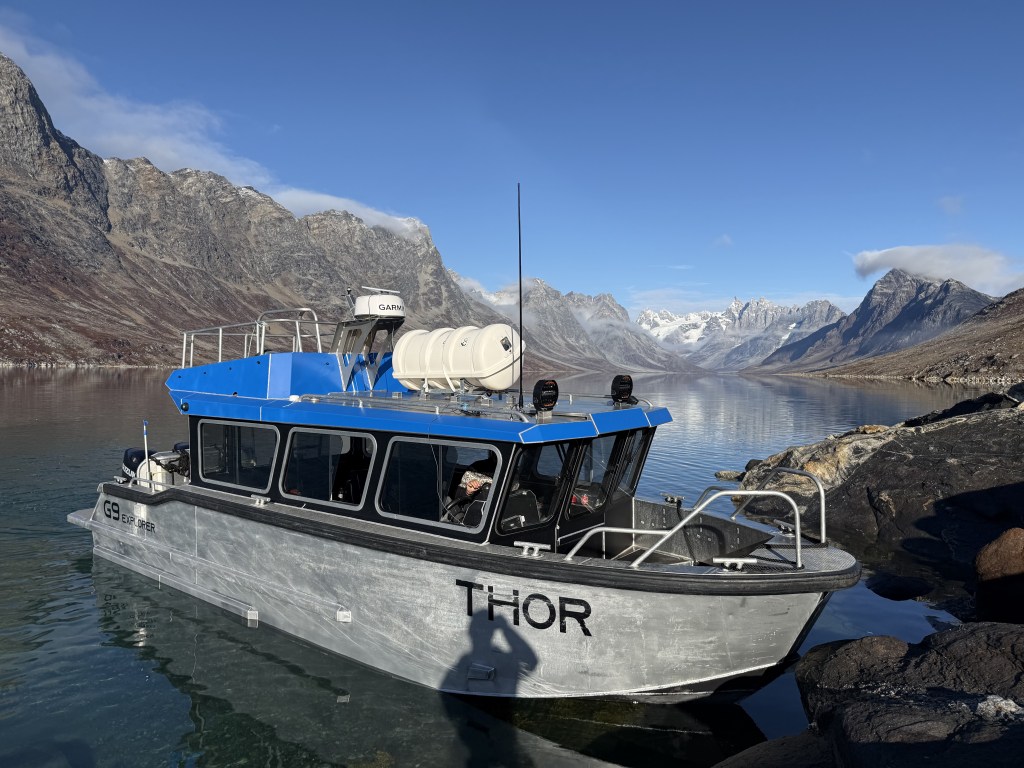
From 30 September to 9 October, we based ourselves in Tasiilaq, on Greenland’s remote east coast, using the small town as our base for a series of daily boat excursions deep into the surrounding fjords and coastline. Each morning we headed out by boat, leaving Tasiilaq behind and entering a landscape of immense mountains, narrow fjords, drifting sea ice and enormous icebergs. In this part of Greenland, the remoteness is matched only by its beauty. Every day offered something different, and that unpredictability was one of the great photographic rewards of the trip. East Greenland rewards an open mind and a willingness to embrace what is offered. Icebergs were always on the wish list, but oftentimes it’s whales that were served up, making for some engaging and enthralling wildlife photography.
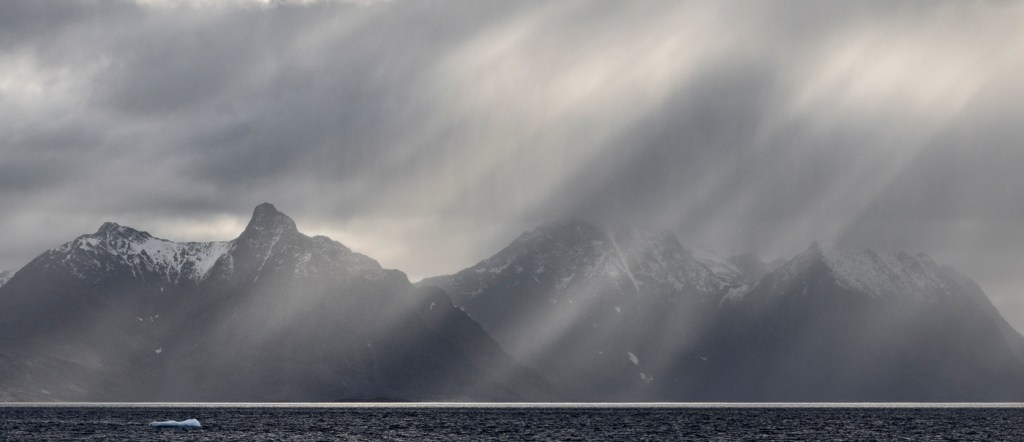
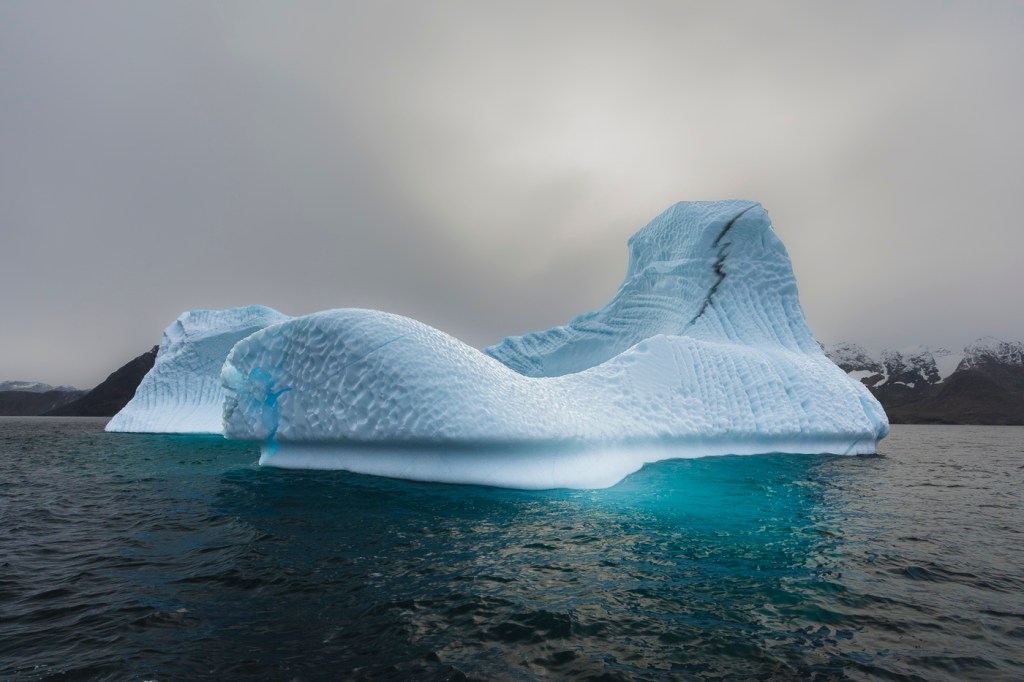
East Greenland is an extraordinarily visual place and is a landscape made for photography. The mountains rise dramatically from the sea, their steep slopes and rugged faces disappearing into cloud and autumn light. Icebergs of every imaginable shape and scale drift through the fjords — some brilliant white, others deeply blue, and many sculpted into extraordinary forms by wind, waves and time. For a photographer, the challenge is not finding something to photograph. It is deciding what not to photograph.
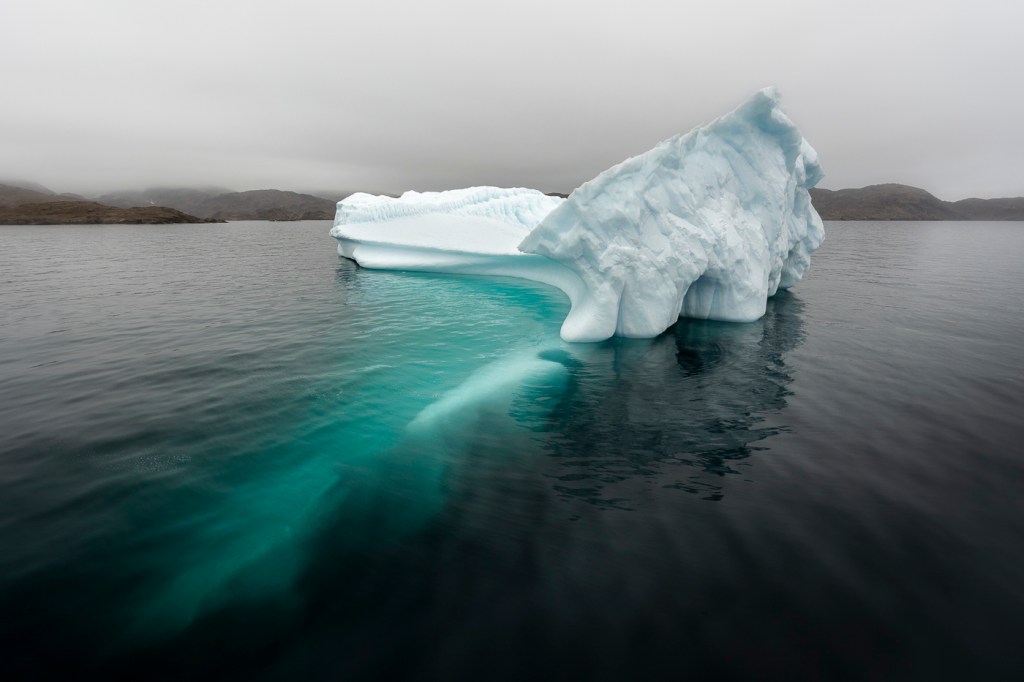
We spent long periods working with the ice and landscape, looking for the relationships between the enormous scale of the mountains and the much smaller, intricate forms of the ice. Changing weather constantly transformed the scenes in front of us. One moment we could be surrounded by brilliant Arctic light; the next, cloud, fog and mist would roll across the mountains, completely changing the mood. The low autumn sun was particularly beautiful, producing long shadows and warm light across an otherwise cold landscape. There was often a wonderful tension between the warmth of the light and the starkness of the environment.
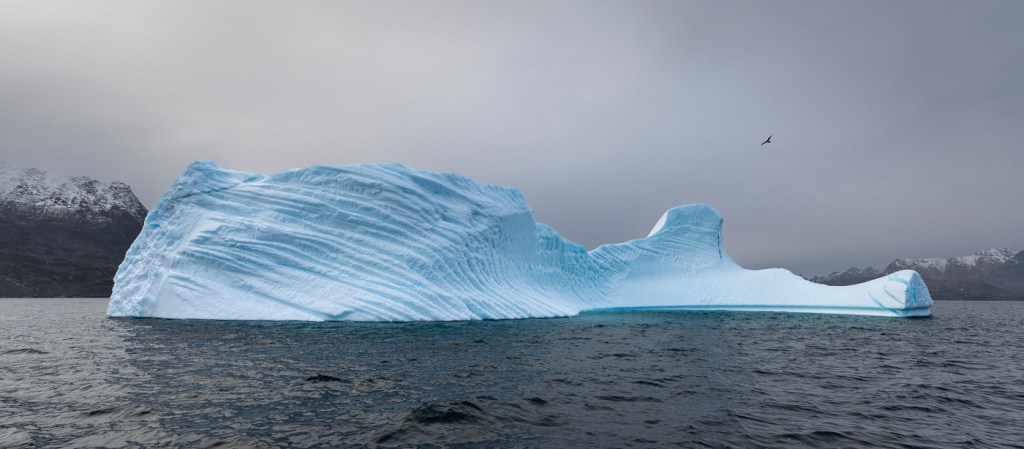
And then there were the moments when everything simply came together — an enormous iceberg positioned perfectly against a mountain, a shaft of light breaking through the cloud, or a whale breaking the surface of the fjords waters. These are the moments that make travelling this far north worthwhile.
We enjoyed excellent encounters with both humpback whales and fin whales, while travelling through the fjords by boat. Seeing these enormous animals in such a vast and untouched environment is an extraordinary experience. There is something particularly powerful about photographing a whale in East Greenland. It is not simply the animal itself. It is the entire scene — the whale surfacing in dark Arctic water, immense mountains rising behind it and icebergs drifting through the background. The scale of the landscape makes the whales appear surprisingly small, despite their enormous size. For photography, this also meant being prepared for the unexpected. The boat could be moving through beautiful landscape one moment, and then suddenly a whale would surface nearby. Cameras needed to be ready, compositions anticipated and decisions made quickly. Those unscripted encounters are often some of the most rewarding photographs of an expedition. Just as an aside, I was extremely impressed at the medium-format Fuji’s capability to focus on wildlife and whales during this workshop.
One of the most memorable aspects of the journey was the opportunity to visit several small and extremely remote Inuit communities scattered along the coast. Some of these villages have populations of only around 200 people. Arriving by boat, with the mountains rising immediately behind the settlement and virtually no sign of the outside world, gave us a genuine sense of just how isolated and remote these communities are.
These were not simply photographic stops. They provided an opportunity to see another side of Greenland — a way of life shaped by the sea, ice, weather and extraordinary geographical isolation. The contrast between the dramatic wilderness surrounding these settlements and the everyday life within them was fascinating to photograph.
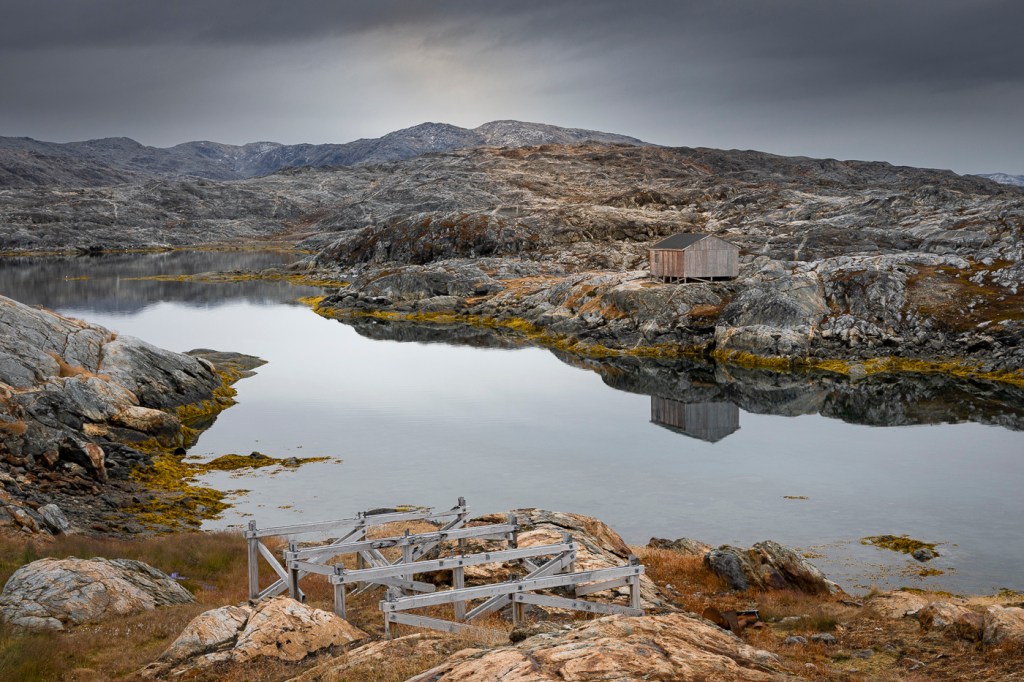
We also visited an abandoned Greenlandic village, a particularly evocative experience. Empty buildings and remnants of a former community remain against a backdrop of mountains, water and wilderness. Nature is gradually reclaiming the settlement, and the combination of human history and the immense Arctic landscape created some incredibly atmospheric photographic opportunities.
Another highlight was visiting an abandoned United States World War II base. Hidden away in this remote part of Greenland, the site contains a remarkable collection of abandoned and rusting relics from the American presence during the war. Rusting machinery, oil barrels, structures and remnants of the former base remain scattered across the landscape. Against the stark Greenlandic environment, these objects have taken on an almost sculptural quality. For photographers, it was an extraordinary location — a collision between history and wilderness. If rusty-bits are your thing, this is a must-visit destination.
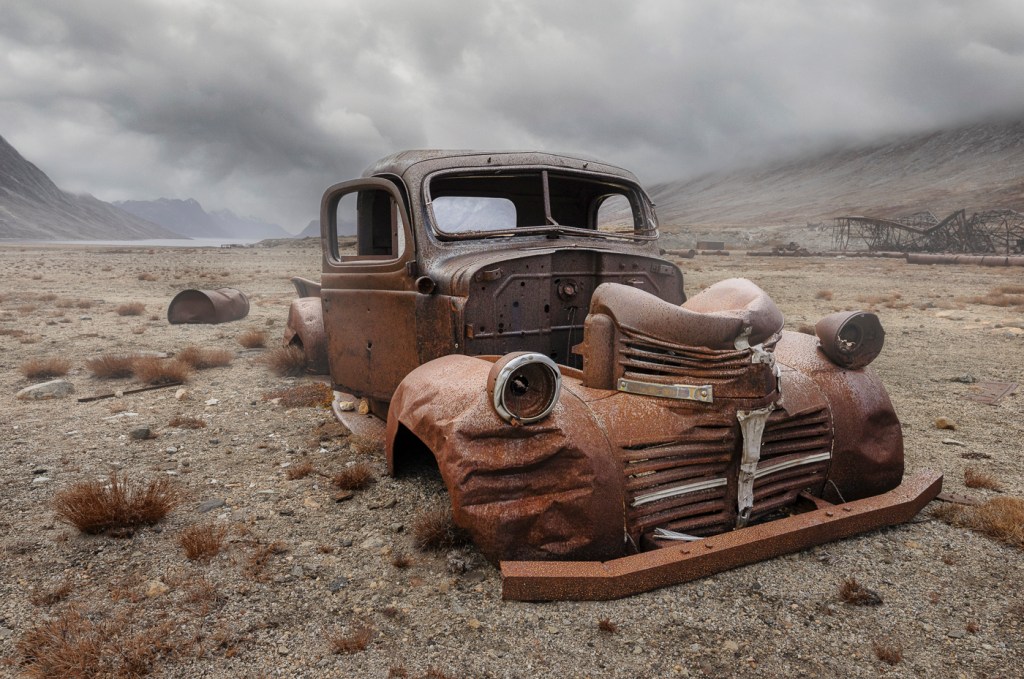
The rust, peeling surfaces and weathered metal provided a completely different photographic palette from the ice and mountains we had been working with elsewhere. At the same time, the surrounding landscape constantly reminded us just how remote this place was. Standing amongst these remnants, it was difficult not to wonder about the people who had once lived and worked here, and what it must have been like to establish a military base in such an isolated corner of the world.
Perhaps the greatest takeaway from this expedition was simply the feeling of being somewhere genuinely remote. East Greenland is not a destination where you can simply drive to the next location or follow a well-worn tourist trail. Much of our exploration was done from the water, navigating through fjords and along a coastline where mountains, ice and ocean dominate the landscape. The silence and sense of space one experiences in this region is extraordinary.
Away from Tasiilaq and the small settlements, there was very little to remind us of the modern world. Just mountains, ocean, ice and wildlife. That sense of isolation is becoming increasingly difficult to find, and it is one of the things that makes East Greenland so special. Below are the maps of our daily expeditions.
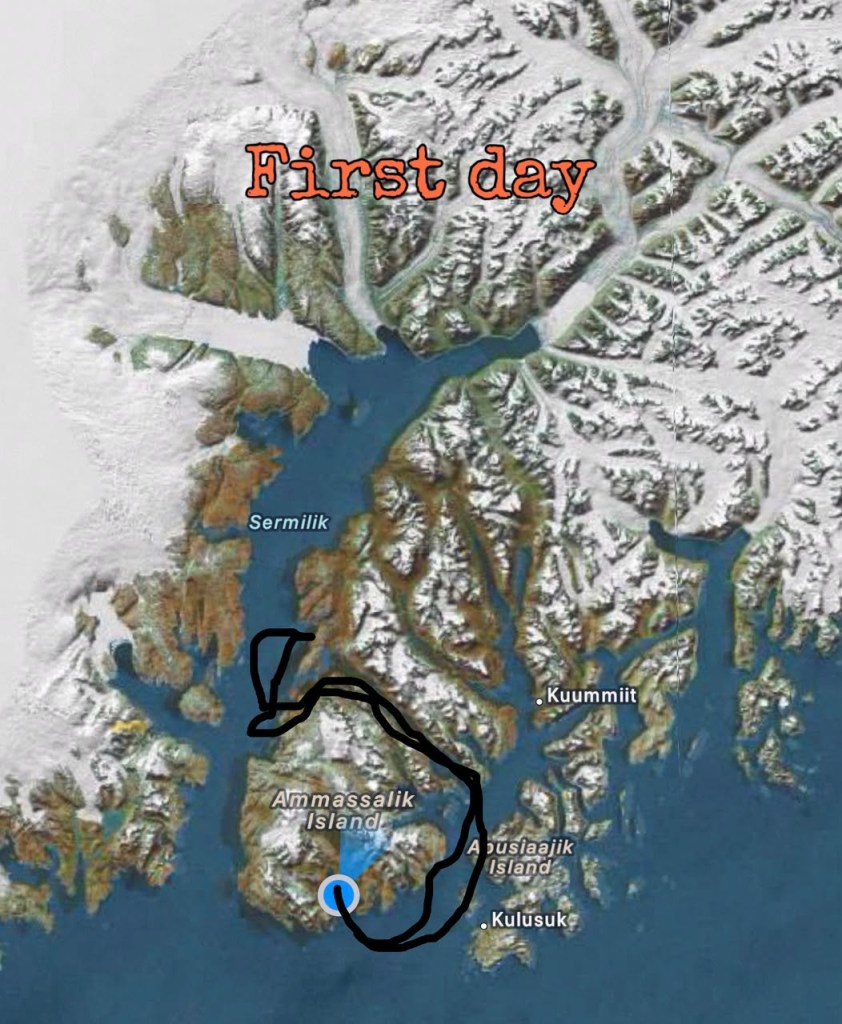
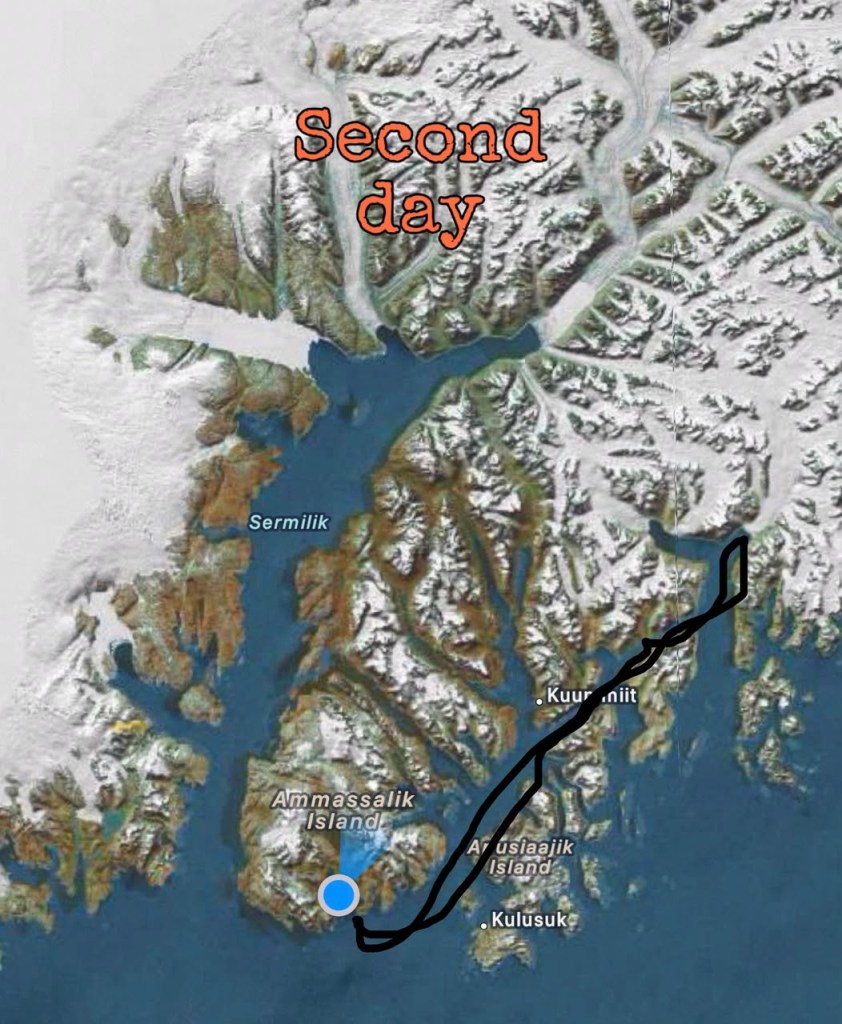
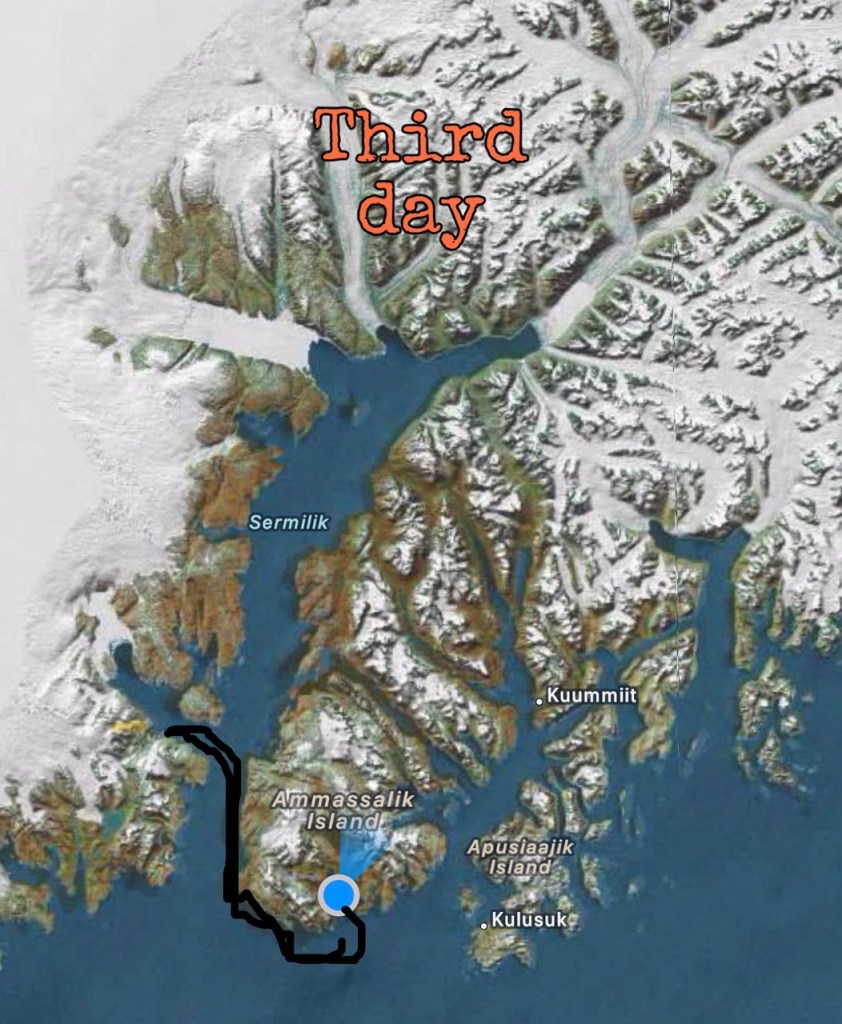
Our time in East Greenland was ultimately about much more than spectacular scenery. It was about photographing a landscape that still feels wild, encountering whales in one of the world’s great Arctic wildernesses, visiting tiny Inuit communities, exploring abandoned settlements and discovering the remnants of a much more recent human history. And, of course, it was about a shared passion for photography.
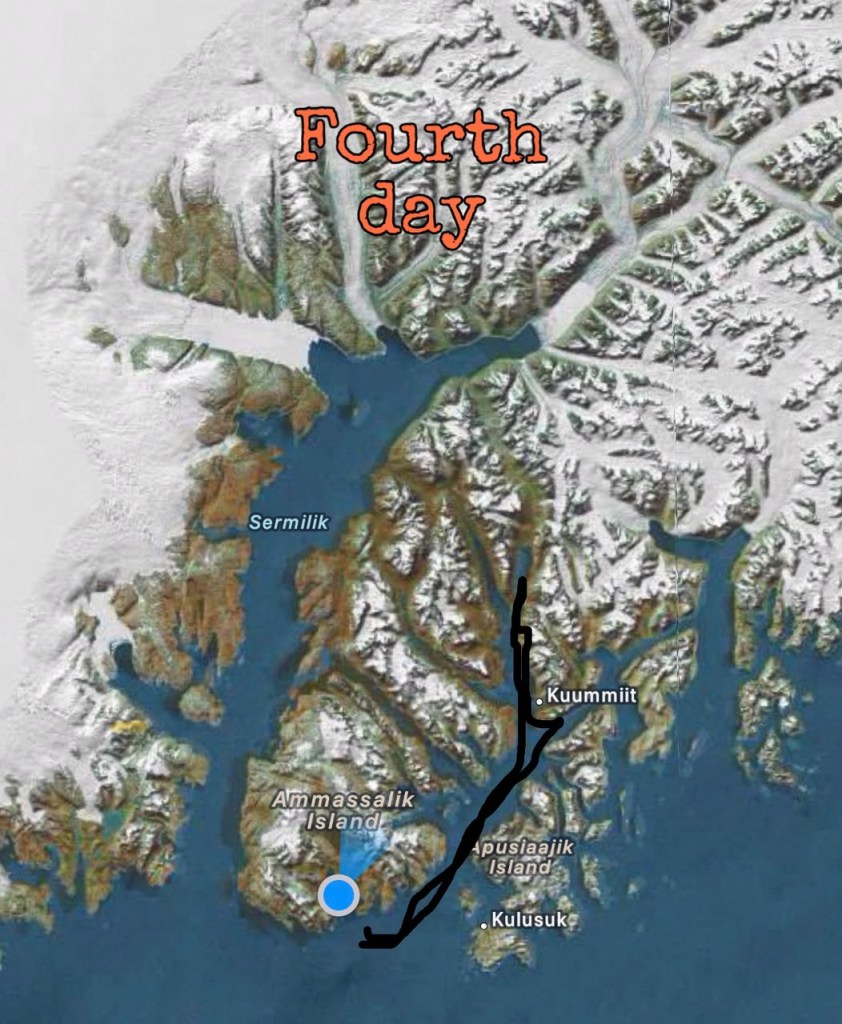
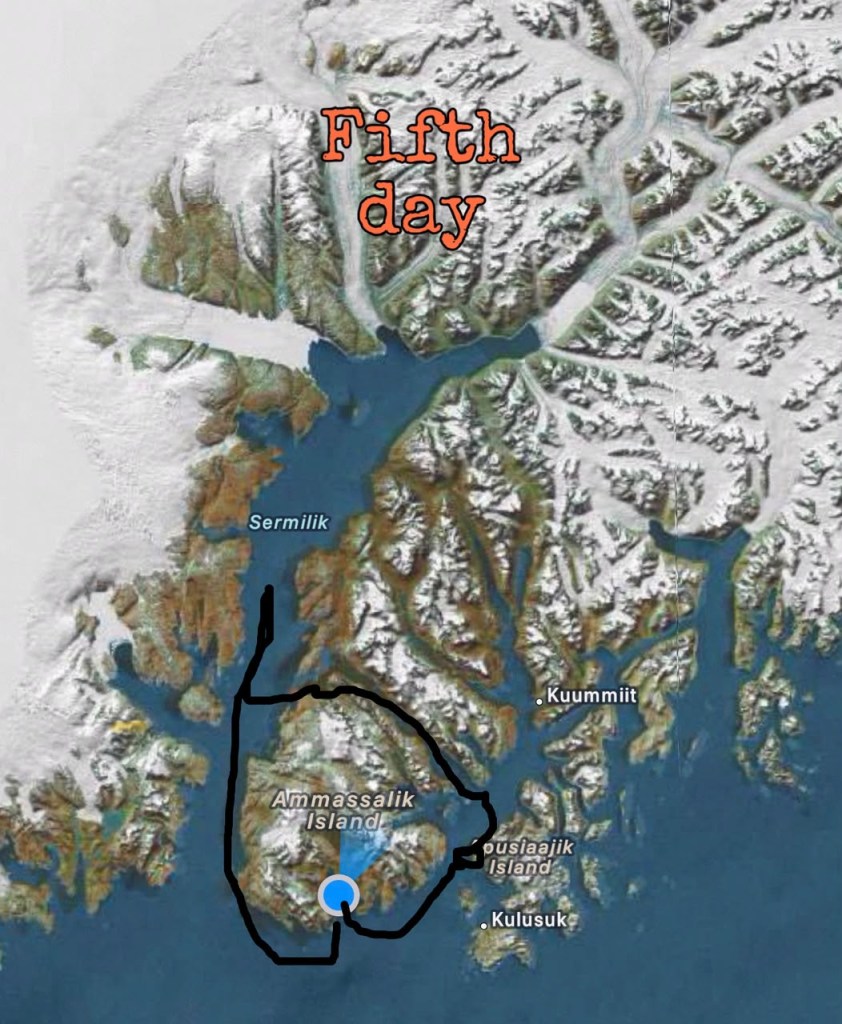
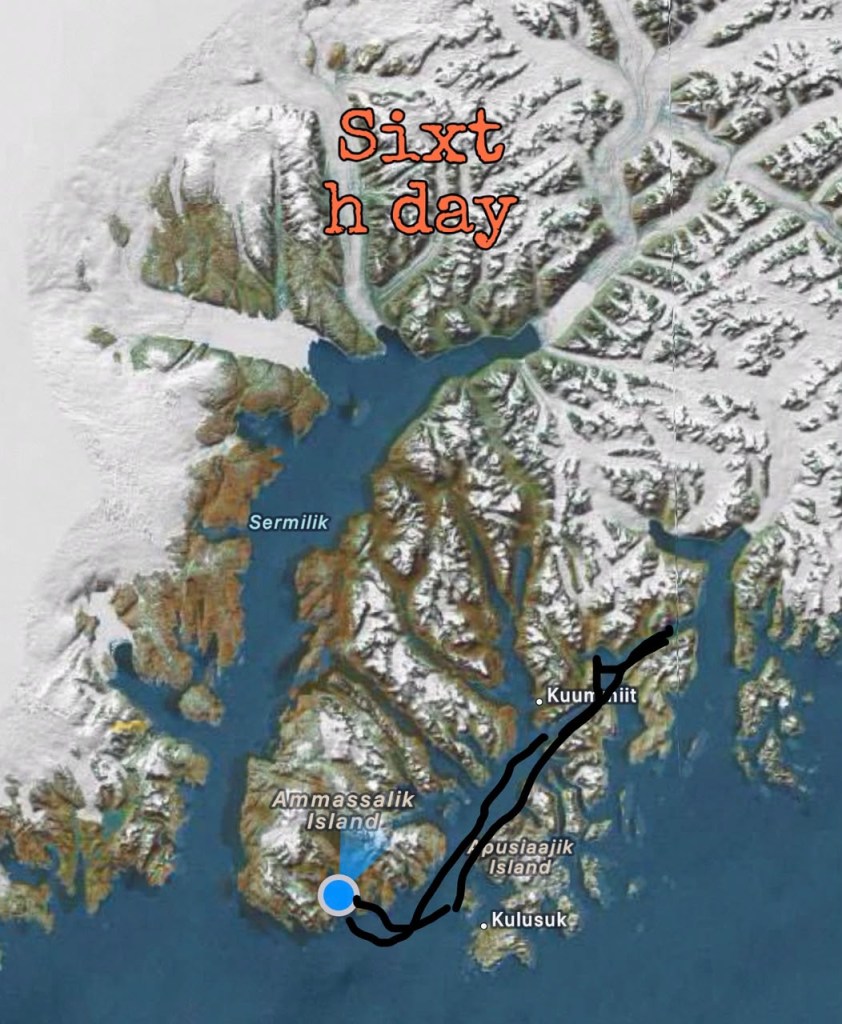
Every day brought new possibilities. The light changed constantly, the ice was always moving, whales appeared without warning, and the weather could transform the landscape within minutes. That is precisely what makes a place like East Greenland so rewarding. You cannot control the conditions. You cannot predict what will happen next. You simply have to be there, watching, waiting and ready when the Arctic decides to put on a show.
For nine days, East Greenland gave us an extraordinary combination of icebergs, mountains, whales, remote communities, abandoned history and some truly spectacular Arctic light. It was a privilege to experience this remote corner of Greenland — and an even greater privilege to photograph it with such a fantastic group of passionate photographers.