Arctic Fox Photography : Capturing Nature’s Greatest Feat of Engineering

The Arctic fox, with its thick fur coat and keen survival instincts, is one of the most iconic animals of the polar regions. For photographers, it represents a unique challenge and an unparalleled reward. Over the years, I have spent countless hours tracking and photographing this elusive creature in northwestern Iceland. Photographing the Arctic fox’s beauty has been my mission, but also the stark and fragile environment it inhabits. Some years ago I did a book on the Arctic Fox that covered my time spent photographing these animals in Winter. I will soon be starting work on a subsequent book on this incredible feat of Nature’s engineering. In the meantime, I wanted to share some of my thoughts and ethos on photographing these animals as the Arctic Fox remains one of the least understand and most persecuted Arctic mammals.
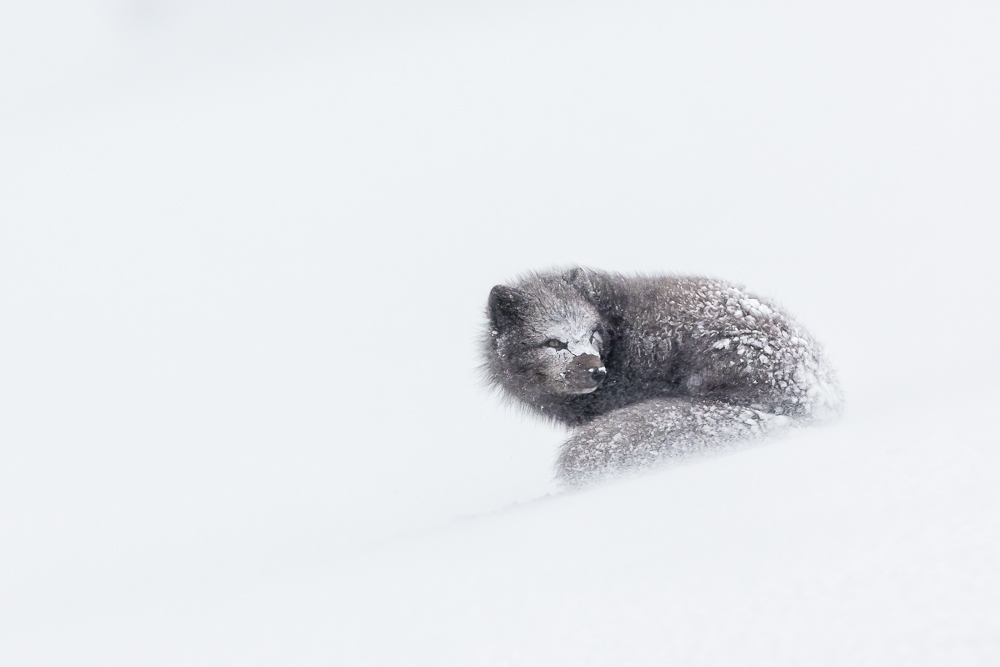
The Arctic fox is a true survivor of the extreme cold and desolate landscapes of the Arctic. Known for its striking seasonal changes—white (or brown) in the winter and blue/grey or grey in the summer—it blends into its environment, making it both a challenging and fascinating subject for photography. For me, the appeal of the Arctic fox lies not only in its visual charm but in its adaptability and resilience. Photographing Arctic foxes is about more than just snapping a picture of a rare Arctic animal—it’s about telling the story of an incredible species that thrive in some of the harshest conditions on Earth. Their playful, inquisitive nature, juxtaposed against the severe landscapes of ice and snow, creates opportunities for compelling visual storytelling.

One of the most significant challenges of Arctic fox photography is their elusive and cautious behaviour. These animals are small and nimble, often disappearing into the vast white landscape before a photographer can even reach for their camera. They are exceptionally fast, and their natural camouflage, especially in winter when their fur blends perfectly with the snow, makes spotting them difficult even in open tundra landscapes.
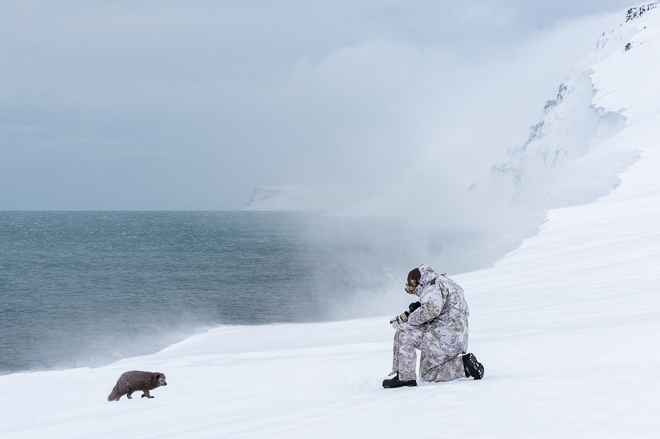
The importance of patience when photographing Arctic foxes cannot be underestimated. The best photographs are rarely the result of luck—they are the product of careful observation, waiting, and understanding of the animal’s behaviour. This means spending long hours in freezing temperatures, often in complete silence, waiting for the right moment when the fox reveals itself in the right light and setting. Patience is, after all, a key requirement in wildlife photography.

Despite the challenges, the experience is most definitely part of the adventure. “It’s not about rushing to get the shot,” instead, “it’s about immersing yourself in the environment and allowing nature to unfold in front of you.” Like many of the region’s inhabitants, the Arctic fox demands a photographer’s respect and humility.

The Arctic fox’s home is a land of extreme cold in Winter, and being prepared is paramount. Inferior camera gear can struggle in freezing conditions, so I recommend using weather-sealed cameras and lenses, along with a solid tripod, to prevent camera shake in high winds or on uneven terrain like ice and snow. Batteries drain quickly in the cold, so he always carries spares, keeping them warm in inner pockets.
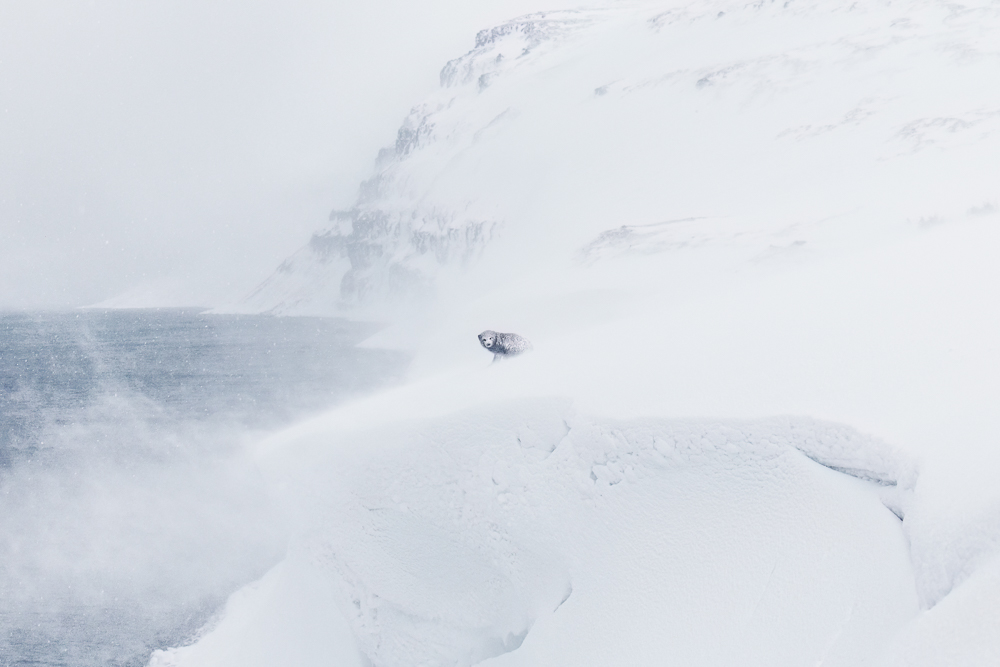
Another important consideration for Arctic fox photography is clothing. Always dress in layers, making sure to keep your core warm while ensuring you can remain mobile. Staying warm and comfortable is crucial because wildlife photography, especially in the Arctic, often involves long periods of stillness while waiting for the perfect shot. It is a good idea to avoid overburdening yourself with too much gear. “Stay nimble,”. The Arctic fox is quick and often unpredictable, so a heavy gear load can slow you down. Typically, I will use long telephoto lenses for wildlife photography, such as 400mm or 600mm, allowing me to capture the fox from a respectful distance without disturbing its natural behaviour. I also have a preference for the look of wildlife images with telephoto compression.
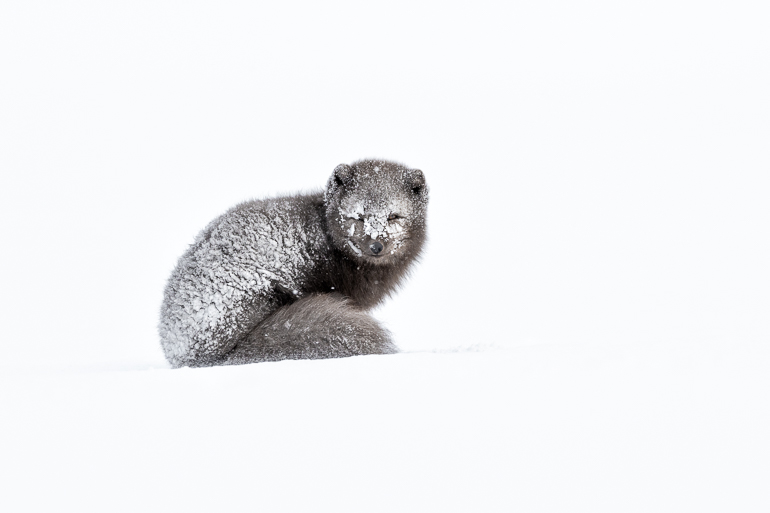
Success in Arctic fox photography stems from an understanding of the animal’s behaviour and habitat. Arctic foxes are scavengers, often following polar bears and other predators searching for leftover food. Anticipating their movements increases the chances of an encounter. The best moments to photograph Arctic foxes often happen when they are unaware of human presence. We need to avoid making loud noises or sudden movements that could scare the fox away. Instead, we observe from a distance, allowing the fox to go about its activities naturally. Whether it’s searching for food, playing with its mate, or navigating the snowy landscape, these moments are intimate glimpses into the life of this extraordinary animal. We are also mindful of the light and the environment in which we photograph Arctic foxes. The Arctic’s soft, diffused light—especially during the golden hours at sunrise and sunset—casts a magical glow over the landscape, enhancing the fox’s natural beauty. I prefer these times of day for their softer contrasts and ethereal feel, which help convey the serenity and isolation of the Arctic wilderness.
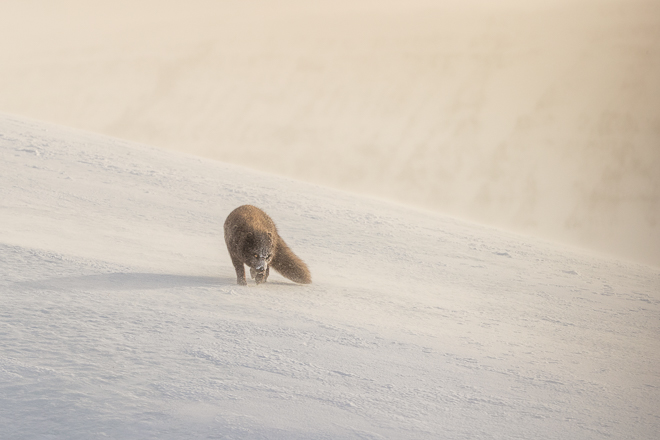
Photography is about more than just technical precision. It’s about capturing emotion and telling a story. In Arctic fox photography, this often means finding ways to highlight the animal’s fragility and resilience in an unforgiving environment. I love images portraying the fox as a solitary figure amidst vast, barren landscapes, reinforcing the isolation that defines much of the Arctic. By placing the fox in wide, empty frames, I can underscore its challenges as a small predator in a vast wilderness, subtly commenting on the environmental threats posed by climate change.
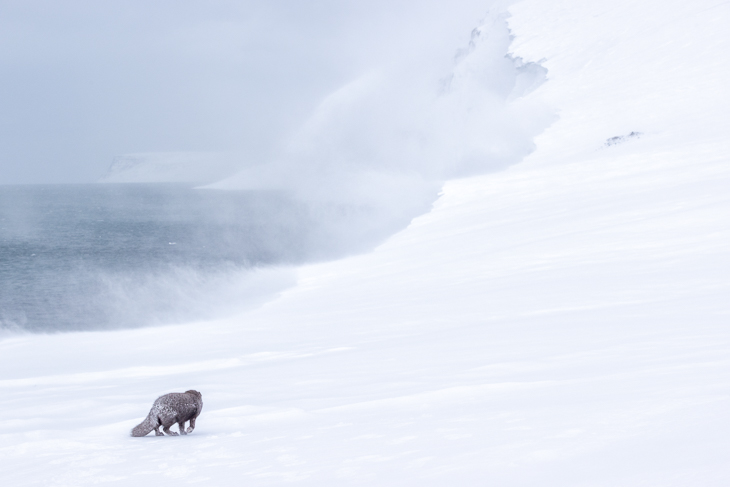
In some photographs, it’s possible to show the Arctic fox’s lighter side, offering a sense of hope and vitality even in such a stark environment. These contrasting moods—loneliness and playfulness, vulnerability and strength—are key elements in an effective storytelling approach to wildlife photography.

Photography in the Arctic is not just about creating stunning images; it’s also about raising awareness of the threats facing this fragile ecosystem. The Arctic fox, while adaptable, is increasingly vulnerable to climate change. As temperatures rise and sea ice retreats, their hunting grounds are shifting, and competition with other predators, like the red fox, is intensifying. It is my hope to inspire others to not only appreciate the beauty of the Arctic but also to take action to protect it. Our photographs serve as a powerful reminder of what’s at stake, offering a window into a world that is rapidly changing.

My own approach to Arctic fox photography, I believe, is defined by patience, preparation, and a deep respect for the natural world. My images capture the Arctic fox in its element, offering a rare glimpse into the life of one of the Arctic’s most enchanting creatures. Through the lens, the Arctic fox becomes more than just a subject; it becomes a symbol of the Arctic’s resilience and vulnerability, inviting viewers to connect with both the animal and its environment in profound ways.
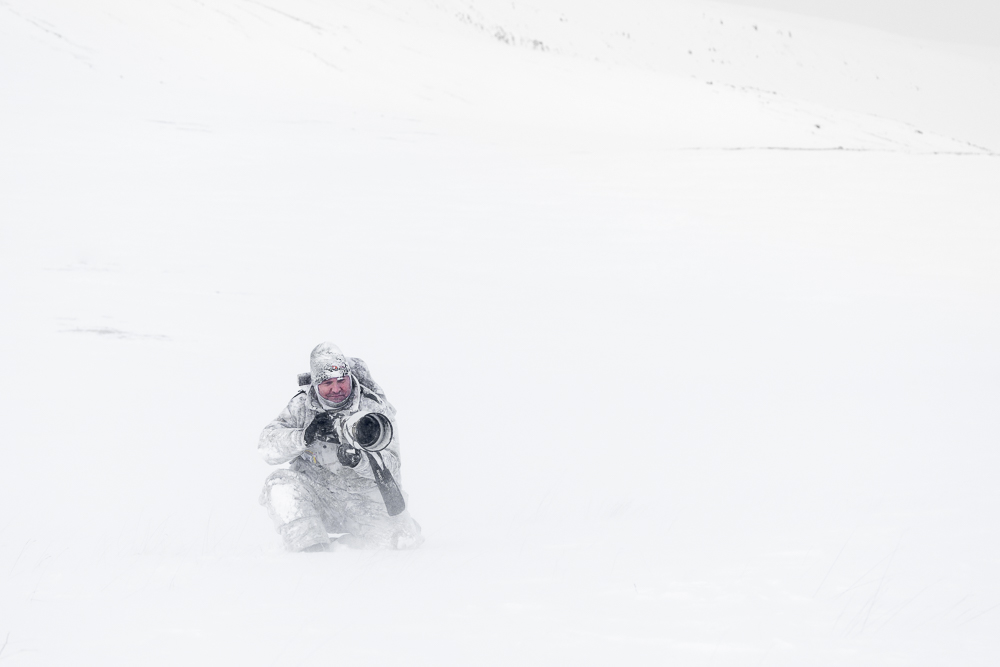
For those inspired by my work, the challenge of photographing the Arctic fox is an invitation to step into one of the most extreme and beautiful landscapes on Earth, where patience and persistence are rewarded with images that evoke the timeless spirit of the frozen North.
Canon EOS R5MK2 Noise Reduction Pre-sets Update

Over the last month, users have been giving me some fabulous feedback on the Canon EOS R5 MK2 Noise Reduction Presets I created. These presets have been highly optimised, and a lot of painstaking work went into their creation to ensure the best possible result. You can read about how they were created HERE. I really appreciate the feedback – thank you. Pre-sets are still being requested for the original EOS R5 camera and I do plan to make a set of these later this year (likely December). The EOS R5MK2 pre-sets are available now for just $20 USD. Pre-sets are also available for the Canon EOS R3 and EOS 1DX MK3 over at Melrakki Publishing. I will be creating a set of optimised pre-sets for the new Canon EOS R1 as soon as I get my hands on the camera (expected late November).

Namibia Dune Sea Landscape Masterclass Workshop 2026

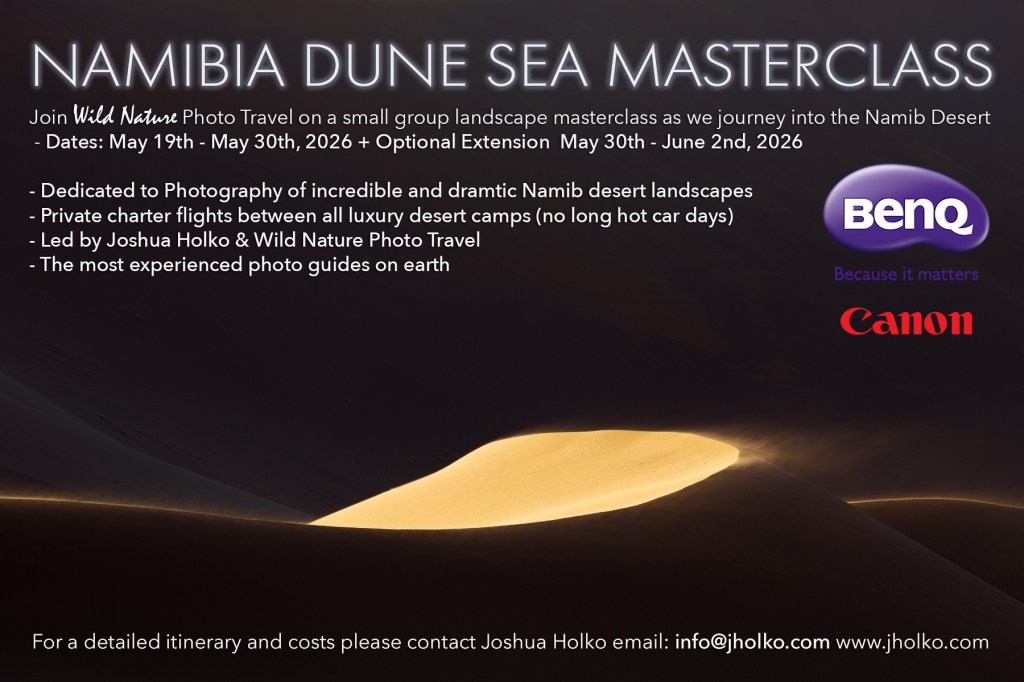
Today, I am excited to announce and officially open the bookings for an all-new Namibia Dune Sea Landscape Masterclass workshop. The workshop will run from May 19th until May 30th, 2026, and include an optional extension to the ghost town of Kolmonskop, which will run from May 30th – June 2nd. This masterclass workshop has been designed to take in the best of Namibia and maximise the time on the field. Namibia is a vast country, taking many days to navigate by 4-wheel drive. During this workshop, we will fly by private charter planes between each location, vastly increasing our time in the field and minimising our transfer and transit times.

On the South Western Coast of Africa, where the icy Atlantic Ocean meets the world’s oldest desert, lies a place known for its incredible landscapes and abundant wildlife. The unique combination of desert, grassland and cold ocean currents form a one-of-a-kind terrain found only here. For this reason, landscape photographers from all over the world journey to the Namibia Desert to try to capture its dramatic dunes and ethereal beauty. This landscape masterclass has been designed to provide the ultimate experience to capture the incredible opportunities offered in this fantastic country. Perhaps best of all, we will be flying between our different locations, saving many days of driving in the hot desert.

The goal of this masterclass workshop is to photograph the breathtaking desert landscapes of Namibia. This workshop has been designed to provide unparalleled landscape opportunities with a balance between flexibility and luxurious accommodations. This exciting new workshop has been custom-tailored to take in the very best of Namibia. It includes iconic areas like the Dune landscapes of Sossusvlei and several other breathtaking locations offering unparalleled opportunities. We also have an optional extension for photography at the incredible abandoned ghost town of Kolomonskop. There will even be a cultural aspect as we visit the Himba.

This exclusive workshop is for a strictly limited number of just 8 participants plus a leader and guide and is dedicated to the photography of desert landscapes of Namibia. If you are excited by the idea of travelling to the oldest desert in the world with a small group of dedicated photographers, now is the time to secure your place. Please contact me for further details. Places are very limited and once they are spoken for that’s it (some places already spoken for).

Greenland Hidden Gems September 2024 Expediton Report

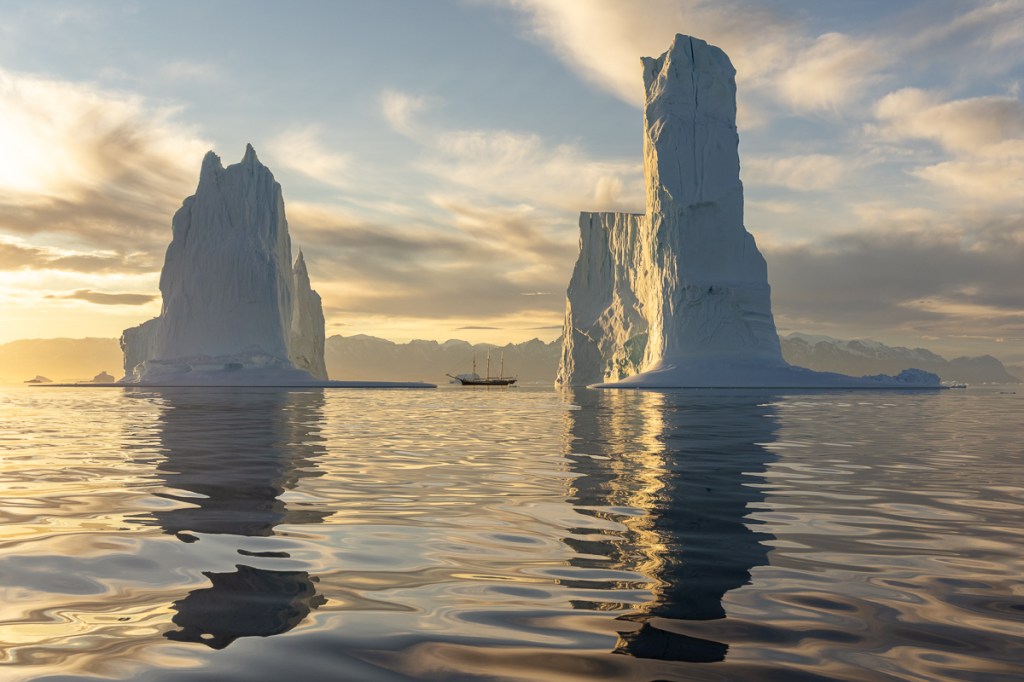
In September of 2024, I ran my semi-annual Polar landscape expedition to Scoresby Sund (the world’s most extensive fjord system) in Eastern Greenland. This has been an expedition I have been organising, leading and guiding for more than a decade now and is one I always eagerly look forward to. Scoresby Sund is not only the most extensive fjord system in the world but also the most extraordinary. Monolithic icebergs drift like silent sentinels on gentle ocean currents set against a backdrop of precipitous glacial scarred mountains, making for surreal, otherworldly imagery. It is a breathtaking arena of icebergs unmatched anywhere on earth.

This expedition was a fly-in, fly-out trip that saw us fly by private charter plane from Keflavik in Iceland to Constable Point in Greenland. Although flights into eastern Greenland can often be delayed by weather, flying across the Denmark strait takes less than two hours and saves the better part of three days sailing in either direction across a notoriously rough stretch of water. Having sailed these waters multiple times, I much prefer to fly and spend the extra time cruising the calm waters of the fjord system. This year, we were blessed with good weather for flying, and our outgoing and incoming flights were on time.

On arrival at Constable Point, we had a quick briefing before embarking on our expedition vessel, the Rembrandt Van Rijn. Although the Rembrandt is a comfortable schooner and can take a maximum of 32 passengers, I always prefer to take just 16 and provide private cabins for everyone – this also offers more space on the decks for photography. With a group size of 16, it is also possible for all participants to utilise zodiacs simultaneously. After the mandatory safety briefings, we were quickly underway and made our way across the channel in calm seas to Vikinbukt.

In Vikinbukt, we had our first glacier sighting, several stunning blue icebergs, and six Polar Bears. Most of the bears were high up on the moraine slopes, where they seemed to feel safe to rest when not active and while they waited for the sea to freeze to resume hunting on the ice. During the expedition, as the sun set, I decided to put zodiacs in the water to achieve a sense of scale with the enormous icebergs juxtaposed against our expedition ship. These sorts of opportunities are only possible on dedicated photographic expeditions such as this and make all the difference to the final portfolio of photographs one takes away from an expedition such as this.

During the expedition, we had some extraordinary sunrises and sunsets with beautiful, soft, pastel light painting the sky and icebergs. The weather is always a mixed bag in Greenland. Frequent dramatic lenticular clouds perfectly complement the mountain peaks and stunning icebergs. We were extremely fortunate to have outstanding conditions for the duration of our expedition, with snow falling only on our very last day. We also had northern lights on multiple nights. This time of year, the Arctic tundra was also at its peak colour. Having now completed more than three dozen expeditions to Eastern Greenland, I have learned that by far, the best time to visit is September when the sun is low in the sky and there are proper sunrises and sunsets. Expeditions earlier in the season are typically lit by 24-hour daylight and blue sky days, making photographing problematic. By travelling in the late Autumn of September, we ensured stunning Arctic tundra and soft pastel light.

We had multiple photographic encounters with Musk Oxen during the expedition. On our landing at Ingmikertikajik island, we encountered a lone Musk Oxen that posed for us on the edge of a rocky prow. I always prefer to photograph Musk Oxen when silhouetted against the sky as they blend into their surroundings when photographed against the Arctic Tundra. This young male provided us with some beautiful opportunities.

Below is a map of the trip voyage and the locations we visited during the expedition. The astute and experienced Greenland travellers will note that we did not visit Rhode Island (the Red Island). Recent changes to restrictions in this area mean it is unfortunately no longer possible to visit this location (a restriction designed to avoid disturbing local Narhwales – which are still hunted and slaughtered by the local Inuit). Those of you who may have visited it in the past can rest comfortably knowing that you visited one of the most incredible iceberg graveyards on earth. For those of you who have never been there, there is always hope that restrictions will lift in the future. For this expedition we sailed around the back of Milne land, visiting the other side of the iceberg graveyard. We also encountered our first sea ice in this area in combination with some beautiful light.

Towards the end of our expedition, we made the short sail back to Constable Point, where we disembarked the Rembrandt and flew by private charter plane back to Iceland. After the short hour-and-a-half flight, we bid farewell and concluded our expedition.

Wild Nature Photo Travel will return to Greenland again in October of 2026 to lead a small group expedition to Southeastern Greenland. The landscape and geology of the East Coast of Greenland are both stunning and extraordinary. Our main objective is to photograph this incredible landscape under soft golden Arctic light. We will also see and photograph incredible castellated icebergs that have calved off the many glaciers of Greenland. Dramatic glaciers, plunging cliffs and beautiful drift ice formations will also be present. We intend to fly from Iceland to the remote East Coast of Greenland, where we will be based for the duration of this expedition. We will make day trips on our expedition boat and spend our time exploring and photographing some of the world’s largest and most spectacular icebergs. If you are excited about travelling to the remote East Coast of Greenland with a small group of dedicated photographers, now is the time to register your place by dropping us an email. Places are very limited, and once they are spoken for, that’s it.

WNPP Episode 105 – BenQ Post Production Webinars

I have just published episode #105 of my Wild Nature Photography Podcast. In this podcast episode, I discuss the upcoming webinars for BenQ on the post-production of Arctic and Antarctic wildlife and Advanced Post-Production using Nik Software. I also discuss my thoughts on the November delivery date for the new Canon EOS R1 camera, the success of the recently completed East Greenland expedition as well as my experiences with the SKB / Think Tank Roller camera hard case.