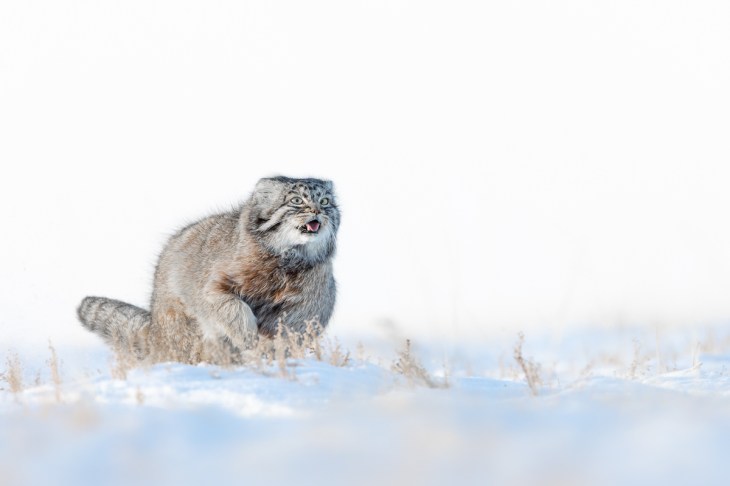
We are down to the last two places on our 2026 Mongolia workshop next January to photograph the Pallas’s cat in Winter. If you are interested in photographing this stunning wild cat, be sure to check out our Mongolia PRIMER. Please contact me for any bookings or queries. Single or shared rooms are possible. See the Portfolio of what is possible HERE.
There are very few places left on Earth where you can travel deep into a wilderness this vast, this remote and this uncompromising. In April next year, I’ll be returning to Svalbard for an extraordinary Arctic photography expedition — travelling deep into the frozen wilderness as winter slowly gives way to spring. And there are now only a limited number of single cabins remaining.
This isn’t Summer Svalbard. April is something completely different. The fjords are still frozen. The sea ice stretches towards the horizon. The mountains are buried beneath snow. And the Arctic sun has returned, creeping higher each day and bathing the landscape in extraordinary light. This is the Svalbard that exists in the imagination — a vast, frozen wilderness where the next kilometre of track can reveal something completely unexpected. There are no crowds. No prescribed route that we have to follow. No guarantee of what we’ll find. And that’s exactly the point.
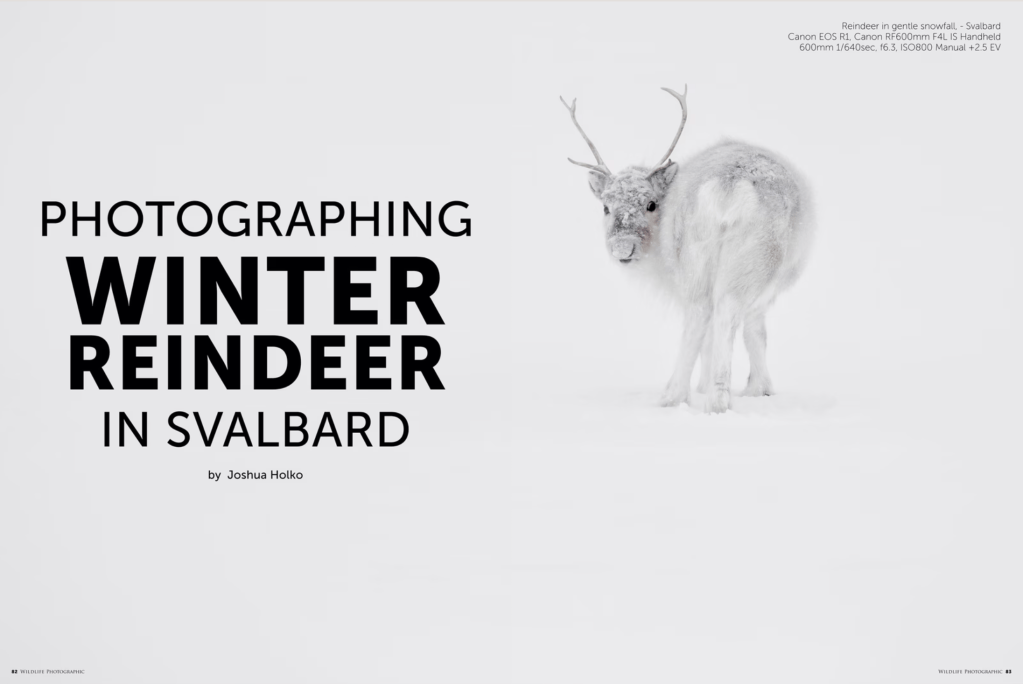
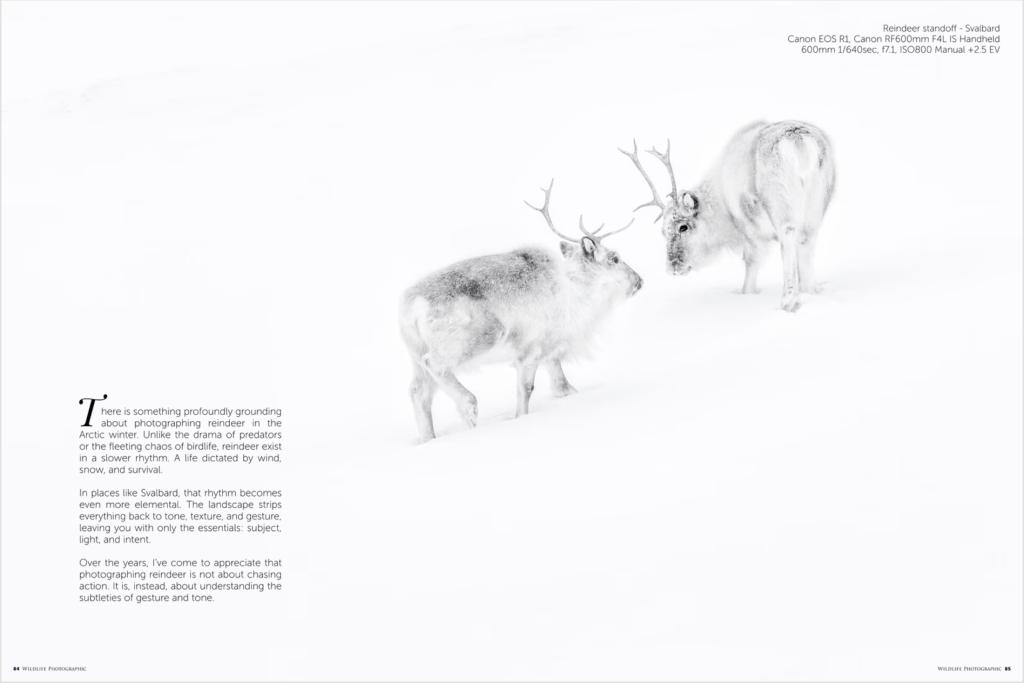
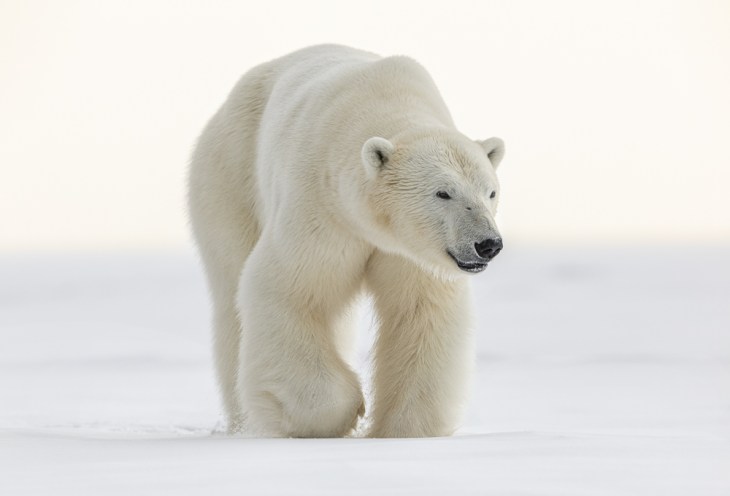
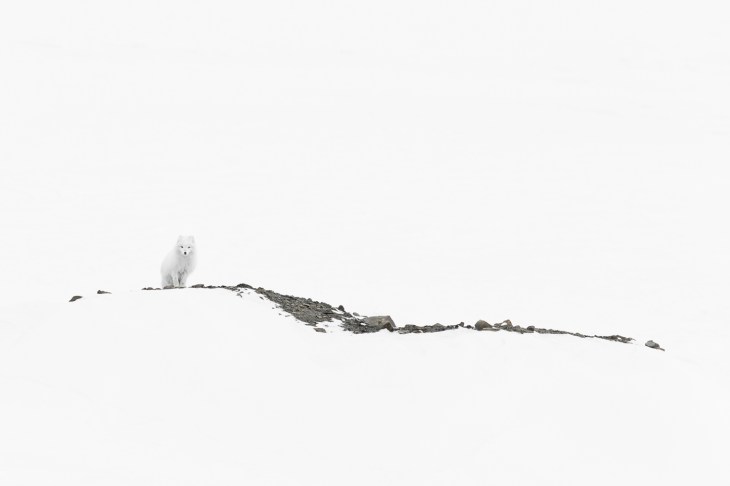
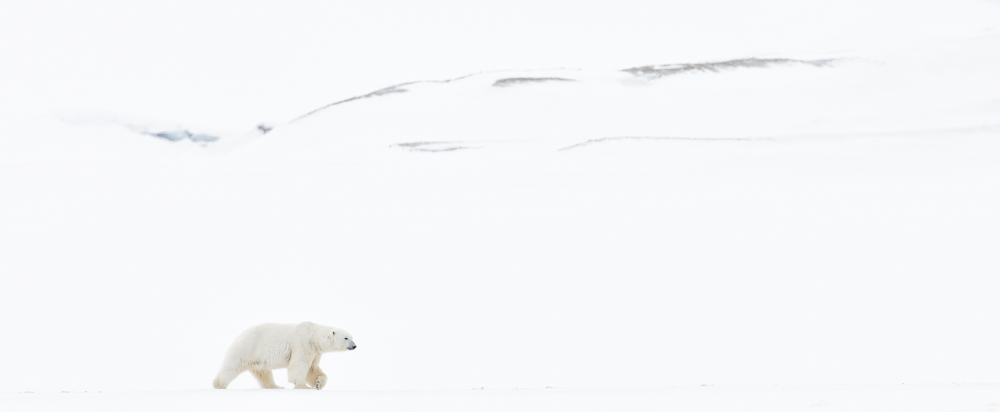
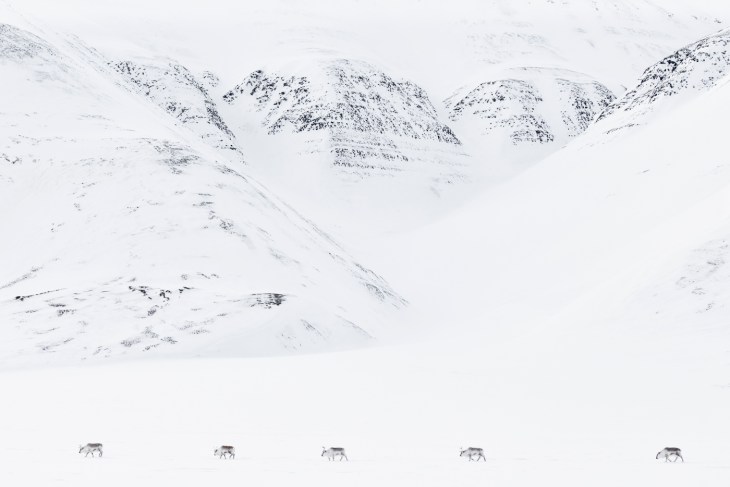
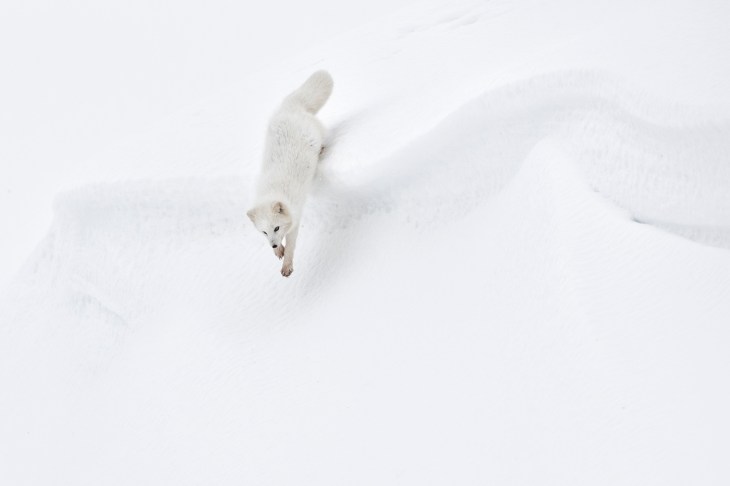
Svalbard is home to some of the most iconic wildlife on the planet. Polar bears. Arctic foxes. Walrus. Svalbard reindeer. Arctic birds. But this isn’t a wildlife park. These animals are wild, elusive and perfectly adapted to a landscape that can be unforgiving. Finding them is part of the adventure. Perhaps we’ll discover fresh polar bear tracks crossing the sea ice. Perhaps an Arctic fox will appear against the snow. Perhaps we’ll encounter walrus hauled out on the ice. Or perhaps, after hours of searching, a distant white shape will appear on the horizon. A polar bear. Those are the moments you remember. Not just because of the photograph you bring home, but because of where you were when you made it.
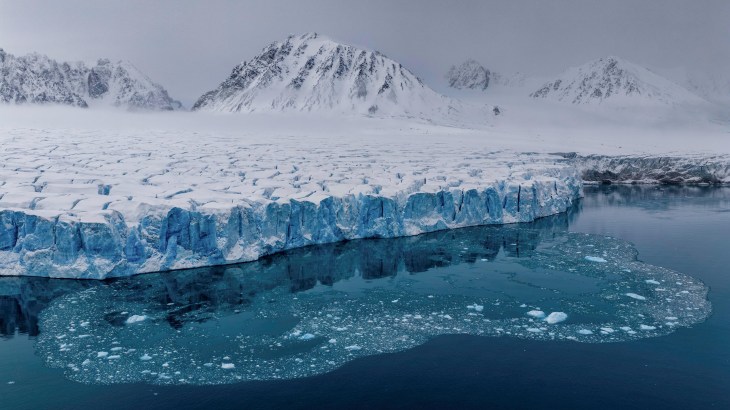
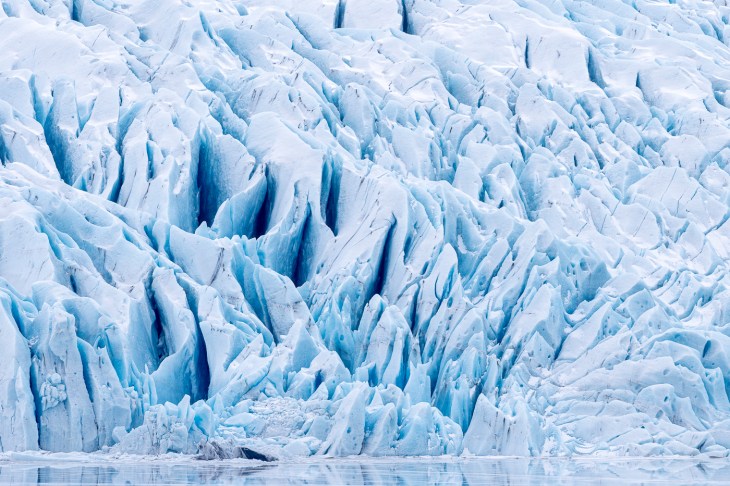
For photographers, April offers something truly remarkable. The sun remains low enough to produce beautiful, directional light across the landscape, while the returning daylight gives us long hours in which to explore. Snow-covered mountains glow. Ice becomes blue. Shadows stretch across frozen valleys. And when clouds and blowing snow arrive, the landscape can change within minutes. The Arctic doesn’t need to be improved. You simply need to be there when the light happens.
This expedition isn’t designed around ticking locations off a list. It’s about being in the field. We travel by expedition ship and have the freedom to explore the frozen landscape, following wildlife tracks, weather systems and promising light. Sometimes we’ll travel for hours. Sometimes we’ll stop because the light is extraordinary. Sometimes we’ll wait. And sometimes the Arctic will give us absolutely nothing. That’s wilderness. And then, without warning, everything can change. A fox appears. A bear emerges from the distance. The clouds part. The mountains light up. And suddenly you realise exactly why you came.
I deliberately keep my Arctic expeditions small. That allows us to spend more time in the field, remain flexible and concentrate on photography rather than simply moving a large group from one location to another. Whether you’re an experienced wildlife photographer or simply passionate about photography and adventure, I’ll be there to help you make the most of the opportunities we encounter. My approach is straightforward: No HDR. No focus stacking. No multi-image composites. No artificial recreation of the moment. Just real photography, made in the Arctic, in the conditions we actually experience.
There are holidays. There are photographic trips. And then there are experiences that become stories you tell for the rest of your life. Standing on an expedition ship deck in the middle of Svalbard’s frozen wilderness, surrounded by mountains and sea ice, with the Arctic light stretching across the horizon, is one of those experiences. You don’t know what you’ll find. You don’t know what the weather will do. You don’t know whether the next ridge will reveal a fox, a reindeer, a walrus — or the animal everyone dreams of seeing. But that’s what makes it real.
If you’ve been thinking about experiencing Svalbard, April is one of the most extraordinary times to do it. The wilderness is still locked in winter. The sea ice is still present. The wildlife is moving through its frozen world. And the Arctic light is returning. I have only a limited number of single cabins remaining for this expedition. If you’d like to join me, I’d love to have you along. Come and experience Svalbard before the Arctic summer arrives. Come looking for the impossible. Come into the Arctic.
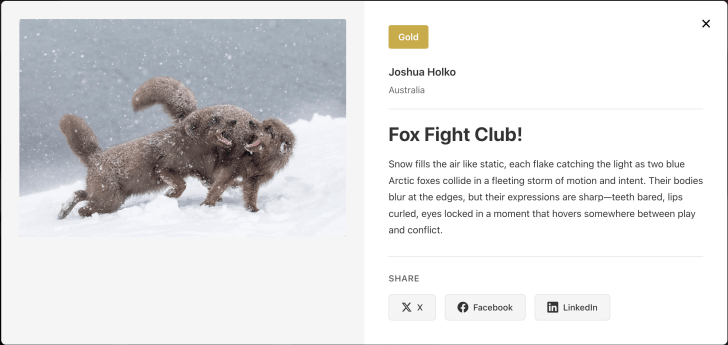
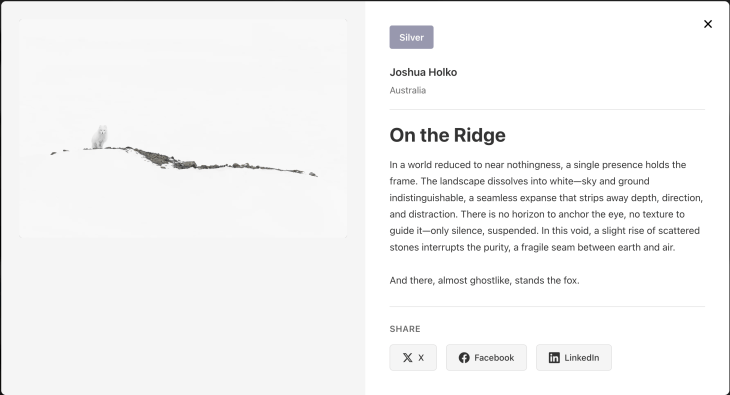
The Golden Shot International Photography Awards have published a short interview I did with them about my winning photograph in the Nature / Wildlife category and my runner-up image in the minimalist category. The interview can be read online HERE.
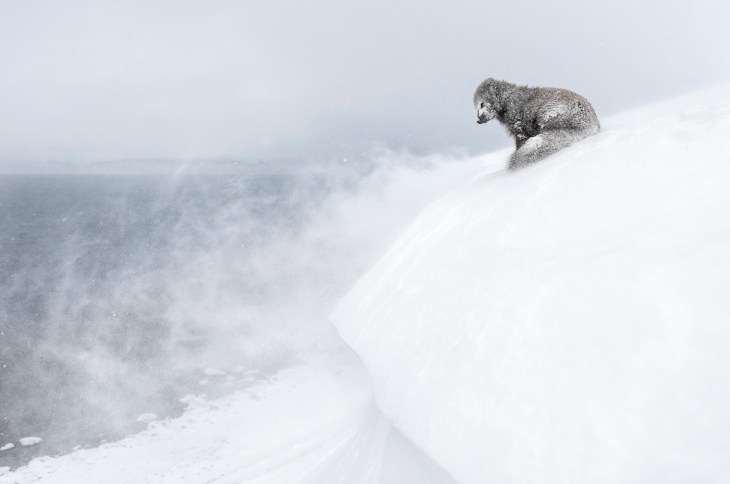
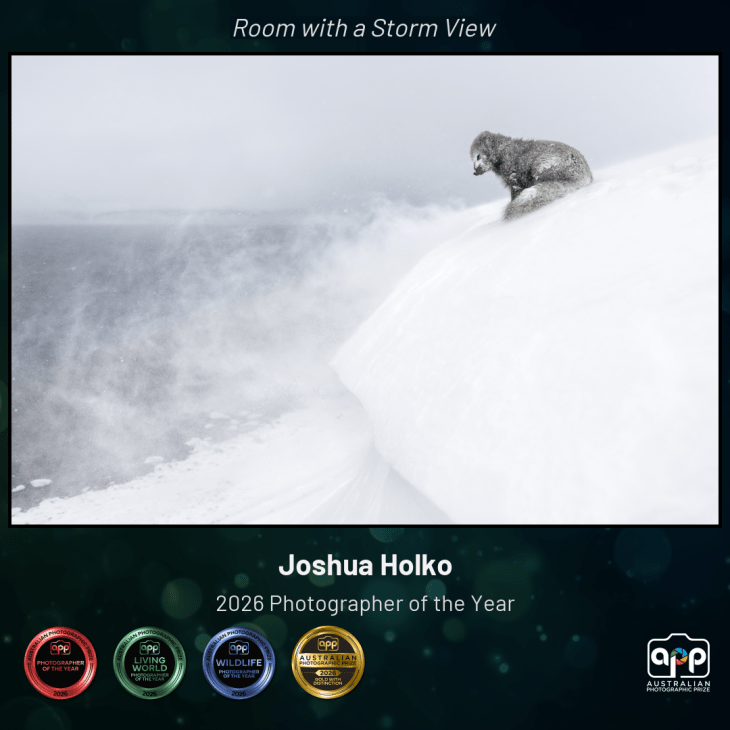
The photograph of the month for September 2026 is ‘Room with a Storm View’. The photograph won the Wildlife, Living World Division and the overall title of Australian Professional Photographer of the Year for 2026 last month, so it seems only fitting to make it the photograph of the month. Shot in northwestern Iceland in winter of a blue-morph Arctic Fox on the edge of a snowdrift during a winter storm. This was a photograph I previsualised and had been trying to capture for many years. It took the combination of the right dramatic weather (heavy snow and strong wind) and a very cooperative fox earlier this year. It was pure serendipity that the fox sat on the edge with its tail on the right side.