In February 2016 I lead a dedicated photographic expedition into the Weddell Sea in Antarctica. Our aim was to get as far south as possible into the Weddell Sea in search of giant tabular icebergs and vast Adelie Penguin colonies. We hoped we may even visit Snow Island if conditions permitted and find the small colony of Emperor Penguins that lives on the island (As it happened the ice conditions prevented us from getting to Snow Hill).
This was the first expedition I have lead that has ventured this far south into the Weddell Sea and it turned out to be a truly excellent experience. Antarctic Sound is well known for its giant tabular icebergs and it did not disappoint with some of the largest and most spectacular tabular icebergs I have ever had the pleasure to photograph. We were particularly fortunate early one morning (around 3am) to have superb light on the icebergs near the mouth of the sound. These magical moments are the real bread and butter of these expeditions. Standing on the deck of the ship photographing gigantic tabular icebergs in wonderful pre-dawn light is an experience that just stays with you forever. This expedition departed from Punta Arenas in South America. Punta Arenas has quickly become my preferred departure point for expeditions to Antarctica. The Chileans just seem to be much better organised with their airport timing than the Argentinians and everything seems to run like a well oiled machine. Although Chile also charges a reciprocity fee on entry for Australians (and Americans) it can at least be paid on arrival without having to pre-purchase.
We did decide to delay our departure from port by a few hours due to the weather conditions on the drake passage (blowing in excess of 30 knots) which proved a wise decision and as a result our crossing was relatively mild. In the end the short delay was a boon as it placed us in a wonderful area for photography with great light.
By contrast to the Western side of the Antarctic peninsula, the rarely visited Eastern Side in the Weddell Sea offers a stark contrast that I find reminiscent of the landscapes found around Svalbard in the Arctic. The landscape on the more often visited western side of Antarctica predominantly consists of precipitous mountains with towering peaks of basalt, gigantic glaciers and rugged wild coastlines. By contrast, the eastern side is flatter, consisting of more rolling mountains with some areas free from snow and ice.
Our passage through the Lemaire channel on western side of the peninsula proved the highlight of the expedition with absolutely superb light that could only be experienced to be believed. We arrived at the mouth of the narrow channel just before sunrise and timed our entrance with first light (around 3am). As we sailed through the passage the light just continued to get better and better, reaching its peak in colour around the narrowest point in the channel. I have been fortunate to venture through the Lemaire channel on many occasions now and this was without doubt the very best light I have yet experienced in this remarkable location. The light actually proved quite challenging in post production as the color in the sky was so intense and the reflected light contained such a strong color caste from the sky that white balance selection was somewhat difficult. In the end the above photograph taken from the front bow of the ship with the cameras auto white balance best matched my recollection of the morning.
 We also visited the surreal Deception Island (one of my personal favourite places in Antarctica for photography). Conditions were misty, with low cloud and strong winds on our arrival, which provided a chance to capture some evocative moody images. Deception Island never fails to disappoint with its myriad of rusty whalers remnants that make for interesting subject matter.
Being late in the season much of the snow around Cuvehrville Island and many of the other landing sites was gone, leaving exposed rocky Penguin rookeries and a glacial scarred landscape. The penguin chicks (already large) were starting to malt and were spread far and wide throughout the colonies.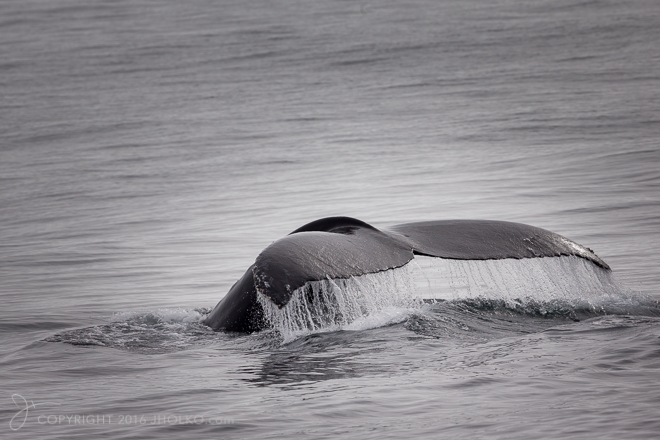 Over the course of the expedition we encountered over 100 whales including Humpbacks. Orcas, Fin whales, Hour Glass Dolphins, Peale’s Dolphins and Minke Whales. We also saw and photographed numerous Albatross including Black-browed, Grey Headed, Sooty, Wandering and Light Mantled as well as numerous other Antarctic bird species.
 Our return drake crossing proved a little bumpier than our first crossing, but on the whole was relatively mild.
This expedition to Antarctica and the Weddell Sea proved a fantastic opportunity to photograph giant tabular icebergs as well as polar landscapes and wildlife. The absolute stand out highlight for me personally was the incredible light we experienced as we made our passage through the Lemaire Channel as well as the giant tabular icebergs at the entrance to Antarctic Sound.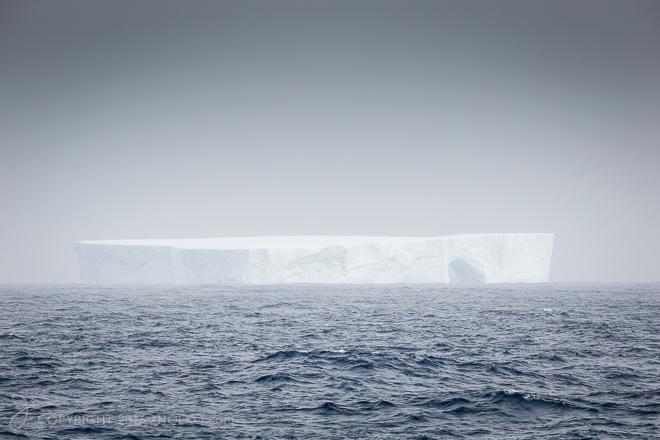 I will be leading a new Antarctica expedition in 2017 that I am code naming ‘Iceberg Hunter’, that is dedicated to photographers and the photography of icebergs and antarctic landscapes. This expedition will depart earlier than all previous trips (in late October) in order to provide us with the best chance to find and photograph icebergs of all sizes and shapes (including giant tabulars) in good light. If you would like to get the jump on this expedition you can register your interest now (no obligation at this point) by dropping me an email at info@jholko.com. Places on this expedition are already limited.
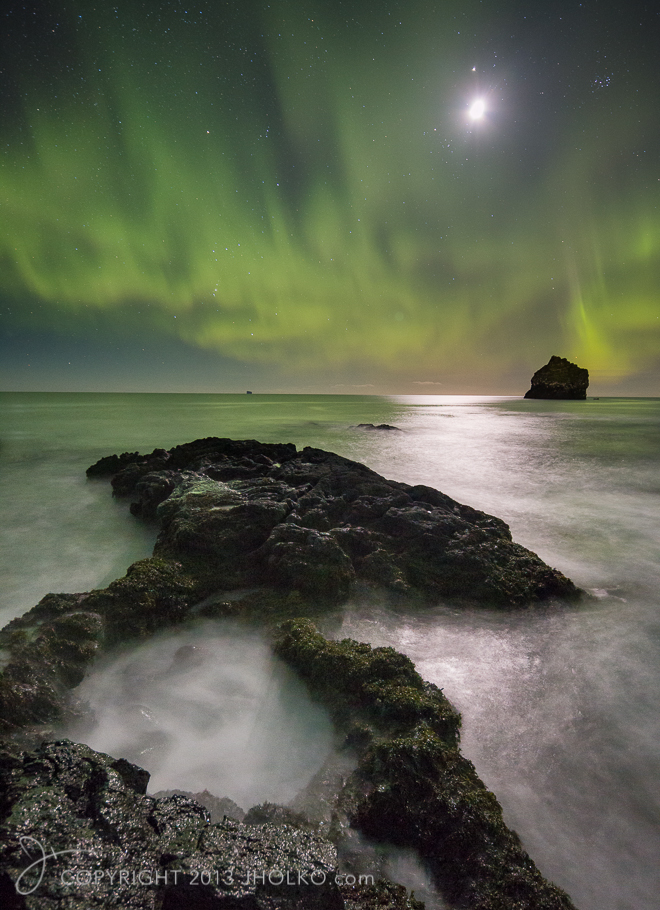
 In late February the darkness of the Icelandic winter is starting to lift and the days are becoming longer. We will have up to ten hours of good light during the day and with a little bit of luck the spectacular Northern Lights will increase our photographic opportunities well into the night. Winter conditions in Iceland can be stunningly beautiful: the glacial lagoons freeze, some of the waterfalls are partially frozen, the glaciers appear more blue with fresh snow on top, the landscape of the north is covered in fresh snow and with fewer visitors. With true darkness in winter comes the possibility of seeing the awe inspiring Northern Lights (Aurora Borealis). We plan to make photographs of them whenever there are clear skies and intense Aurora activity.
 This photography workshop will last for 11 days (10 nights). We will be staying in good hotels and guest houses that are functional and clean. Breakfast, lunch and dinner are all included and will generally be held at the hotels where we are staying. However, this workshop is all about photography and we will be putting in long hours in the field in order to ensure we get the best possible light for photography. We may take food and drink with us into the field to ensure we are in the right locations get the best possible light. There will be some moderate hiking on uneven ground and a reasonable level of fitness is recommended. There is no obligation to participate in any hikes and every effort will be made to accommodate any requests.
 This is a unique opportunity to travel and photograph with two experienced professionals who have a combined total of more than 40 years of photographic experience and can take you to the best locations that are off the beaten track, and at the right time – when the light is best. You’ll be spending 10 days with others who are just as passionate about photography as you are, and to ensure everyone gets plenty of individual attention, the maximum number of participants is capped at twelve.
 You can download a complete itinerary and information PDF


