In March of 2026, I ran a small-group workshop for five photographers to the remote Hornstrandir Nature Reserve to photograph Arctic Foxes in Winter. Like my Pallas Cat of Eastern Mongolia Report, earlier this year, this trip report will be a little different to the norm. Due to my heavy travel schedule, I will come back later in the year and update this post with additional still photographs from the trip as time permits. Personally, I shot over 13,000 RAW images over the course of the trip, so I have more than a little editing, culling and processing to do.
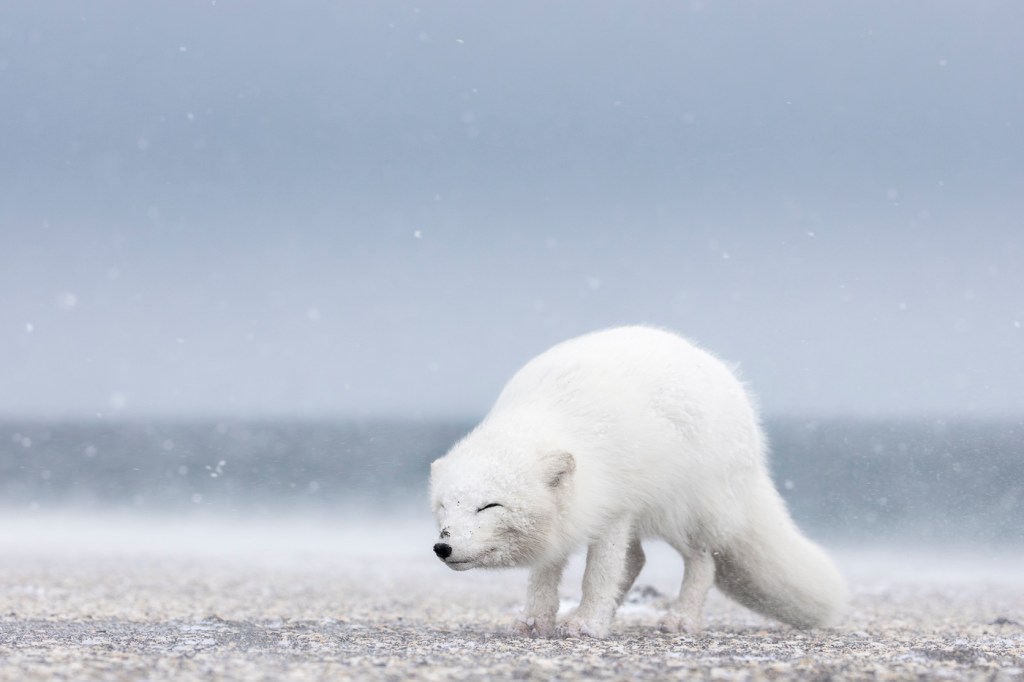
Our workshop kicked off in the small northwestern town of Isafjord in the West Fjords on the 2nd of March, with a short, but bumpy boat ride across the bay of forty-five minutes to our remote cabin at Sletta in the Hornstrandir Nature Reserve. Our cozy cabin was our home away from home throughout our workshop and had all the amenities we needed to be safe and comfortable. With a local house sitter and cook to look after the cabin and amentieis we were free to focus on our photography.
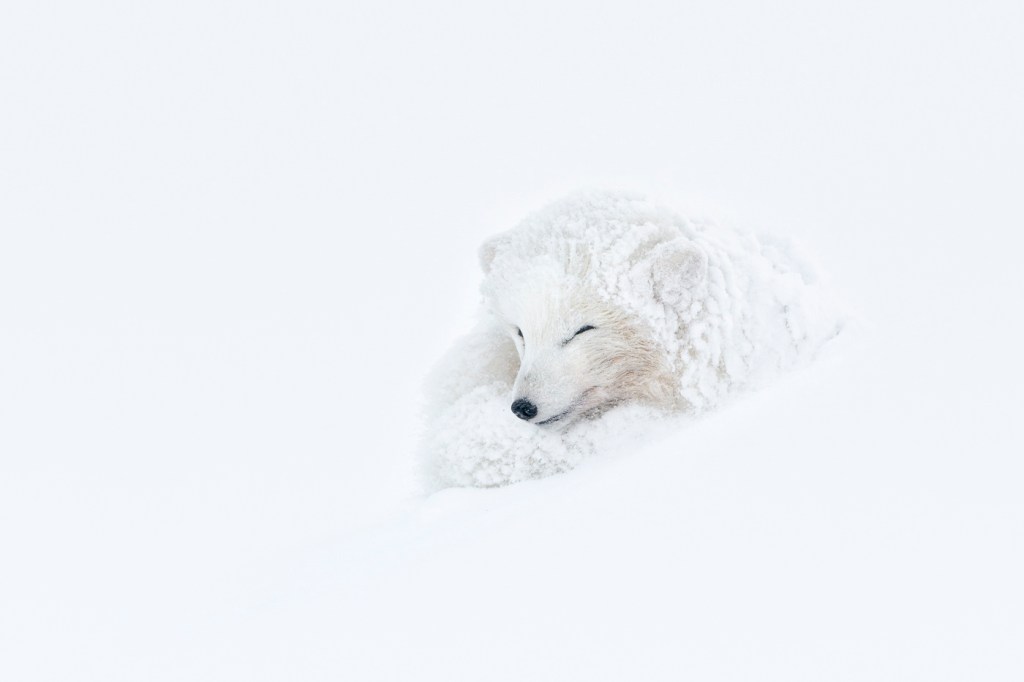
This time of year, the days are getting longer in Iceland, with sunrise around 8:30am and sunset around 7pm (although light levels are typically already too low by 6pm on overcast days). Our days typically began shortly after breakfast with a two- to three-hour session with the foxes, then we broke for a hot, filling lunch and a short rest. Since the foxes are most active in the morning and late afternoon, we would begin around 2:30pm and shoot until we lost the light. This meant our days consisted of a few hours of photography in the morning until lunch time and again in the afternoon until we lost the light.
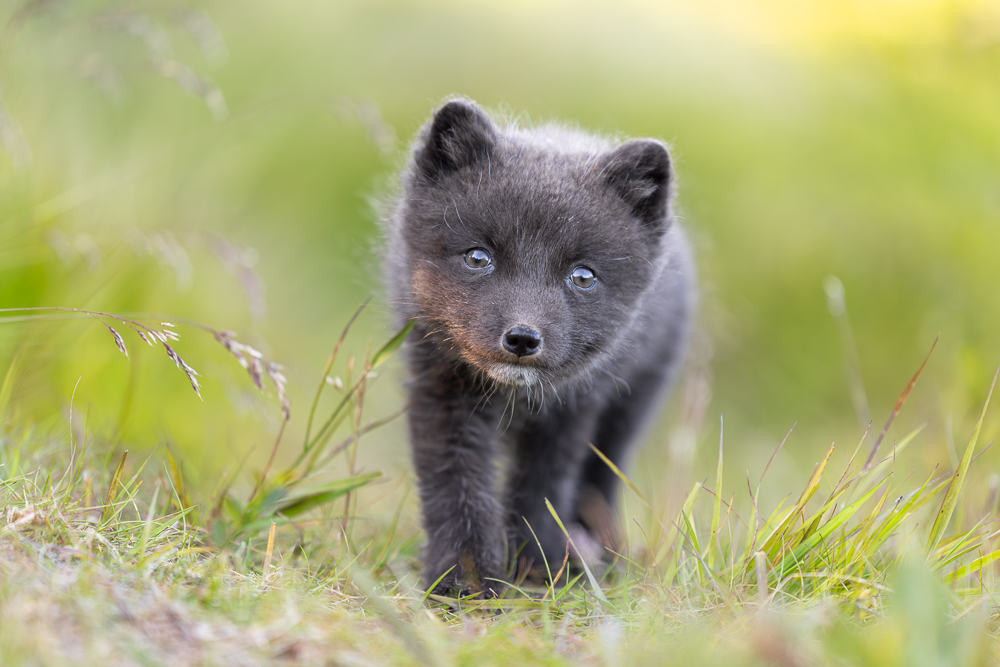
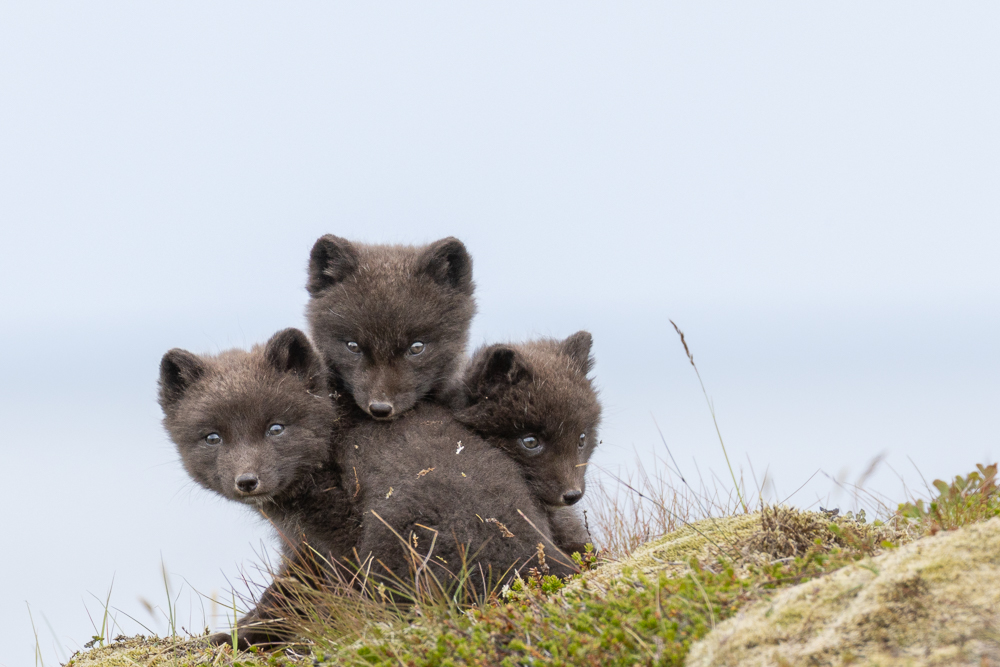
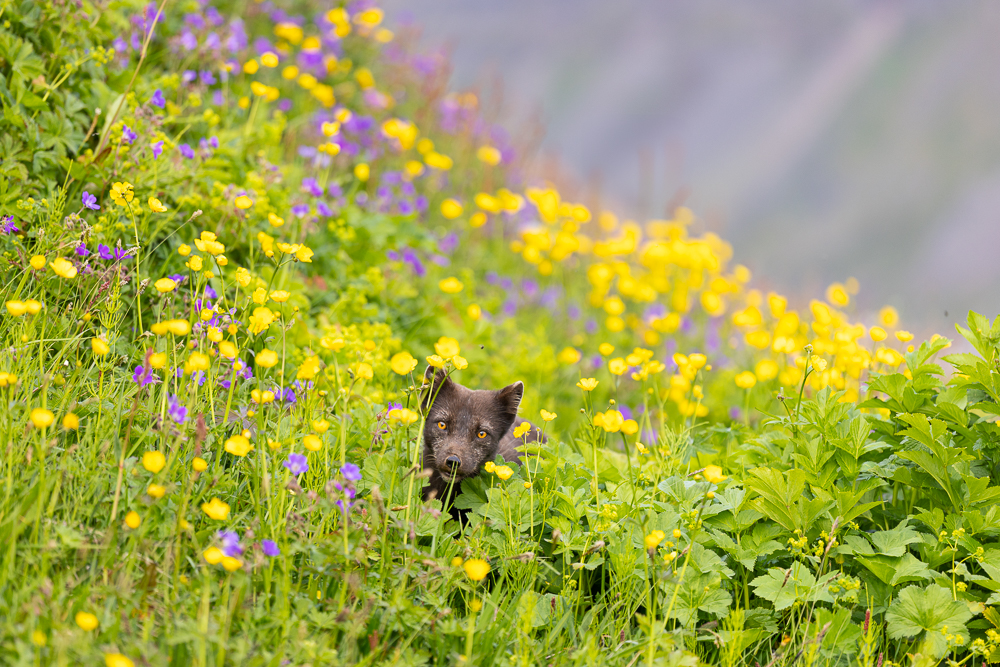
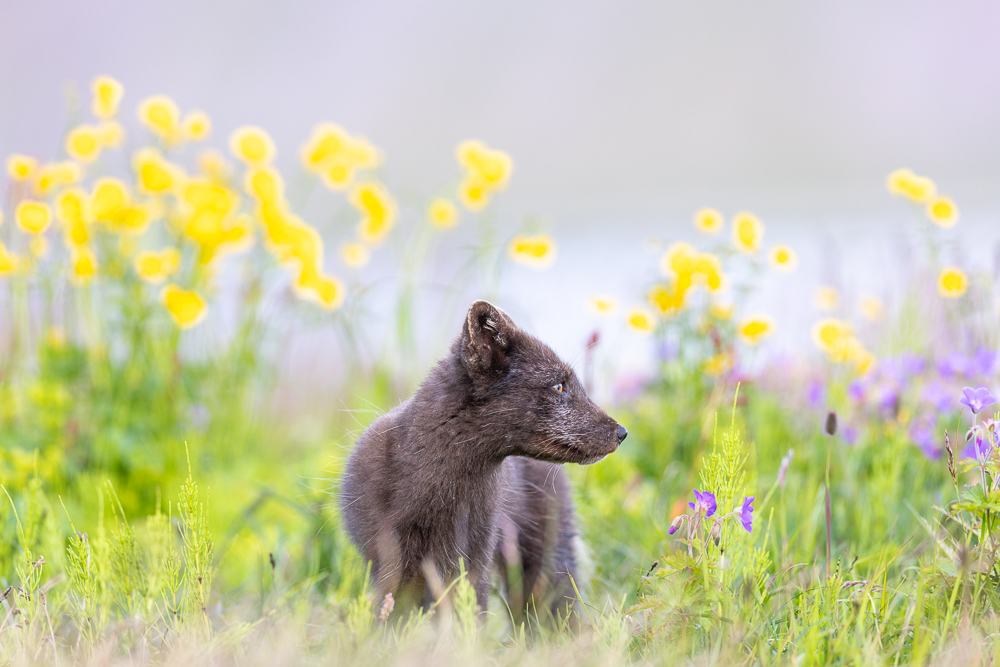
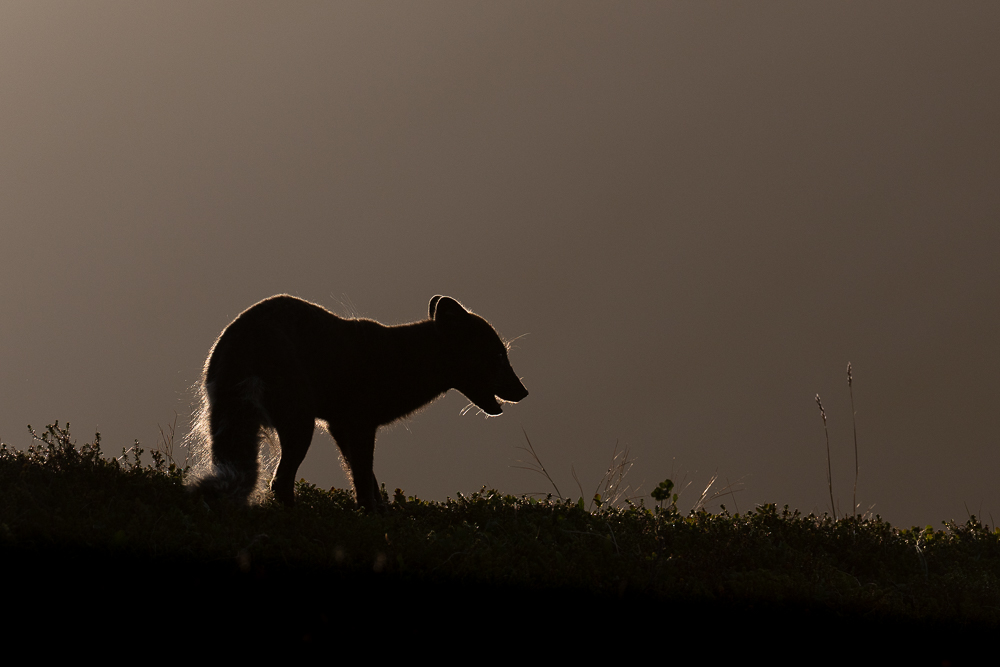
During this workshop, we had the opportunity to photograph both the Blue and White Morph Arctic Foxes almost every day. On several occasions, some of us were also fortunate to have them together for a brief interaction for those quick with the shutter. Moments like this are rare and require patience and a dollop of serendipity. When the foxes do come together, it is often for the briefest of moments, and one has to be ready and quick to catch the action.
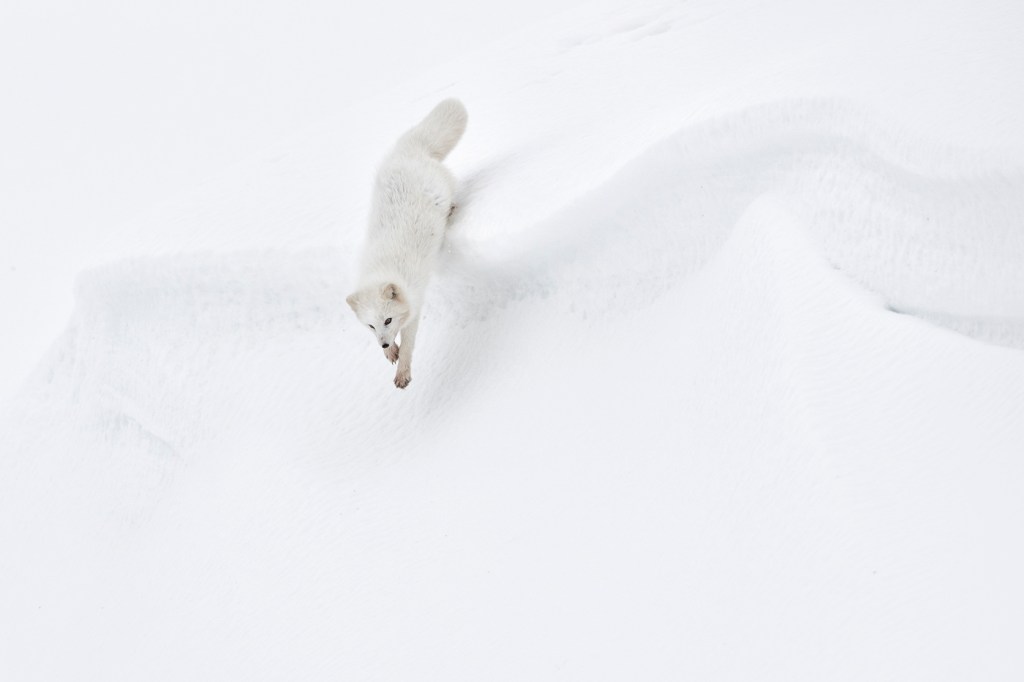
Over the course of the workshop, we saw and photographed four individuals (one white and three blue), although most of our work was done with the white-morph fox.
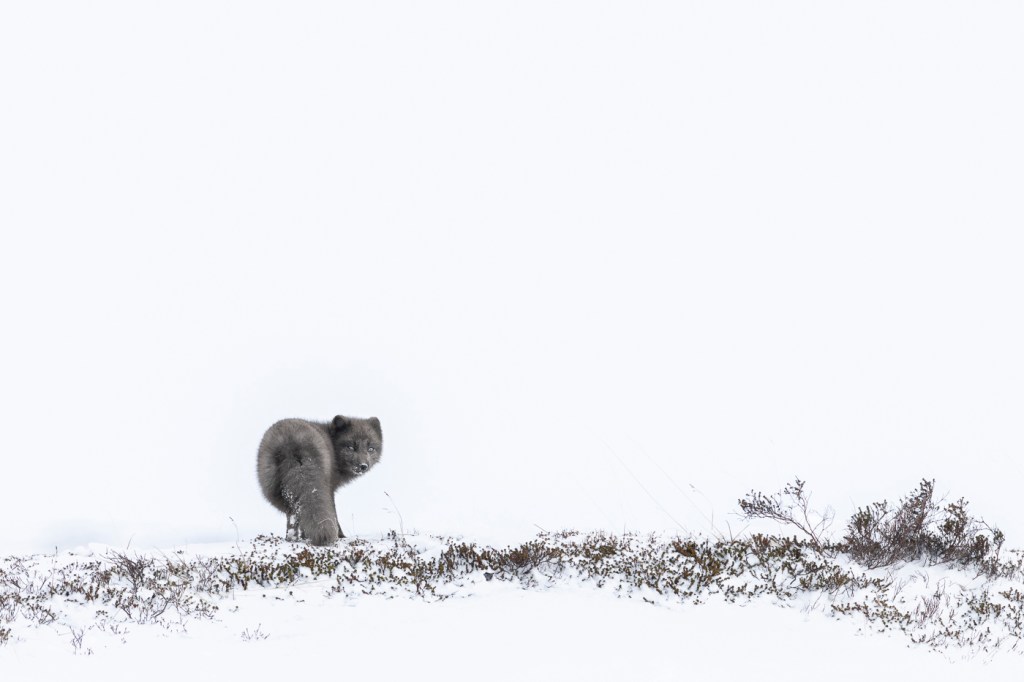
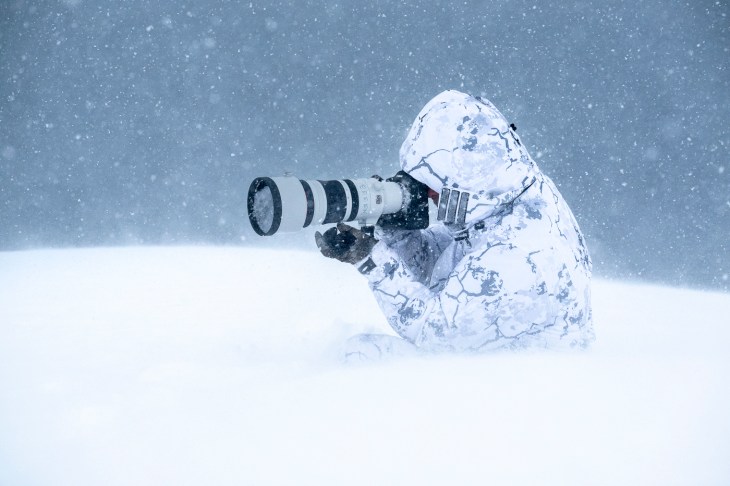
During our workshop, we experienced the full range of conditions Iceland could serve up, including crazy wind and flying snow (who doesn’t love a good Arctic storm to photograph Arctic Foxes!), gentle, delicate snowflakes drifting on an Arctic sea breeze, and calm blue skies and sunshine. This mix of weather enabled us to create a broad, diverse portfolio of work over the course of our time in the Nature reserve.
We took the opportunity to vary our setting and background throughout the trip, frequently moving from the nearby beach area to the back mountains behind the cabin, the nearby waterfall and river and the far western beach. Background is critical to a great wildlife photograph, and by moving around, we gave ourselves the best opportunities to vary the setting for different photographs. Personally, I always like to try to capture a selection of images that help tell the story of the fox in its environment.
My sincere thanks, as always, to all the clients who participated in this trip and placed their trust in me and my company, Wild Nature Photo Travel, to deliver a wonderful, productive workshop with these amazing foxes. Just some of the feedback from our workshop is included below.
Ellen – You are so awesome! Thank you for a fantastic trip (as well as getting me back to the cabin!) This trip will stay in my mind for a very long time. Wishing you and Suzy a very happy and long life together!
Jack – Thank you SO much for making this another great adventure!! You always go above and beyond!
We are returning again in February next year, 2027, to photograph these amazing Arctic survivors. To reach this unique location, you will need to fly to Keflavik International Airport in Iceland, followed by an internal flight to Isafjordur, the official starting point of the workshop. From here, we take a privately chartered boat to Hornstrandir. This trip also offers a unique perspective of the dramatic coastline, characterised by towering cliffs, deep fjords, and pristine natural beauty. If you would like to join us, please get in touch as places are extremely limited. Reserve your spot on this expedition and return with a portfolio of extraordinary images that few have had the privilege of capturing.
















 www.WILDNATUREPHOTOTRAVEL.com