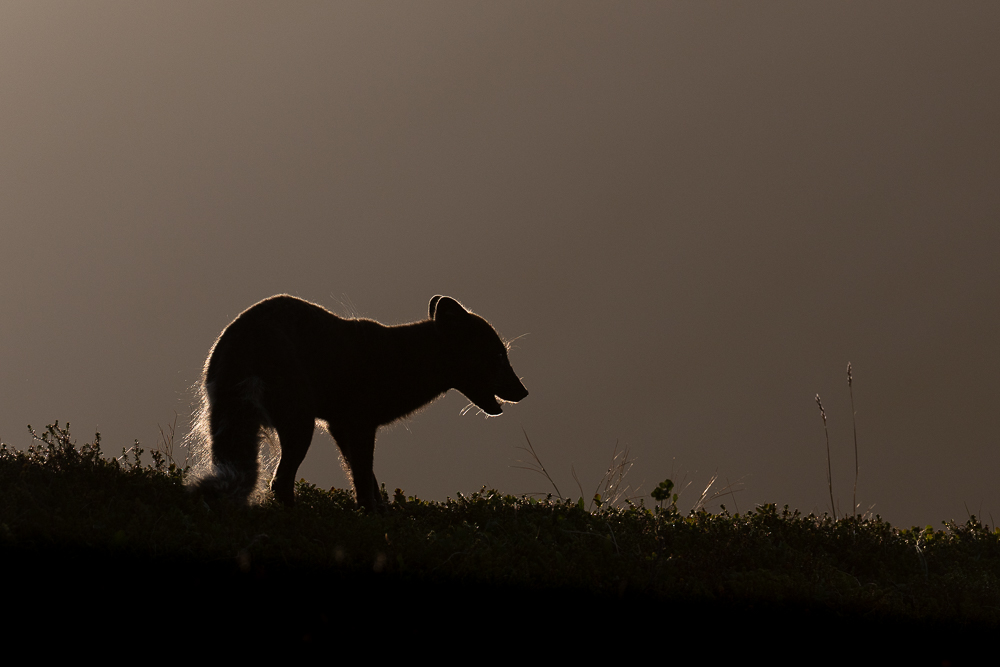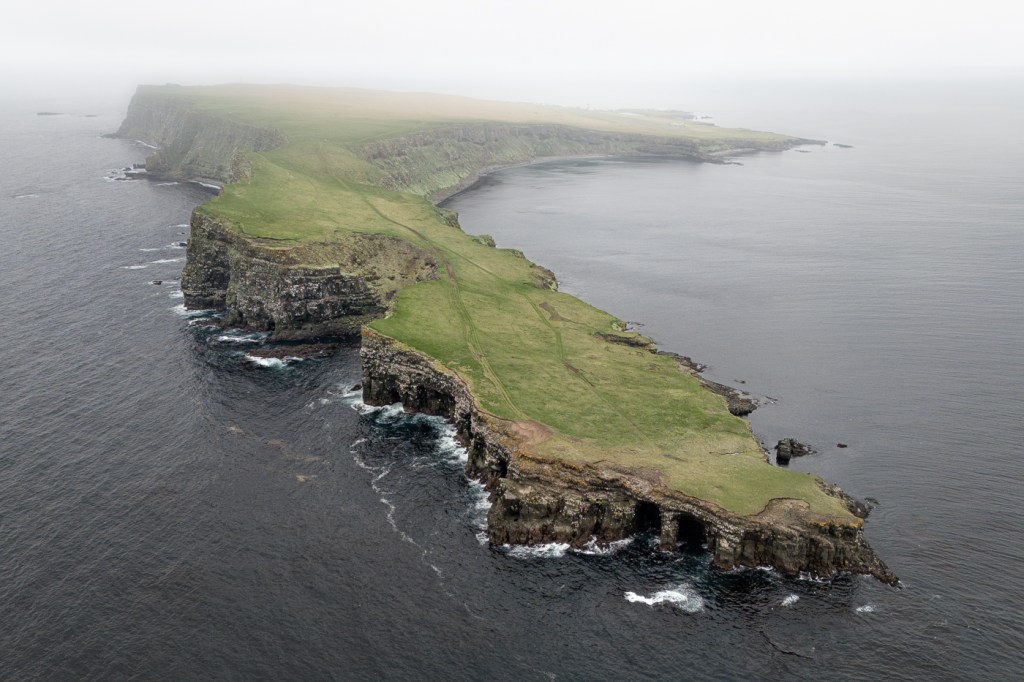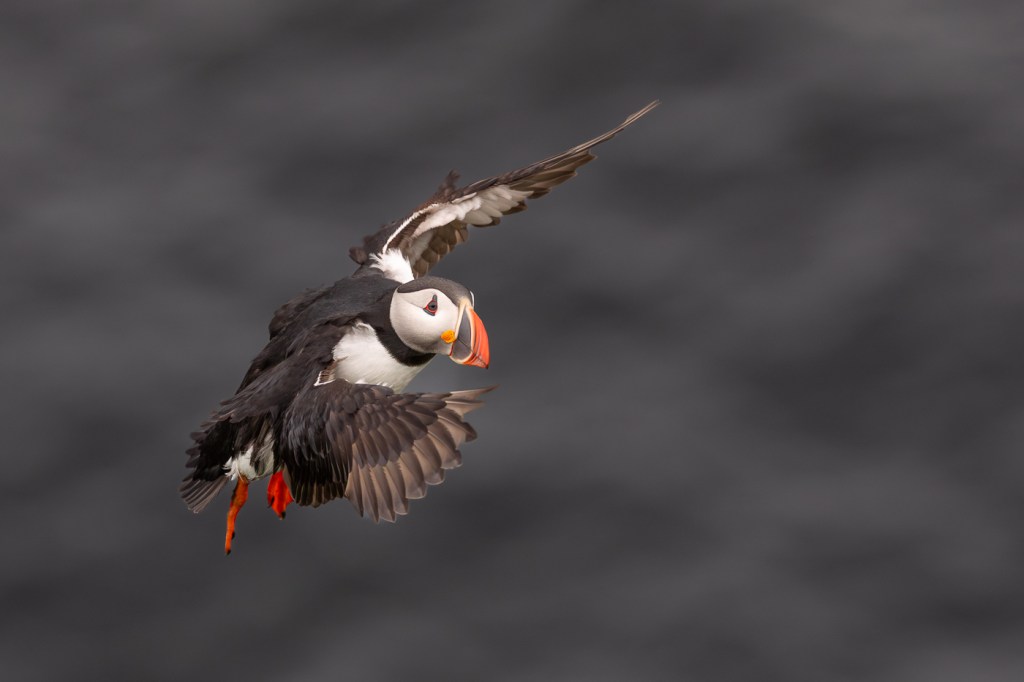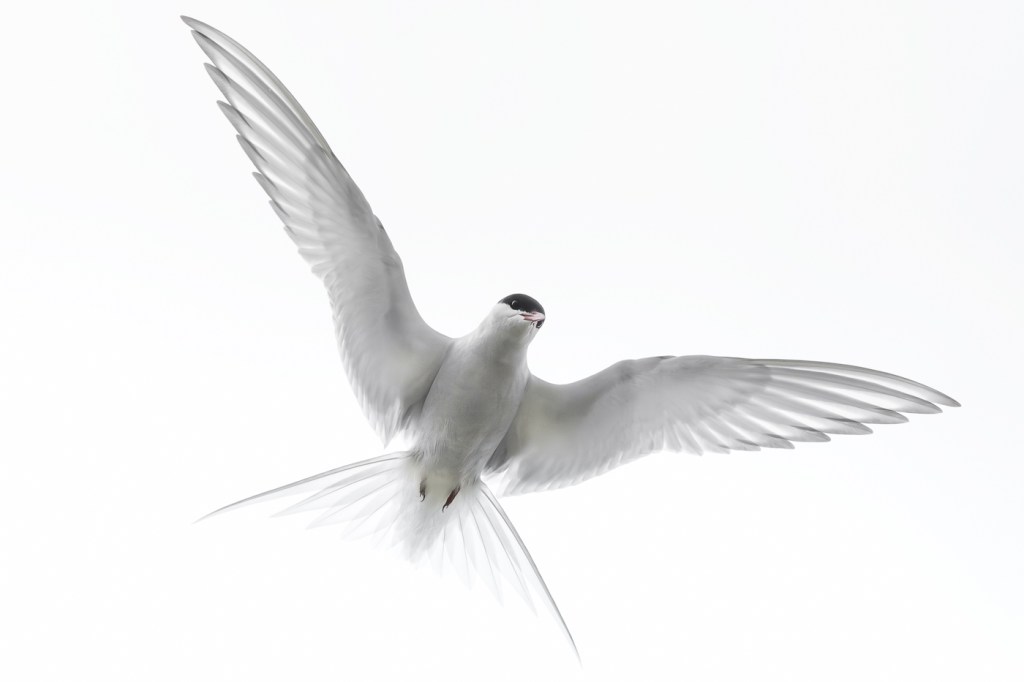
WNPP Episode 111 Wrapping up 2024 and 2025 Whats in Store?

I have just published episode 111 of my Wild Nature Photography Podcast.  In this episode, I look back at the incredible year 2024, the travel, the countries, experiences, and photographs, and I look forward to travelling and participating in workshops in 2025. 2025 kicks off in just a few days with travel from Australia to Mongolia for back-to-back workshops for Pallas Cat and Snow Leopard in both the far east and west of this amazing country. This will be quickly backed up by two back-to-back Arctic Fox workshops in the far north of Iceland. It’s promising to be a huge year, and I am super keen to get underway.

Although I am covering most of the review content for the 2024 year and the upcoming 2025 workshops in the podcast I do want to single out a few items below.

In competition terms, 2024 was consistently positive for me. I was a finalist in Bird Photographer of the Year (for the second year in a row), took first place in the people’s choice award in the Asia/Pacific Photography awards in the Nature category. I was also very pleased to take out both Gold and Silver awards in the Australian Photographic Prize and was a grand finalist in the same award. I was also a finalist in both the portfolio and single shot categories in the Travel photographer of the Year competition (winners yet to be announced). Lastly I was delighted to represent Australia again at the World Photographic Cup (the Olympics of Photography). I still lament the loss of the APPA’s (Australian Professional Photography Awards) as the then only photographic print awards. Hopefully, new print awards will emerge in the Nature / Wildlife category in another competition in the near future. On top of the above, I was also announced as a multiple semi-finalist in Nature’s Best Photography. 2024 has been a solid year; despite my lack of entries in the various competitions, I managed to either win, place or be a semi-finalist in almost everything I entered.

In equipment terms, 2024 was the year of the EOS R3 for me (I did not take delivery of the EOS R1 until December this year). The Canon EOS R3 has been nothing short of a game-changing tool in my photography and has served me faithfully in everything from the extreme -55º Celsius of Ellesmere Island in Winter to the heat of the African desert. It was my first serious commitment to the RF mirrorless line, and I have never looked back. I only recently updated to the all new EOS R1 just in time for my last workshop of the year (the Emperor Penguins – Read the Trip Report). Summing up the EOS R1 is easy – It is an EOS R3 dialled up to 11. With the addition of pre-capture, 40 frames per second RAW shooting, world leading auto focus and an EVF to die for it unsurprisingly gets my vote for camera equipment of the year. I am very much looking forward to shooting with the EOS R1 next year.

My book pick for the year goes to my recently reviewed ‘Munier’ (Listen to the Podcast) by Vincent Munier. This is not the first time Vincent has graced my book of the year list (I believe this is the third time!), and this 2024 addition should be no surprise, as I am a big fan of his work. ‘Munier’ is a masterpiece and deserves a home in every Nature photographer’s library. If you do not yet own this book, you should run to order it. If you only buy one book this year – this should be it.

If I had to sum up 2024 in one word, it would be ‘gratitude.’ I am grateful to have shared my passion for photography with many like-minded individuals. I am likewise grateful for a safe and prosperous year and for the incredible experiences throughout the year. My sincere thanks to all who travelled and participated in one of my trips this year; it was beautiful to have such fantastic shared experiences. It was an incredible year of travel and photography that sometimes left me breathless at the pace and intensity. Don’t forget to check out my twelve favourite photographs for the year HERE.

For those of you who have managed to make it this far and want a glimpse into 2026 and beyond, I have now uploaded most of 2026 and a hint of 2027 to the workshops page of my website at www.jholko.com/workshops. With Russia and the Siberian Tigers still currently shut down indefinitely, I am working on several other large cat projects. I also have a very exciting all new fly-in fly-out Antarctic peninsula expedition for just ten people in early 2027. More to come next year.

Last and certainly not least, I wish all of you a very safe and happy New Year, and may 2025 be one of health, happiness and one of travel, amazing light, and experiences for all of you. See you in the New Year!

Wild Nature Photo Travel Photography Podcast Wrap up 2024

Another year has come and almost gone for the Wild Nature Photography Podcast. I am pleased to report that 2024 has been our biggest year yet with more episodes and more downloads than any previous years and I just wanted to take a moment and say thank you for the continued support that has enabled our podcast to grow and reach more people – thank you. I set out with the intention of trying to do a podcast every other week during the 2024 year and more or less achieved that with a few small gaps here and there. There is another podcast coming pre-Christmas, I have just been getting over a nasty cold I picked up somewhere in South America after Antarctica and have only just started to feel better. Of course, 2025 is now right around the corner and I hope maintain the momentum and continue to grow the channel over the course of the year. If you would like to support the channel you can do so here by buying me a coffee. Your contribution helps with the ongoing hosting costs.

Not surprisingly, the most downloaded episode for 2024 was when I dropped the news that the Canon EOS R1 would be 24 megapixels (it was amazing how quickly the YouTubers grabbed this news for their own videos). The old adage that gear sells remains true in photography with podcasts about equipment unsurprisingly attracting the most downloads. Nevertheless, I intend to continue to review photography books as I maintain they are still the very best way to improve your photography and that new equipment (although fun, is frequently detrimental to the end result in the short term). Of course, there will always be more gear talk (I enjoy that as much as the next photographer), but there is so much more to Nature photography than the equipment we use. Some Podcast statistics for 2024 below.

Arctic Fox Photography : Capturing Nature’s Greatest Feat of Engineering

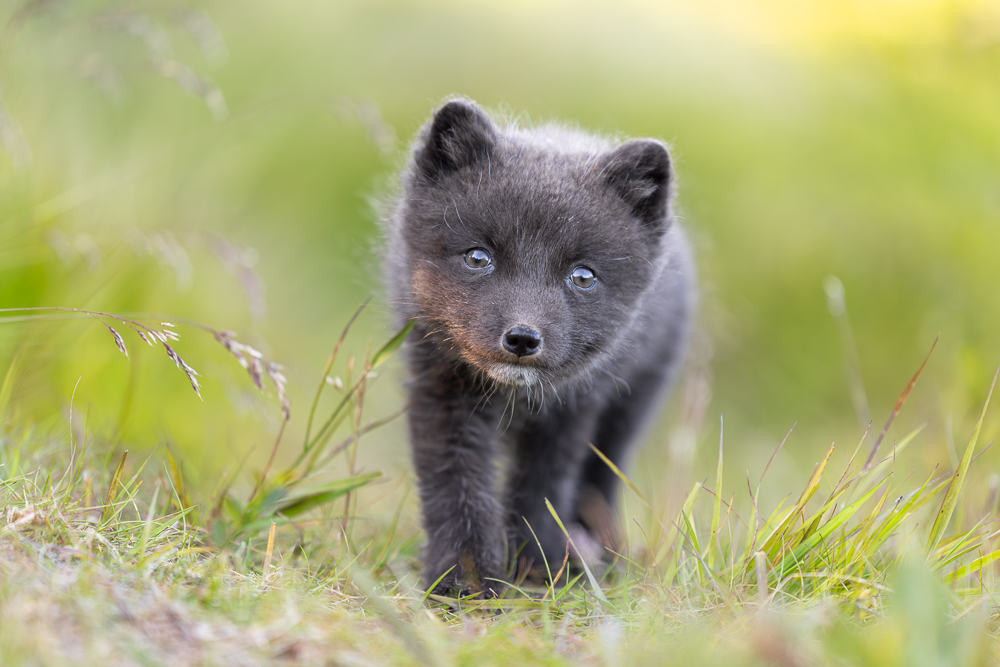
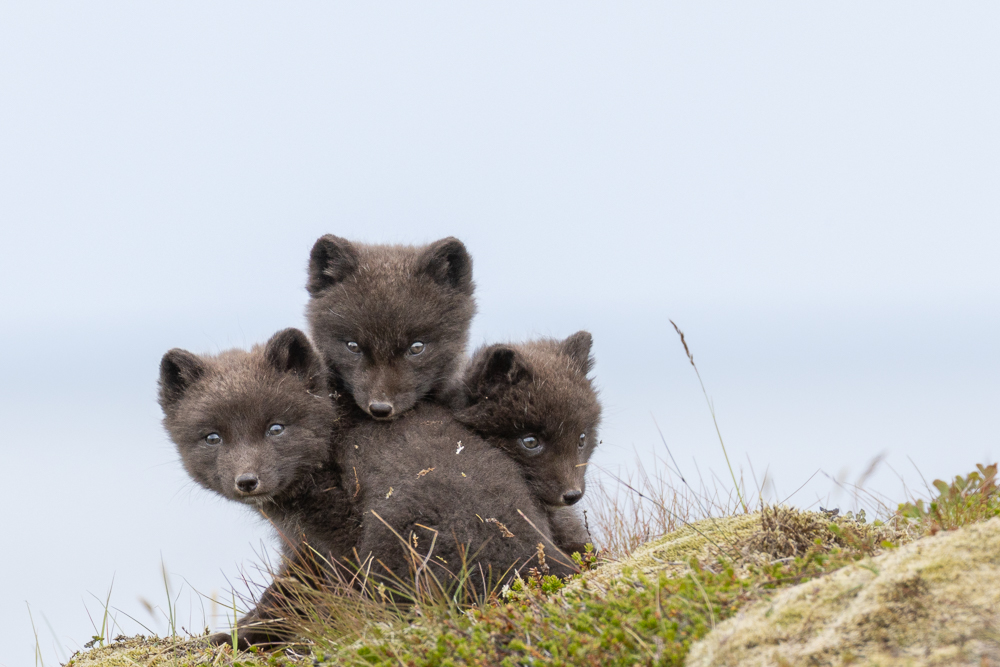
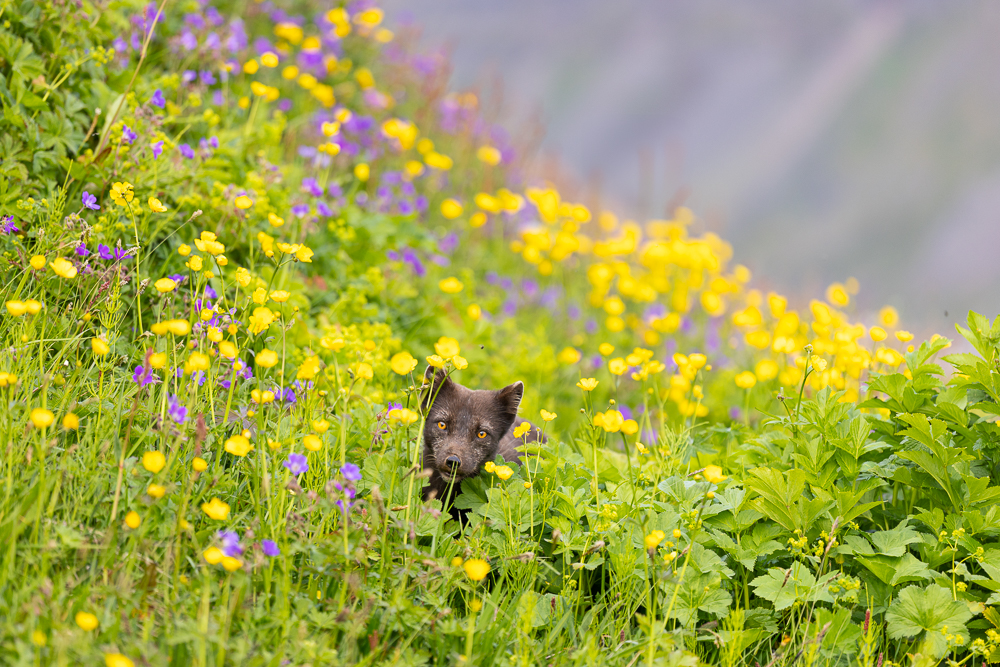
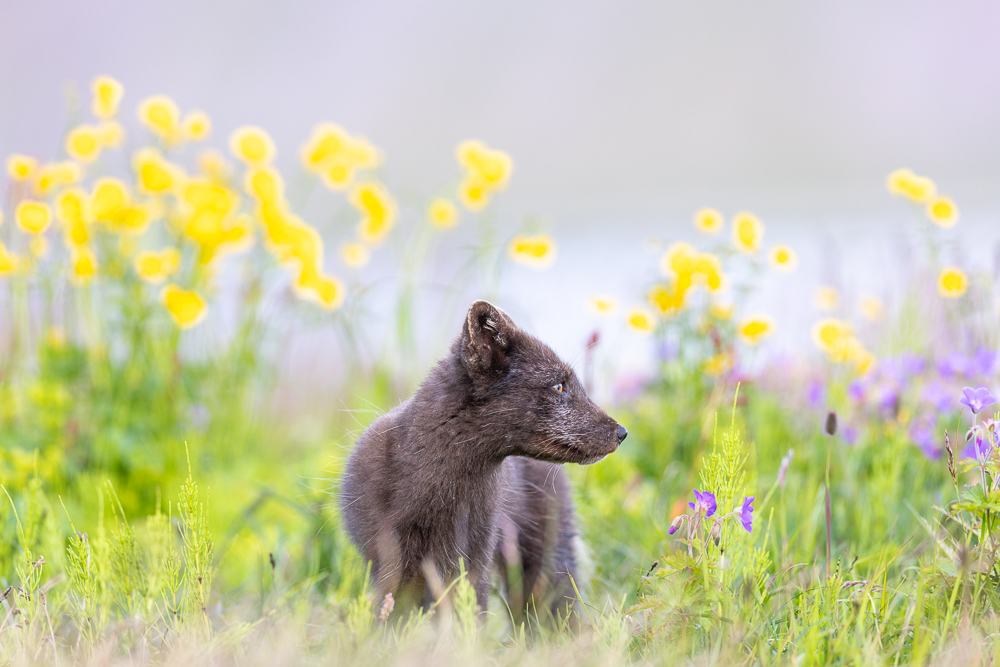
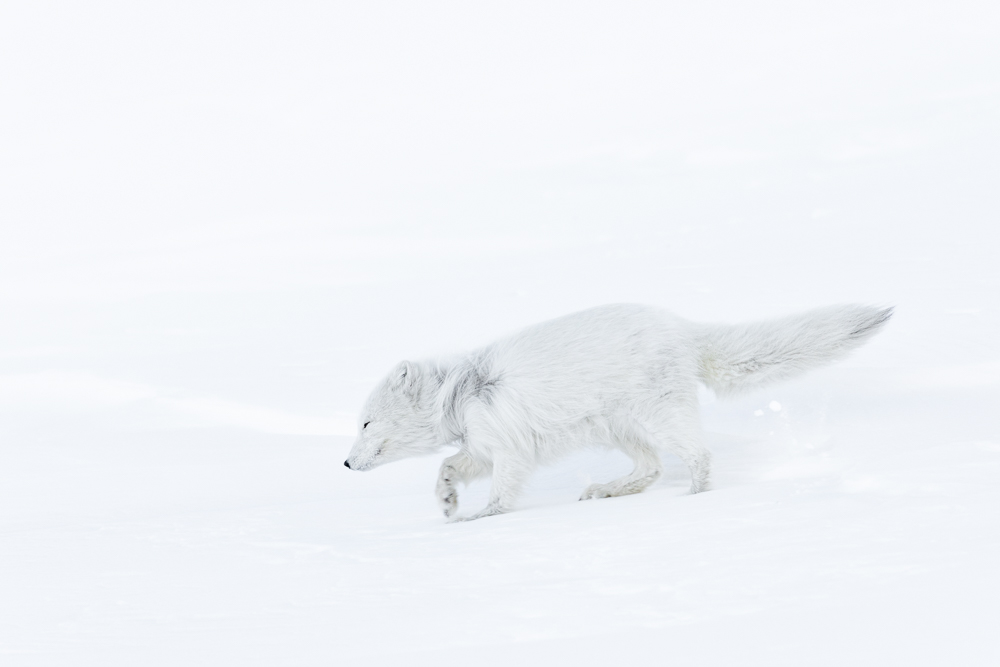
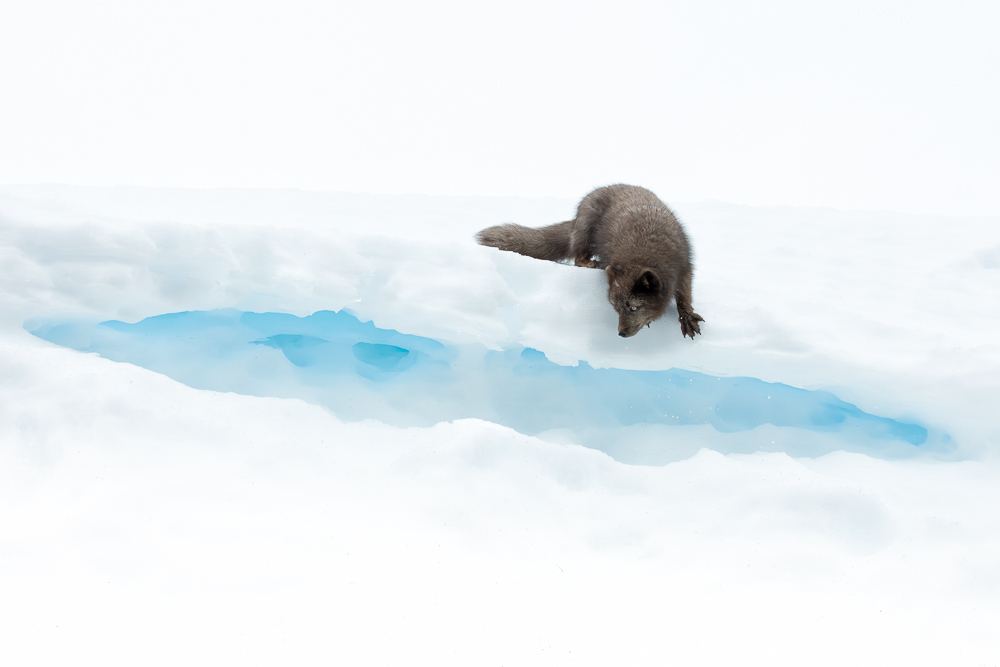
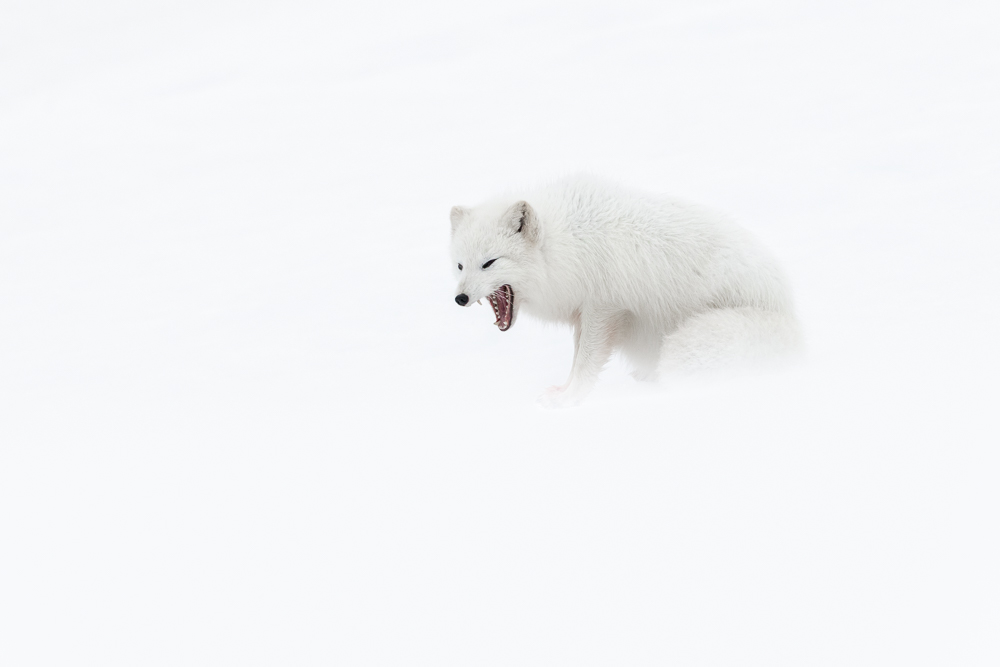
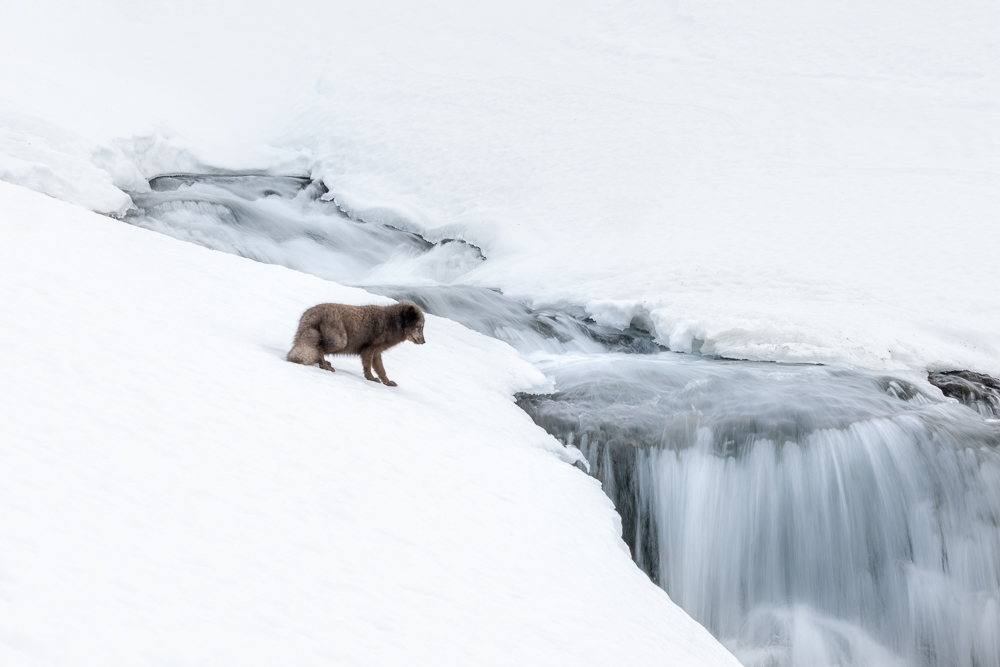
The Arctic fox, with its thick fur coat and keen survival instincts, is one of the most iconic animals of the polar regions. For photographers, it represents a unique challenge and an unparalleled reward. Over the years, I have spent countless hours tracking and photographing this elusive creature in northwestern Iceland. Photographing the Arctic fox’s beauty has been my mission, but also the stark and fragile environment it inhabits. Some years ago I did a book on the Arctic Fox that covered my time spent photographing these animals in Winter. I will soon be starting work on a subsequent book on this incredible feat of Nature’s engineering. In the meantime, I wanted to share some of my thoughts and ethos on photographing these animals as the Arctic Fox remains one of the least understand and most persecuted Arctic mammals.

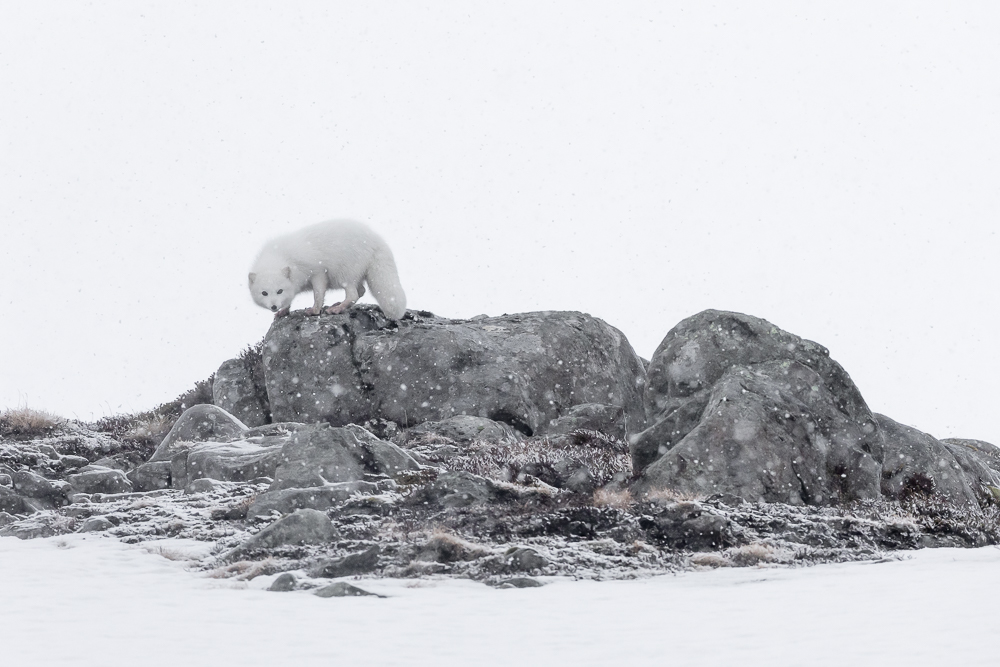
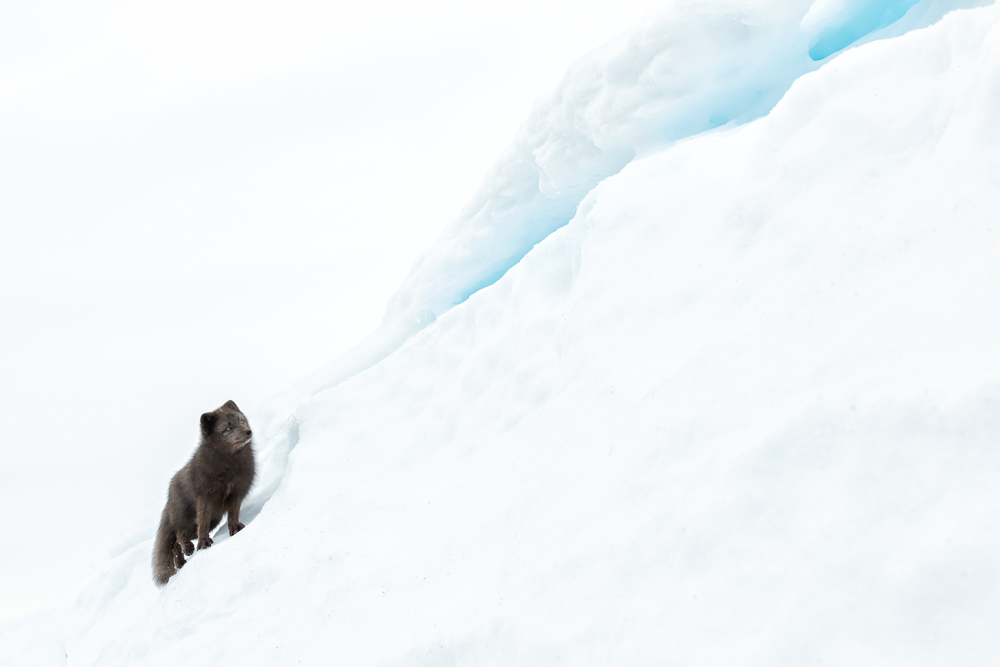
The Arctic fox is a true survivor of the extreme cold and desolate landscapes of the Arctic. Known for its striking seasonal changes—white (or brown) in the winter and blue/grey or grey in the summer—it blends into its environment, making it both a challenging and fascinating subject for photography. For me, the appeal of the Arctic fox lies not only in its visual charm but in its adaptability and resilience. Photographing Arctic foxes is about more than just snapping a picture of a rare Arctic animal—it’s about telling the story of an incredible species that thrive in some of the harshest conditions on Earth. Their playful, inquisitive nature, juxtaposed against the severe landscapes of ice and snow, creates opportunities for compelling visual storytelling.

One of the most significant challenges of Arctic fox photography is their elusive and cautious behaviour. These animals are small and nimble, often disappearing into the vast white landscape before a photographer can even reach for their camera. They are exceptionally fast, and their natural camouflage, especially in winter when their fur blends perfectly with the snow, makes spotting them difficult even in open tundra landscapes.

The importance of patience when photographing Arctic foxes cannot be underestimated. The best photographs are rarely the result of luck—they are the product of careful observation, waiting, and understanding of the animal’s behaviour. This means spending long hours in freezing temperatures, often in complete silence, waiting for the right moment when the fox reveals itself in the right light and setting. Patience is, after all, a key requirement in wildlife photography.

Despite the challenges, the experience is most definitely part of the adventure. “It’s not about rushing to get the shot,” instead, “it’s about immersing yourself in the environment and allowing nature to unfold in front of you.” Like many of the region’s inhabitants, the Arctic fox demands a photographer’s respect and humility.

The Arctic fox’s home is a land of extreme cold in Winter, and being prepared is paramount. Inferior camera gear can struggle in freezing conditions, so I recommend using weather-sealed cameras and lenses, along with a solid tripod, to prevent camera shake in high winds or on uneven terrain like ice and snow. Batteries drain quickly in the cold, so he always carries spares, keeping them warm in inner pockets.

Another important consideration for Arctic fox photography is clothing. Always dress in layers, making sure to keep your core warm while ensuring you can remain mobile. Staying warm and comfortable is crucial because wildlife photography, especially in the Arctic, often involves long periods of stillness while waiting for the perfect shot. It is a good idea to avoid overburdening yourself with too much gear. “Stay nimble,”. The Arctic fox is quick and often unpredictable, so a heavy gear load can slow you down. Typically, I will use long telephoto lenses for wildlife photography, such as 400mm or 600mm, allowing me to capture the fox from a respectful distance without disturbing its natural behaviour. I also have a preference for the look of wildlife images with telephoto compression.
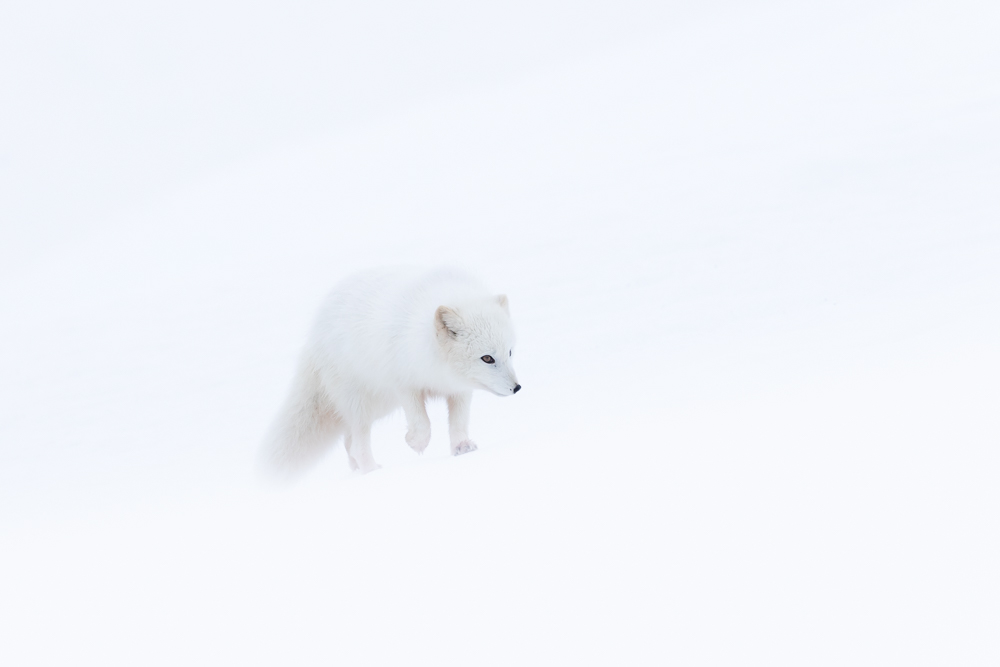
Success in Arctic fox photography stems from an understanding of the animal’s behaviour and habitat. Arctic foxes are scavengers, often following polar bears and other predators searching for leftover food. Anticipating their movements increases the chances of an encounter. The best moments to photograph Arctic foxes often happen when they are unaware of human presence. We need to avoid making loud noises or sudden movements that could scare the fox away. Instead, we observe from a distance, allowing the fox to go about its activities naturally. Whether it’s searching for food, playing with its mate, or navigating the snowy landscape, these moments are intimate glimpses into the life of this extraordinary animal. We are also mindful of the light and the environment in which we photograph Arctic foxes. The Arctic’s soft, diffused light—especially during the golden hours at sunrise and sunset—casts a magical glow over the landscape, enhancing the fox’s natural beauty. I prefer these times of day for their softer contrasts and ethereal feel, which help convey the serenity and isolation of the Arctic wilderness.

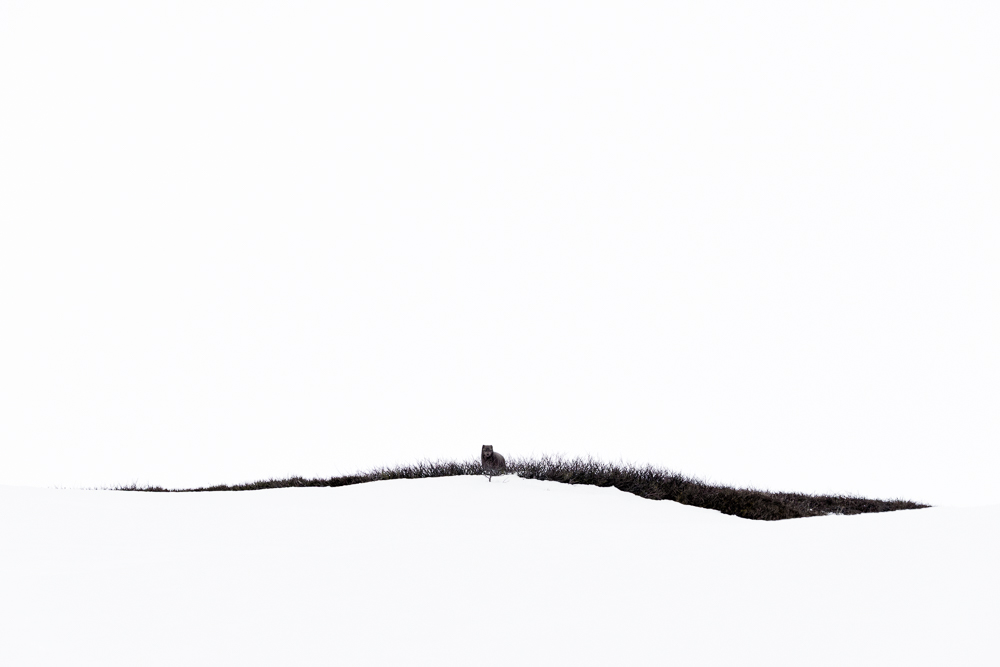
Photography is about more than just technical precision. It’s about capturing emotion and telling a story. In Arctic fox photography, this often means finding ways to highlight the animal’s fragility and resilience in an unforgiving environment. I love images portraying the fox as a solitary figure amidst vast, barren landscapes, reinforcing the isolation that defines much of the Arctic. By placing the fox in wide, empty frames, I can underscore its challenges as a small predator in a vast wilderness, subtly commenting on the environmental threats posed by climate change.
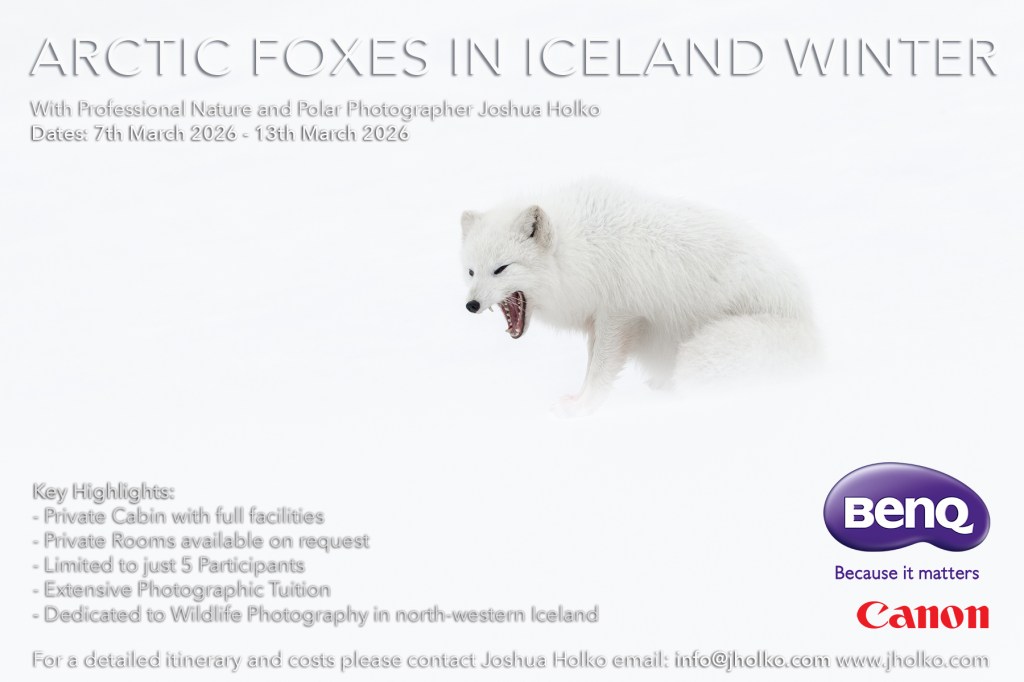
In some photographs, it’s possible to show the Arctic fox’s lighter side, offering a sense of hope and vitality even in such a stark environment. These contrasting moods—loneliness and playfulness, vulnerability and strength—are key elements in an effective storytelling approach to wildlife photography.

Photography in the Arctic is not just about creating stunning images; it’s also about raising awareness of the threats facing this fragile ecosystem. The Arctic fox, while adaptable, is increasingly vulnerable to climate change. As temperatures rise and sea ice retreats, their hunting grounds are shifting, and competition with other predators, like the red fox, is intensifying. It is my hope to inspire others to not only appreciate the beauty of the Arctic but also to take action to protect it. Our photographs serve as a powerful reminder of what’s at stake, offering a window into a world that is rapidly changing.

My own approach to Arctic fox photography, I believe, is defined by patience, preparation, and a deep respect for the natural world. My images capture the Arctic fox in its element, offering a rare glimpse into the life of one of the Arctic’s most enchanting creatures. Through the lens, the Arctic fox becomes more than just a subject; it becomes a symbol of the Arctic’s resilience and vulnerability, inviting viewers to connect with both the animal and its environment in profound ways.

For those inspired by my work, the challenge of photographing the Arctic fox is an invitation to step into one of the most extreme and beautiful landscapes on Earth, where patience and persistence are rewarded with images that evoke the timeless spirit of the frozen North.

Wild Nature Photo Travel Team Launch 2024

Today, I am excited to launch a new and exciting cooperative initiative: the Wild Nature Photo Travel Team. The Wild Nature Photo Travel Team is an invitation-only team for photographers who have participated in at least one of our workshops or expeditions and would like to take advantage of our exclusive team membership benefits. Just one of the exciting benefits of membership is that there is NO single supplement on our workshops or expeditions (a huge cost saving for members). The full details of the team are already available online at Wild Nature Photo Travel Team.

ABOUT: The Wild Nature Photo Travel Team is an invitation-only team program for photographers and travellers who have participated in at least one of our Workshops or Expeditions and who would like to enjoy the travel and networking benefits of our exclusive team membership. We have quietly been inviting participants over the last couple of weeks, and our team already comprises photographers worldwide, many of whom have travelled and photographed with us across the planet, from the frigid polar regions of the Arctic and Antarctic to the arid deserts of Africa and beyond. When you join the Wild Nature Photo Travel Team, you gain access to our exclusive membership benefits below and access to one of the most knowledgeable and experienced photography travel groups in the world today.

Membership Benefits

  • As a team member, you will enjoy no single supplement costs for any of our specified workshops or expeditions, which will result in huge savings on travel costs. Travelling with your partner? No problem, contact us on an as needs basis to be personally looked after.
  • Receive early notification of upcoming Workshops and Expeditions, including preferential cabin or room selection when available.
  • You will have exclusive access to the Wild Nature Photo WhatsApp Team group chat. Here, you can ask questions and get answers about your photography and printing needs. You can also network with like-minded travellers and photographers in a private, knowledgeable, and exclusive group.
  • Exclusive discounts on selected workshops and expeditions, including last-minute places or cancellation options.
  • Bespoke Wild Nature Photo Travel Team Jacket. A custom-made high-end polar fleece mid-layer jacket designed and made in cooperation with Icelandic clothing company 66º North (RRP $275 USD). Designed for use as either a mid-layer on those cold winter days or as an outer layer on warmer days or during more strenuous activity.
  • Selective discounts on partner products from companies such as BenQ Photographic Displays, Mr. Jan Gear Camera bags and X-Rite Color Management Solutions.
  • Early Access to each episode of the Wild Nature Photography Podcast
  • Preferred Insurance options with Global Rescue Travel Insurance Partner

Membership Fee

Your one-time investment of $500 USD ensures your membership in our exclusive team for five years.

Want to join the Wild Nature Photo Travel Team? Simply email us, and we will take care of your membership.

Australian Photographic Prize 2024 Nature Single Capture Gold Awards

Since the voluntary administration and closing of the AIPP (Australian Institute of Professional Photography), I have steered clear of the new Australian Photographic Prize Award. Like a phoenix from the ashes, the Australian Photographic Prize arose as a direct result of ex-AIPP member’s desires to maintain a high-level photographic (both print and digital) competition in Australia for both professionals and amateurs (after the Australian Professional Photography Awards that were an inseparable part of the AIPP became no more). I chose to avoid (not boycott) the Australian Photographic Prize (APP) in its first two years since I was on the board of directors that took part in the decision to shut down the AIPP via voluntary wind-up due to predicted and inevitable insolvency (based on projected cash flows). At the time, this was the fiscally responsible decision (although much has been touted otherwise), and I still believe this to be the case as a director who was privy to the full picture of the organization’s finances. As of today, there still remains a small chance the AIPP may be re-born – pending a Supreme Court decision on what is to become of the remaining surplus funds. I have a feeling we have not seen the end of the AIPP, and it may yet re-emerge in one form or another.

This year, I decided to put the closure of the AIPP behind me (since it felt like the dust had significantly settled) and enter the single-image Nature category of the Australian Photographic Prize. The Nature category was judged yesterday, and I just caught up on the preliminary results on You-Tube during some downtime here in Mongolia (on my summer workshop for Pallas Cats). Much like the deceased APPA awards, the APP awards are judged by a team of five professional photographers on a moderated panel. Of the five photographs I chose to enter this year, all five made the final round of judging (top 35 entered images). Three of the five have gone to receive highly coveted Gold Awards, and the remaining two racked up Silver with Distinction awards, with one photograph (of the two back-lit Cheetahs) being a single point off a fourth Gold award. Screenshots of the judge’s scores and images are included below. You can also watch the recorded live-steam for the Single Image Nature category below. The overall winner of the category will be announced in the next few days.

Addendum: Since this post, I have been notified that two of my photographs (the owl and Pallas cat) were in the final round of judging as grand finalist images.