Arctic Foxes of Kviar in Winter in Iceland Workshop Report 2026 

In March of 2026, I ran my annual Winter workshop to Kviar in the Hornstrandir Nature Reserve in far northwestern Iceland to find and photograph Arctic foxes. This is a workshop I pioneered and have been running for more than ten years now. This year, our workshop was scheduled to run from the 7th of March until the 12th of March. However, the weather in early March this year in Iceland was erratic and wildly variable, and we ended up being delayed a day in Isafjord due to strong winds that made the boat crossing and landing at the beach at the cabin impossible. This one-day delay did not dampen our spirits, and early the following morning, we were safely on our way to our cabin in the Nature Reserve. As it turned out, the one-day delay would really pay off in terms of the conditions we would have for the duration of the trip.

With strong winds creating a large shore break that made landing at the cabin difficult, we decided to land a little down the coast at a small sheltered spit area, which necessitated a roughly 1km hike to our cabin. Thankfully, we were able to land our luggage at the cabin so it was only ourselves and camera gear that we had to carry. This is only the 2nd time in over a decade of travelling to this location that I have been unable to land directly at the cabin. The strong winds the day before had whipped the ocean waves up, and the breakers on the beach meant it was unsafe to land a zodiac with people. On arrival at the cabin, the foxes that live in the area were already curious and could be seen and photographed close to the house.

Our workshop accommodation was a cozy but rugged haven where we enjoyed a great atmosphere after a day out in the cold, photographing Arctic Foxes. The house was originally built in 1921. In 1948 (just 27 years later), the last inhabitants left this isolated arctic peninsula for a better life. The cabin was abandoned for many years and has recently been restored. Although no one lives here permanently, the cabin was a great getaway and the perfect place to accommodate us whilst we searched for and photographed wild Arctic Foxes. Curious Arctic Foxes frequently stopped past the cabin to investigate. We often photographed them from right outside the cabin.

Thank you to Jerry Weimar, who participated in this year’s trip, for the landscape photograph above. The cabin includes a bathroom, toilet, and hot shower. Bunk-bed accommodation with duvets provided, a full kitchen (chef to prepare meals and clean), and Hydronic and log-fire heating. There is power for laptop battery charging (generator provided) and an outdoor sauna.

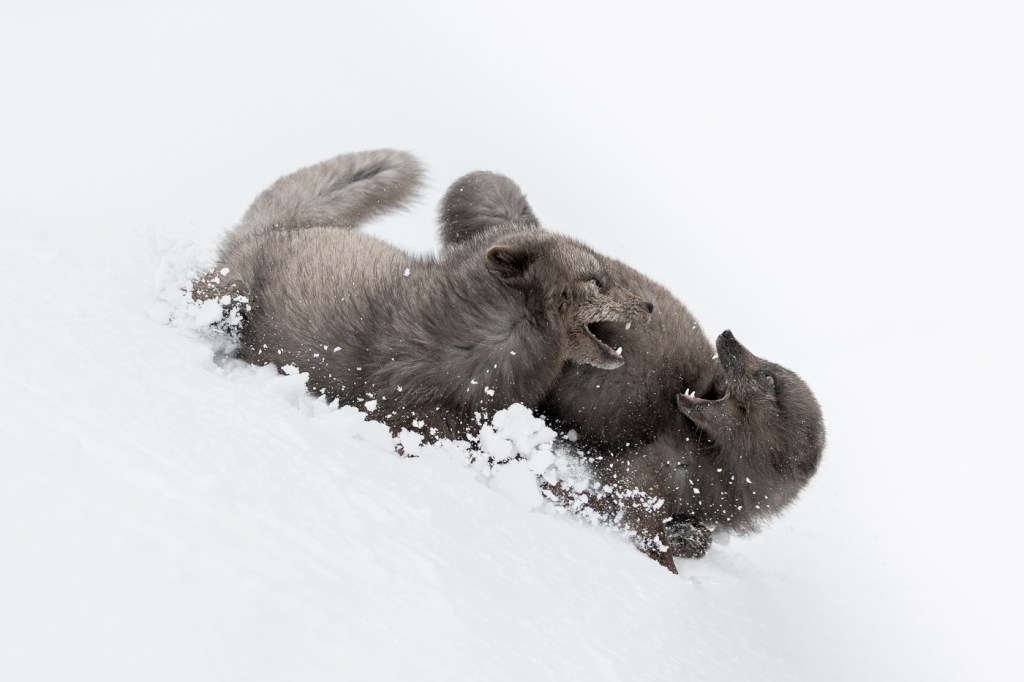
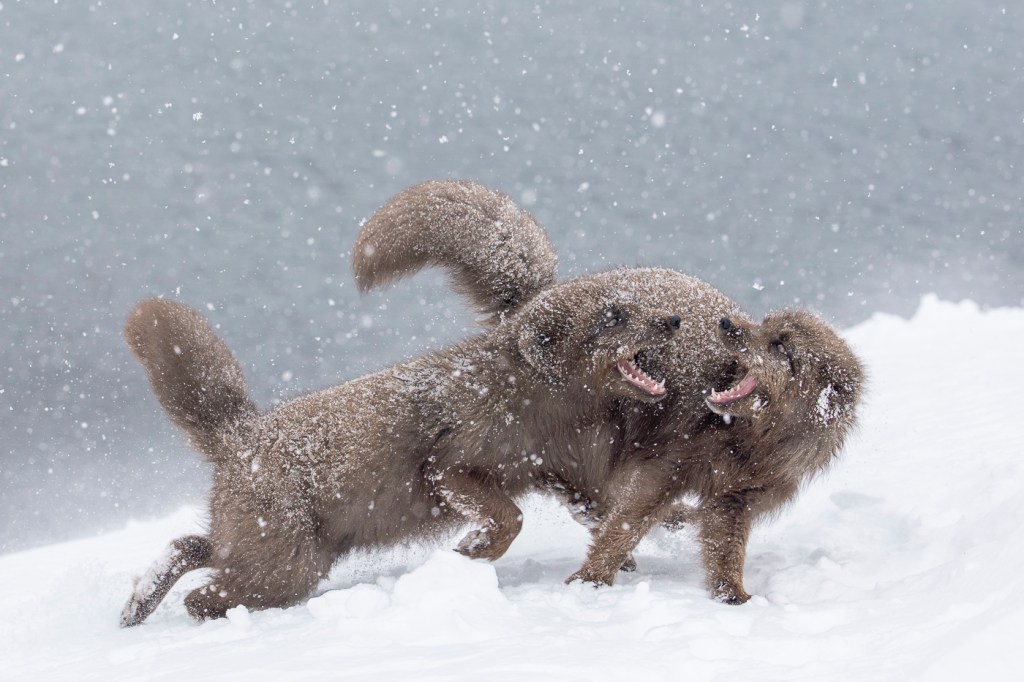
Over the course of the workshop, we photographed four different blue-morph foxes, including three first-year cubs that I had photographed last year, a few days after they came out of the den (Read the Trip Report). This was one of the few opportunities I have had over the years to photograph multiple foxes together, and although the fight looks serious, it’s mostly play between siblings and no harm, no foul.

The weather on our second trip also continued its wild variation. We began with good snow cover on our first day, which melted during warm-front rain in the evening, only to be replaced the following day with non-stop snow that continued right up until our departure. This non-stop snow made for absolutely superb, albeit challenging conditions to photograph the Arctic Foxes.

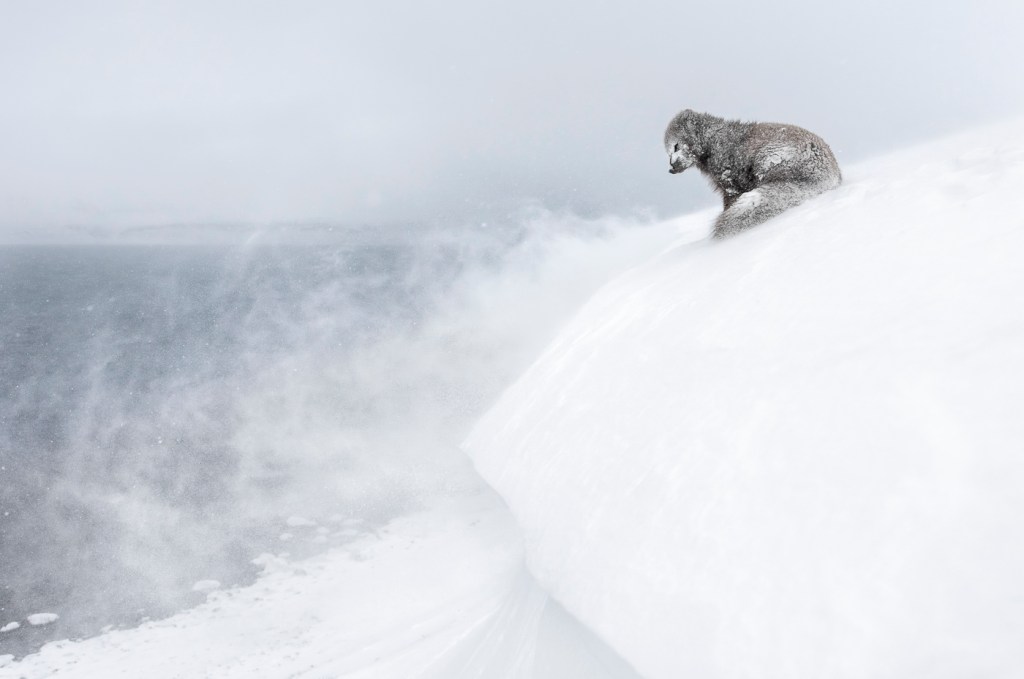
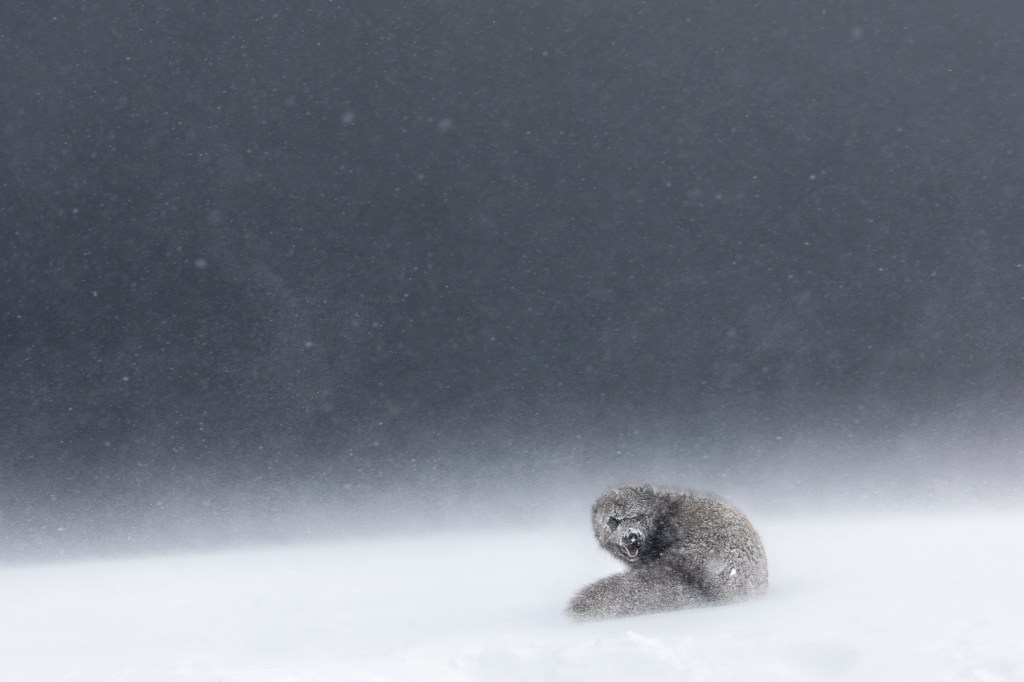
Days three and four, we had continual, intensified snowfall and strong winds, making for incredibly dramatic photography. These are my absolute favourite conditions in which to photograph wildlife in this part of Iceland. The flying snow can make photography a little more difficult, but the results are absolutely worth the effort, and everyone made incredible photographs over the course of the trip.

On our scheduled day of departure, Iceland threw another of its winter weather curveballs at us, stranding us an extra day out at our cabin. This turned out to be a blessing, making up for our lost day at the beginning and providing us with more wonderful photographs in the dramatic winter snow conditions. Although it would have been possible to land at the beach on our scheduled departure day, the wind in the channel would have made the crossing impossible.

The Hornstrandir Nature reserve continues to serve up both an incredible experience and a continual opportunity to create powerful, evocative photographs of the Arctic fox. In my many years as a specialist polar photographer, I have yet to find or encounter a location that offers more reliable and better encounters in a winter setting.

We are returning again in February next year, 2027, to photograph these amazing Arctic survivors and will take a small group of just five photographers with us. To reach this unique location, you will first fly to Keflavik International Airport in Iceland, followed by an internal flight to Isafjordur, the official starting point of the workshop. From here, we will take a privately chartered boat to Hornstrandir. This trip also offers a unique perspective of the dramatic coastline, characterised by towering cliffs, deep fjords, and pristine natural beauty. If you would like to join us, please get in touch as places are extremely limited. Reserve your spot on this expedition and return with a portfolio of extraordinary images that few have had the privilege of capturing.

Arctic Foxes of Sletta in Winter in Iceland Workshop Report 2026

In March of 2026, I ran a small-group workshop for five photographers to the remote Hornstrandir Nature Reserve to photograph Arctic Foxes in Winter. Like my Pallas Cat of Eastern Mongolia Report, earlier this year, this trip report will be a little different to the norm. Due to my heavy travel schedule, I will come back later in the year and update this post with additional still photographs from the trip as time permits. Personally, I shot over 13,000 RAW images over the course of the trip, so I have more than a little editing, culling and processing to do.

Our workshop kicked off in the small northwestern town of Isafjord in the West Fjords on the 2nd of March, with a short, but bumpy boat ride across the bay of forty-five minutes to our remote cabin at Sletta in the Hornstrandir Nature Reserve. Our cozy cabin was our home away from home throughout our workshop and had all the amenities we needed to be safe and comfortable. With a local house sitter and cook to look after the cabin and amentieis we were free to focus on our photography.

This time of year, the days are getting longer in Iceland, with sunrise around 8:30am and sunset around 7pm (although light levels are typically already too low by 6pm on overcast days). Our days typically began shortly after breakfast with a two- to three-hour session with the foxes, then we broke for a hot, filling lunch and a short rest. Since the foxes are most active in the morning and late afternoon, we would begin around 2:30pm and shoot until we lost the light. This meant our days consisted of a few hours of photography in the morning until lunch time and again in the afternoon until we lost the light.

During this workshop, we had the opportunity to photograph both the Blue and White Morph Arctic Foxes almost every day. On several occasions, some of us were also fortunate to have them together for a brief interaction for those quick with the shutter. Moments like this are rare and require patience and a dollop of serendipity. When the foxes do come together, it is often for the briefest of moments, and one has to be ready and quick to catch the action.

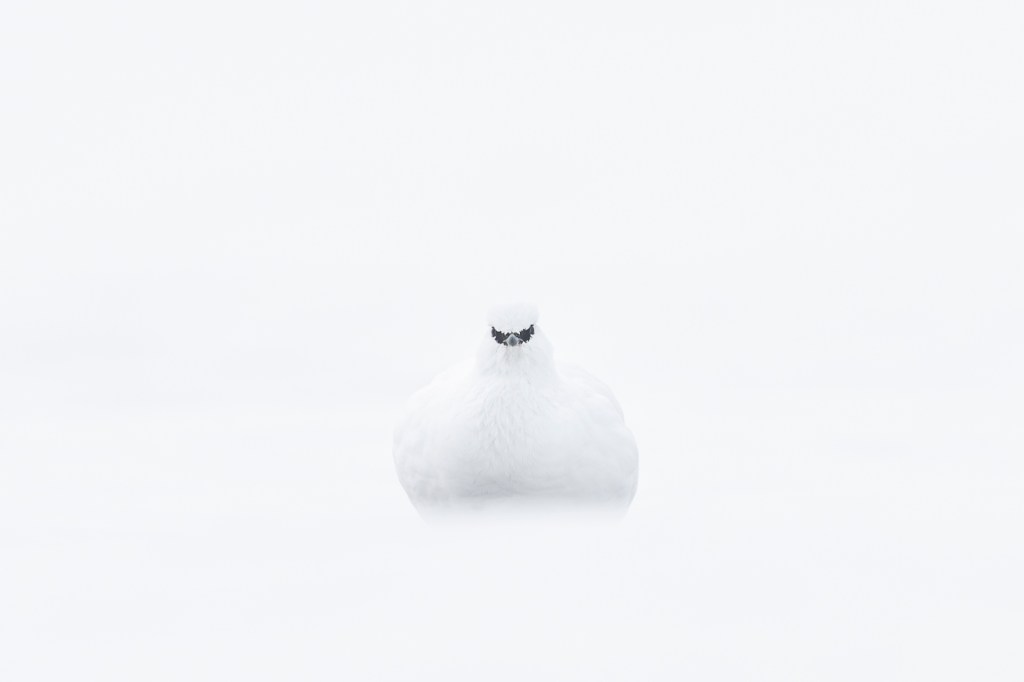
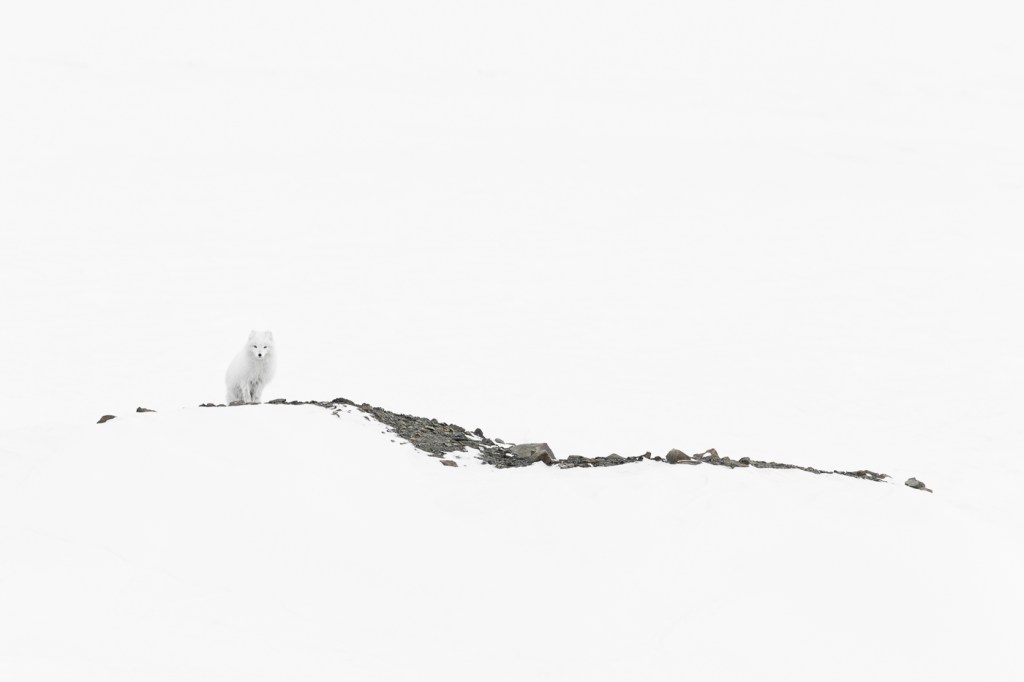
Over the course of the workshop, we saw and photographed four individuals (one white and three blue), although most of our work was done with the white-morph fox.

During our workshop, we experienced the full range of conditions Iceland could serve up, including crazy wind and flying snow (who doesn’t love a good Arctic storm to photograph Arctic Foxes!), gentle, delicate snowflakes drifting on an Arctic sea breeze, and calm blue skies and sunshine. This mix of weather enabled us to create a broad, diverse portfolio of work over the course of our time in the Nature reserve.

We took the opportunity to vary our setting and background throughout the trip, frequently moving from the nearby beach area to the back mountains behind the cabin, the nearby waterfall and river and the far western beach. Background is critical to a great wildlife photograph, and by moving around, we gave ourselves the best opportunities to vary the setting for different photographs. Personally, I always like to try to capture a selection of images that help tell the story of the fox in its environment.

My sincere thanks, as always, to all the clients who participated in this trip and placed their trust in me and my company, Wild Nature Photo Travel, to deliver a wonderful, productive workshop with these amazing foxes. Just some of the feedback from our workshop is included below.

Ellen – You are so awesome! Thank you for a fantastic trip (as well as getting me back to the cabin!) This trip will stay in my mind for a very long time. Wishing you and Suzy a very happy and long life together!

Jack – Thank you SO much for making this another great adventure!! You always go above and beyond!

We are returning again in February next year, 2027, to photograph these amazing Arctic survivors. To reach this unique location, you will need to fly to Keflavik International Airport in Iceland, followed by an internal flight to Isafjordur, the official starting point of the workshop. From here, we take a privately chartered boat to Hornstrandir. This trip also offers a unique perspective of the dramatic coastline, characterised by towering cliffs, deep fjords, and pristine natural beauty. If you would like to join us, please get in touch as places are extremely limited. Reserve your spot on this expedition and return with a portfolio of extraordinary images that few have had the privilege of capturing.

Dynamic Range is Just Not That Important March 2026

It is not very often I share a third-party video, but this one from David Bergman (for Adorama TV) on why Dynamic Range is not nearly as important as most people think just hits the nail on the head. Ask yourself, when was the last time you saw a really great photograph with 12 or more stops of dynamic range? The answer is you probably haven’t, and the reason is that most great photographs actually have quite a limited dynamic range because they are taken in soft light. Just as an aside, I have long said that we should not measure cameras by their dynamic range but instead by their ISO performance (signal-to-noise ratio).

Contrary to some beliefs, dynamic range and signal-to-noise ratio are not the same, although both measure camera performance in decibels and are closely related. Dynamic range is the ratio between the maximum signal a sensor can handle and its lowest detectable signal (noise floor), while signal-to-noise measures signal quality at any given specific intensity.

In layman’s terms, dynamic range measures the span between the brightest highlights and darkest shadows a camera can capture in a single exposure without losing detail (clipping). In effect, it defines the camera’s ability to handle high-contrast scenes. The signal-to-noise ratio measures the ratio of signal strength to noise at a specific brightness level. SNR is highest at full-scale output and decreases in lower light.

There are some important key differences between the two. Dynamic Range describes the range of intensity, while Signal to noise describes the quality of the signal at one point. A camera with a high dynamic range may still have poor signal-to-noise if the noise floor is high or high SNR with low dynamic range.

What I Would Like To See Next from Canon 2026

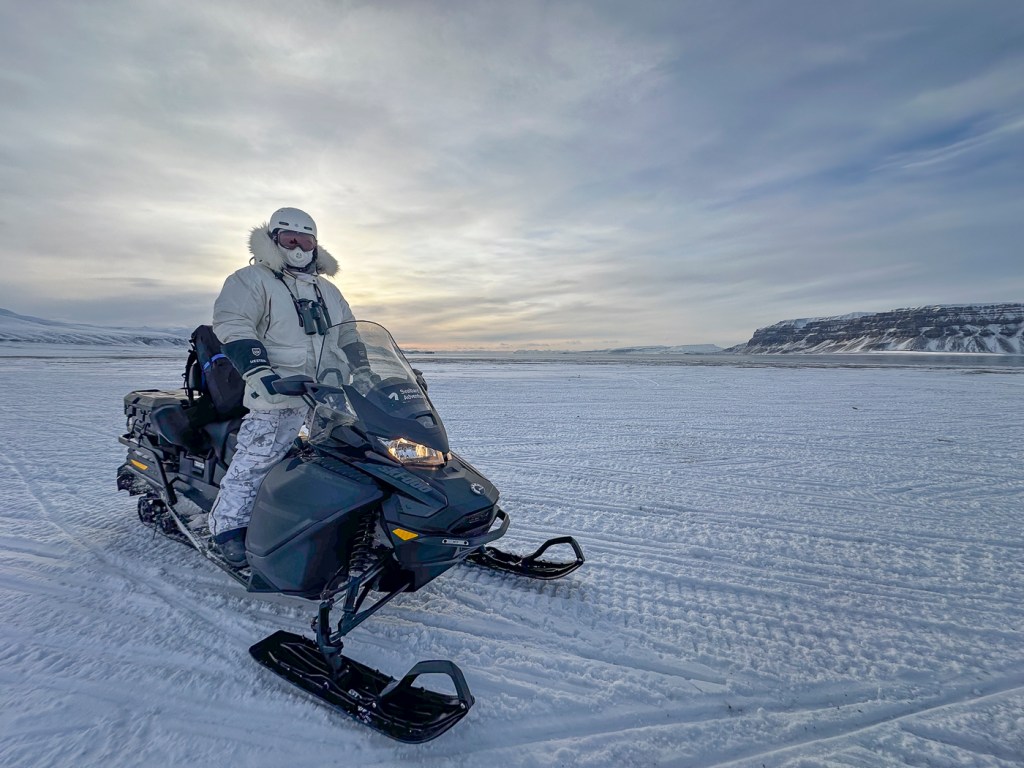
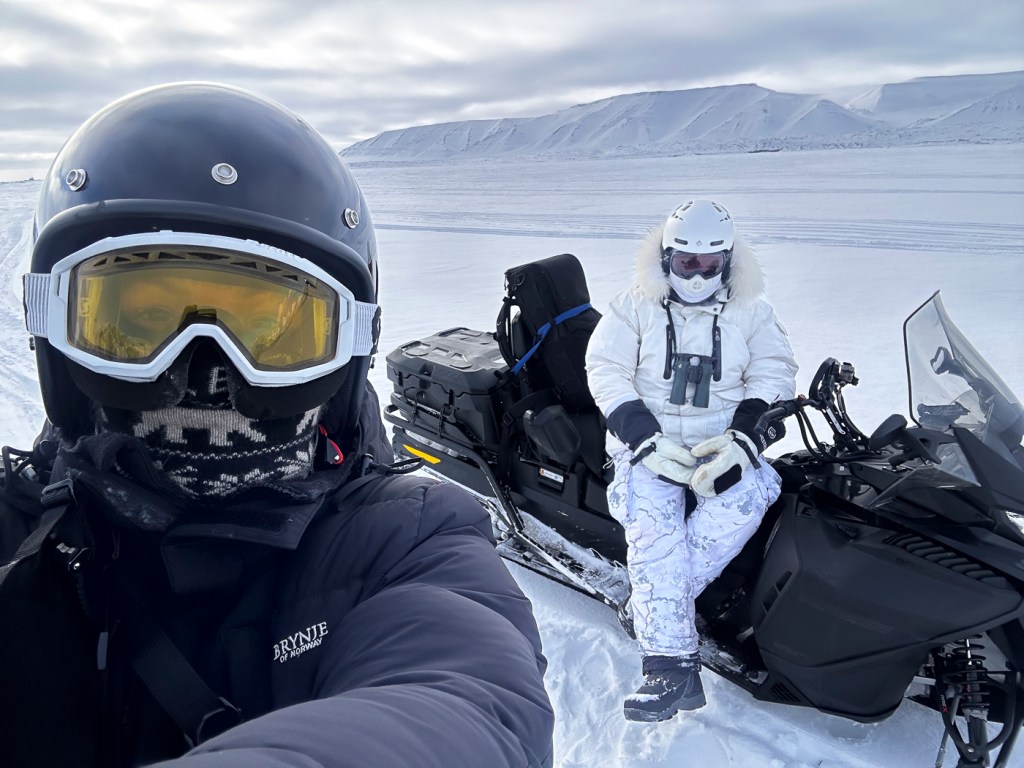
We are well into the first quarter of 2026, and to date I have been in Australia, Mongolia (for Pallas Cat and Snow Leopard), the UAE (United Arab Emirates for the incredible Xposure festival), Colombia (for Birds), and Iceland (for two Arctic Fox trips and a private landscape trip) and in a couple of weeks I will be in Svalbard, north of Norway for both a private Snow Scooter trip and a 10-day boat charter. That’s six countries in just three months, more than 60,000 RAW captures with my two Canon EOS R1s, and a lot of time in airports in transit around the world. And that got me thinking… With all the photography I have already done this year, what do I want to see next from Canon?

Pre-Capture: First and foremost, I want a firmware update to bind pre-capture to a single custom button on the EOSR1. I wrote extensively about this feature request recently HERE, so I won’t belabour the point further. I have subsequently written to Canon Australia and am hopeful we will see this feature via firmware soon. I feel somewhat blessed that we at least have RAW pre-capture, and are not limited to jpeg, as is currently the case with Nikon. As an aside, Sony already allows pre-capture binding (as does the Canon EOS R6 MK3).

RF Extension Tubes: Currently, the RF lens lineup has some gaps that I would very much like to see Canon fill. These include an RF extension tube or a series of tubes. Canon used to make EF extension tubes, and these are extremely useful for closing the close focus distance on subjects in the field. I still own an EF extension tube, but unfortunately, these cannot be adapted to RF glass. There are a number of aftermarket options available, with mixed reviews, but nothing from Canon currently. Extension tubes are most commonly used for Macro work, but they are also a really useful tool for wildlife photographers who want to capture tight headshots of small subjects or small details.

Mega Pixels: 24 is enough for what I do and provides incredible high-ISO performance to boot in the EOS R1. I have no hesitation in shooting the EOS R1 at ISO 12,800 or even ISO 25,600. That said, I would gladly trade more pixels (anything over 24) for even better ISO performance, but I fear we are reaching the limit of physics at this point, and further improvements in ISO performance in the future are likely to be mostly computational. I know others want more pixels for cropping power – I am just not amongst them. If you need more than 24 megapixels, buy an EOS R5 MK2.

Canon Camera Connect App: I would like to see significant improvements in this App that make it more reliable and stable in connection and much faster to use in the field. Currently, connecting to the camera is too slow to be a viable method of camera control for wildlife (most of the time). The app also frustratingly drops its connection on occasion and can be problematic with reconnection. If the application were faster to connect and more reliable, it would turn any smartphone into a fantastic control screen for any Polecam or camera trap system.

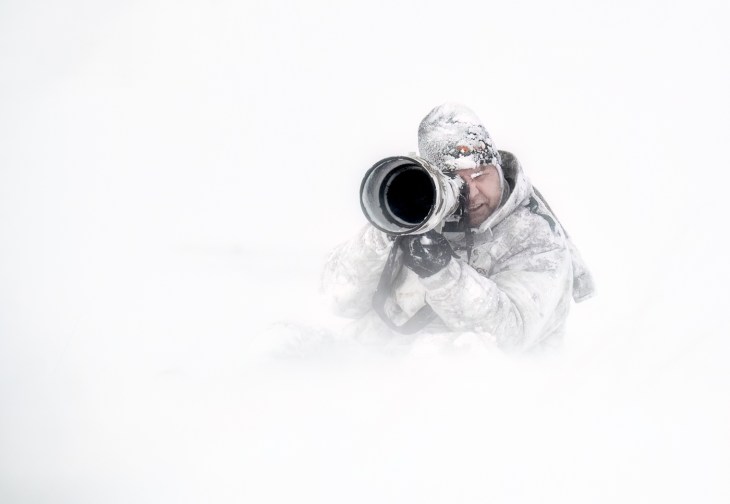
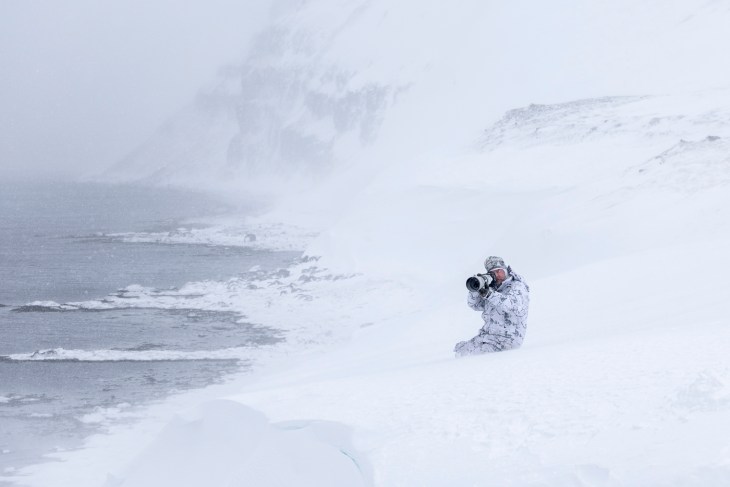
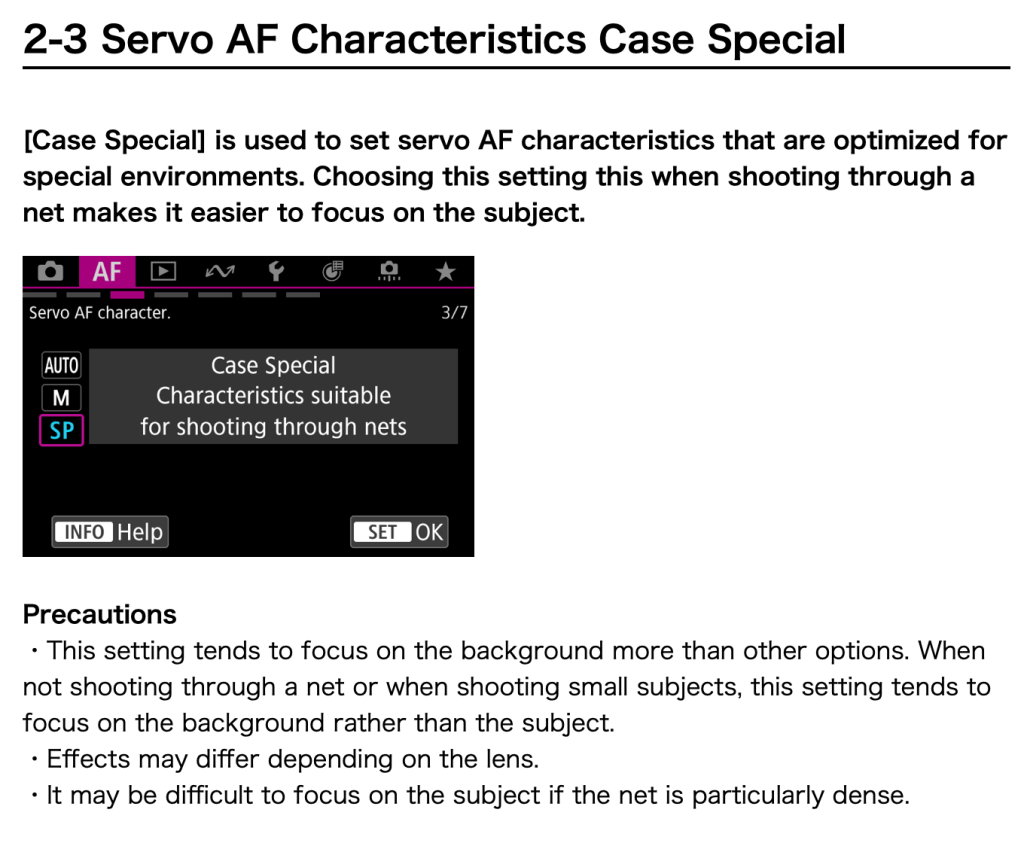
Auto Focus: The autofocus in the EOS R1 is the best I have ever used and the camera tracks subjects better than all previous Canon cameras. Its ability to track and stay on the subject’s eye is phenomenal. However, it cannot ‘stay on target’ as well as the EOS 1DX MK2 or MK3 could in heavy snowfall, and has a nasty, annoying habit of grabbing snowflakes in front of the subject. Even tweaking the AF sensitivity settings in the AF menu cannot overcome this issue. This is an issue I have seen repeated on the Nikon Z9 and Sony A1 and A1 MK2 cameras. In general, the AF on these cameras is so ‘tweaked’ and sensitive that falling snow causes continual interference. On my previous 1DX MK3, I could not track the subject’s eye (the camera did not have eye tracking), but I could keep the focus points on the subject, and the camera would successfully ignore falling snow. This could be addressed in firmware with a ‘snow setting’. If we can have a special ‘net’ setting to avoid the net in soccer goals (for photographers shooting from behind the net), we can have a snowfall setting, please, Canon.

Action Priority: Canon has teased us with the initial offering of ‘Action Priority’ for select sports. Further down the line, special focus cases for different wildlife could be a real boon with this technology.

Telephoto Lenses: Over the years, Canon has made both f1.8 and f2.0 EF 200mm lenses. With the RF system, it should be possible (in theory) to make a 200mm lens even faster than f1.8 (or another at f1.8). Such a lens would be the background ‘obliterator’ and an awesome tool in the arsenal of any wildlife photographer whose subject distance can be controlled relatively easily. Penguins, for example, would be the ideal subject for such a lens. Portrait and Wedding photographers would also have strong arguement to employ such a lens. Lenses such as this are highly specialised, but offer creative options not otherwise available. Lenses such as this also tend to be showpieces of what is possible by a manufacturer, but do serve a real functional purpose for creatives.

Super Telephoto Lenses: The much-rumoured 300-600mm RF lens is certainly on my wish list and would complement Canon’s excellent RF 100-300mm F2.8L IS USM lens. I would also love an RF 600mm f4 with a built-in 1.4 or 1.7 teleconverter. The addition of a built-in teleconverter makes a huge difference in the field when you have a subject like a Polar Bear slowly approaching from a distance. Those few seconds saved by flicking in a built-in teleconverter vs having to unscrew the lens and screw in a converter can often mean the difference between getting the shot and missing the best moment. I would also appreciate an 800mm f6.3 DO lens that is small and lightweight for hiking (like Nikon offers), yet still offers incredible reach with a reasonably fast aperture. Such a lens would be fantastic for hard-to-reach targets, such as Snow Leopards or small birds.

Ridiculous Super Telephoto Lenses: Ok, it’s a long shot Hail Mary, but an RF 1200mm f6.3 or f7.1 (Canon used to make an EF 1200mm f5.6) would be wonderful for bragging rights and really small birds. At this focal length, heat haze and air pollution are a real and present danger, so such a lens would be most useful for small birds and other similarly small critters. I can definitely see a use for this lens from the floating hide. The likelihood of such a lens is extremely low, as it would be very expensive to produce and very few would be sold. But Canon would sell at least one!

Tilt Shift Lenses: Canon has made really excellent EF TSE lenses over the years. The 17mm, 24mm, 50mm, and 90mm are all outstanding. I have owned the 17mm, 24mm and 90mm in recent times. All can be adapted to RF mount with the Canon adapter. RF versions have long been rumoured with talk of auto-focus capability. I am not sure I need an AF TSE lens, but I would really like a 20mm TSE in the RF mount. 20mm is my favourite focal length for wide-angle landscape work, and the addition of tilt and shift adds a lot of creative control.

It is still early in 2026 and Canon has not as yet made all its announcements for the year. With luck, we may see some of the above later this year. Let me know what you would like to see from Canon next?

Author: Joshua Holko

Svalbard Golden Spring Light Expedition April 2027 Announcement

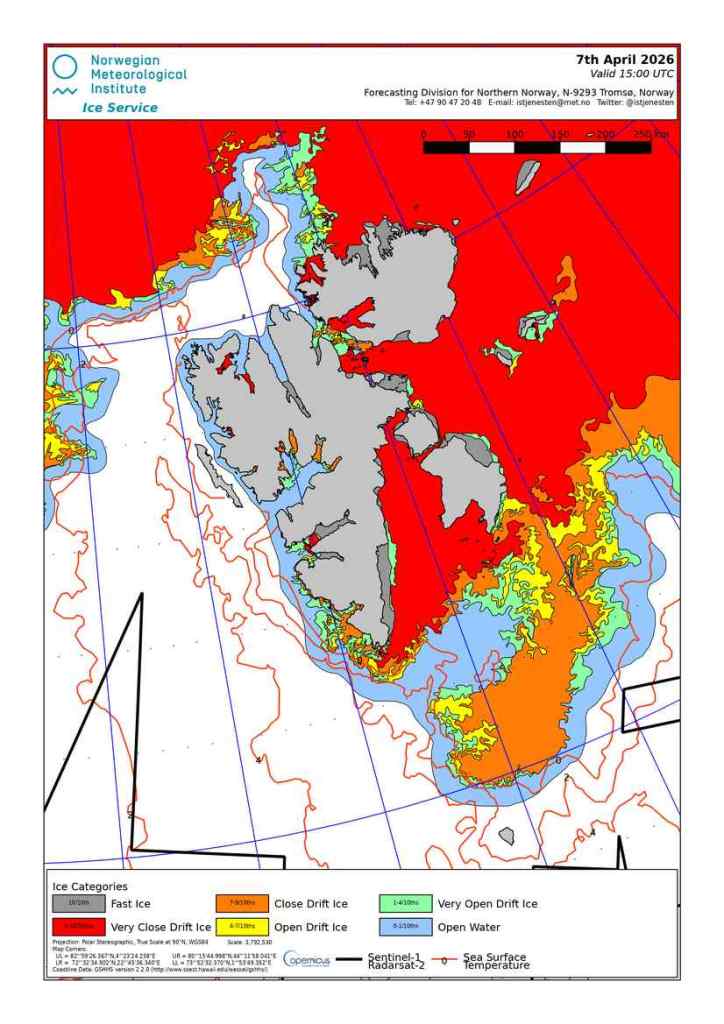
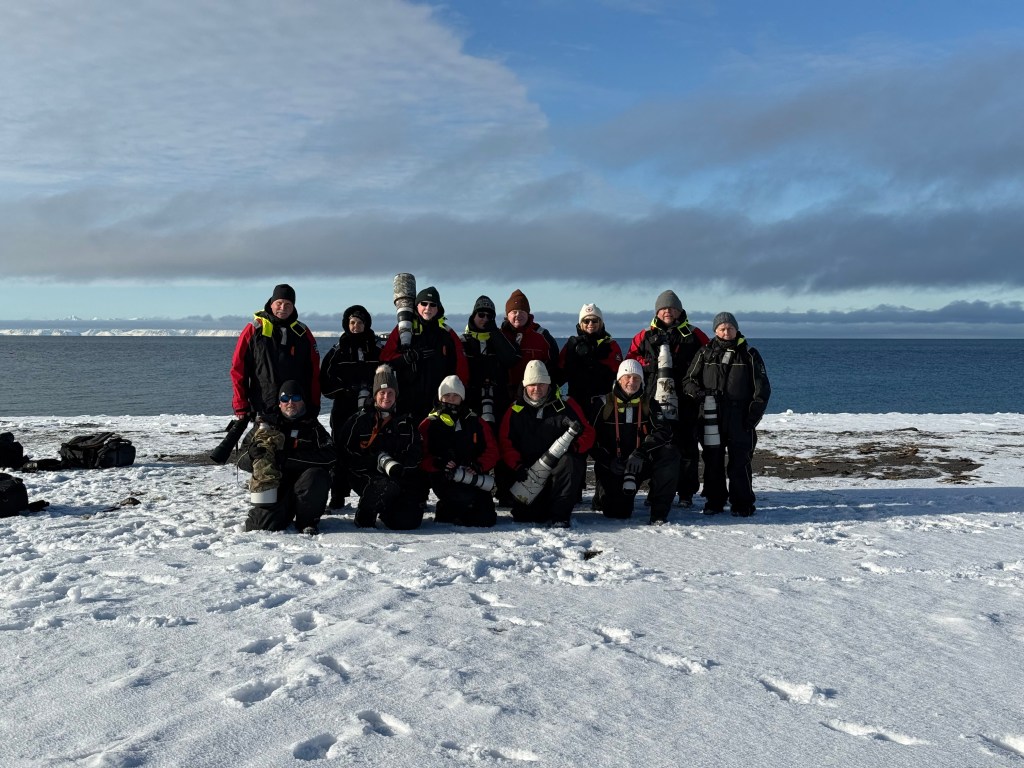
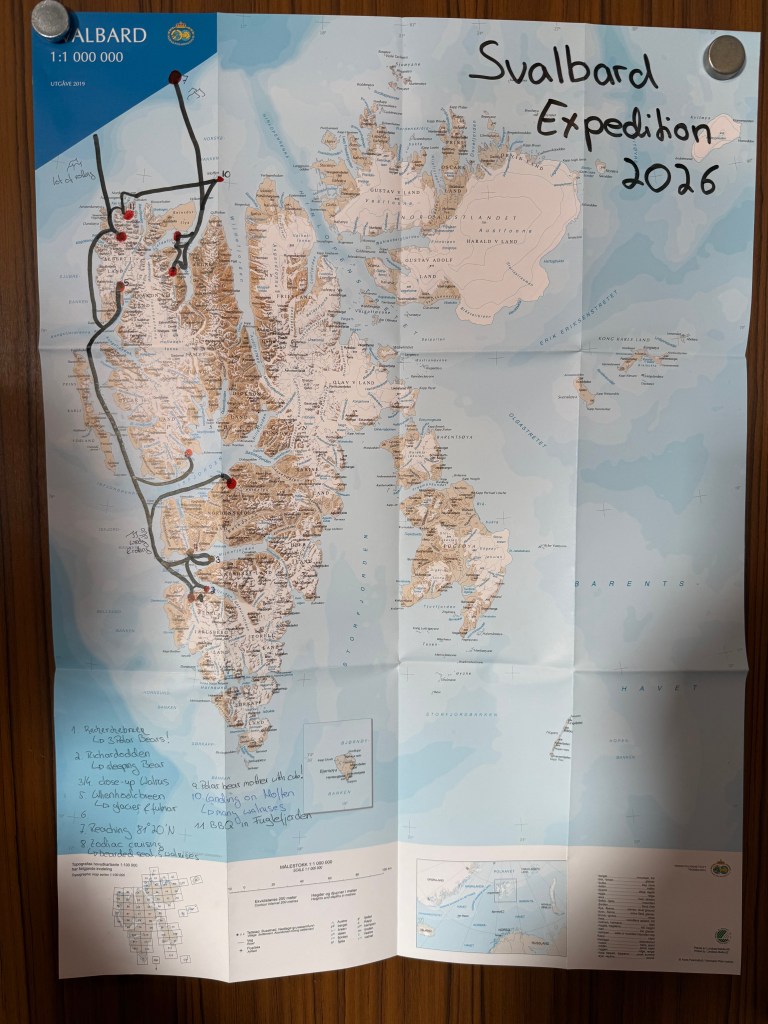
By popular demand, we have decided to offer another Svalbard Spring Light expedition in April next year. The expedition will run from the 7th to the 15th of April, 2027 and include nine nights / ten days. Early April is one of the very best times to visit Svalbard. At this time of year, the sun is still low in the sky, and the landscape is bathed in golden light.

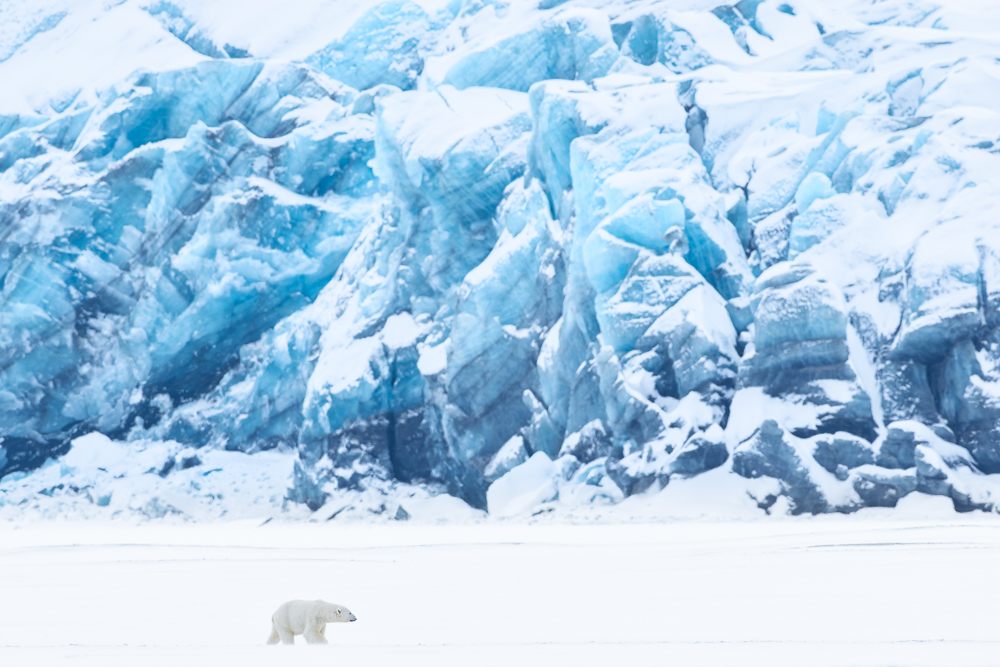
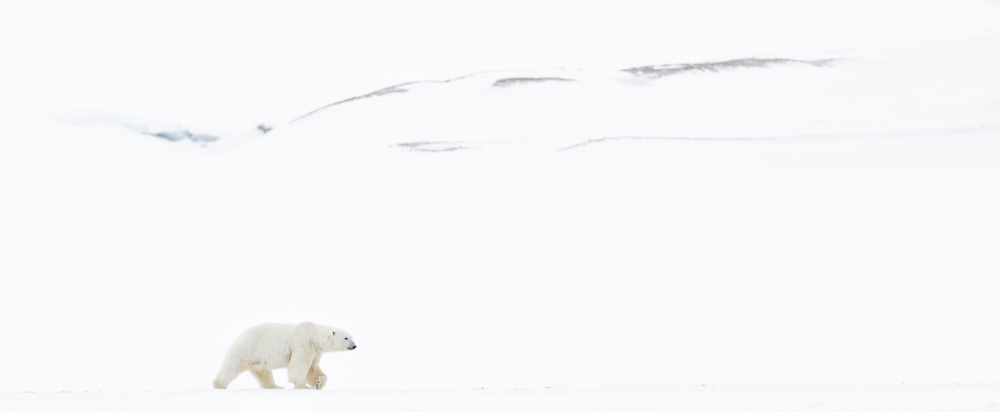
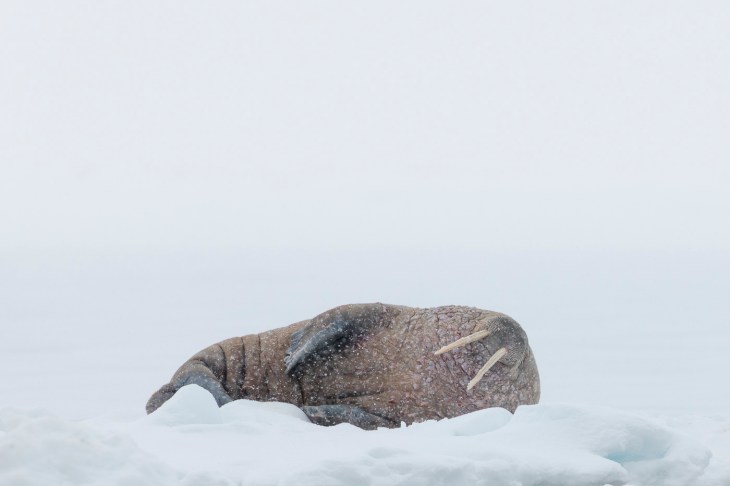
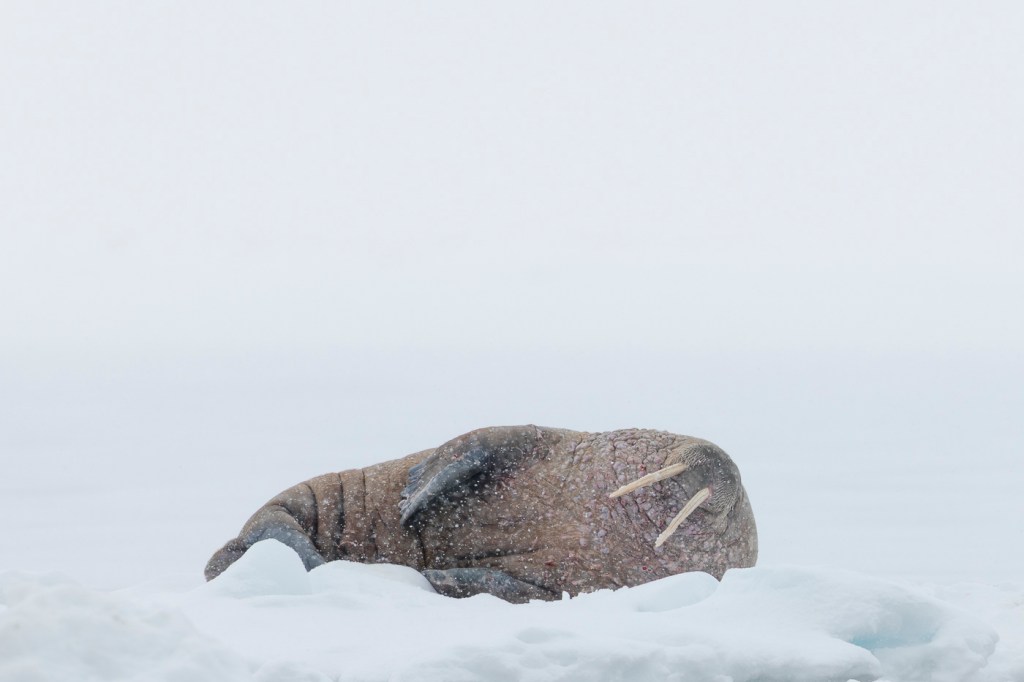
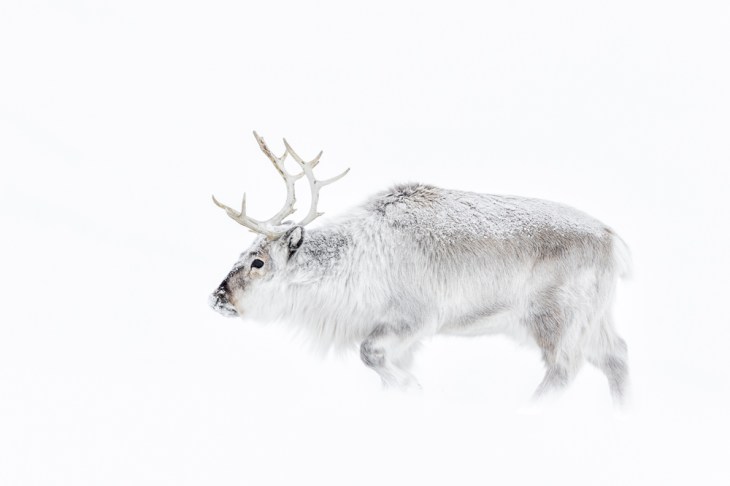
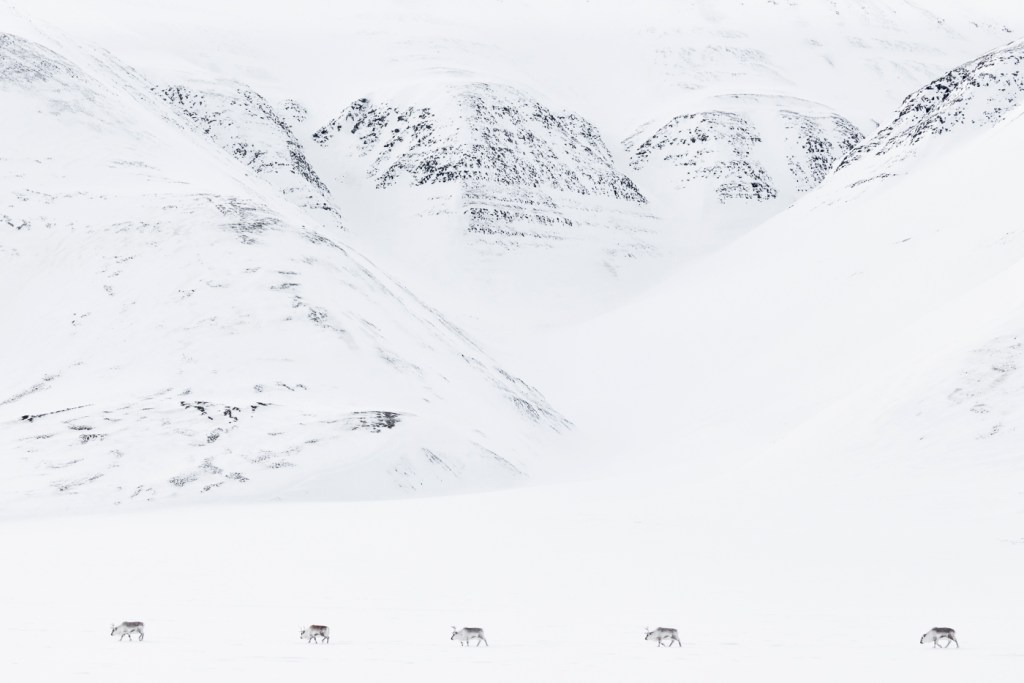
This early Spring expedition to the archipelago of Svalbard is for keen and passionate wildlife and landscape photographers who want to capture evocative and powerful photographs of Arctic wildlife (including Polar Bears, Arctic Fox, Reindeer, Walrus and more) and dramatic ice and snow-draped landscapes in golden light.

Svalbard is one of the best places in the world to photograph Arctic wildlife and landscapes, and at this time of the year, the sun will be extremely low in the sky, casting a golden glow across the landscape. We have a small group size and personal, one-on-one tuition for the duration of the workshop. There will also be many landscape opportunities during this workshop, although our primary focus is always on polar bears when possible.

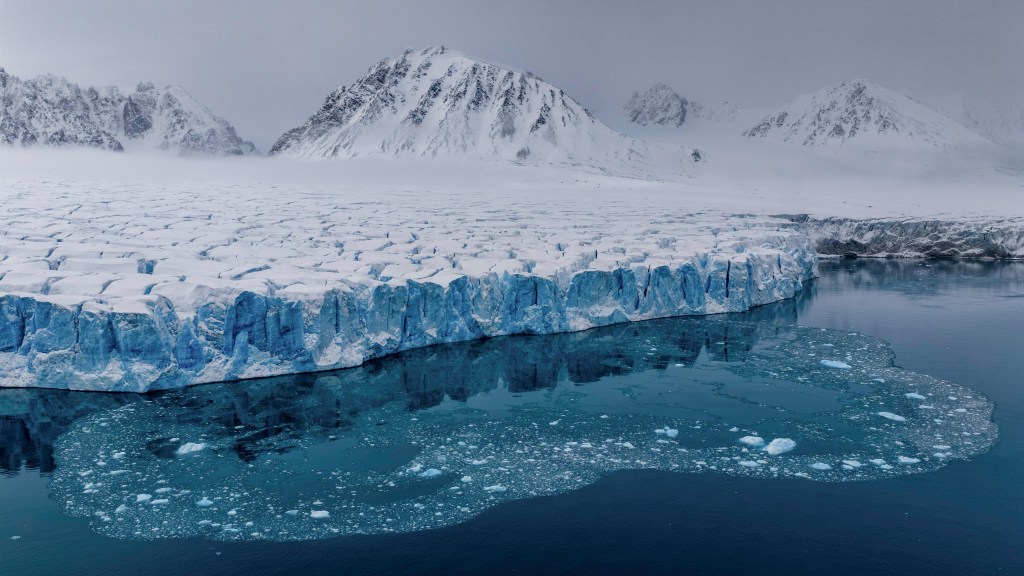
The landscape in and around the Svalbard archipelago is stunning and primordial. Glacier-scarred mountains dominate the landscape and will be a significant subject for our cameras during the expedition. The landscape opportunities are, therefore, as varied and important as the wildlife encounters.

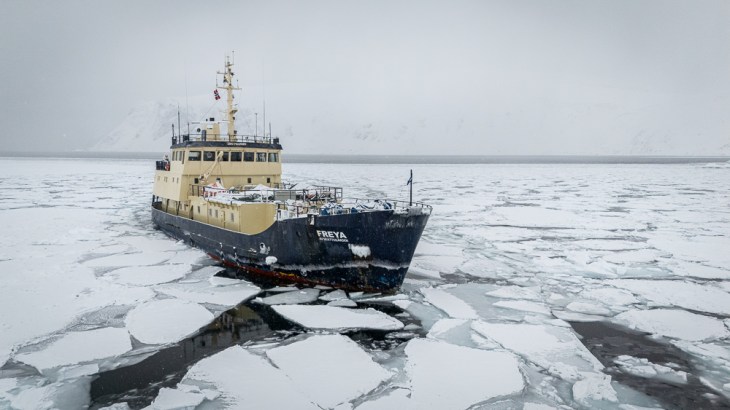
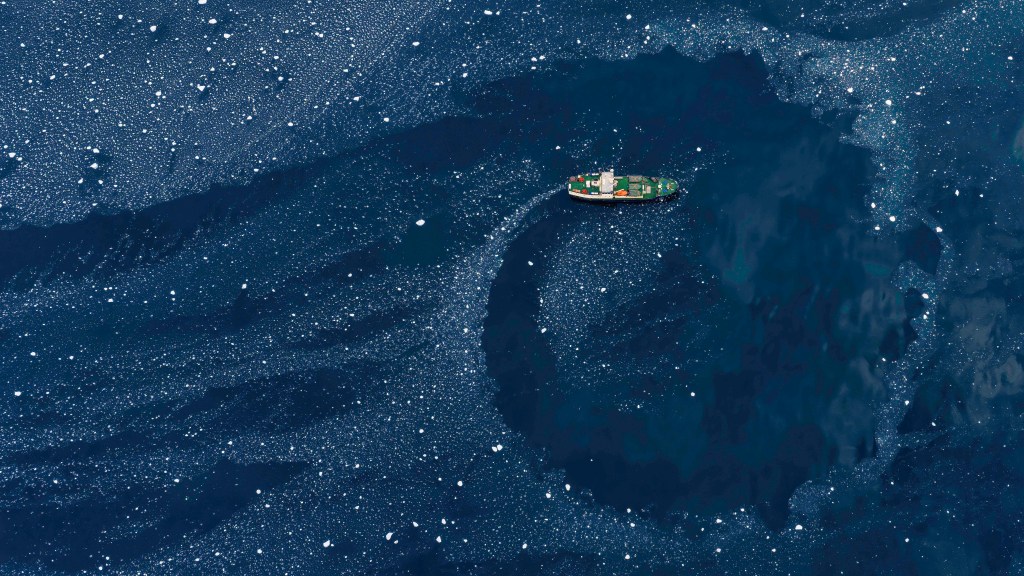
We will use the ice-hardened expedition ship M.S Freya, enabling us to navigate deep into the pack ice, searching for and photographing Polar Bears, landscapes and other wildlife. M.S Feya is regarded as one of the best ships in the Arctic for Photography. Our expedition ship is also equipped with sufficient zodiacs (2 x Zodiac MKV models) and crew for all photographers to be shooting simultaneously, with plenty of room to spare for camera equipment – So bring what you need!

Full details are now on our website at www.jholko.com/workshops. Please get in touch to reserve your place.