I have just published episode 104 of my Wild Nature Photography Podcast. In this episode, I discuss my thoughts on the new Canon EOS R5 MK2 camera now that I have had an opportunity to use the camera in the Arctic for several weeks of intense photography (Eastern Greenland and South Western Iceland). I first tested the camera back in September in Australia over three days of landscape photography down the Great Ocean Road. During this shoot, I was photographing only from a tripod and had not yet shot handheld with the camera in my preferred polar environment. My initial impressions from this shoot in Australia were all positive, and I was very keen to get the camera up to Greenland to see how it performed. After shooting with the camera in Eastern Greenland and Iceland for the last three weeks, I have (perhaps surprisingly) concluded that this camera is not for me. The files are excellent at low to moderate ISO (ISO800 and below) but fall far short of those from the EOS R3 at ISO800 and above. Since most of my photography is at moderate to high ISO (typically 800 and above), this is a significant factor in my decision-making process. Of more importance, however, is that the ergonomics of the EOS R5MK2 just don’t suit my size hands or my style of shooting. It is a wonderful camera that will undoubtedly make many people happy – but it isn’t for me. Find out more in this podcast.
I am currently working on a new deep-dive podcast on both the Canon EOS R1 and the Canon EOS R5MKII that I hope to publish later this week. The podcast will discuss the two cameras in detail as well as who is the intended market for each camera. In the meantime, I wanted to do a quick update on what is available in the way of Workshops and Expeditions for the second half of this year and early 2025.
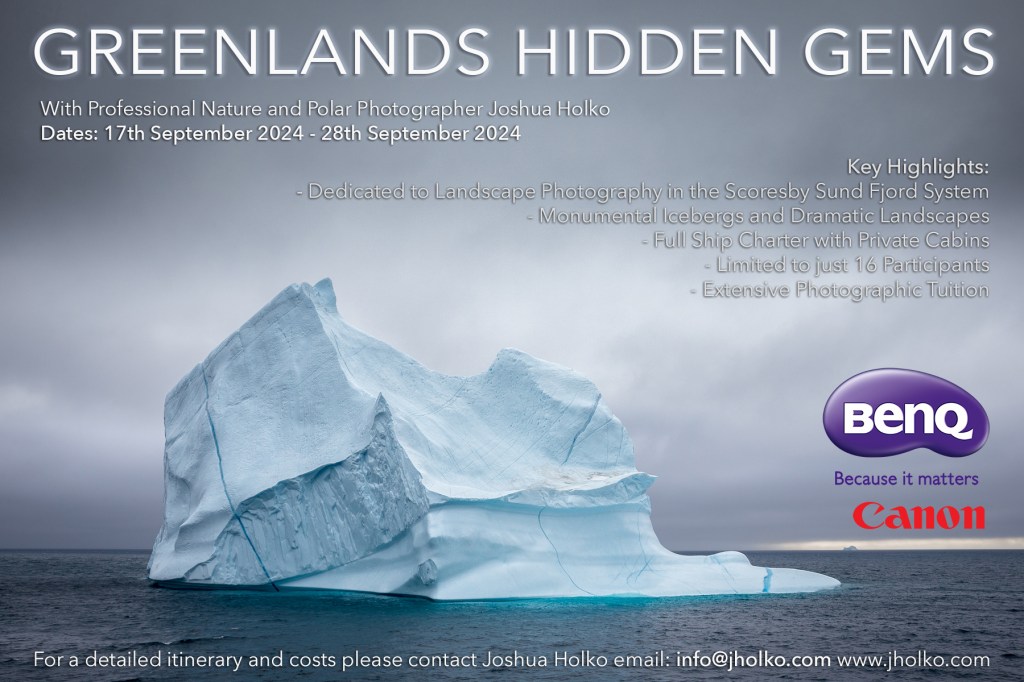
Greenland September 17th – September 28th 2024: In the next four weeks, I will be guiding an expedition to Scoresby Sund on the East coast of Greenland. There is currently one place available as a result of a medical cancellation. This expedition is for those photographers wanting to photograph the most spectacular icebergs and landscapes found anywhere on Earth in the best possible light and conditions. Late September is the ideal time to visit Scoresby Sund as the sun is low in the sky and the first sea ice begins to form. Full details of the expedition are available HERE.
Emperor Penguins November 26th – December 04th 2024: In late November, I will guide an expedition for a very small group of photographers to Gould Bay in the Weddell Sea region of Antarctica to the world’s most southerly Emperor Penguin colony. There is currently one place available as a result of a medical cancellation. Full details of the expedition are available HERE.
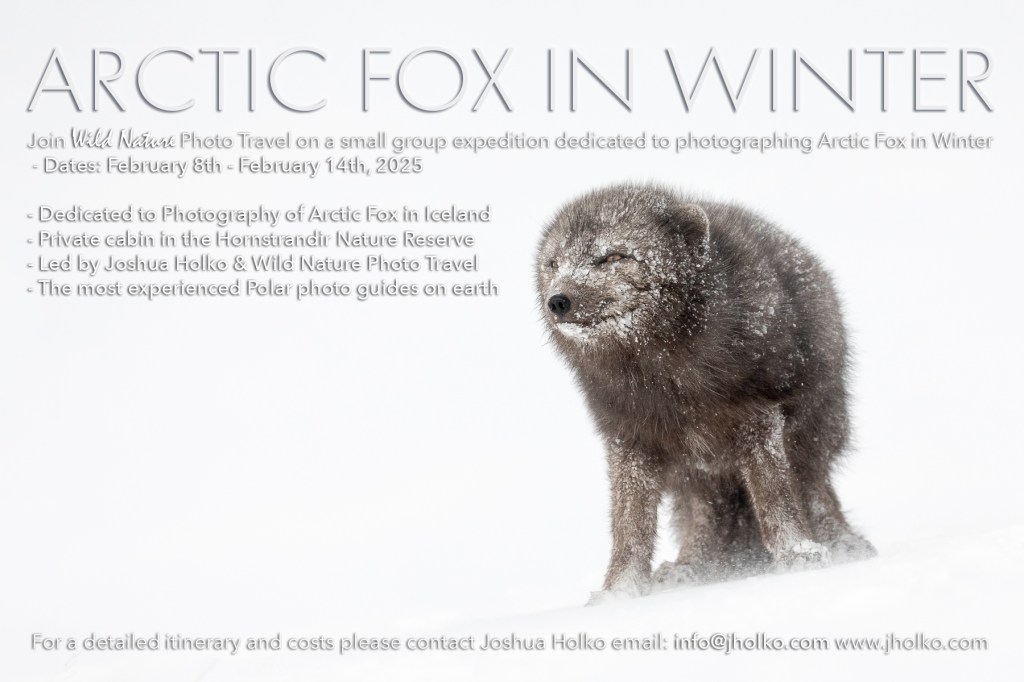
Arctic Fox Expedition February 8th – February 14th 2024 & February 15th – February 21st 2025: In February, I will guide two back-to-back workshops for Arctic Foxes in the far northwest of Iceland. There are currently two places remaining before the workshops are sold out. These are the workshops for you if you have ever wanted to photograph Nature’s greatest feat of engineering—the Arctic Fox. Full details of the expeditions are available HERE and HERE.
Zululand South Africa Ground Level Masterclass Mayth – May 16th 2025: We are now down to the last five places on my Zululand South Africa ground level masterclass workshop. This is the workshop for you if you have ever wanted to photograph Africa wildlife at eye level – from the ground and luxury hide. Full details on the workshop are available HERE. You can check out the Portfolio of work HERE to get an idea of the sort of photographs you can make on this unique experience.
Please drop me an email if you have any queries or are interested in securing one of these last places.
Today, I am excited to launch a new and exciting cooperative initiative: the Wild Nature Photo Travel Team. The Wild Nature Photo Travel Team is an invitation-only team for photographers who have participated in at least one of our workshops or expeditions and would like to take advantage of our exclusive team membership benefits. Just one of the exciting benefits of membership is that there is NO single supplement on our workshops or expeditions (a huge cost saving for members). The full details of the team are already available online at Wild Nature Photo Travel Team.
ABOUT: The Wild Nature Photo Travel Team is an invitation-only team program for photographers and travellers who have participated in at least one of our Workshops or Expeditions and who would like to enjoy the travel and networking benefits of our exclusive team membership. We have quietly been inviting participants over the last couple of weeks, and our team already comprises photographers worldwide, many of whom have travelled and photographed with us across the planet, from the frigid polar regions of the Arctic and Antarctic to the arid deserts of Africa and beyond. When you join the Wild Nature Photo Travel Team, you gain access to our exclusive membership benefits below and access to one of the most knowledgeable and experienced photography travel groups in the world today.
Membership Benefits
As a team member, you will enjoy no single supplement costs for any of our specified workshops or expeditions, which will result in huge savings on travel costs. Travelling with your partner? No problem, contact us on an as needs basis to be personally looked after.
Receive early notification of upcoming Workshops and Expeditions, including preferential cabin or room selection when available.
You will have exclusive access to the Wild Nature Photo WhatsApp Team group chat. Here, you can ask questions and get answers about your photography and printing needs. You can also network with like-minded travellers and photographers in a private, knowledgeable, and exclusive group.
Exclusive discounts on selected workshops and expeditions, including last-minute places or cancellation options.
Bespoke Wild Nature Photo Travel Team Jacket. A custom-made high-end polar fleece mid-layer jacket designed and made in cooperation with Icelandic clothing company 66º North (RRP $275 USD). Designed for use as either a mid-layer on those cold winter days or as an outer layer on warmer days or during more strenuous activity.
Selective discounts on partner products from companies such as BenQ Photographic Displays, Mr. Jan Gear Camera bags and X-Rite Color Management Solutions.
Early Access to each episode of the Wild Nature Photography Podcast
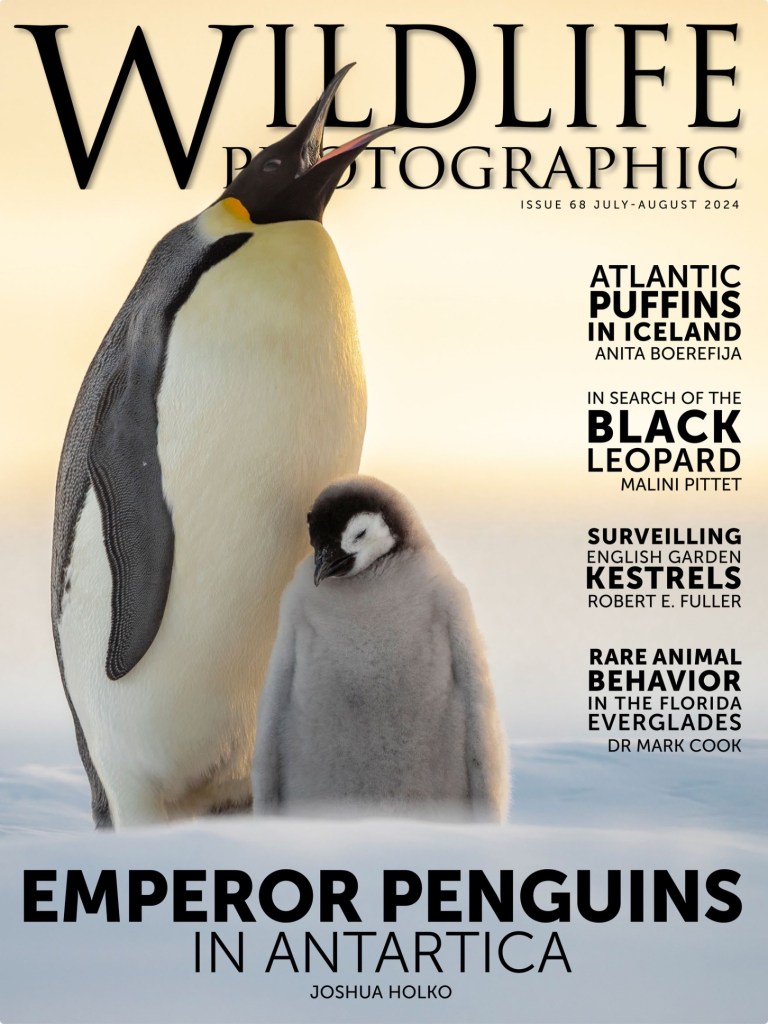
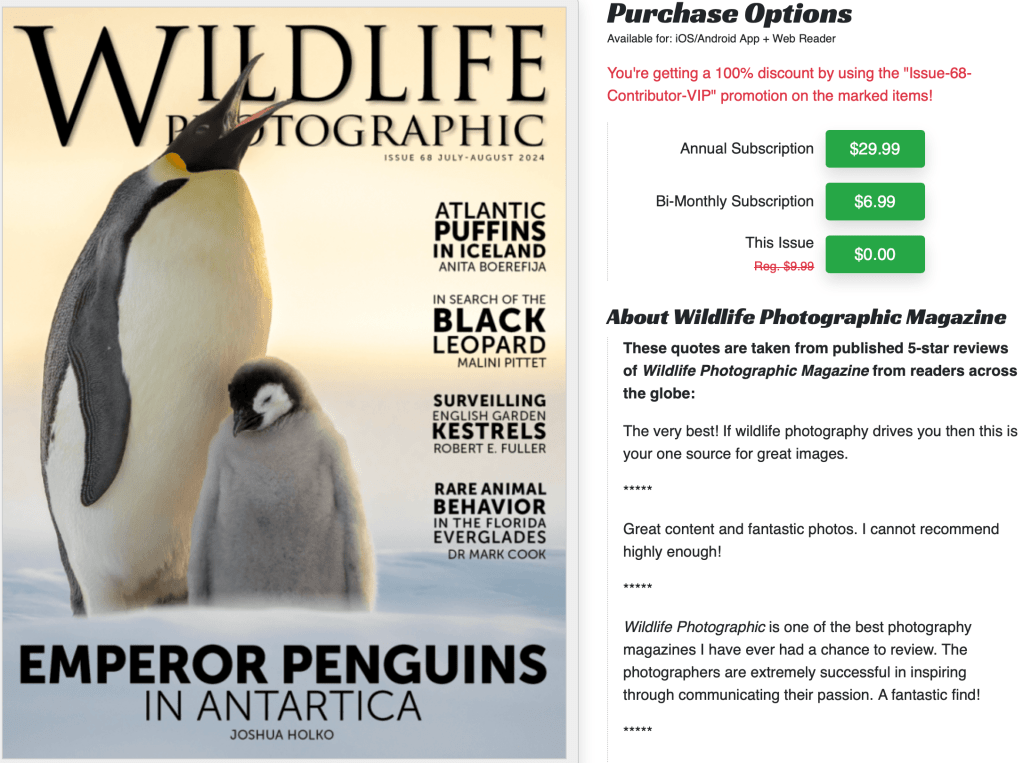
The just-published July / August 2024 issue of Wildlife Photographic magazine includes one of my photographs of Emperor Penguins on the front cover and a feature article on my experiences photographing Emperors in the deep south of Antarctica. This is the seventh time I have been published in Wildlife Photographic and the sixth time I have been fortunate to score the cover shot! (the last five cover shot editions were on Walrus photography, Grey Wolf Photography, Pallas Cat Photography, Arctic Fox Photography, and Polar Bear Photography). I have also been previously been published in Wildlife Photographic for my Emperor Penguin photography.
Wildlife Photographic can be read on iOS and Android devices, as well as from any computer via our Web Reader at MagsFast. Please use the following link to obtain your free issue: Free Subscription to Wildlife Photographic Magazine.
In June 2024, I led what has become an annual (and much looked forward to) ground-level wildlife masterclass workshop in Zululand, South Africa. While African safaris are commonplace, the opportunity to work at ground level with wildlife (including Cheetahs) is unique and incredibly special. This approach provides chances for emotive, dynamic and powerful photographs that are impossible from traditional safari vehicles. Seeing cheetahs from the ground, walking with them, and photographing them on the hunt offers an unparalleled experience, as does the opportunity to photograph from custom high-end hides designed from the ground up for photographers. Not only does this workshop offer these opportunities, but it also boasts some of the only low-angle safari vehicles in all of Africa. Add all this together, and you have photographic opportunities that are simply unmatched anywhere in Africa.
This year’s workshop took place in Zimanga; a private game reserve in Zululand, spanning over 70 square kilometres and home to numerous species, including those beyond the African Big Five. The reserve features several state-of-the-art hides, enabling photography at ground level and at night, when many species come to drink at water holes. These overnight hides offer dramatic and unique photographic opportunities. In addition, this year we also took the opportunity to photograph at night from custom low-angle safari vehicles with spot lights to capture dramatic images of lions on the hunt.
For the duration of this workshop we had the entire game reserve to ourselves, allowing us unparalleled access and flexibility in our activities. This setup enabled us to tailor each day to the participants’ needs, enhancing the quality and variety of their photographic portfolios. Full camp takeover such as this is the key to ensuring everyone maximises their opportunities during our stay. Of course, anyone can visit a game reserve on their own, but being part of a full camp takeover means you get a lot more time in the hides and a lot more preference selection on daily activities. What this translates to is a far better portfolio of photographs at the end of the trip.
The highlight for many this year was the chance to walk with and photograph wild cheetahs on the hunt. This ground-level perspective is a game-changer, offering dramatic and unique shots of predators from a low angle. This year, we had several unique encounters, including some very close and dramatic moments with two fabulous Cheetah brothers. We were also fortunate to have outstanding backlit opportunities at the end of the day. This type of light is my favourite to photograph wildlife, and some beautiful photographs resulted from this session.
The overnight hides we use are equipped with kitchens, flushing toilets, and sleeping beds. They provide comfort and readiness for action with infrared triggers to alert you when wildlife is approaching. These hides are unmatched anywhere else in Africa and provide opportunities for dramatic and unique photographs of wildlife at night.
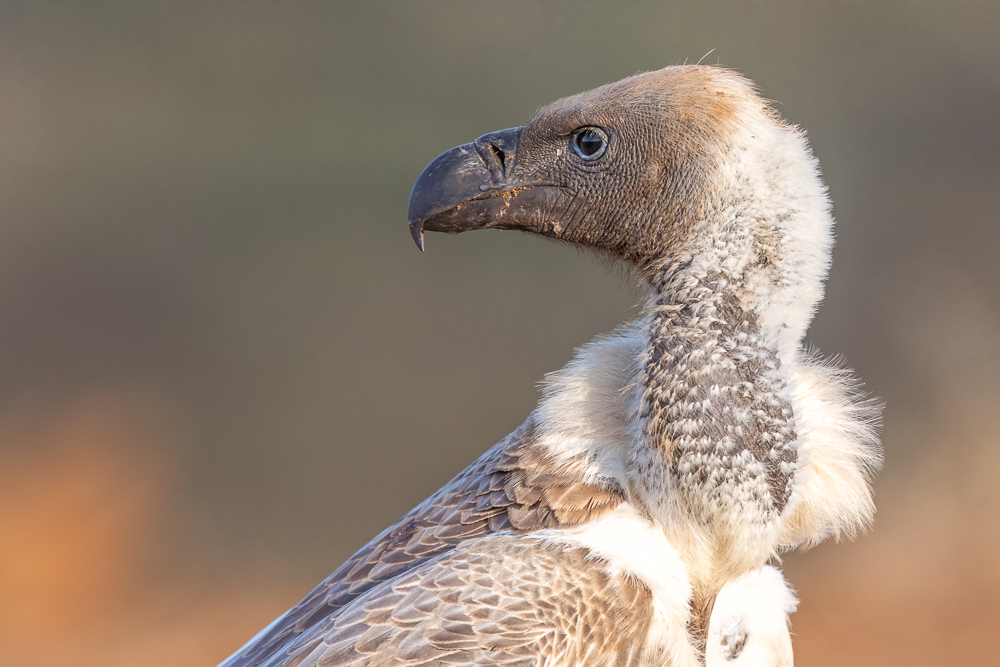
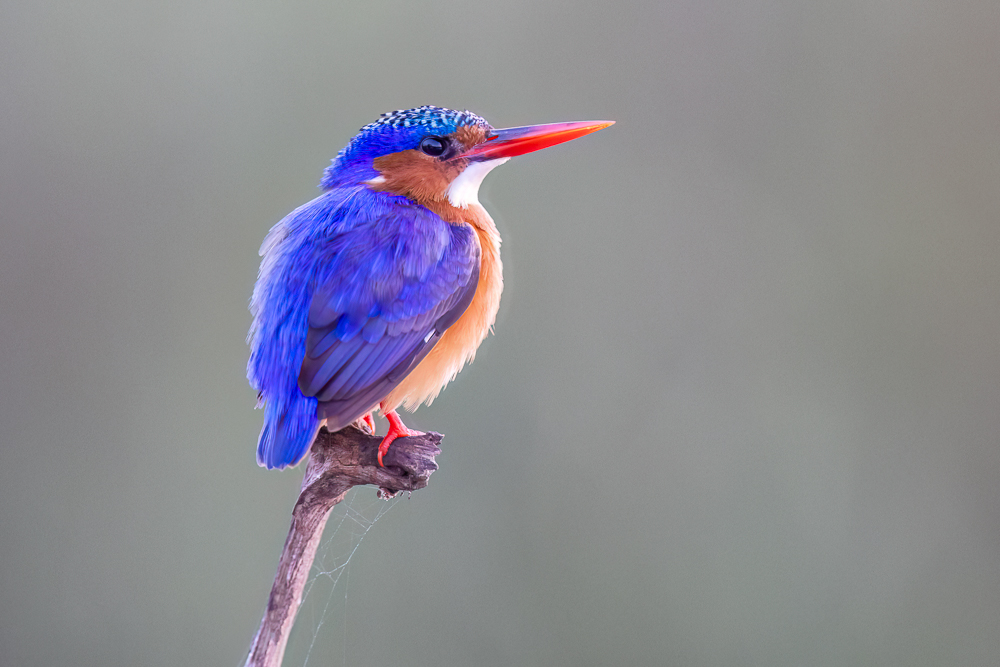
During the workshop, we also photographed various African bird species, including the beautiful Malachite Kingfisher (a personal favourite), with lenses as short as 70-200mm. This year, I did not keep a complete bird list, but sightings included many incredible species of Eagles, Vultures, Owls, and more.
I am offering this masterclass workshop again in May next year -May 7th to May 16th 2025. Whether it’s your first visit to Africa or you’re a seasoned safari-goer, the 2025 Zululand ground-level wildlife masterclass offers an incredible opportunity to photograph African wildlife at eye level. The exclusive camp takeover provides unmatched access and flexibility, enhancing the photographic experience for all participants. With only a few places remaining, please contact me soon to secure your spot. This workshop is an extraordinary adventure, offering unique and powerful photographic opportunities.